
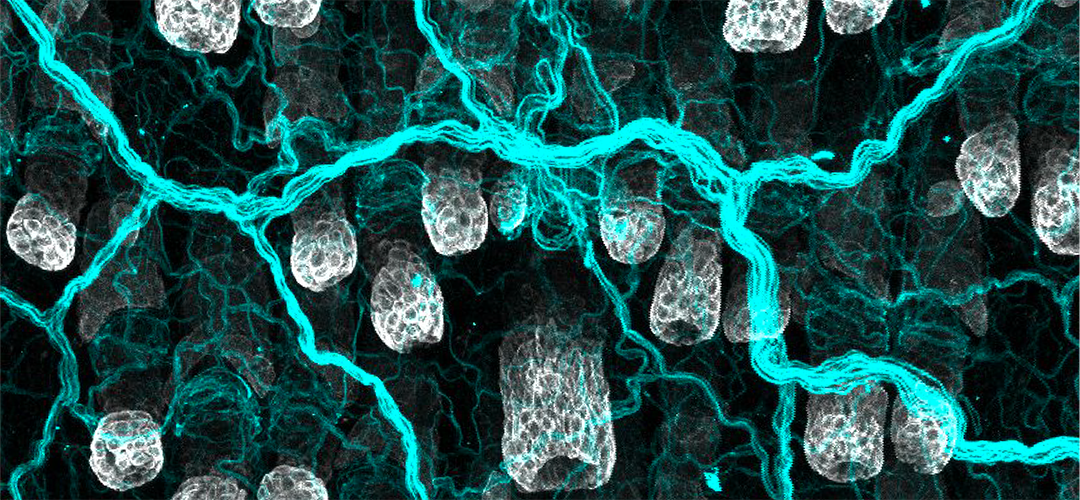
2026 Beauty of the Brain Image Contest
Submit your image by November 20! Up to five $250 prizes will be awarded.Learn more and submit >
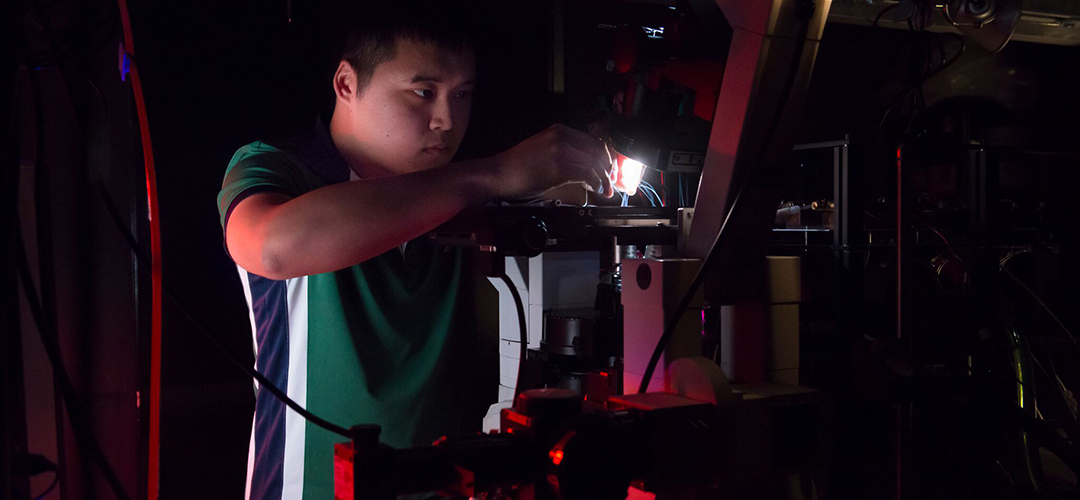
Community Stories
Accessible summaries of recent research papers written by HBI scientists.Learn more >
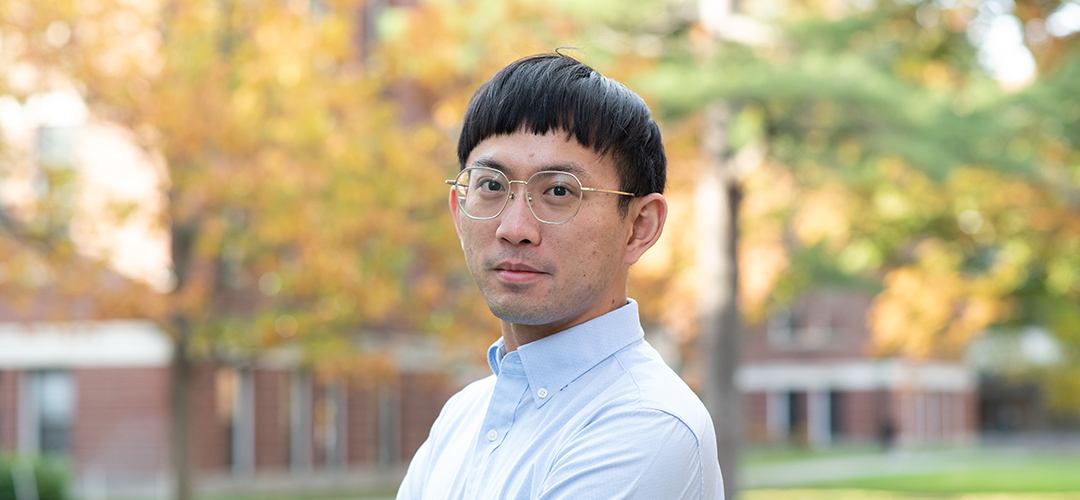
Humans of HBI
Interviews profiling faculty, fellows, students, and staff working in the Harvard neuroscience community.Humans of HBI >
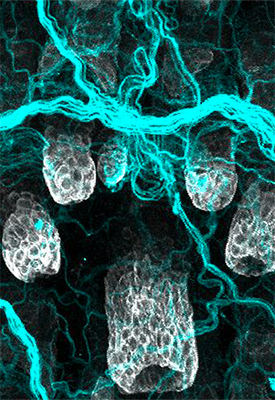
2026 Beauty of the Brain Image Contest
Submit your image by November 20! Up to five $250 prizes will be awarded.Learn more and submit >
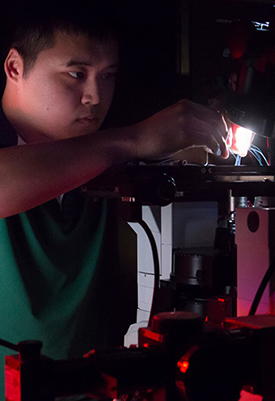
Community Stories
Accessible summaries of recent research papers written by HBI scientists.Learn more >
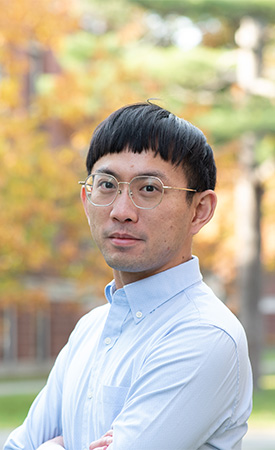
Humans of HBI
Interviews profiling faculty, fellows, students, and staff working in the Harvard neuroscience community.Humans of HBI >
2027 POSTDOC PIONEERS
Now accepting applications!
We are excited to announce that the latest cycle of our Postoc Pioneers Grant Program is now live! This program offers $50,000 fellowships to mid- to late-stage postdocs who are conducting basic neuroscience research in areas outside of their lab’s established focus.
Applications are due on Monday, November 9th. Click here for more information.
Community Stories
The (Bio)Physics of How Brains Fold (and Misfold)
How do brains fold? By combining MRI scans, soft gel experiments, computer simulations, physics and mathematics, researchers from the lab of L. Mahadevan studied brain development and mistakes therein, using data from ferrets, macaques, and humans. Their work shows that a simple physical mechanism—faster growth of the cortex relative to deeper tissue—can explain both normal brain folding across species and in some developmental brain disorders.
A New Somatic Genetics of Alzheimer Disease
What if every cell in your brain had its own unique genome that permanently records its history, its sibling cells, its age, the effects of disease, and its struggle for survival? How would that change the way we think about aging and degeneration in the brain? Christopher Walsh discusses these questions in light of two new studies from his lab and collaborating groups.
How Microbes Use Sex Hormones to Shape Gut-Brain Interactions
Host-microbe interactions are essential for neurological function. Valentina Lagomarsino shares new research from the Rao Lab showing how microbes play a vital role in regulating the neuroendocrine axis and activity of motor circuits in the colon.
Upcoming Events
The Stressed Brain 101
November 12, 2026
11:00 am to 12:00 pm
Location: Warren Alpert 563
11:00 am to 12:00 pm
Location: Warren Alpert 563
Featuring Angélica Torres-Berrío (Mass. General Hospital/Harvard Medical School)
Biosensors 101
December 3, 2026
11:00 am to 12:00 pm
Location: Warren Alpert 563
11:00 am to 12:00 pm
Location: Warren Alpert 563
Featuring Gary Yellen (Harvard Medical School)