HBI Logo
  • About HBI
    • Our Mission
    • Contact Us
    • Mailing List
    • Support Us
  • People
    • Our Leadership
    • Our Staff
    • Faculty Directory
    • Community Directory
    • Humans of HBI
  • Science
    • Neuroscience at Harvard
    • Research Areas
    • HBI Grant Programs
    • HBI Community Groups
  • News
  • Events
    • HBI Events
    • Greater Boston Neuro Events Calendar
  • Resources
    • Mousekepedia
    • Beauty of the Brain
    • Photos
    • YouTube Channel
    • Core Facilities
    • Helpful Links
  • All images
  • 2025 Gallery
  • 2024 Gallery
  • 2023 Gallery
  • 2022 Gallery
  • 2021 Gallery
  • 2020 Gallery
  • 2019 Gallery
  • 2018 Gallery
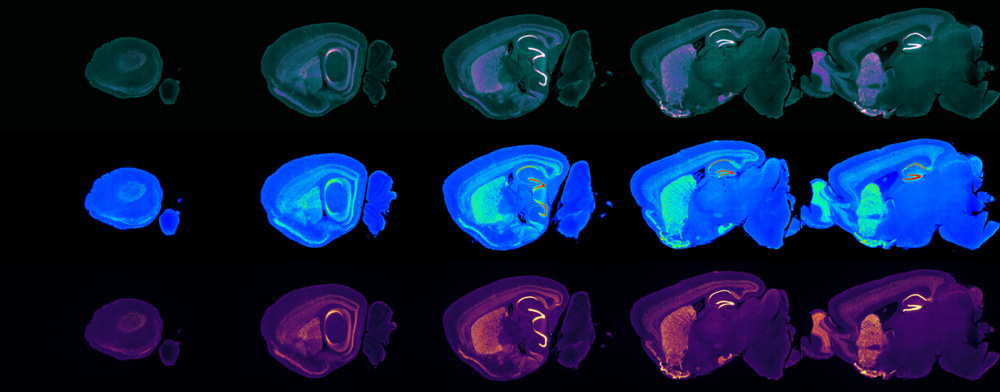
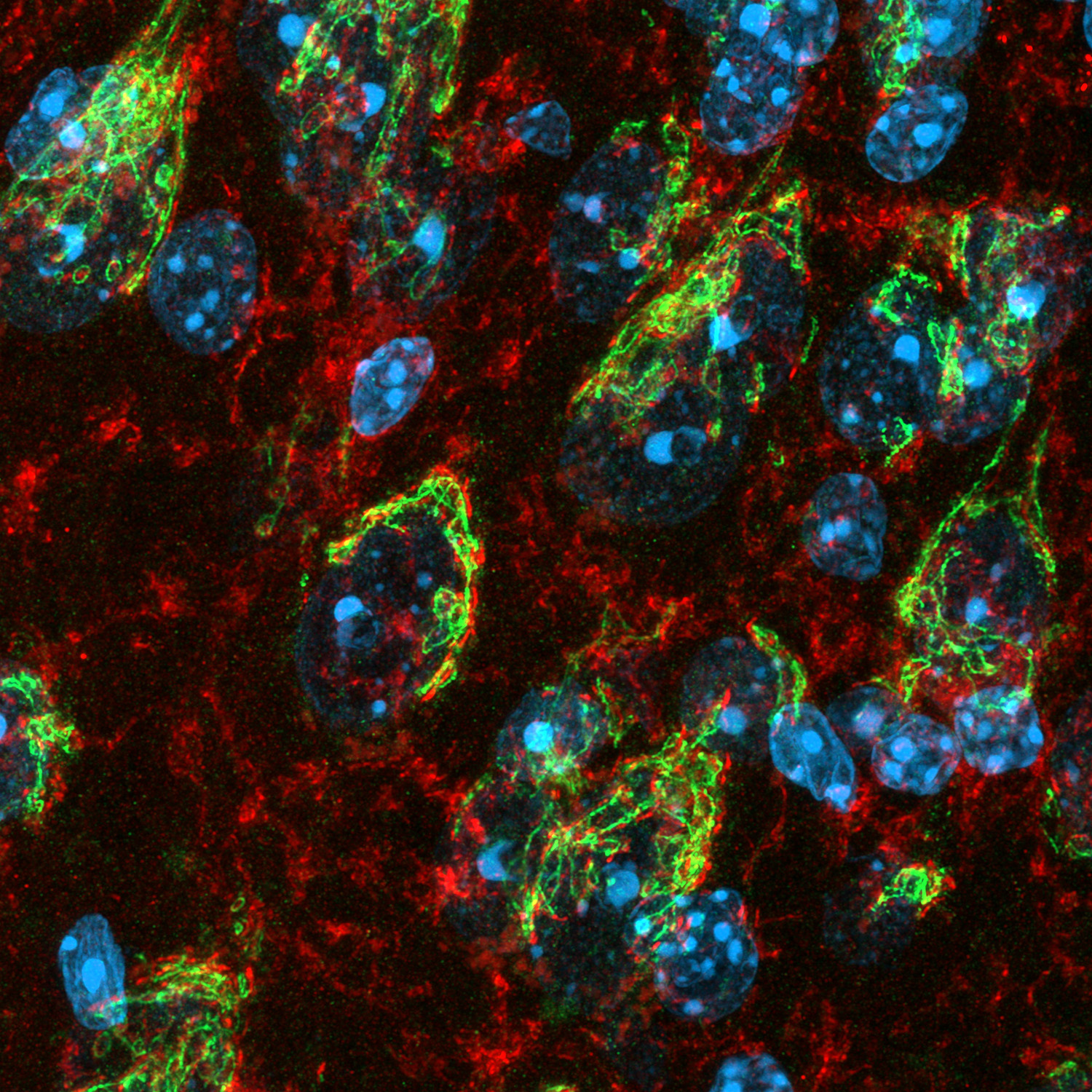
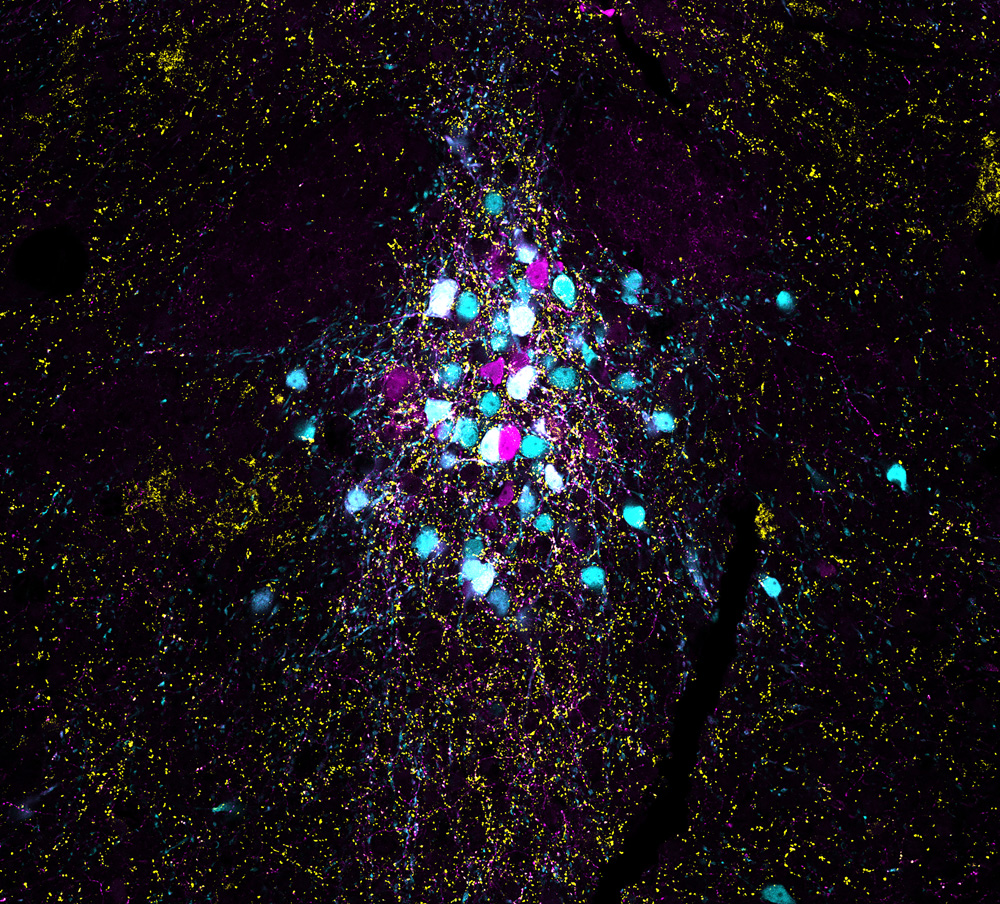
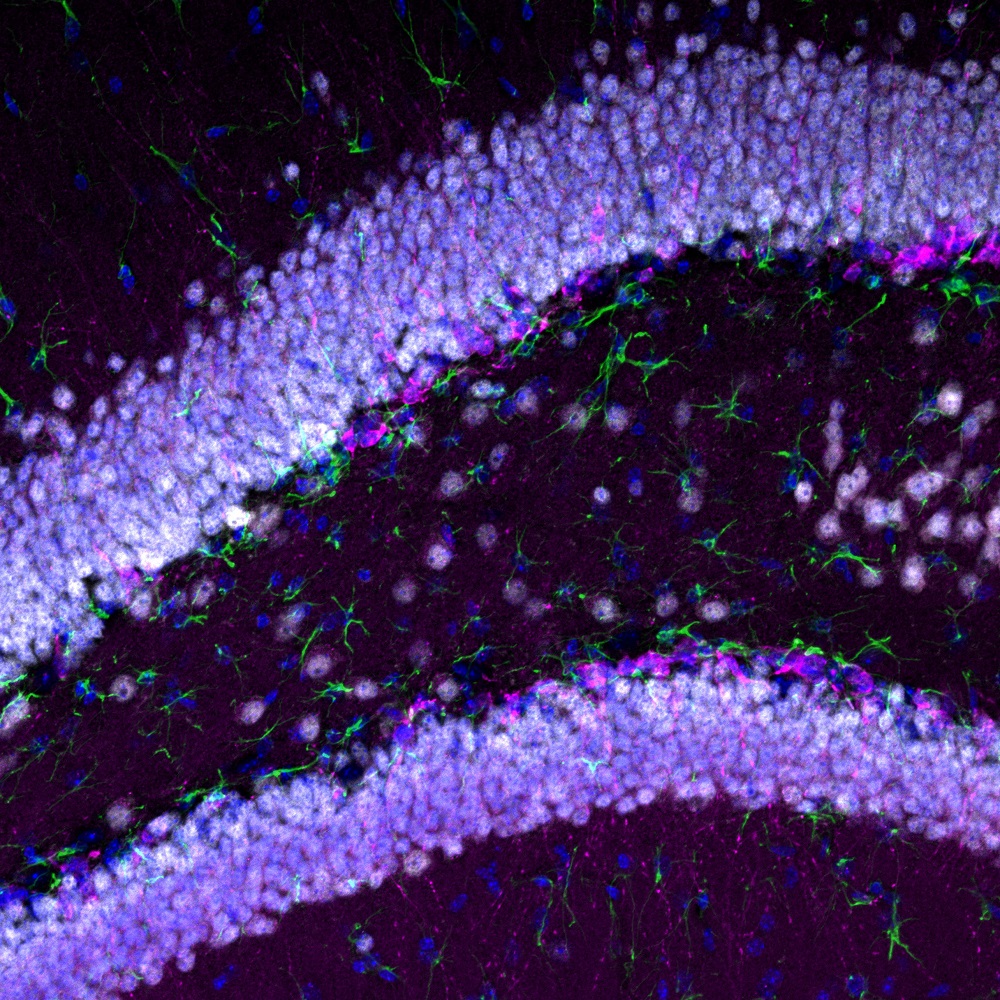
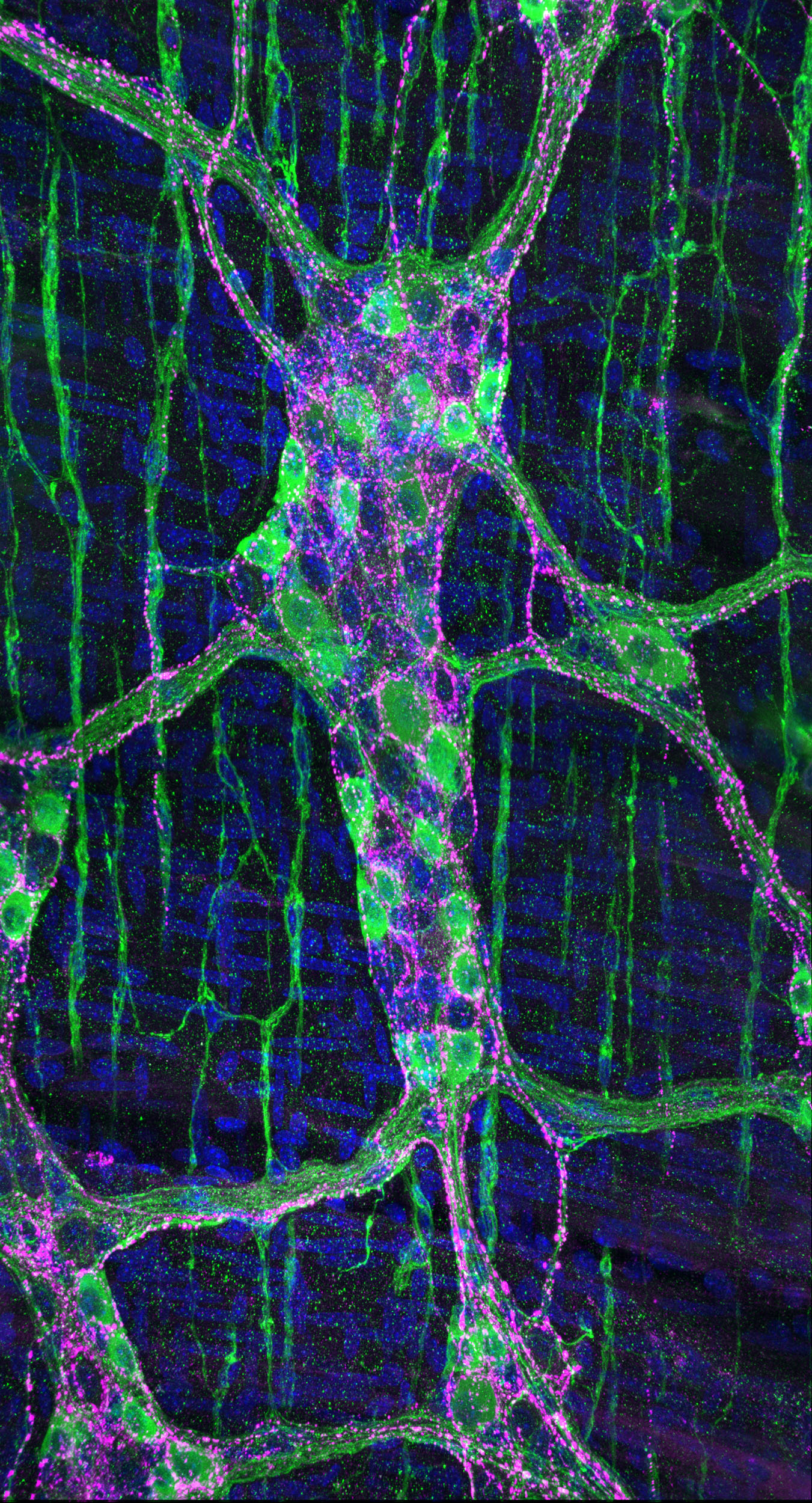
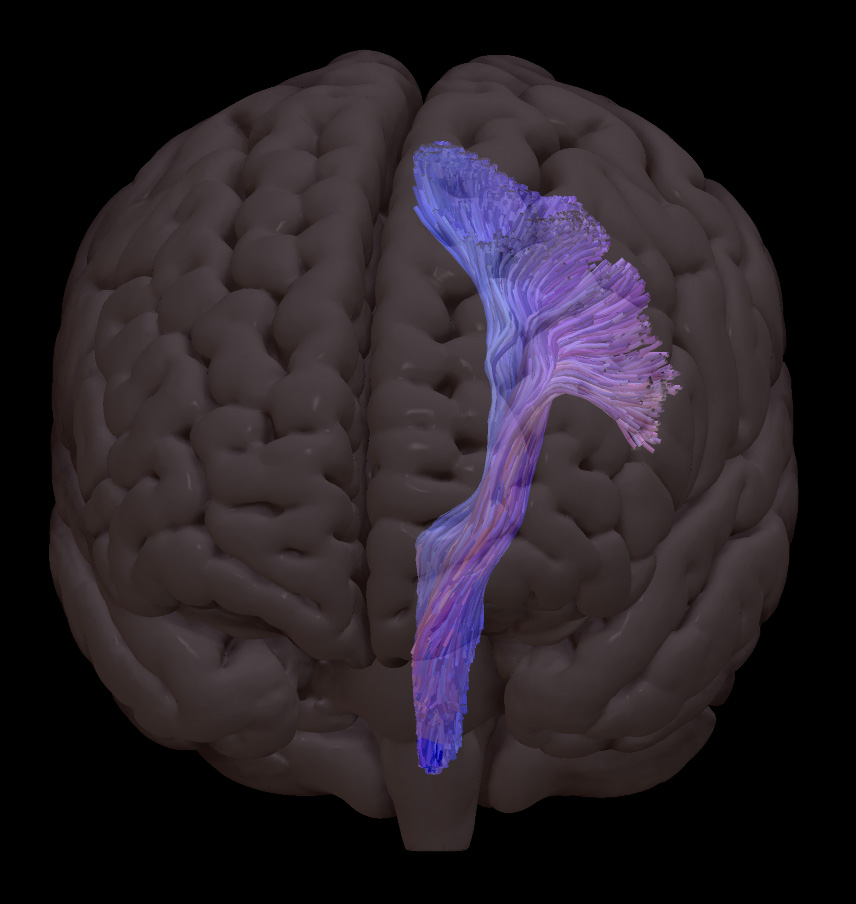
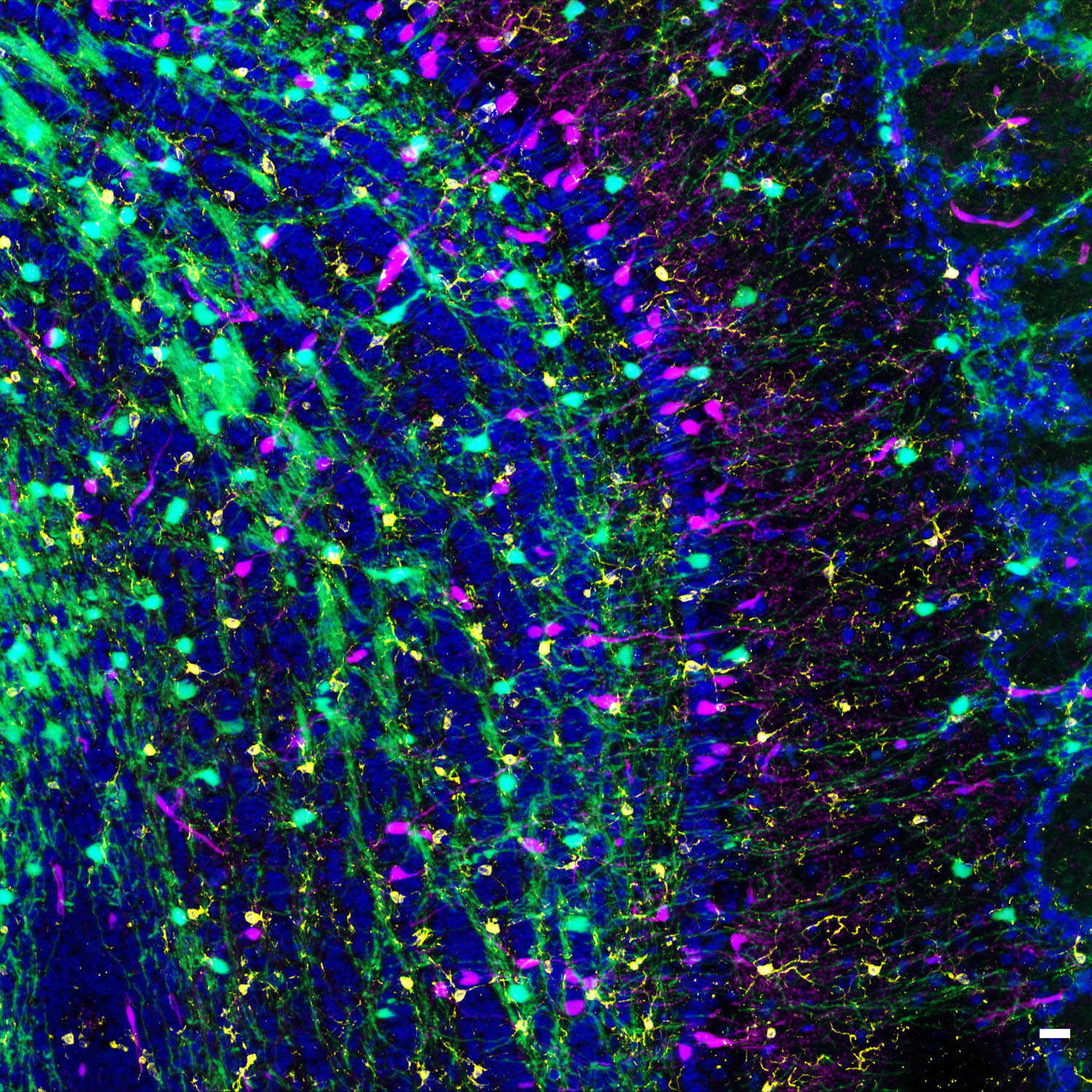
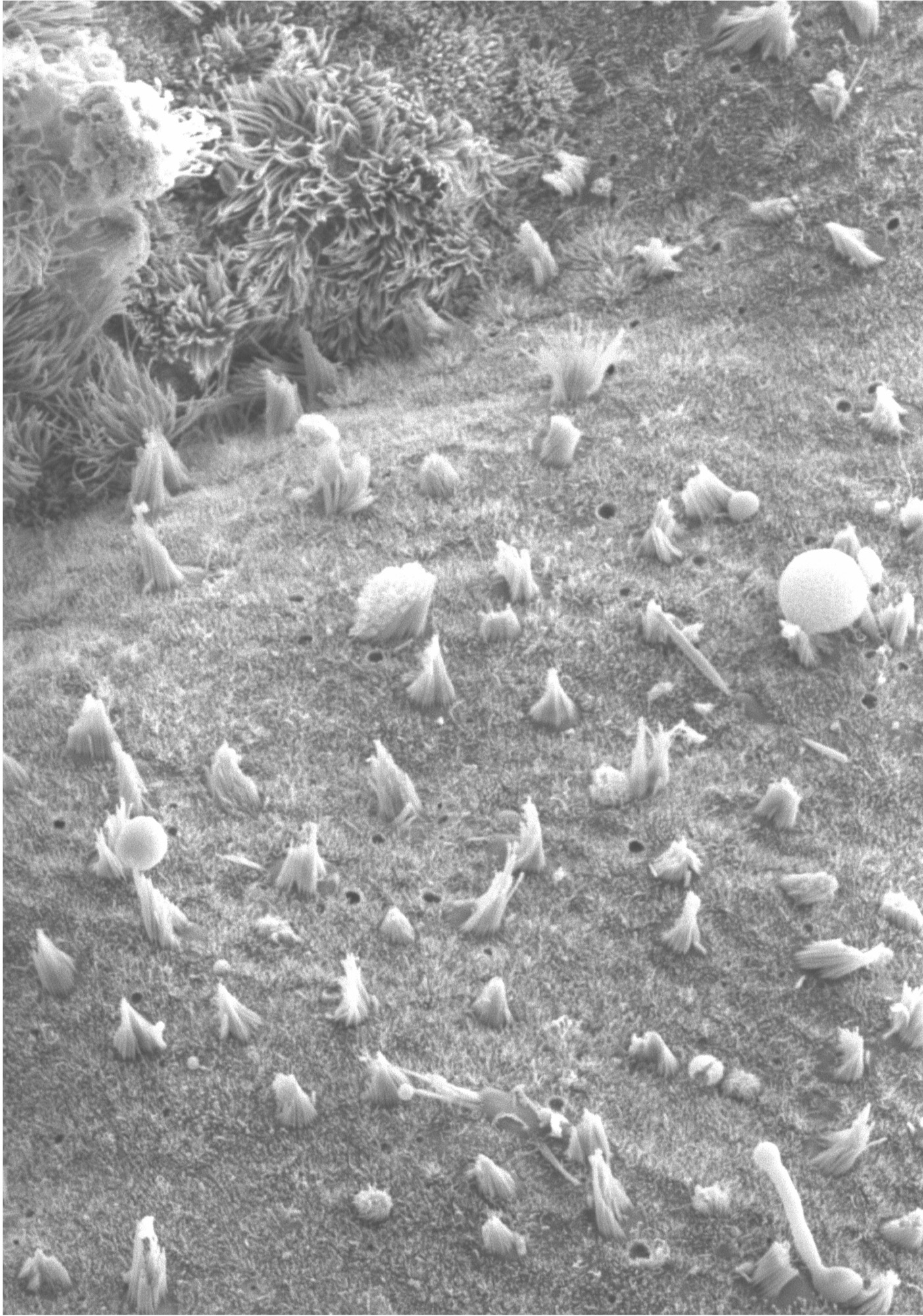
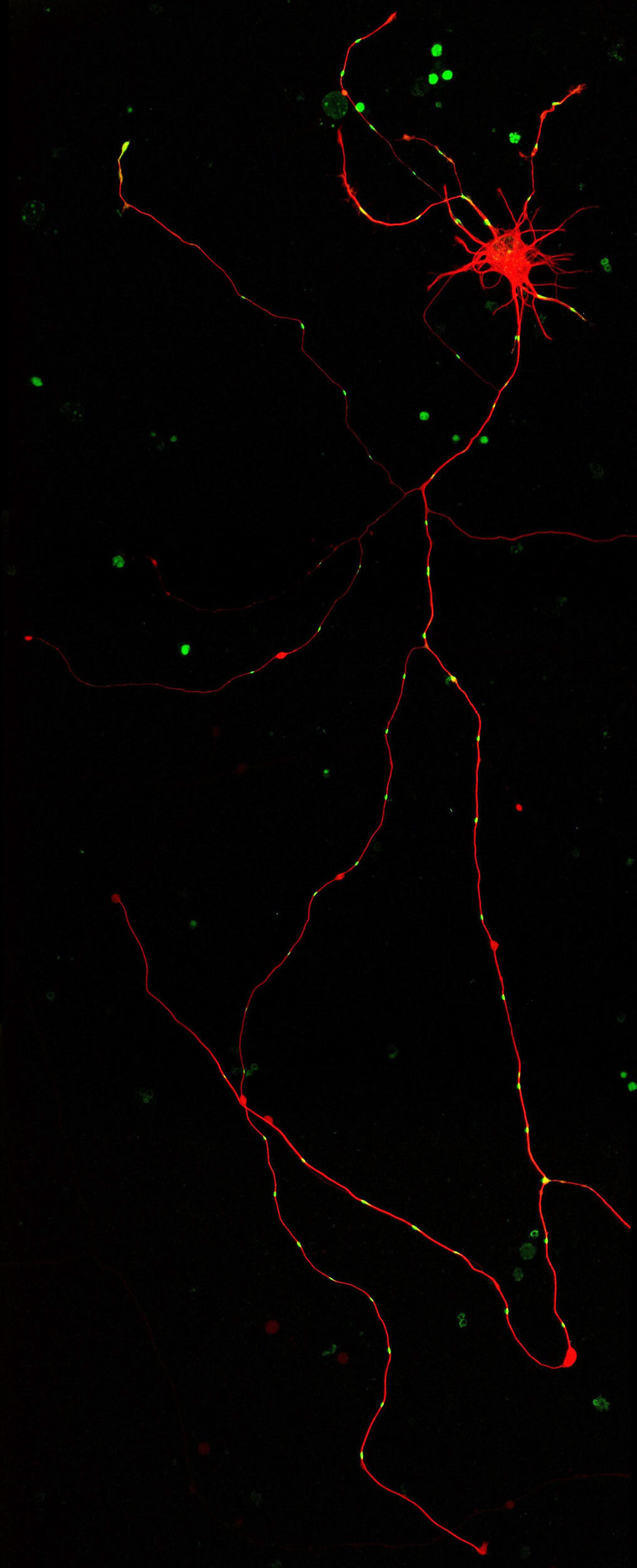
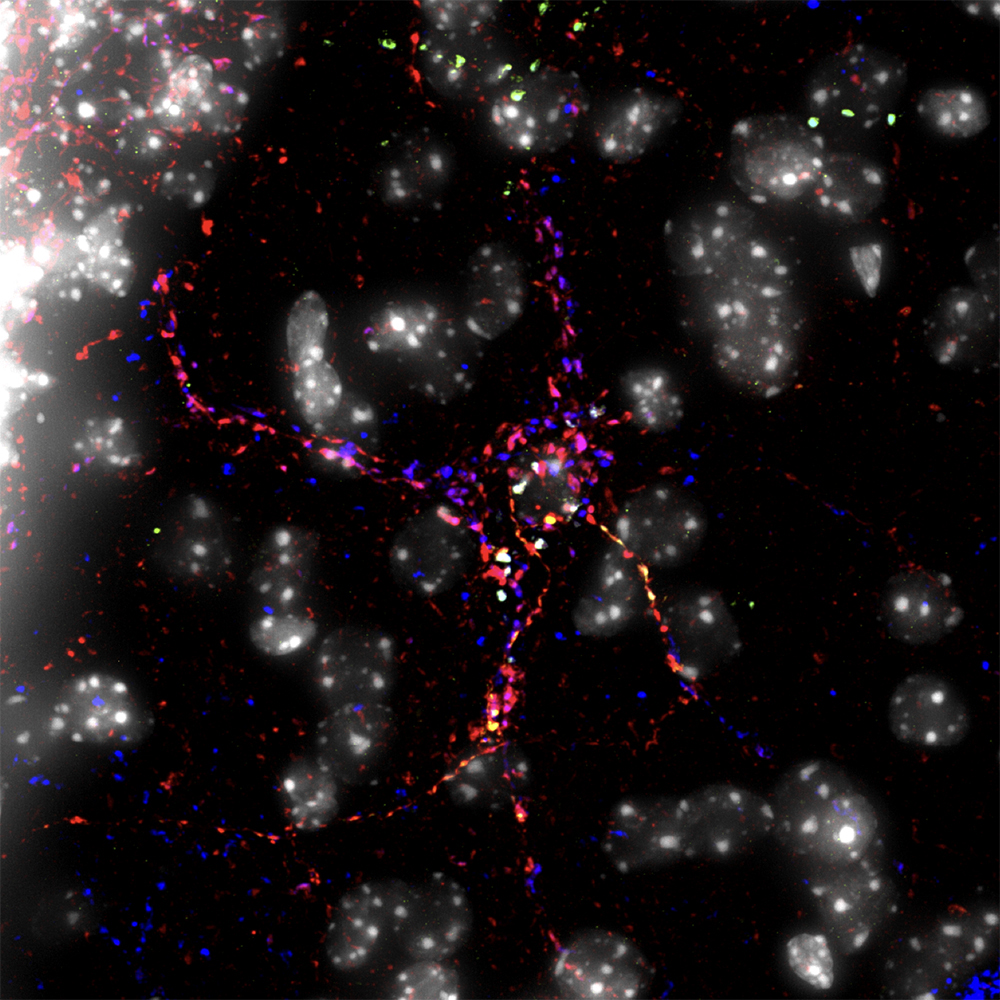
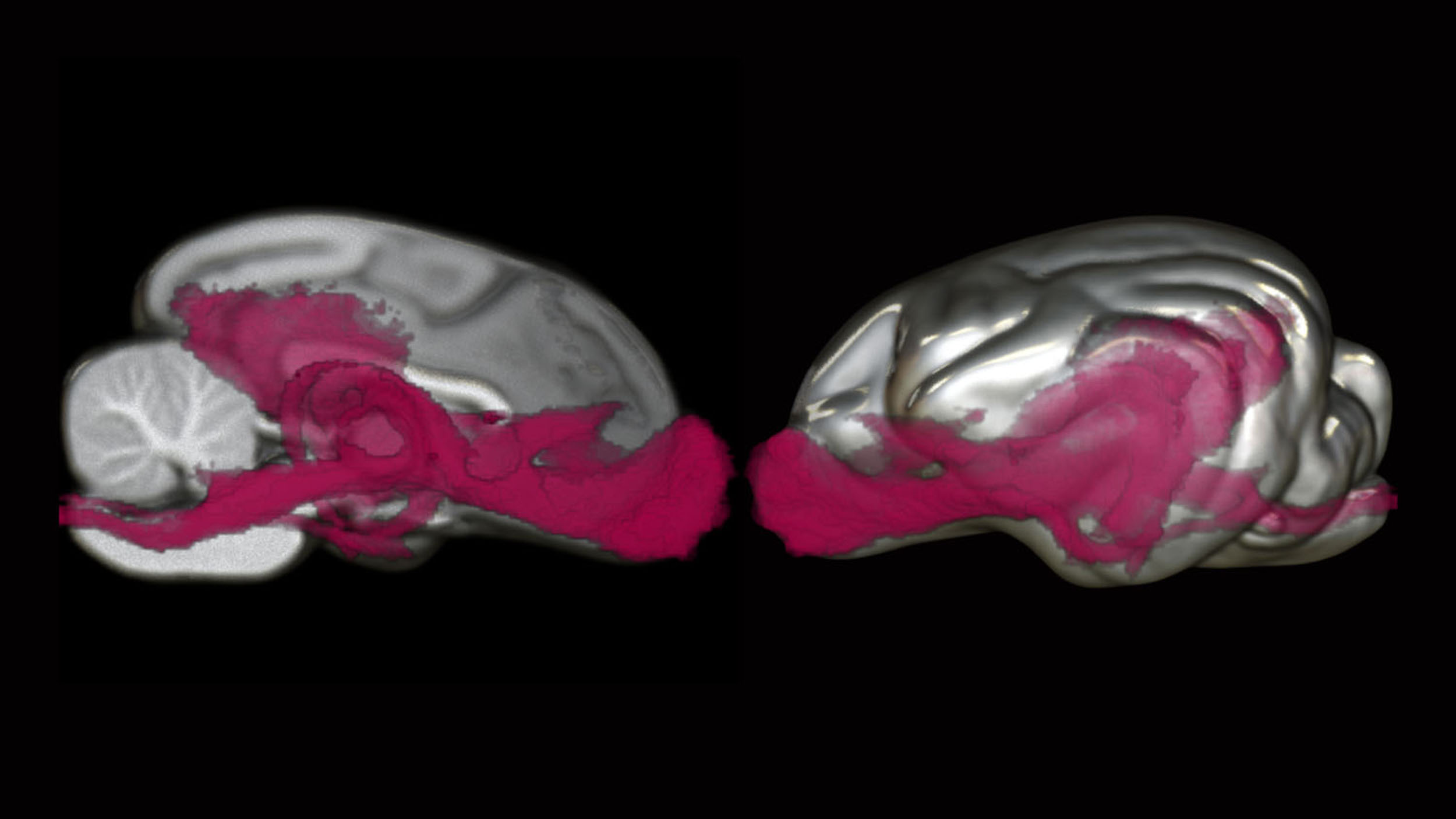
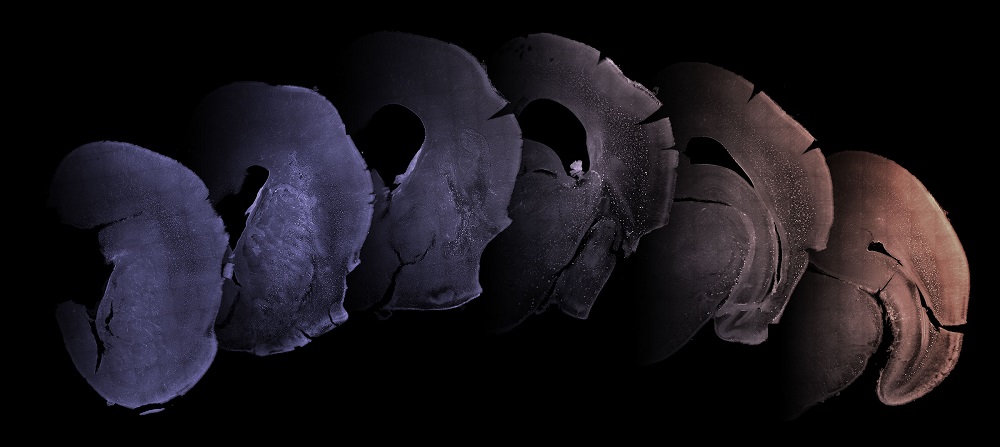
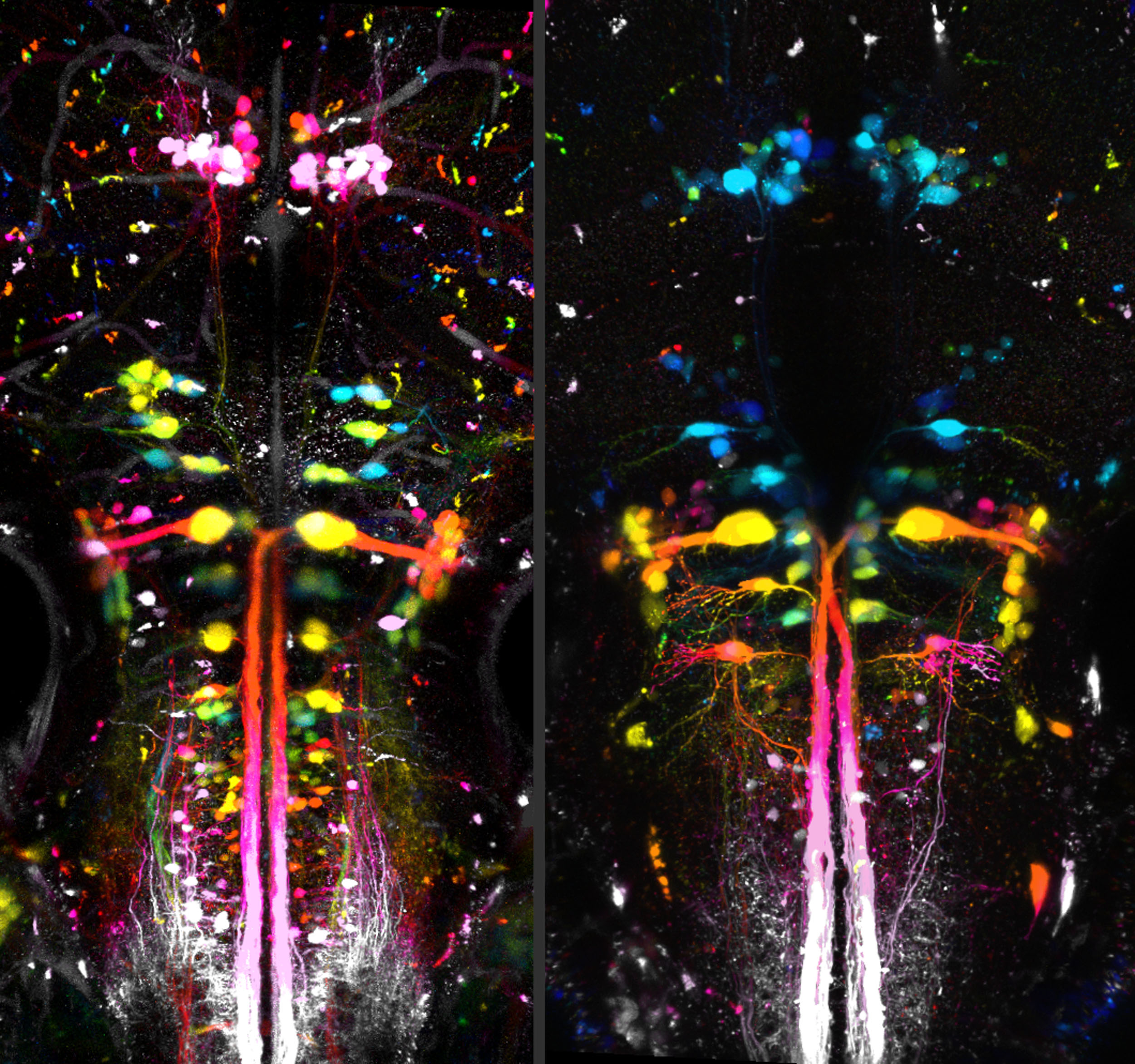
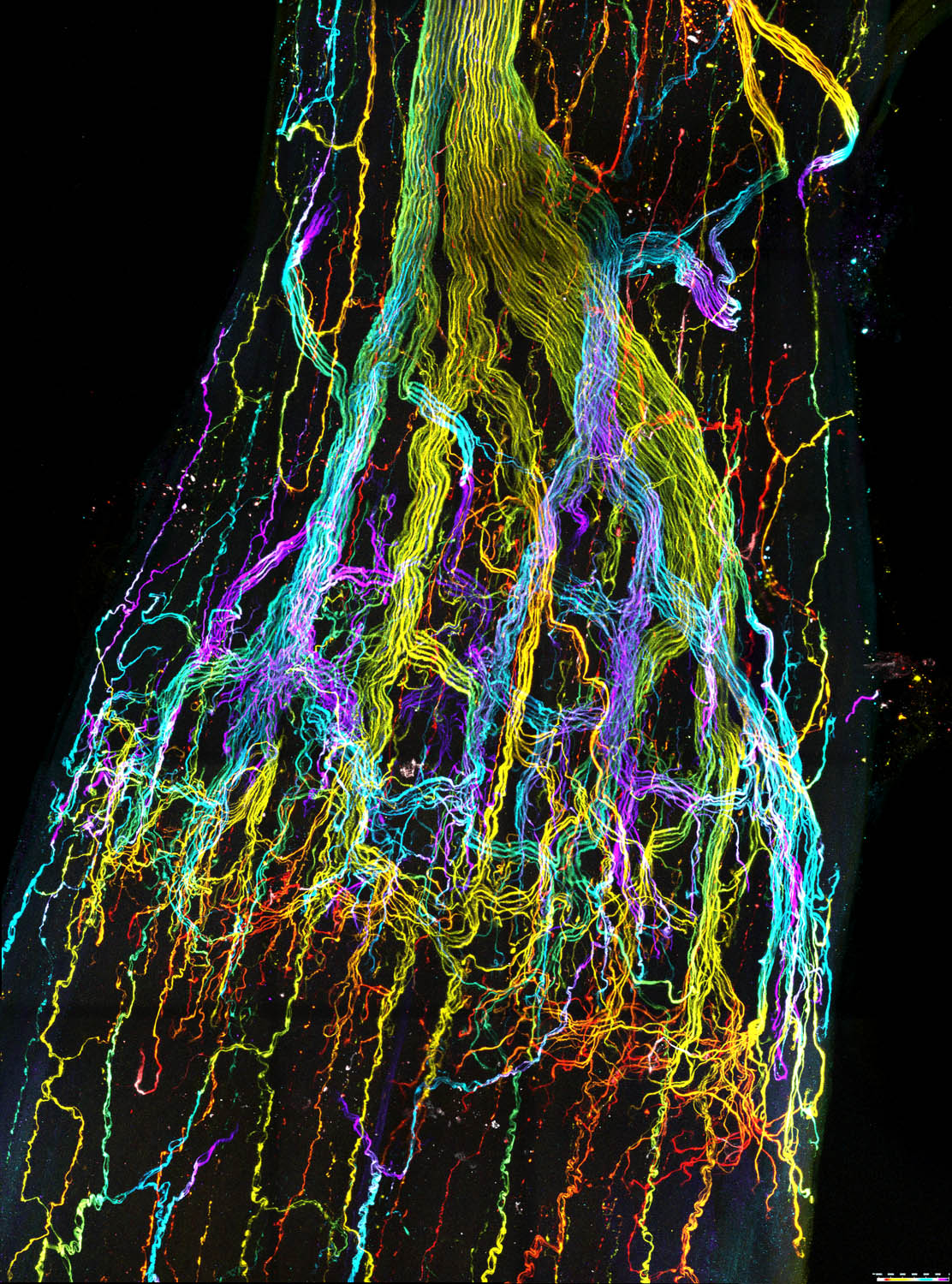
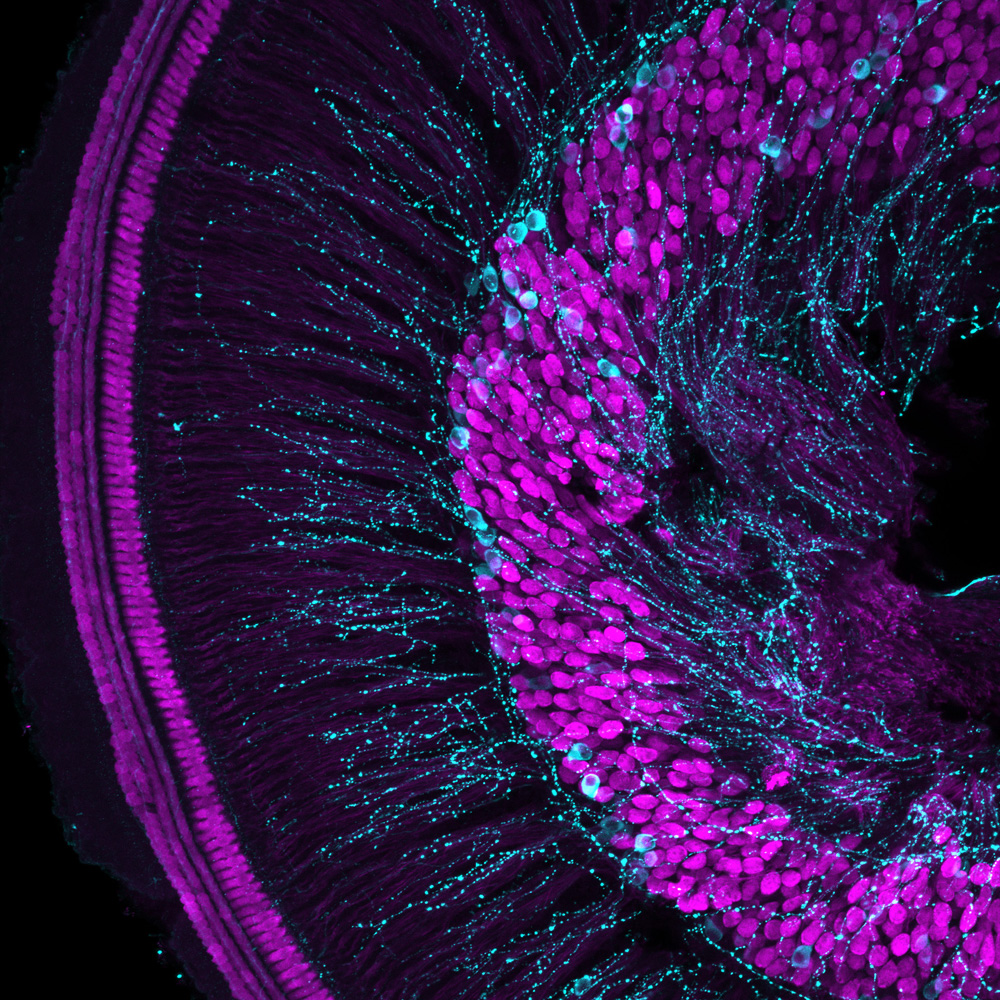
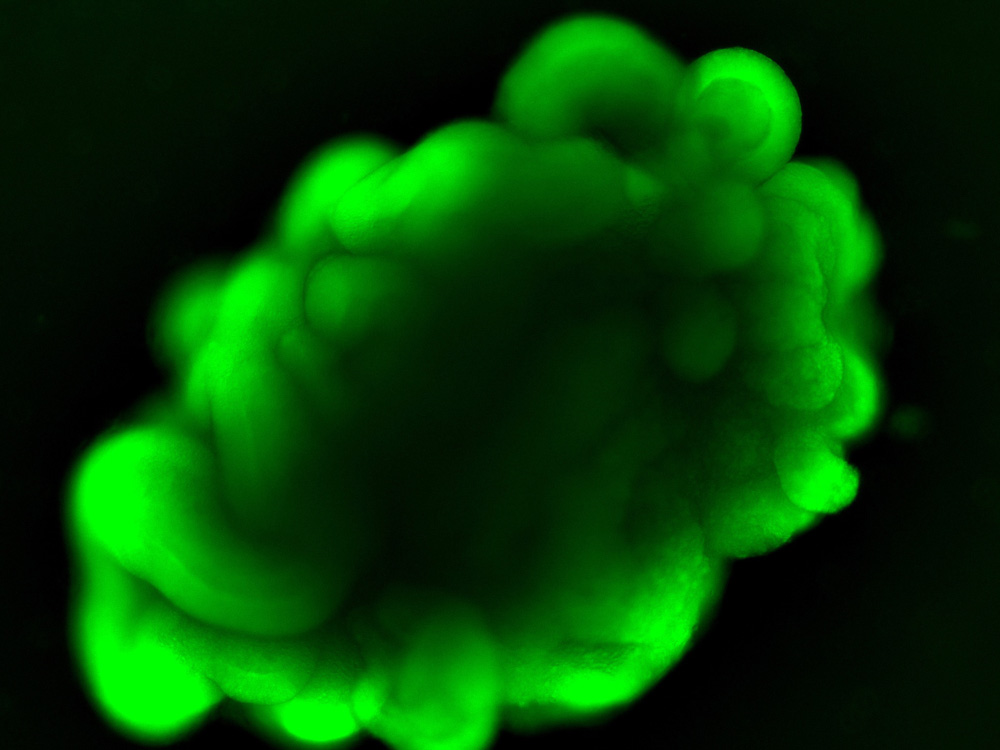
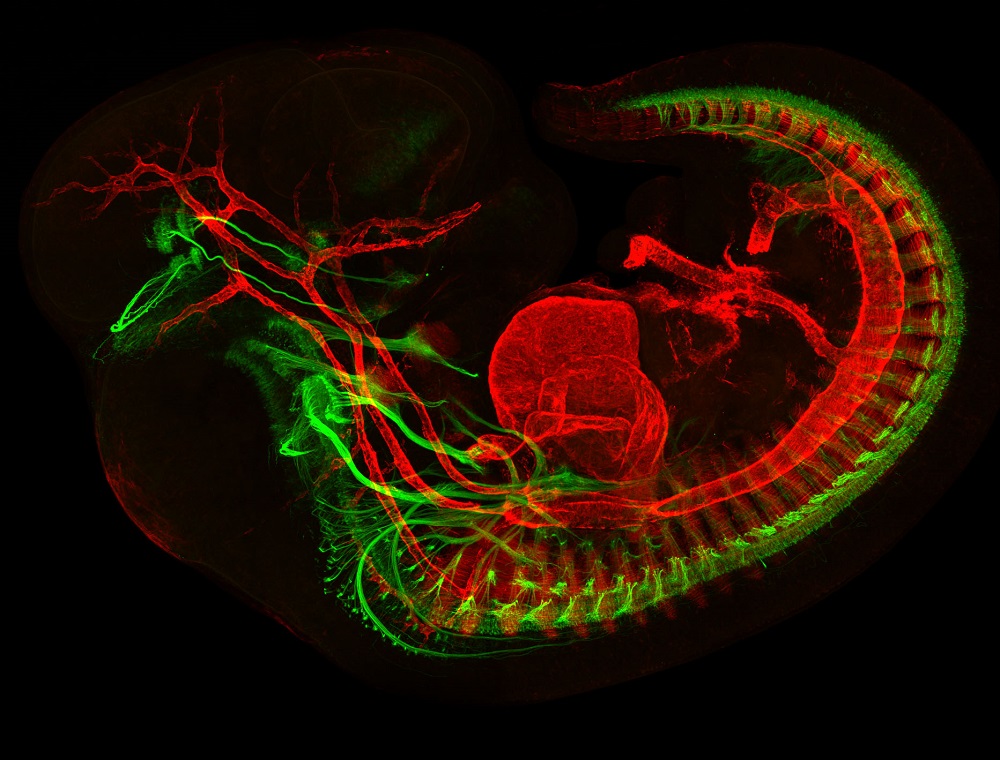
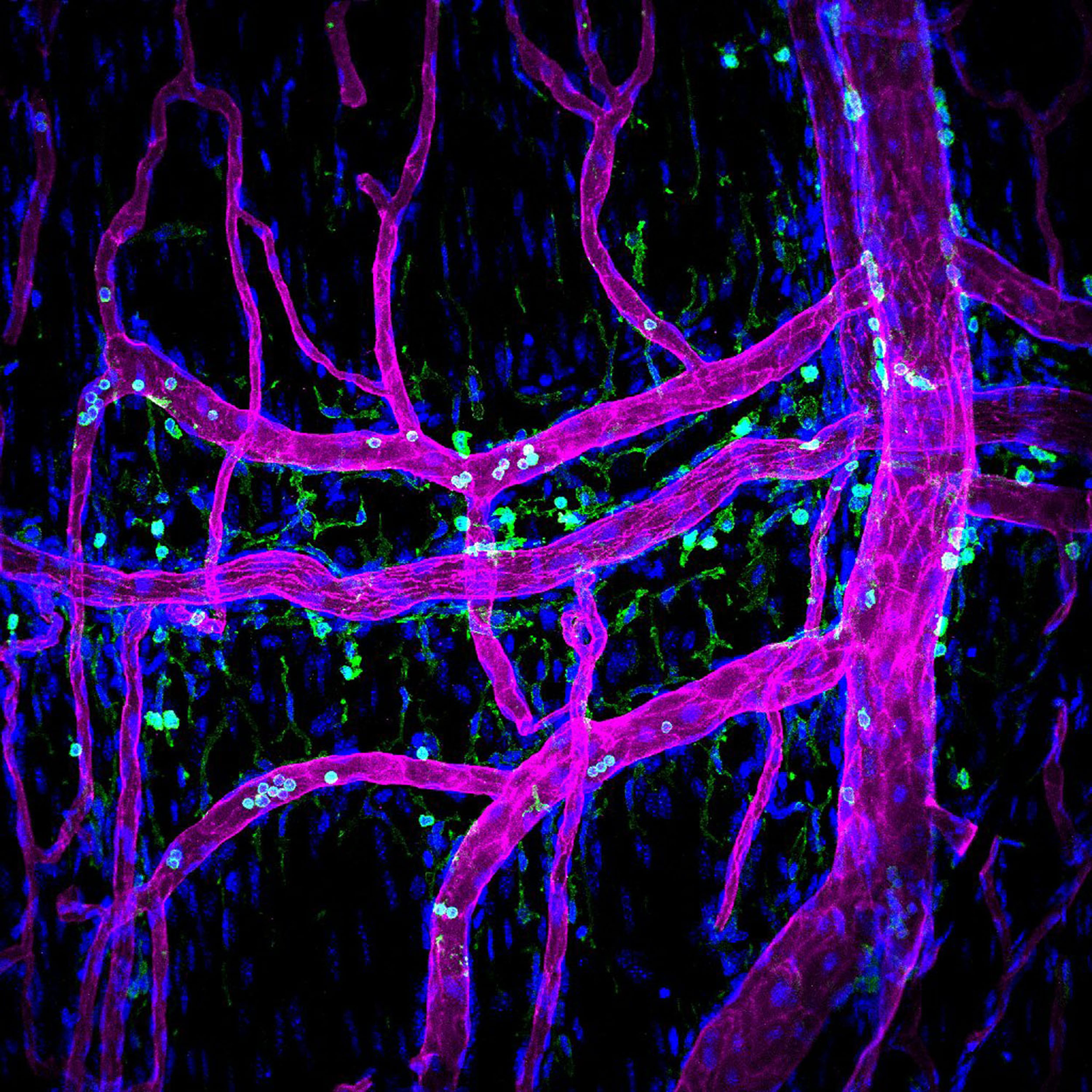
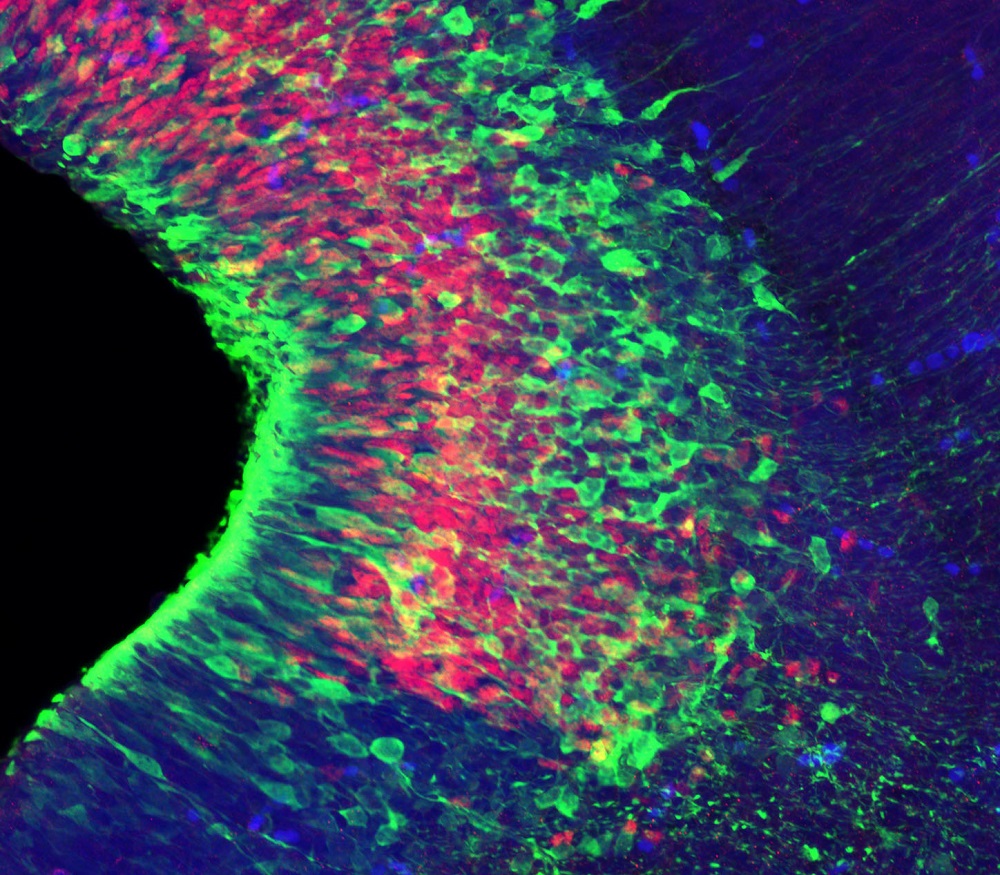
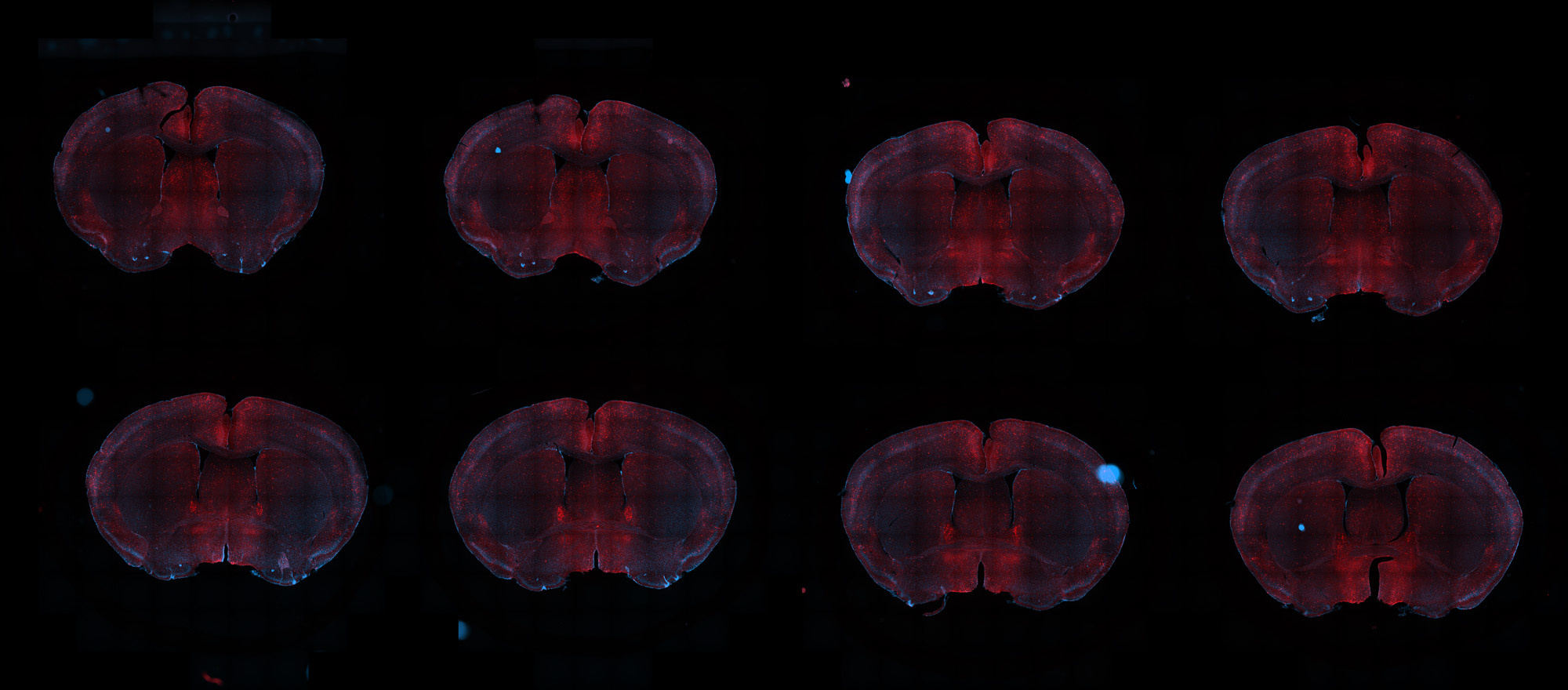
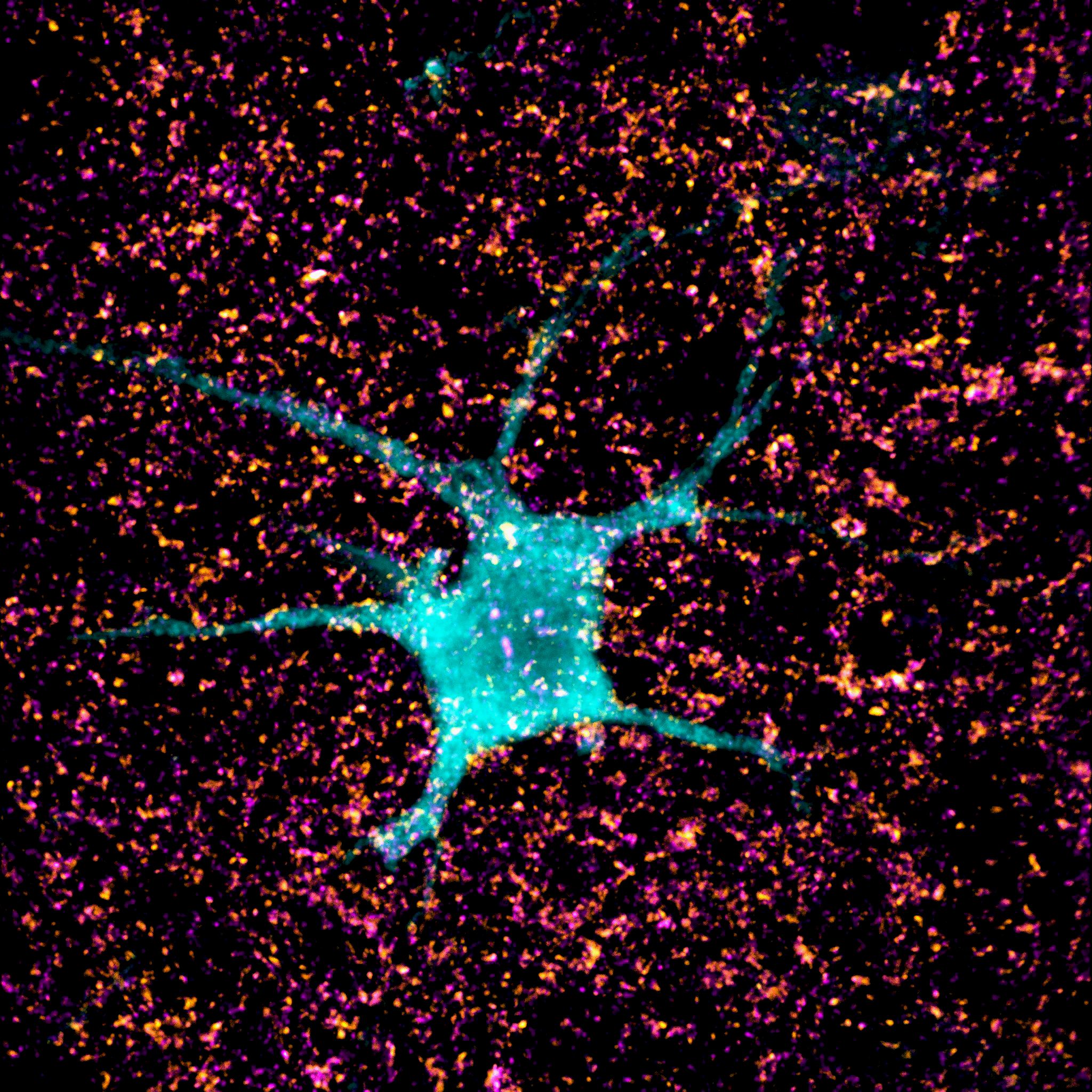
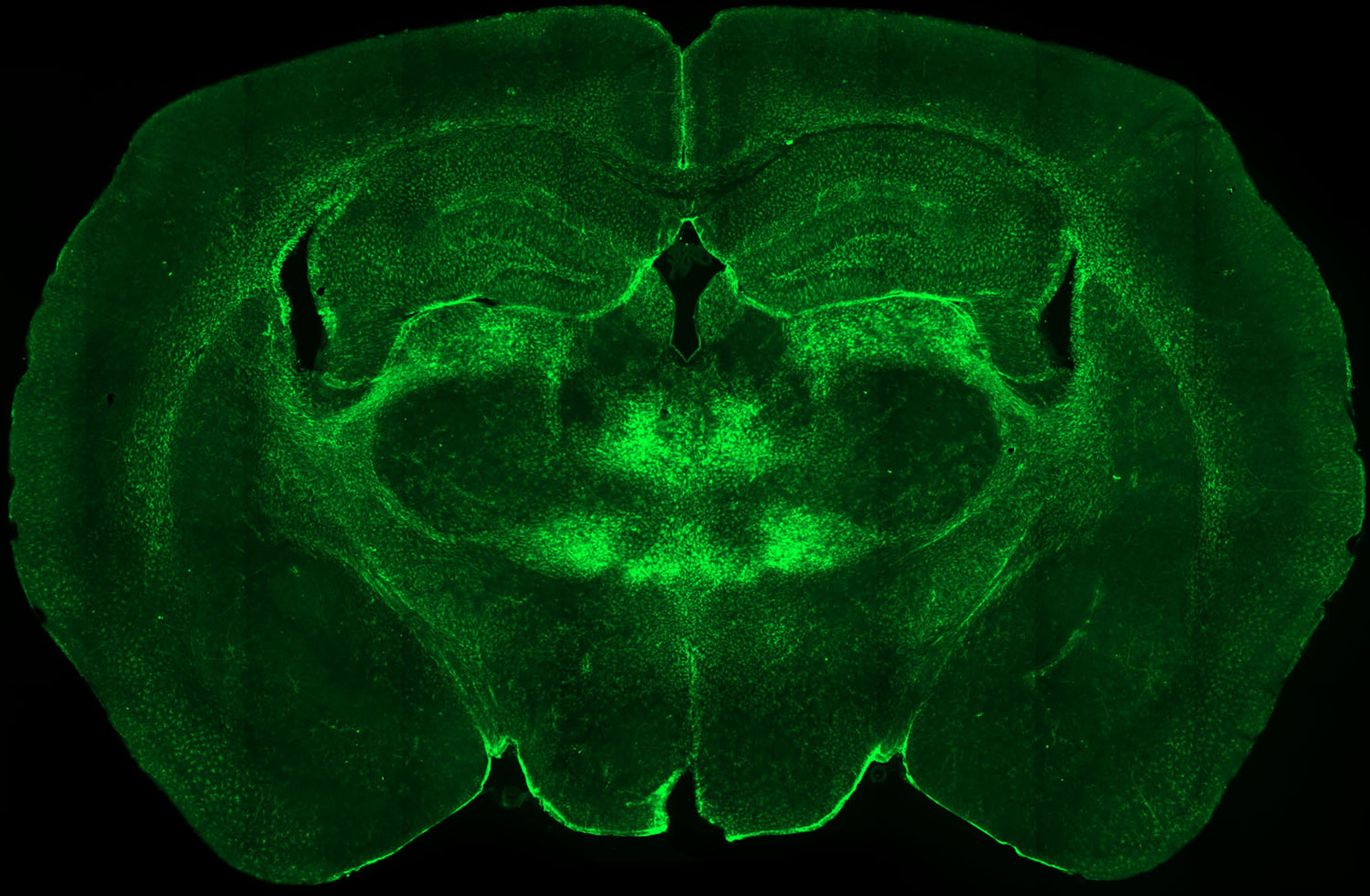
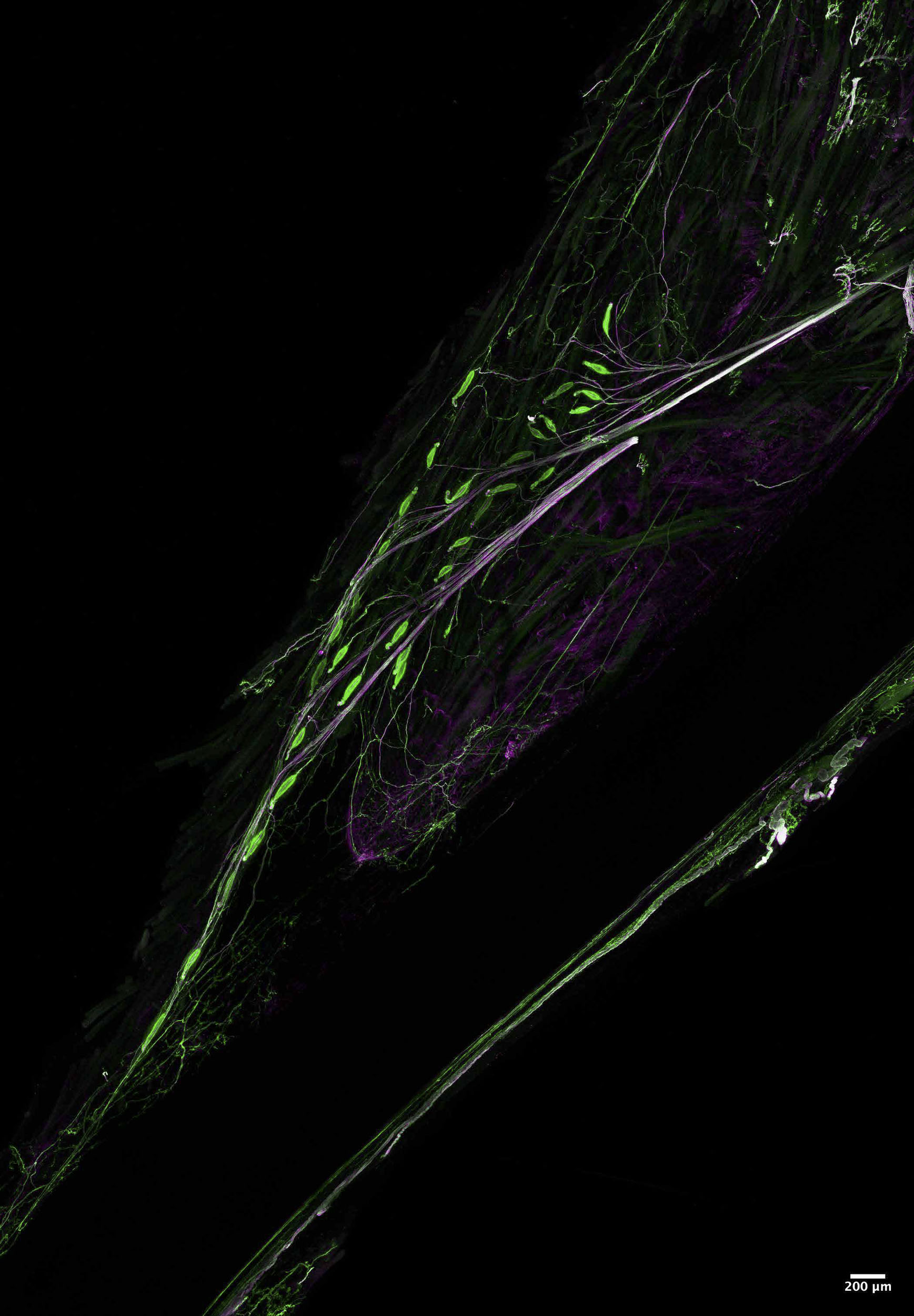
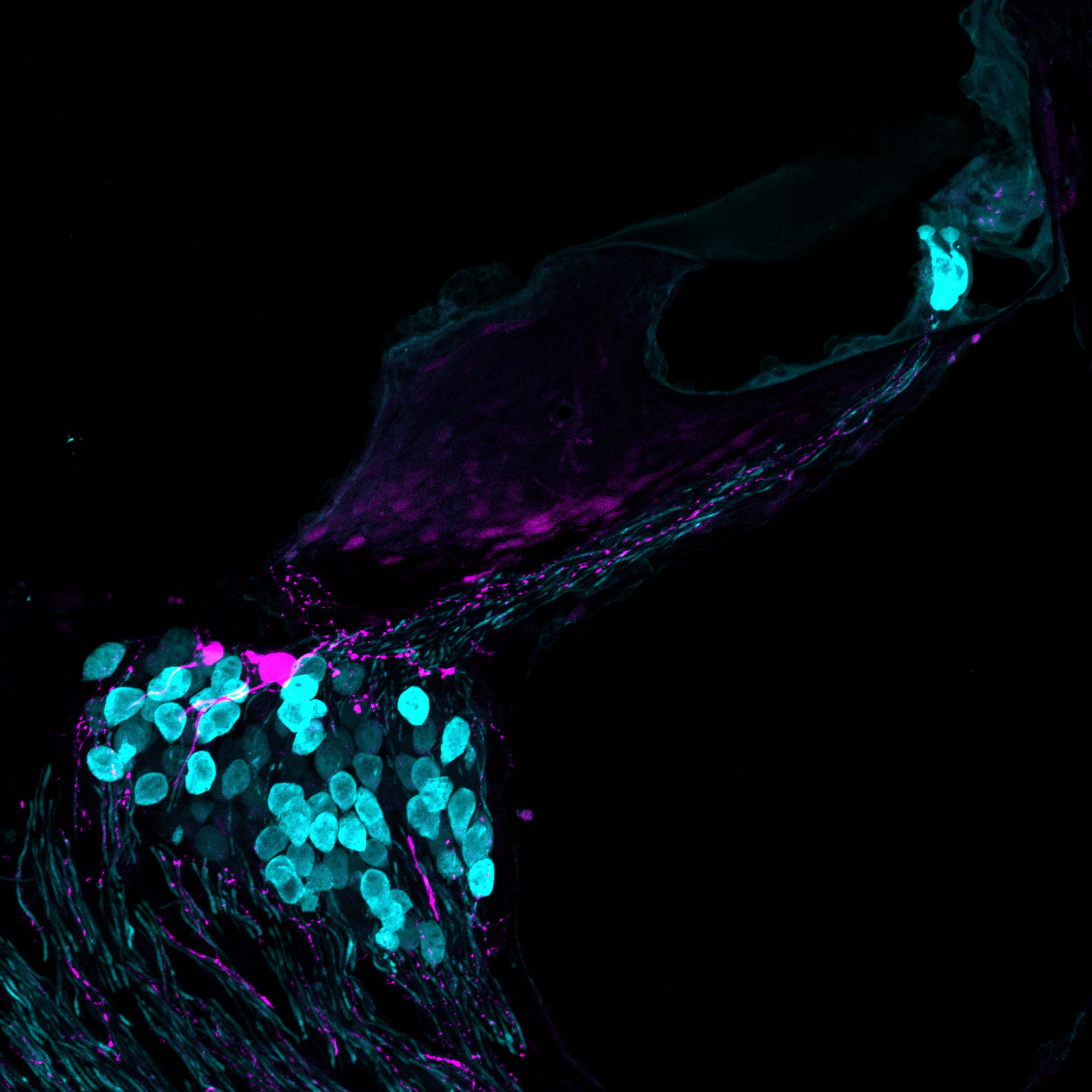
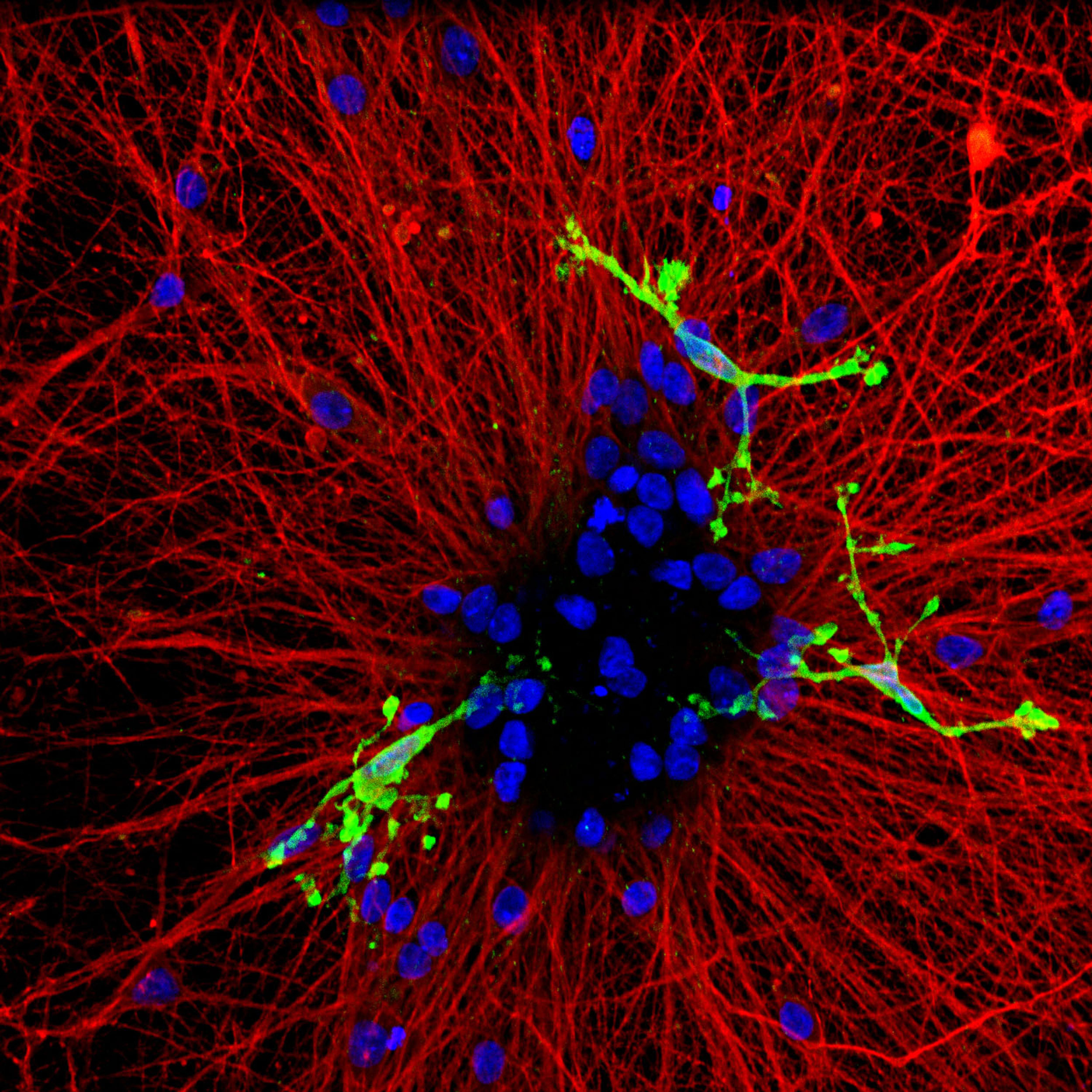
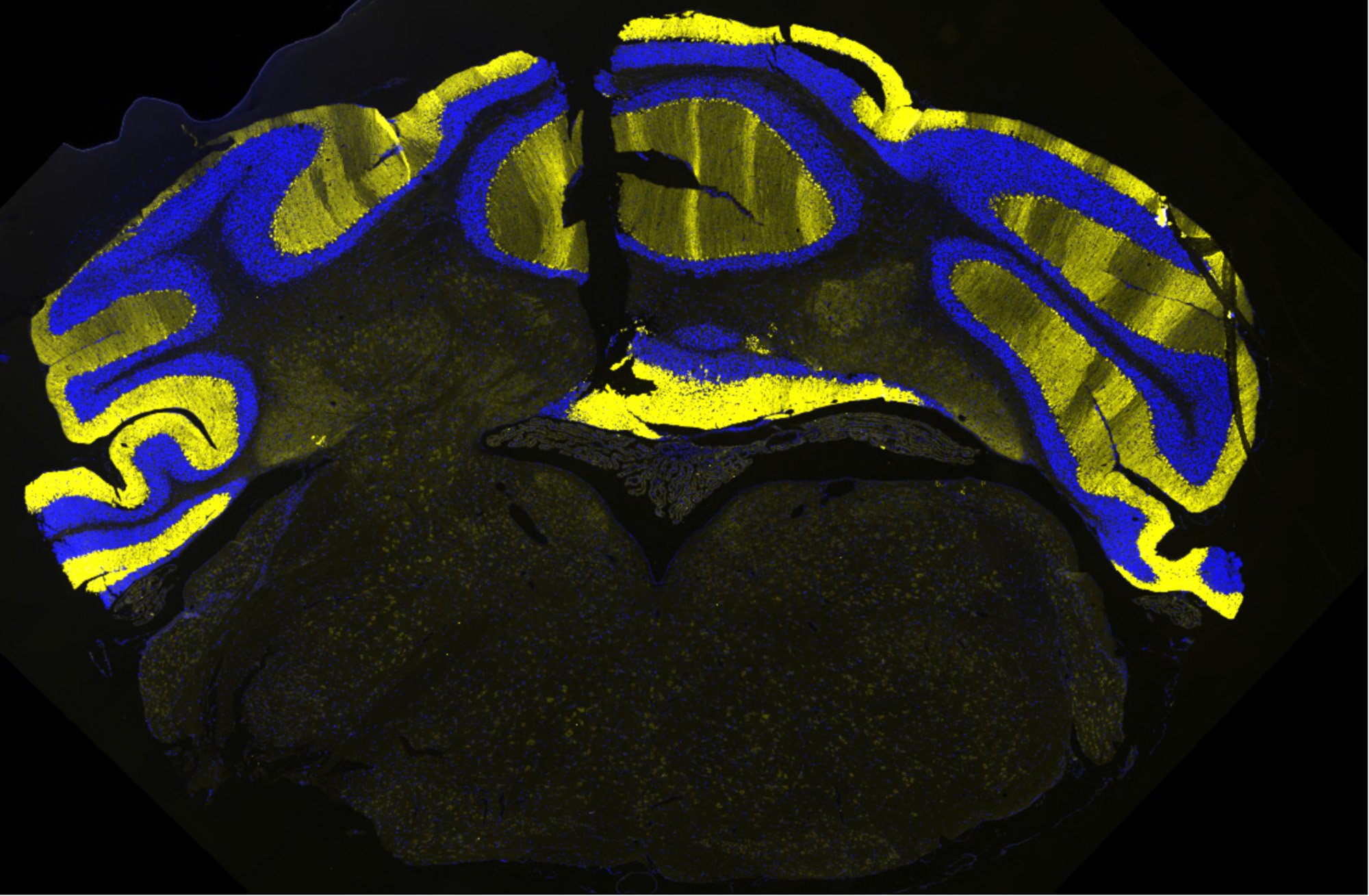
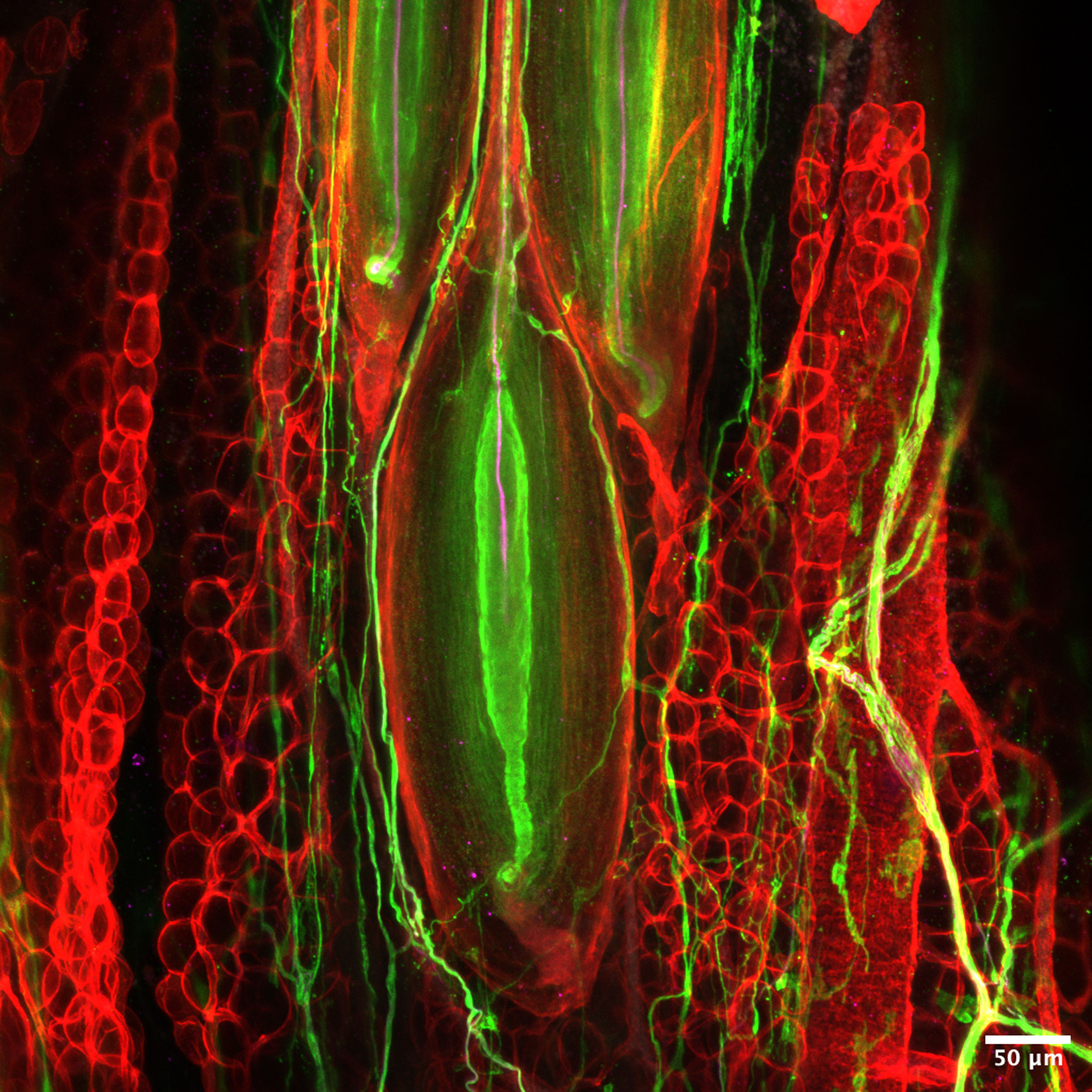
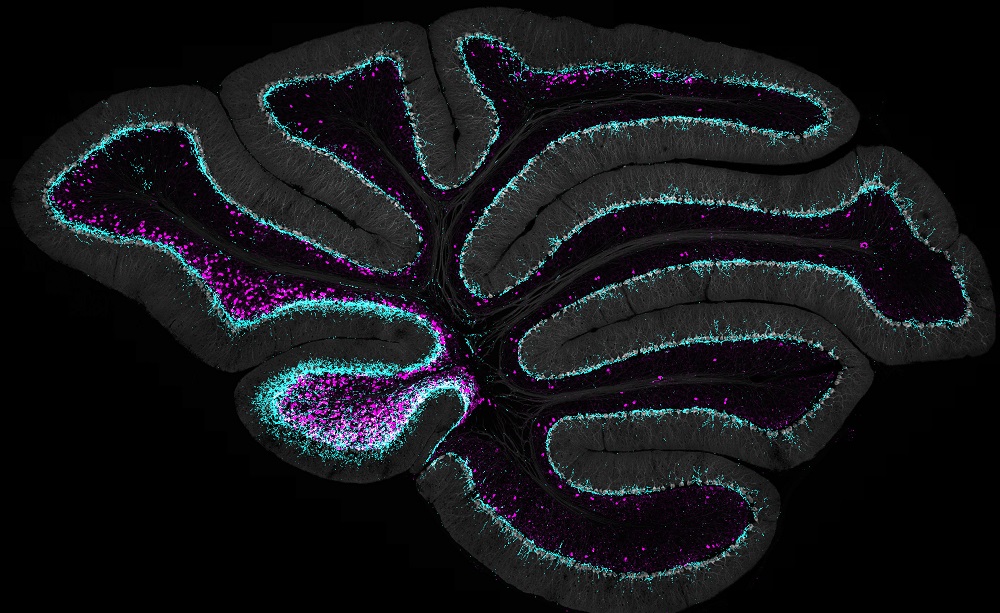
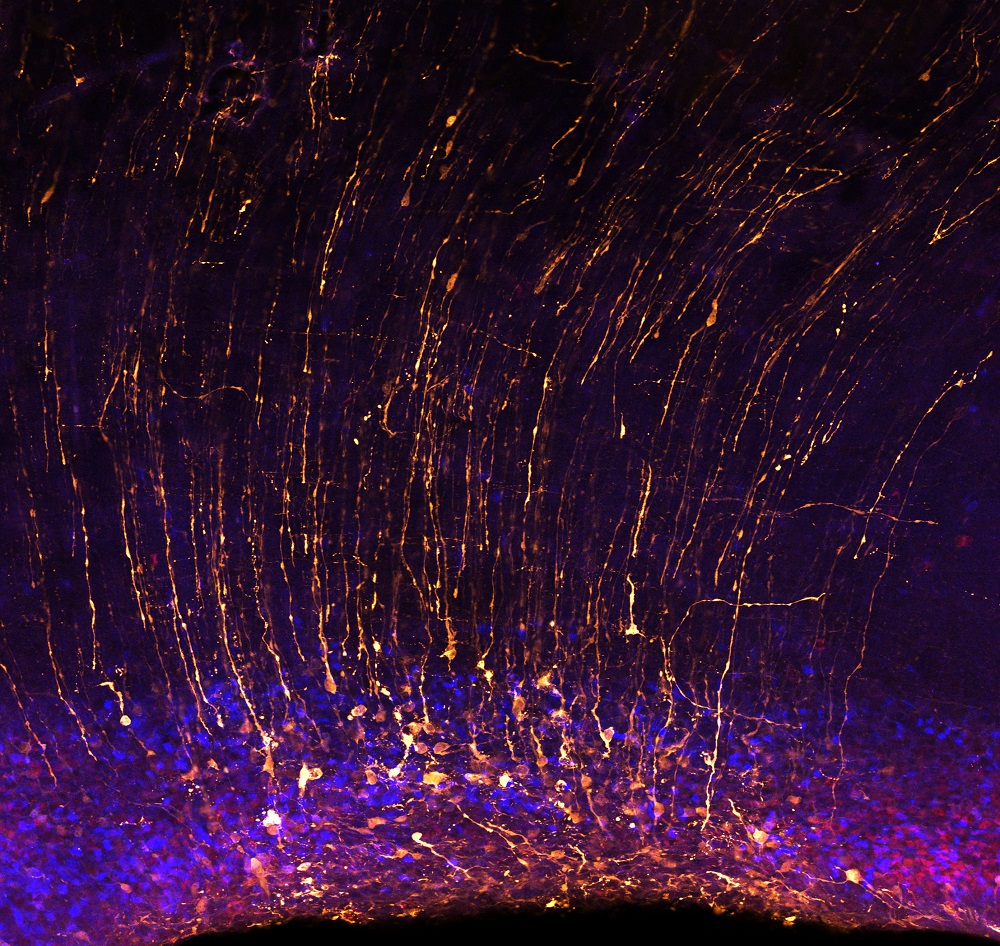
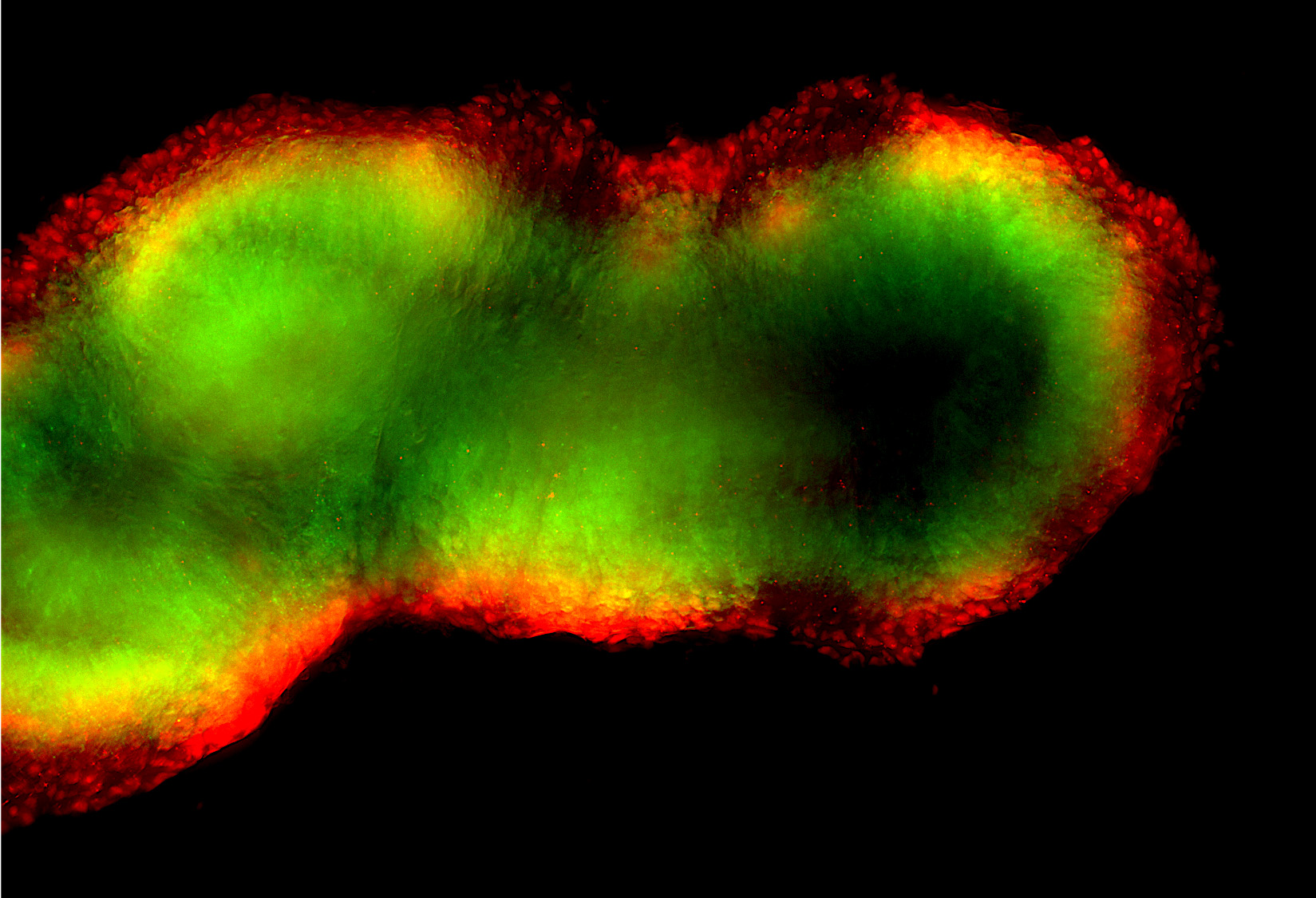
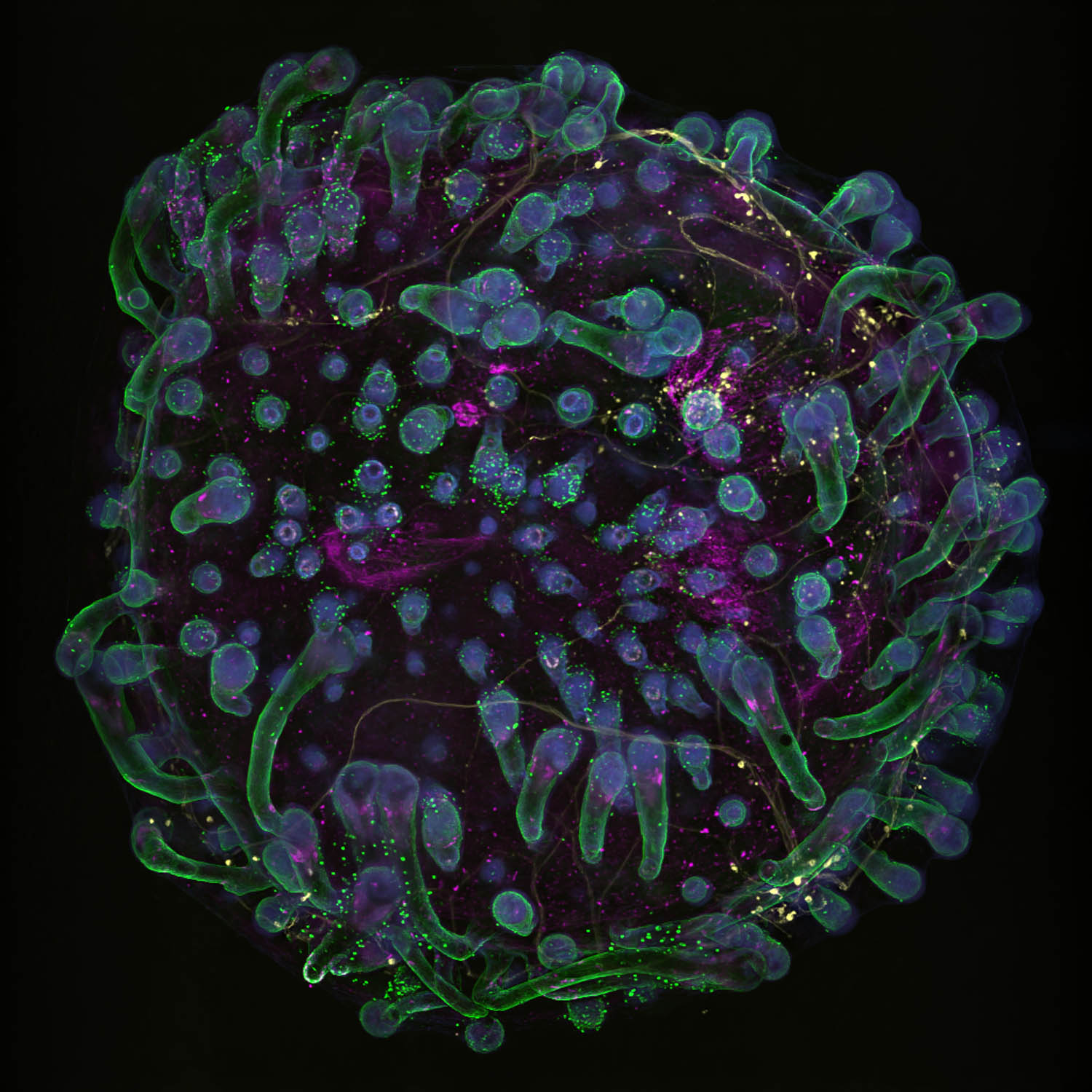
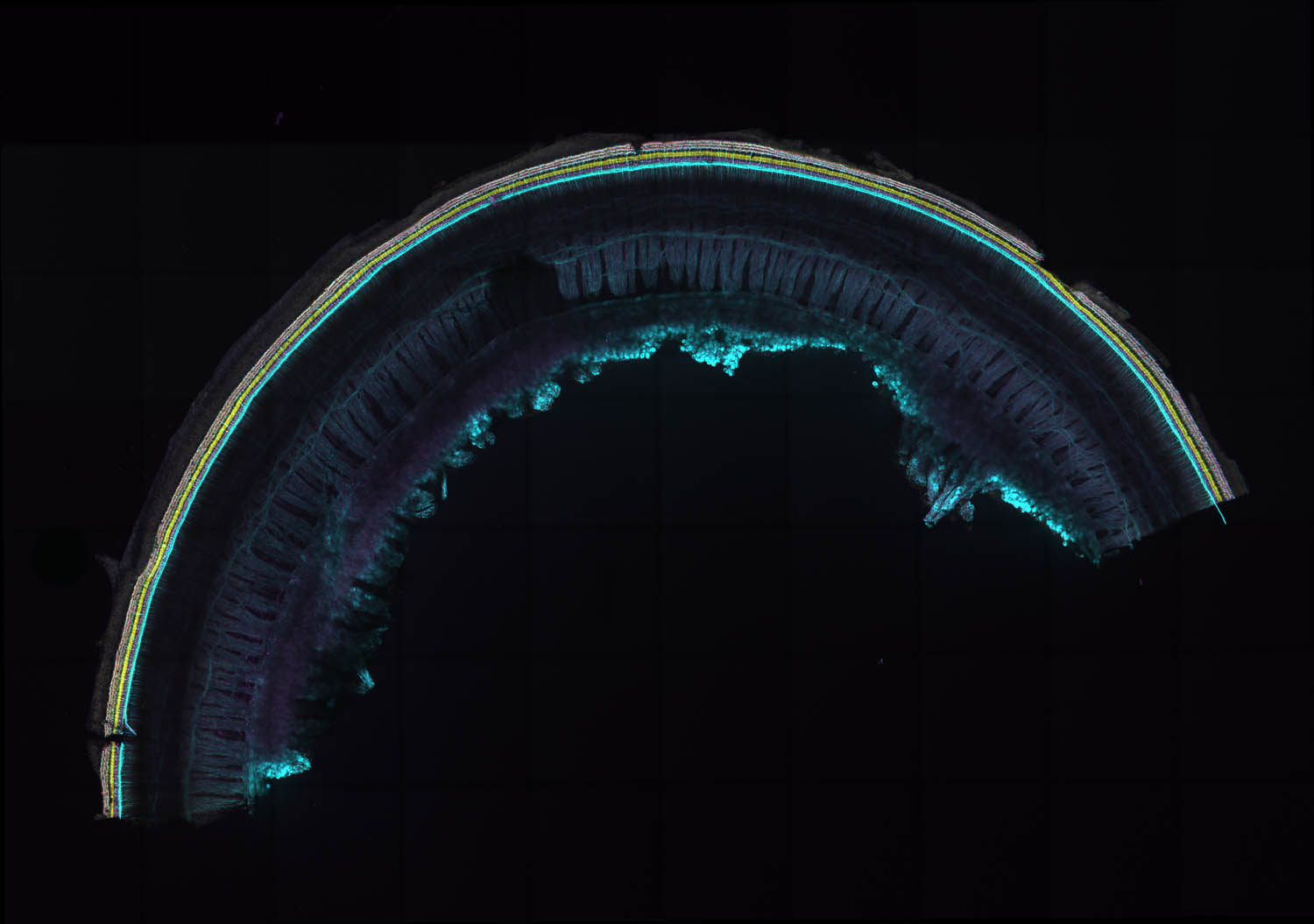
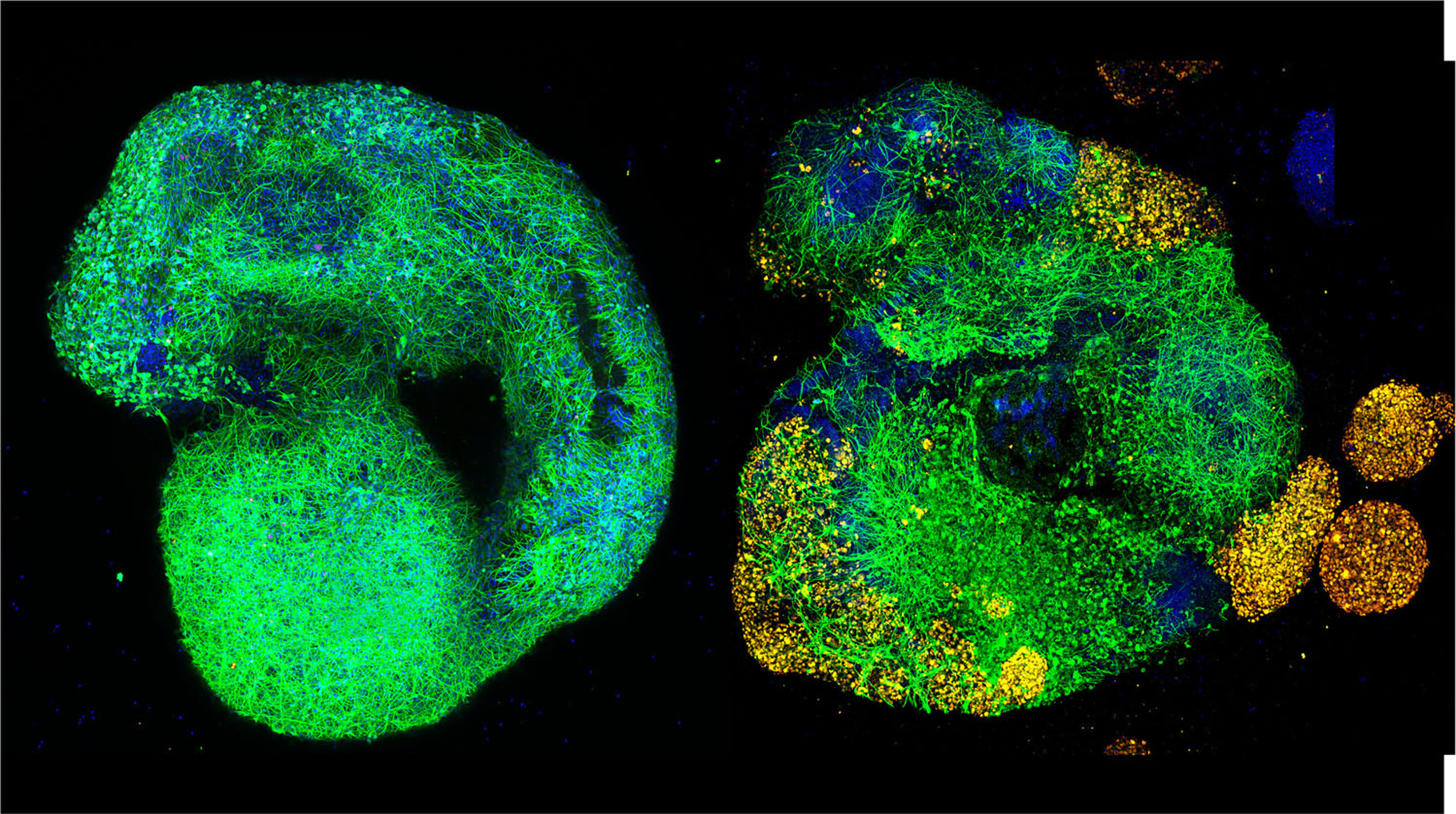
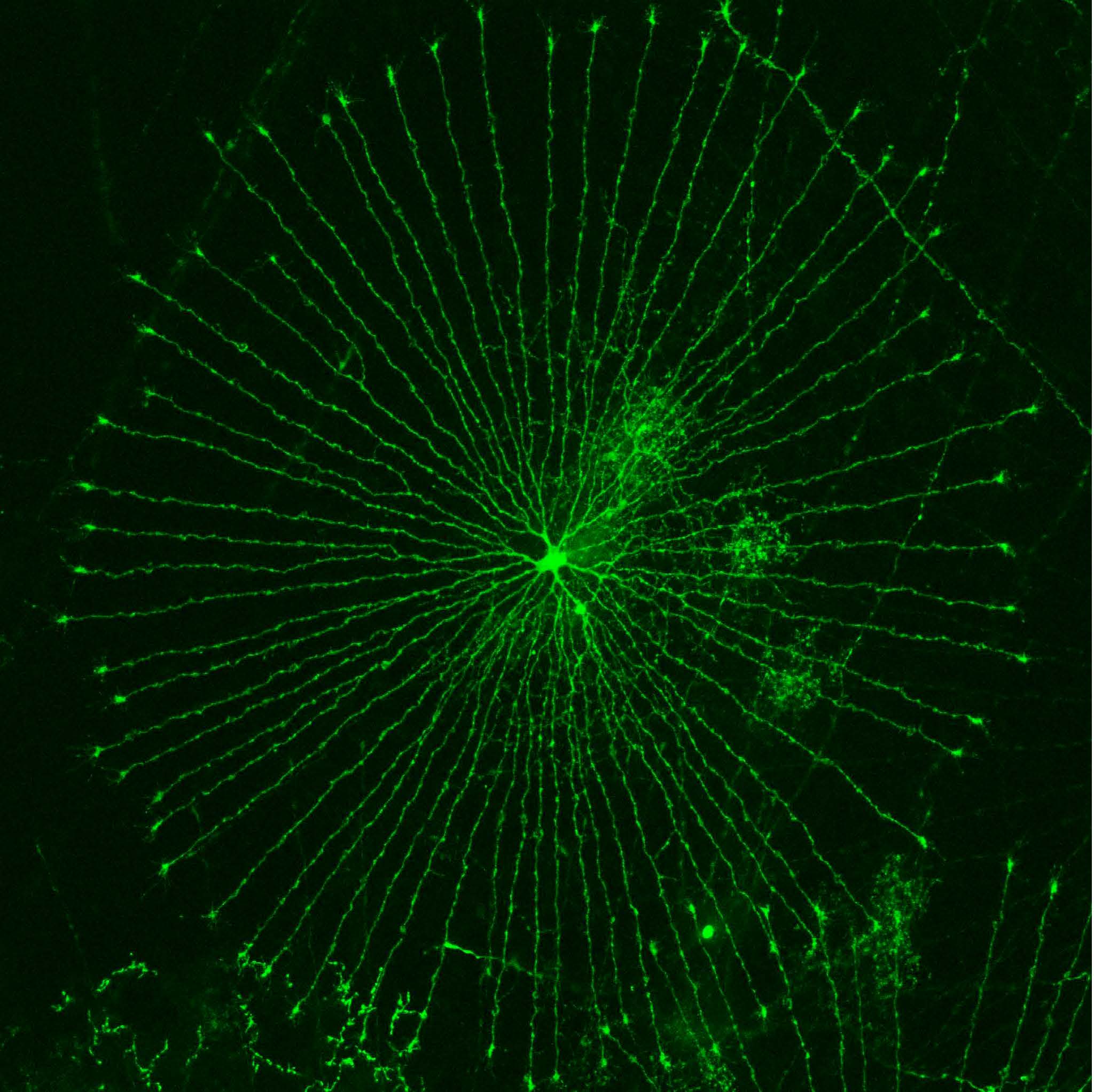
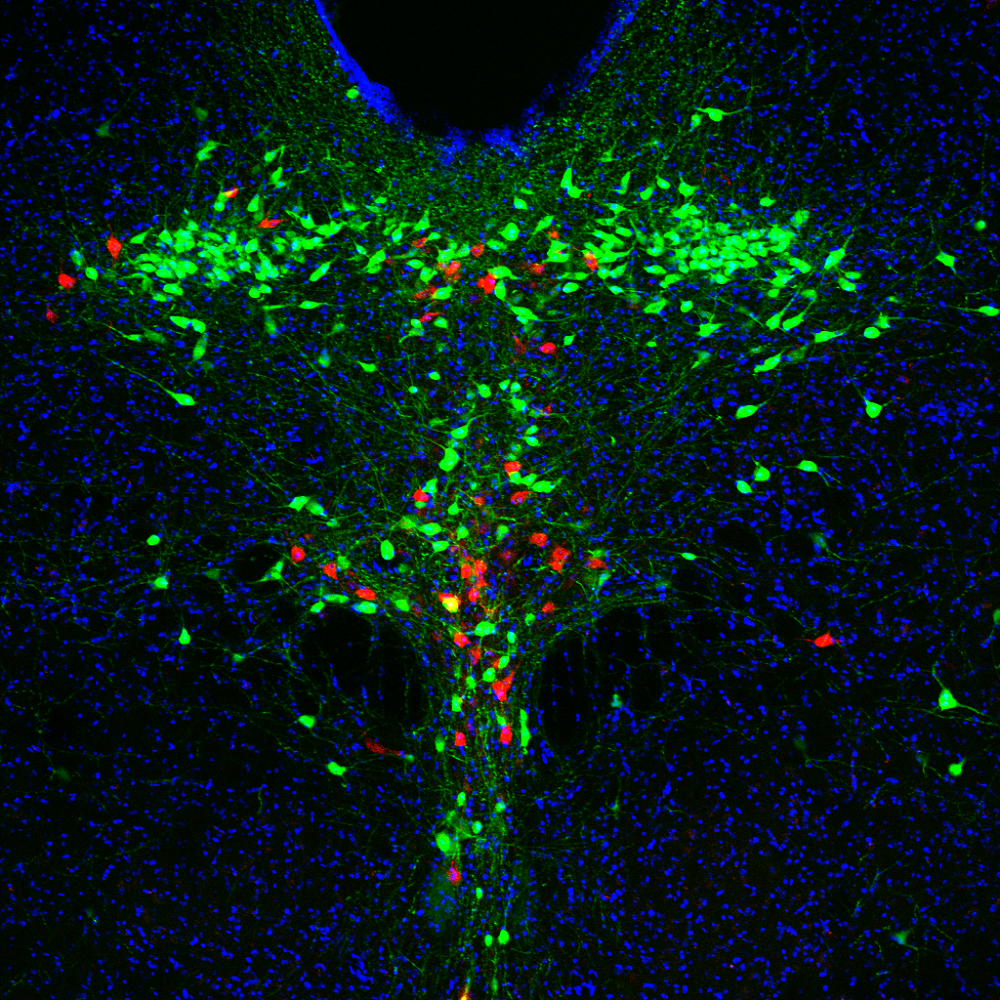
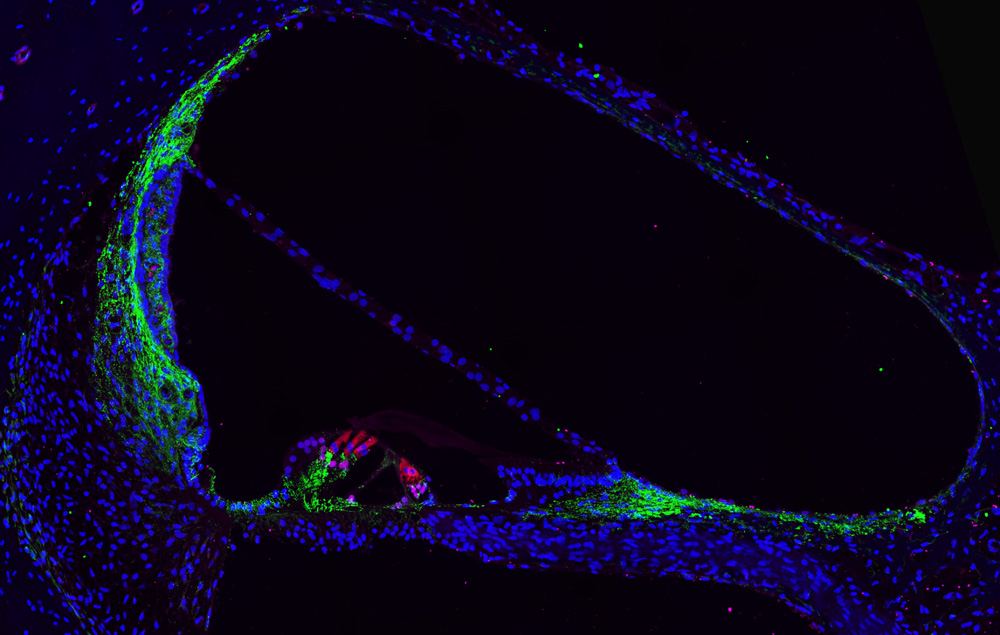
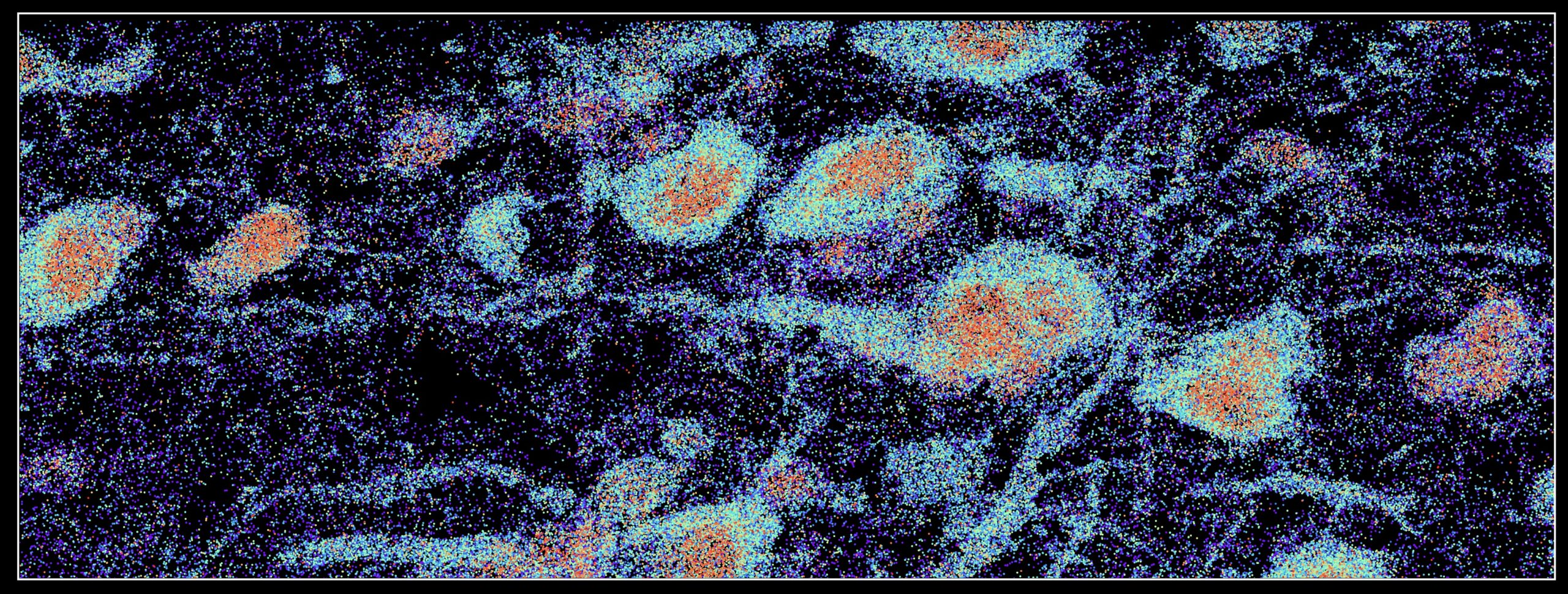
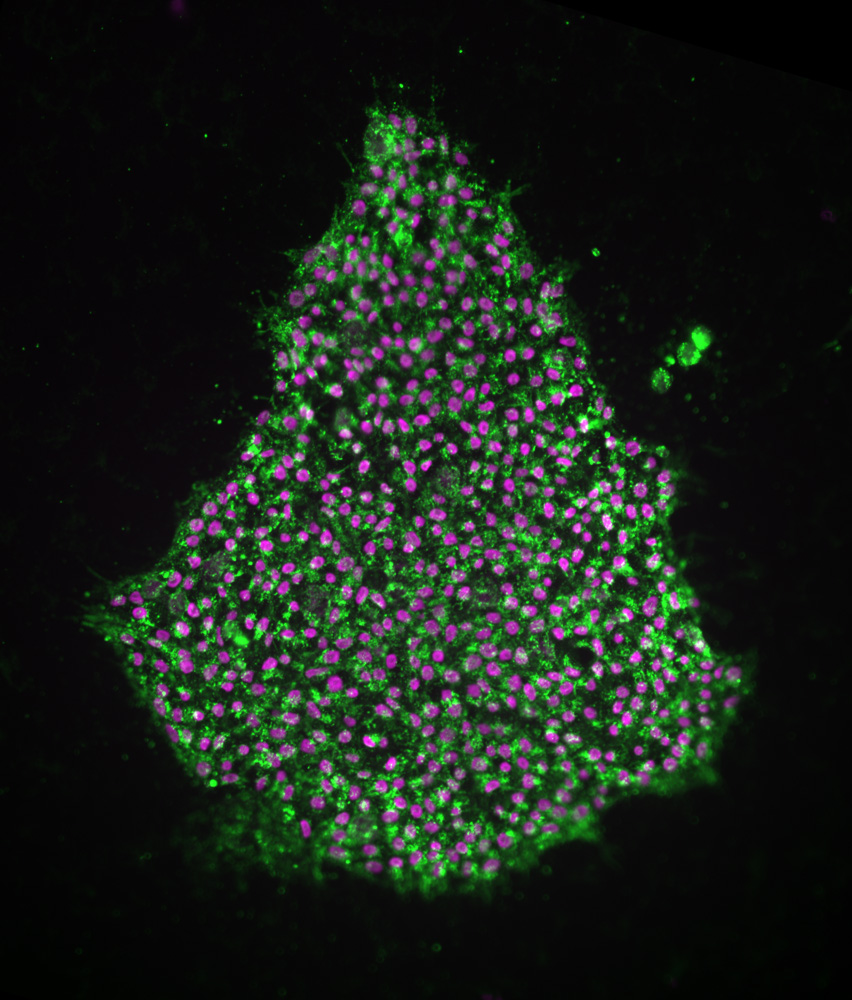
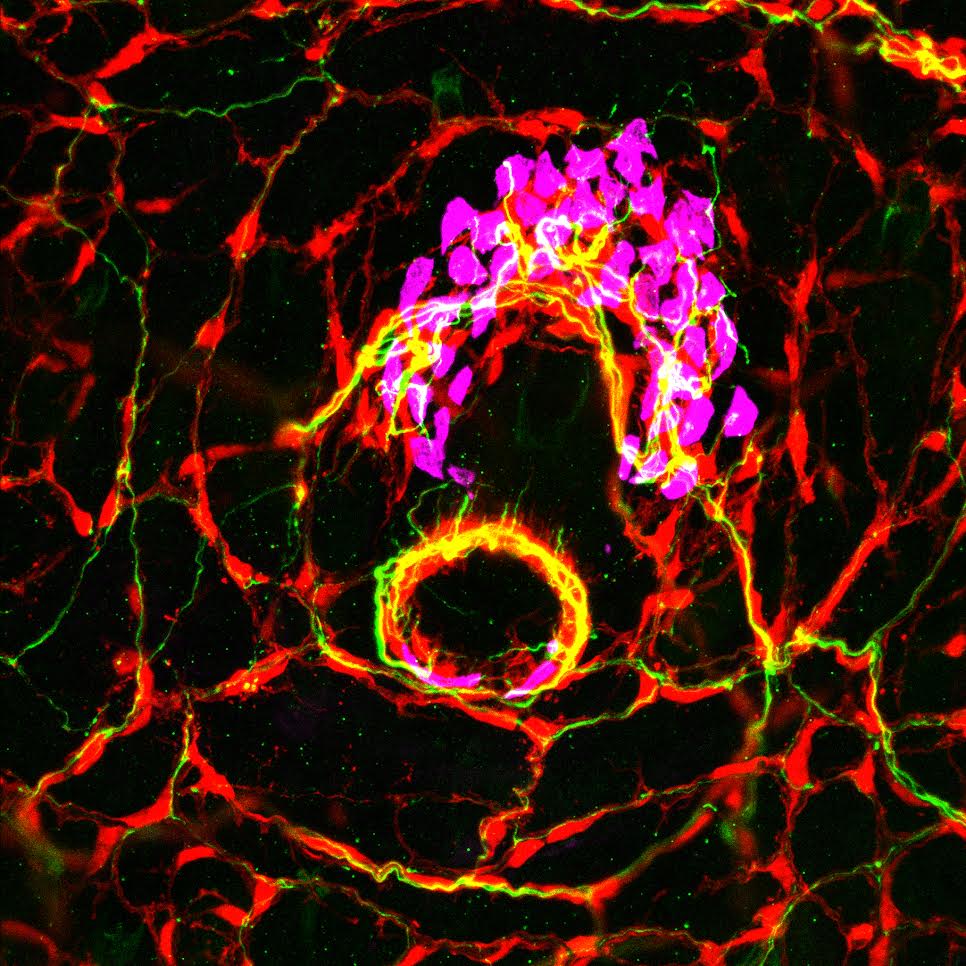
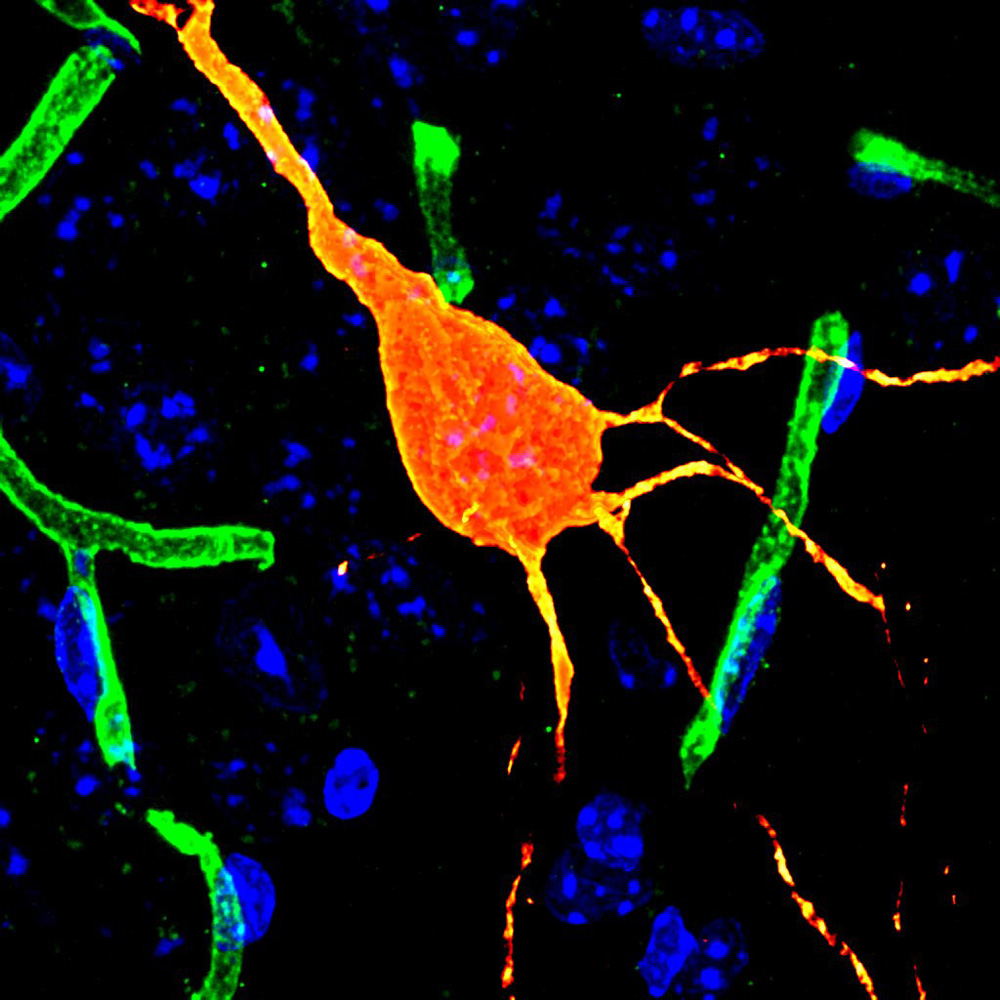
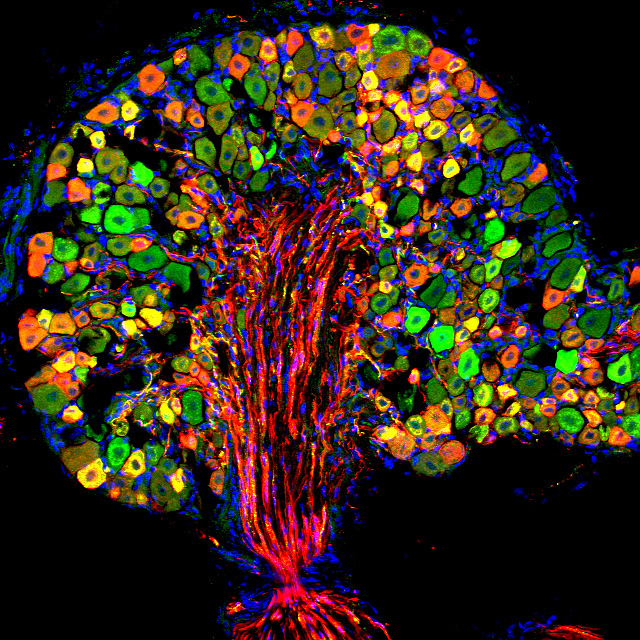
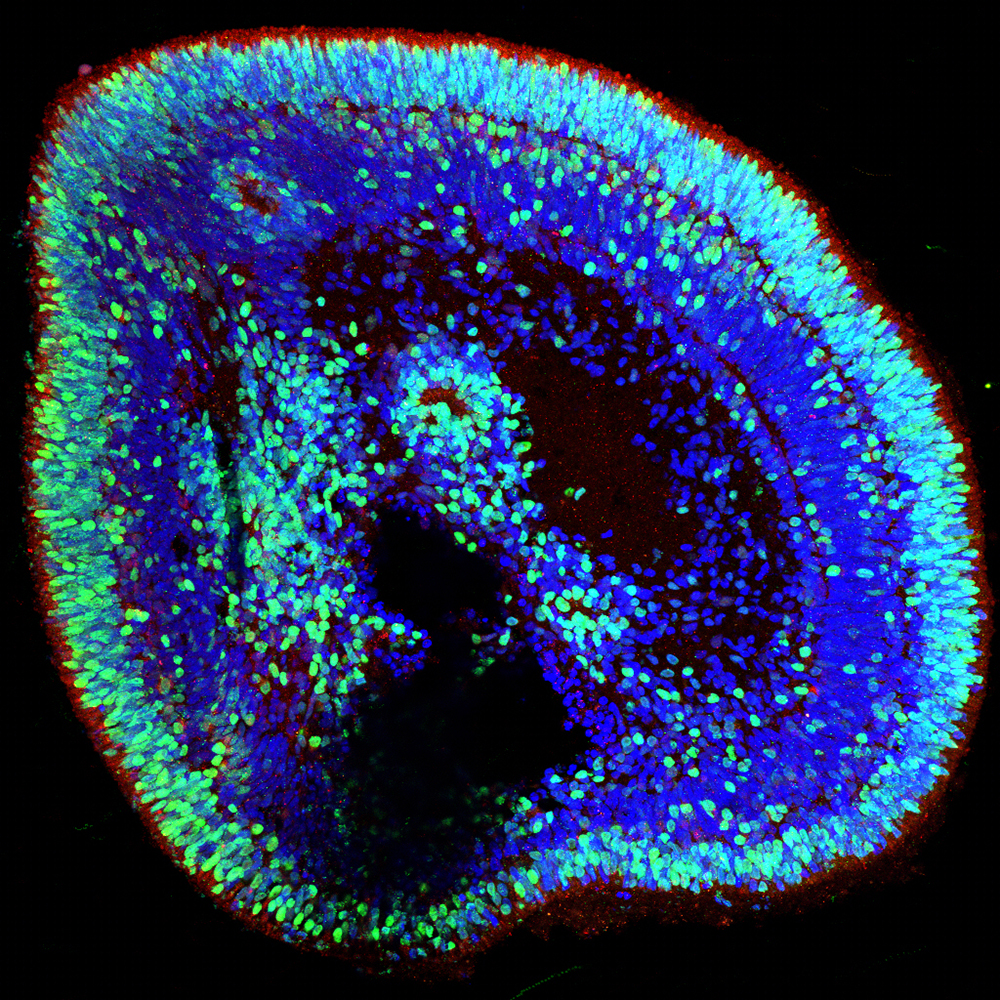
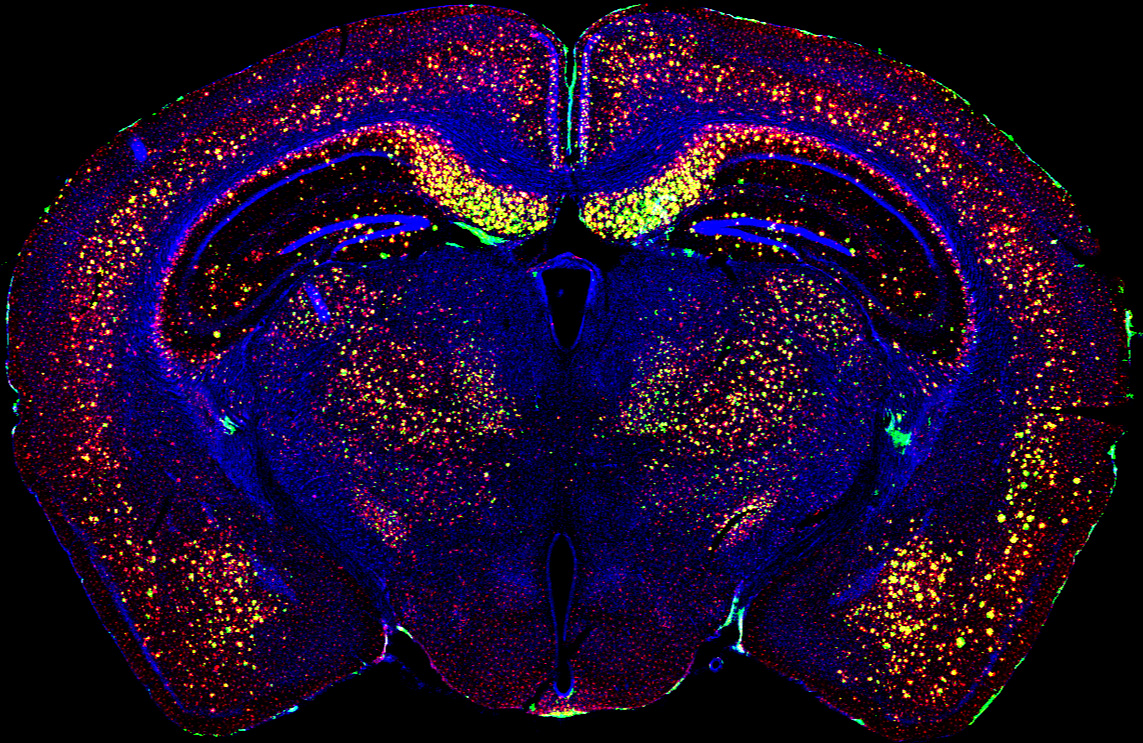
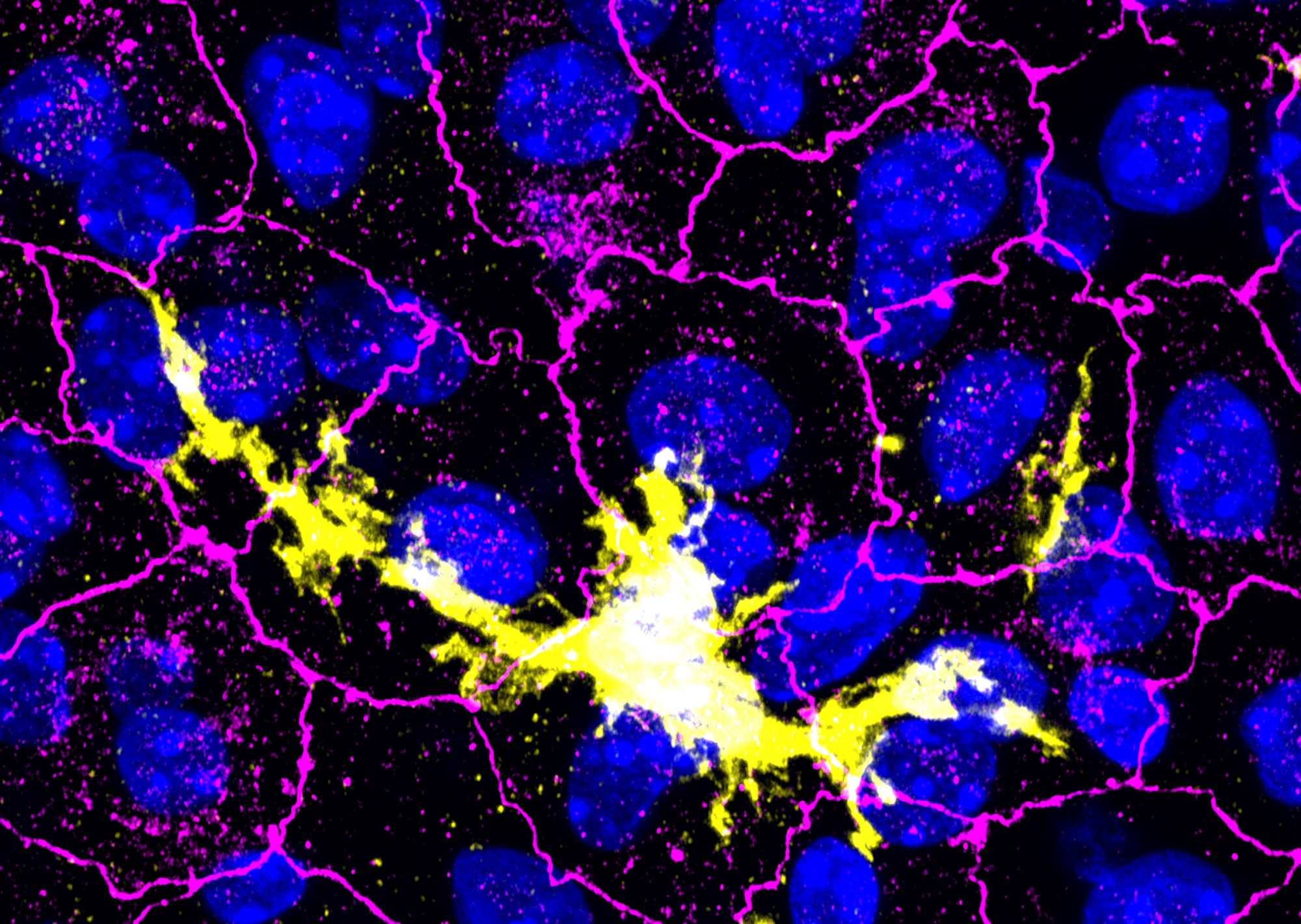
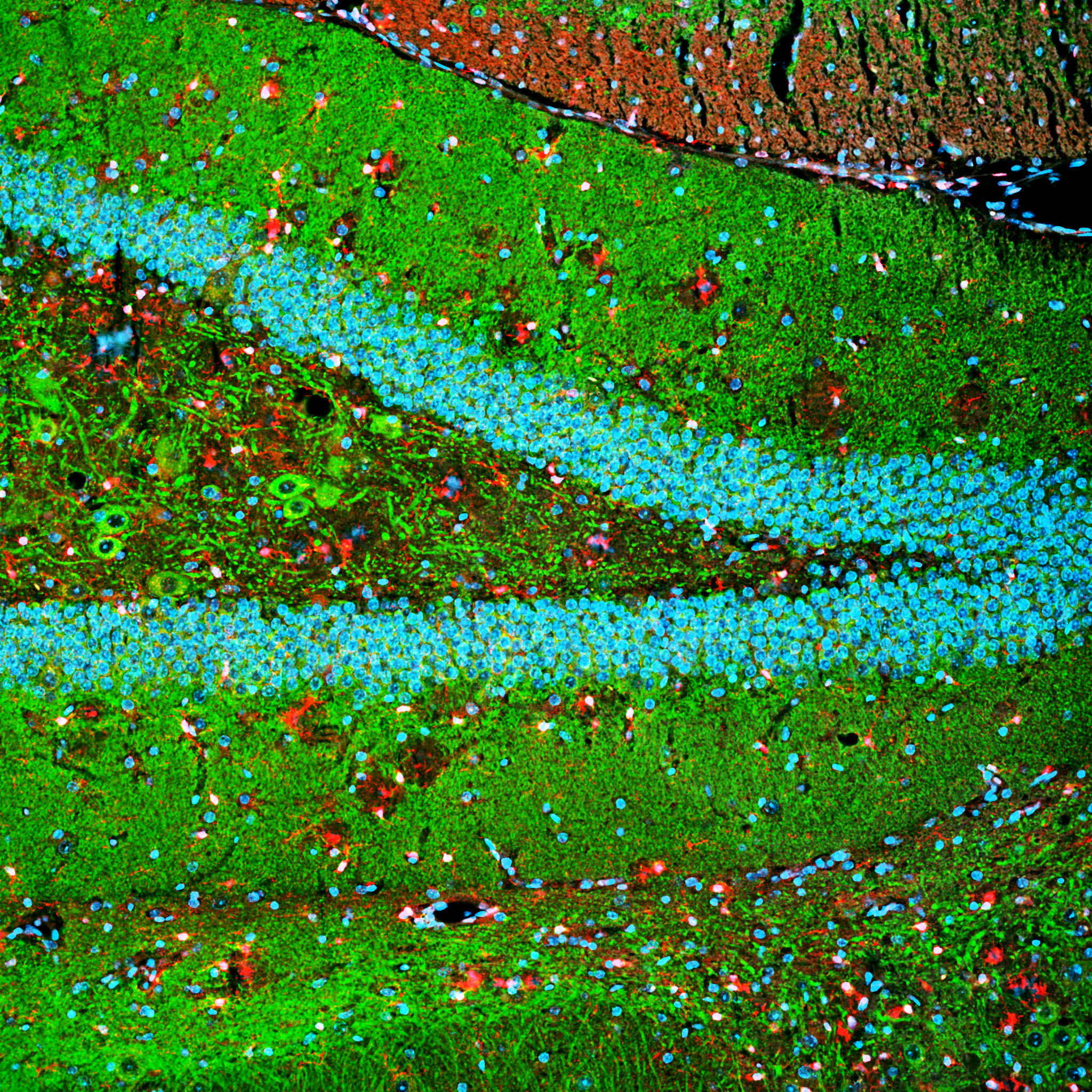
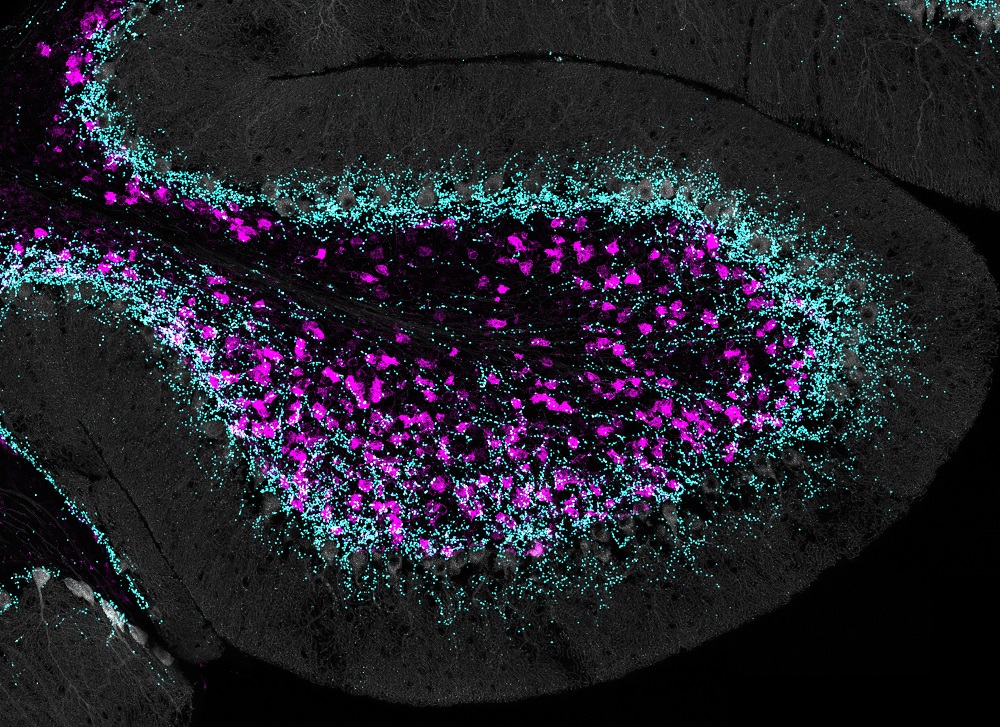
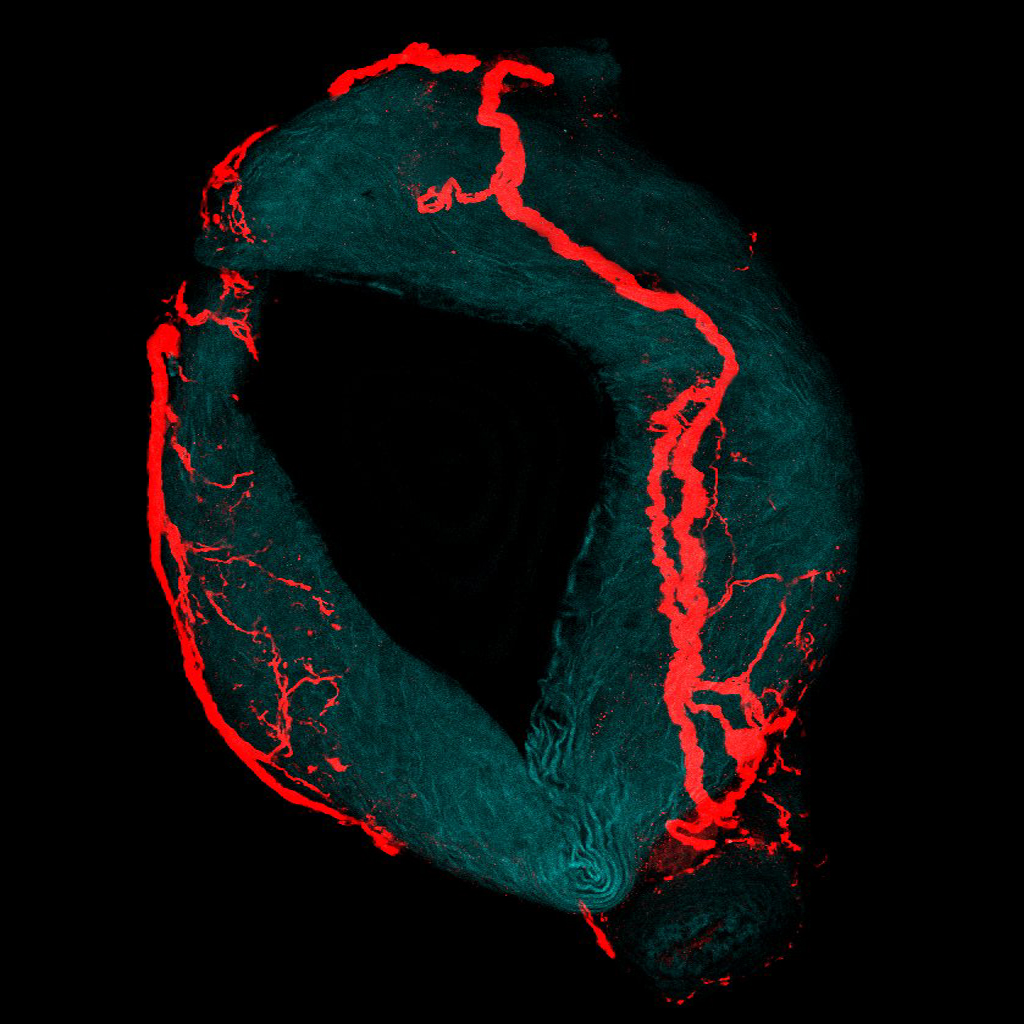
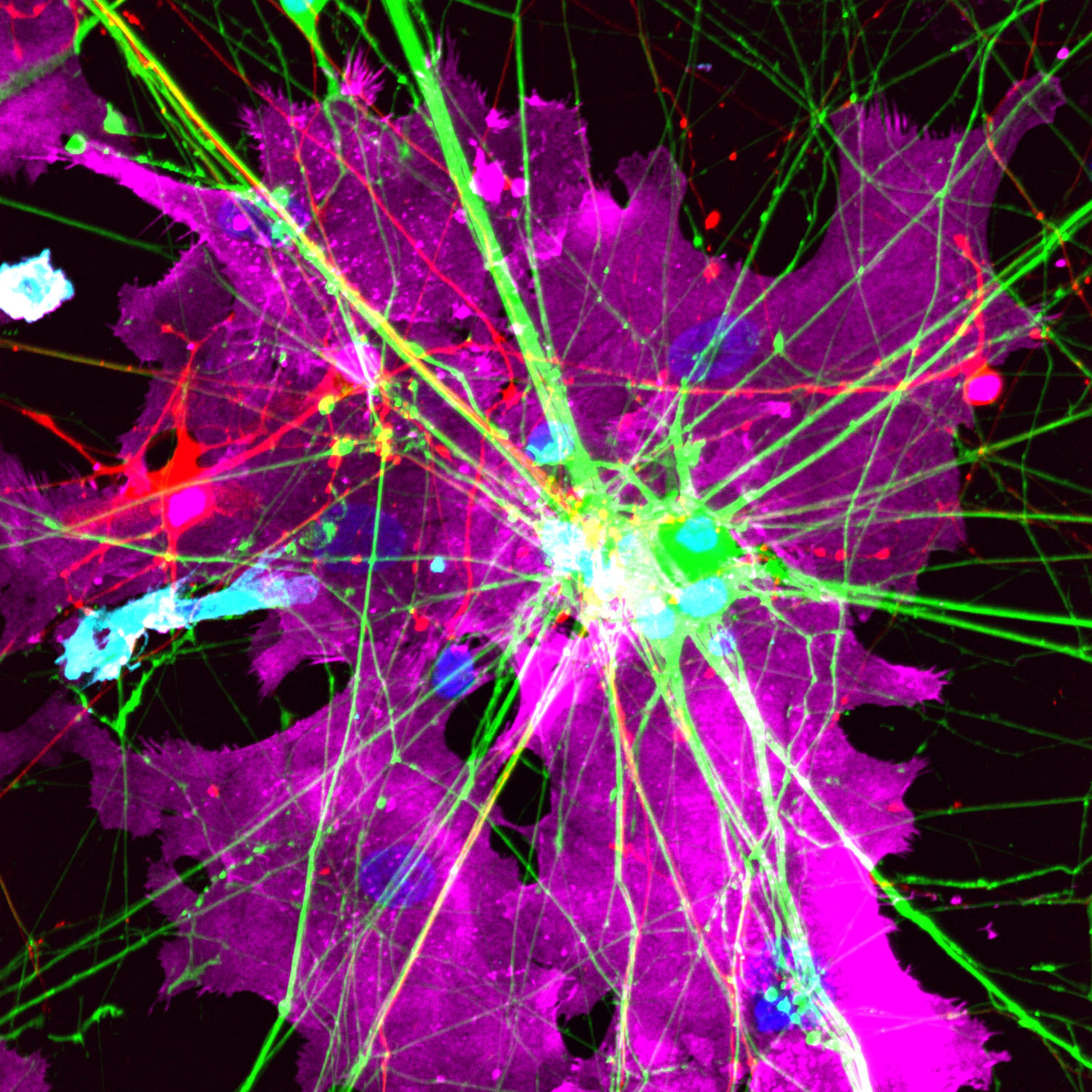
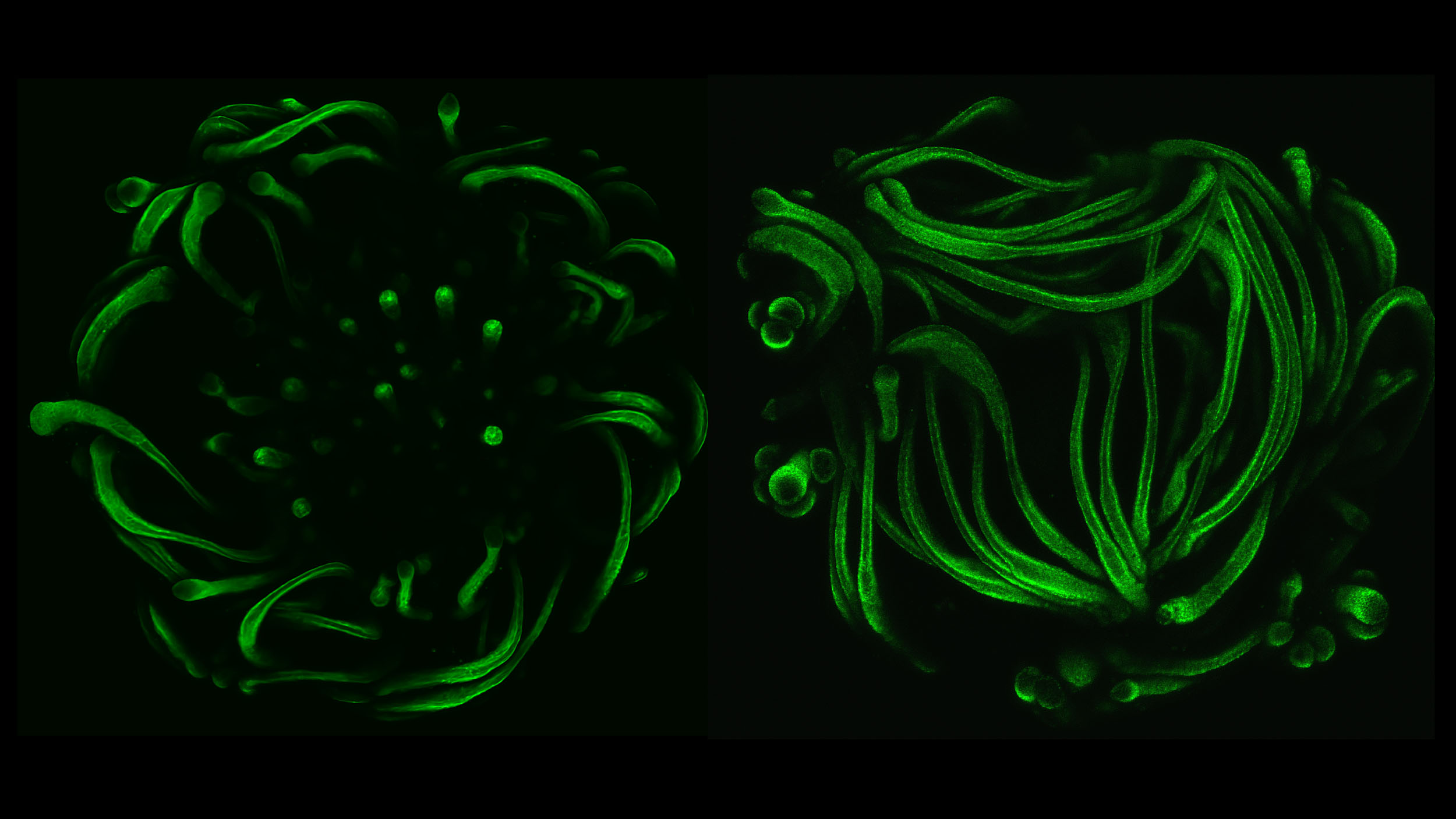
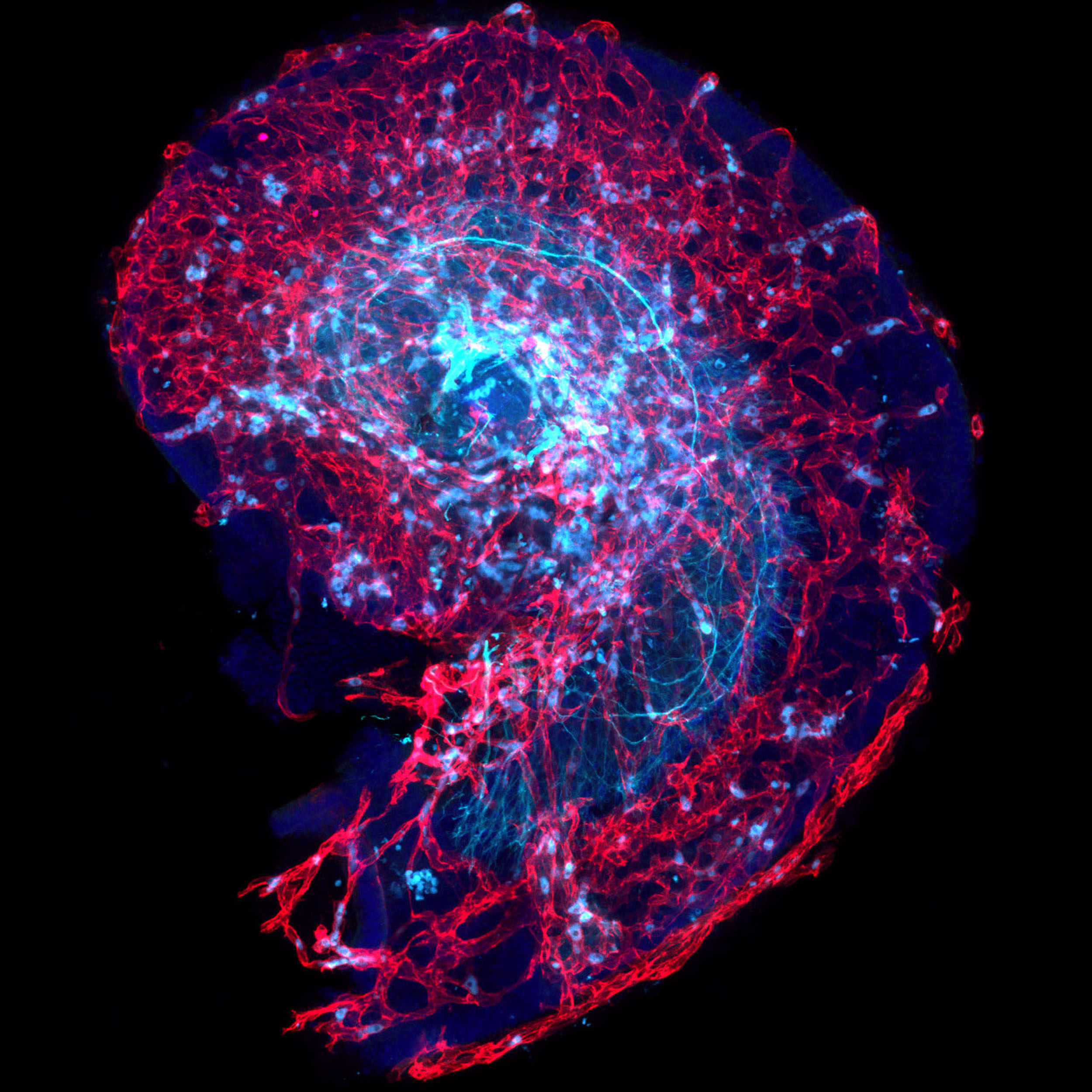
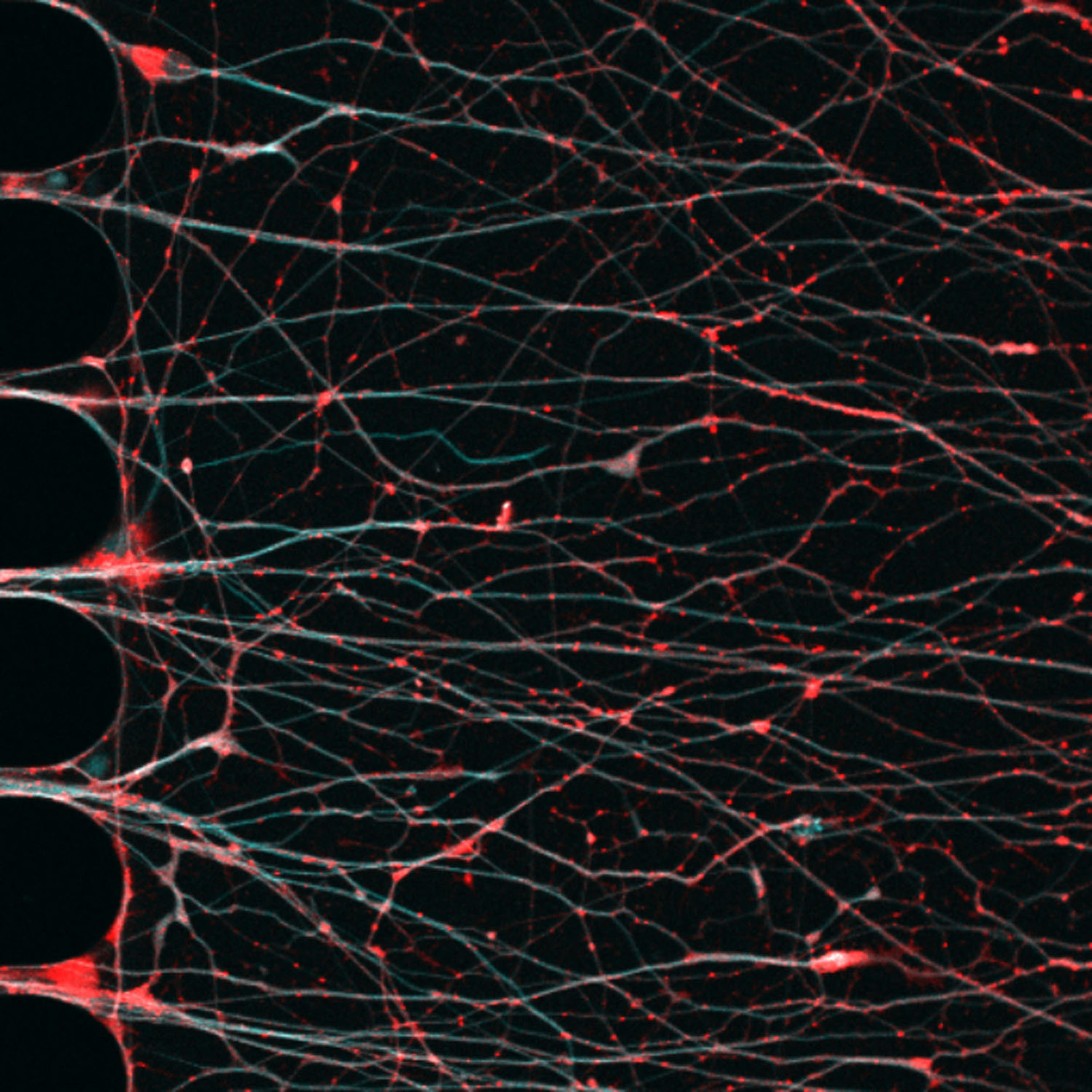
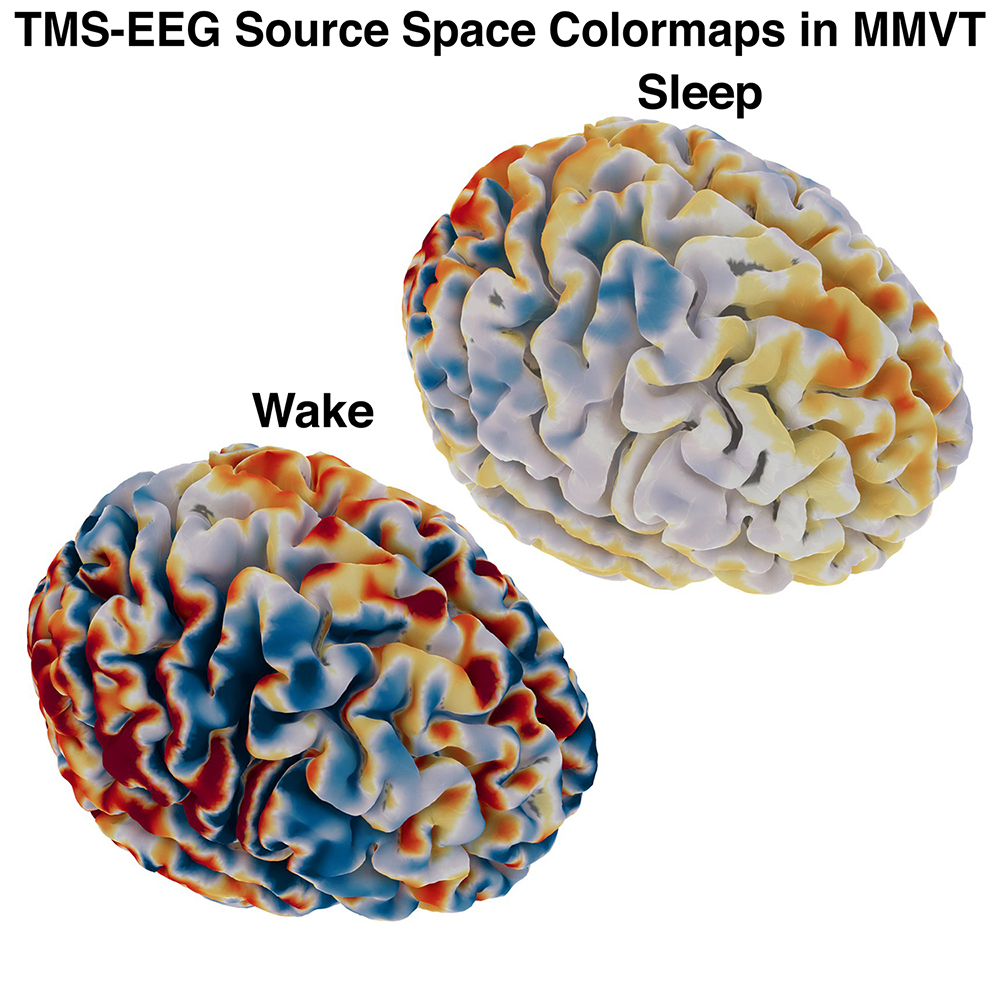
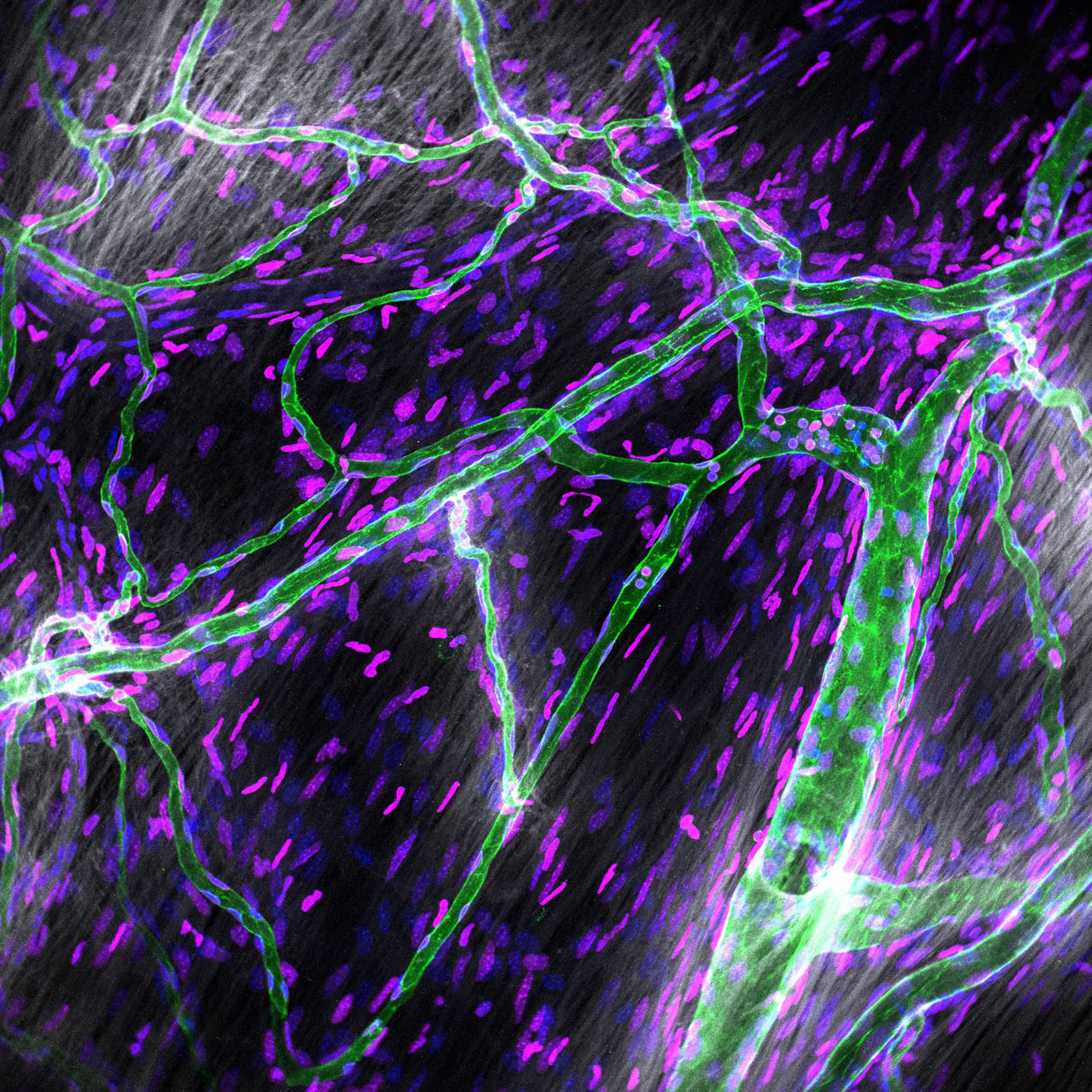
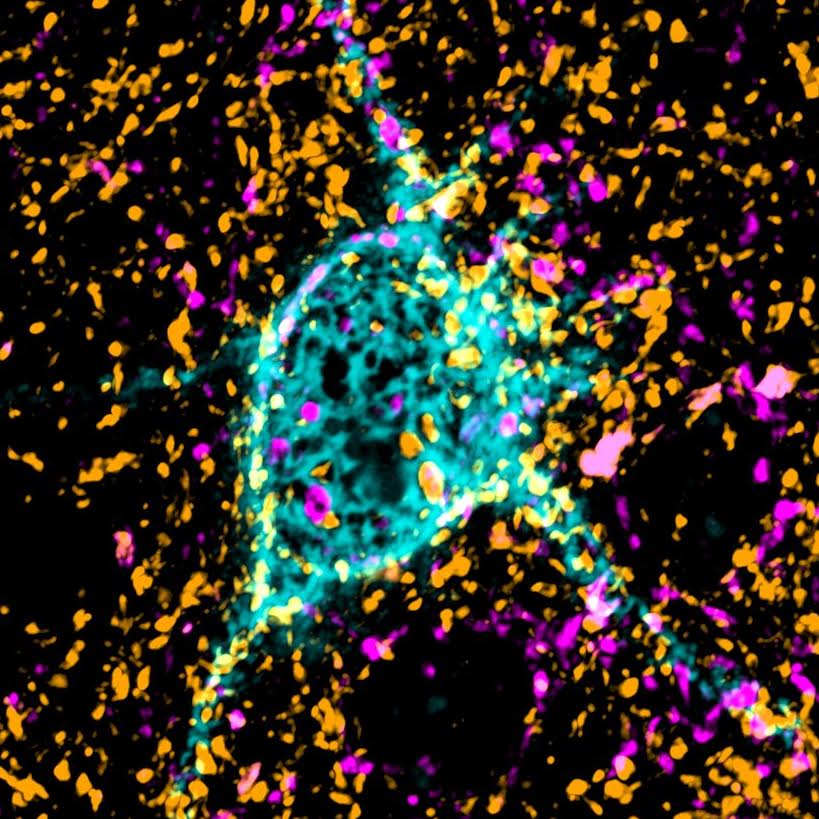
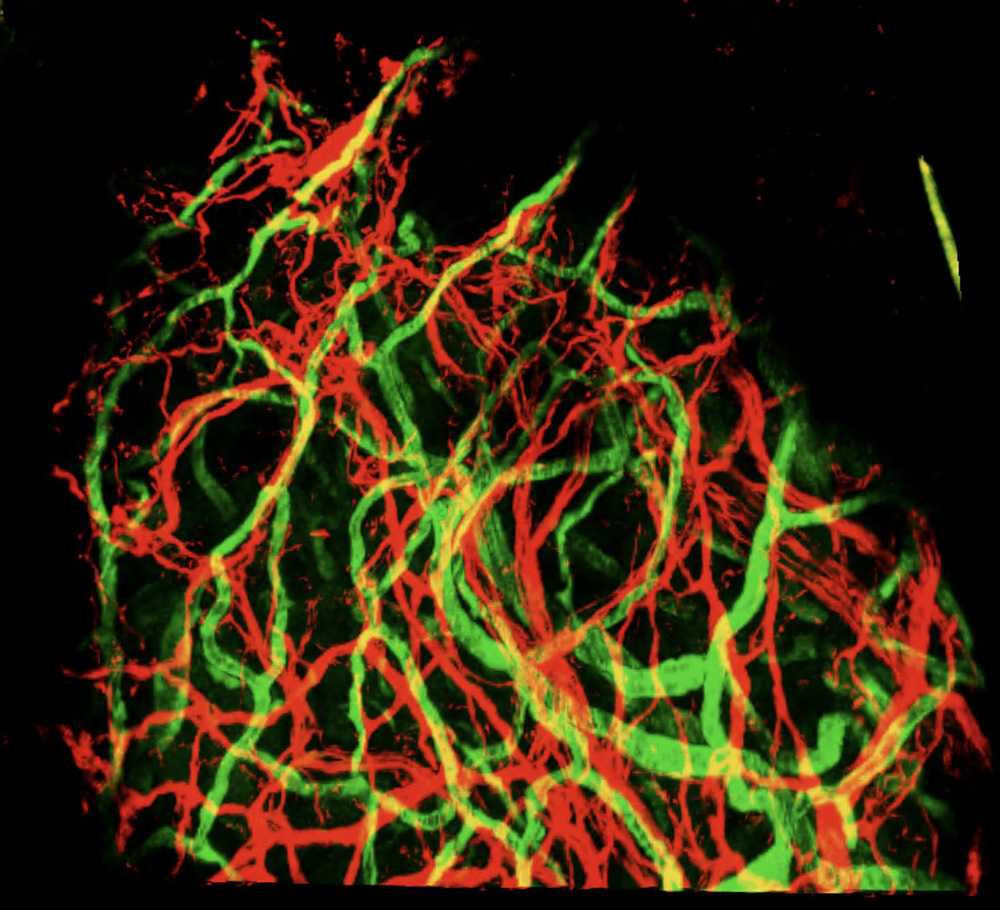
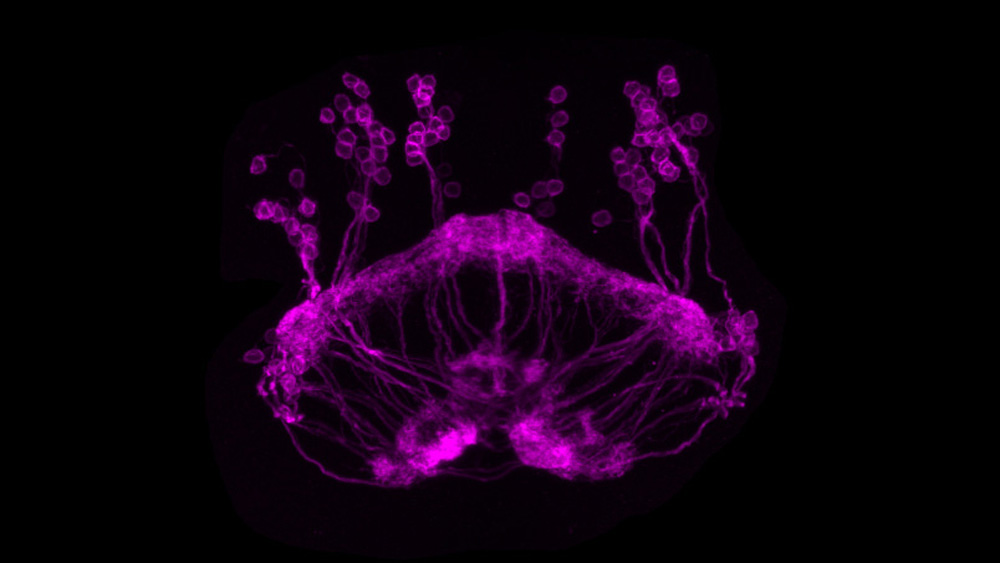
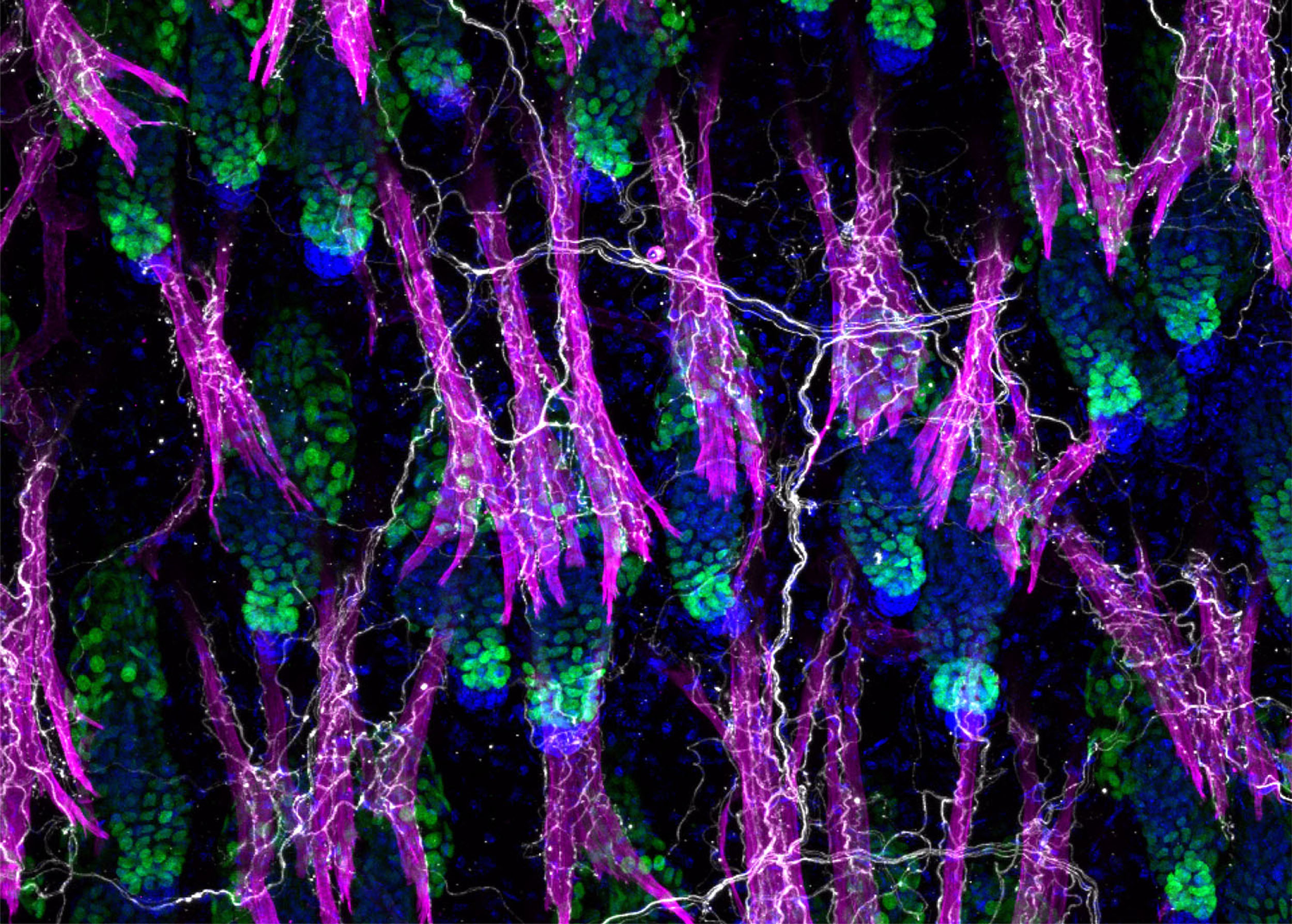
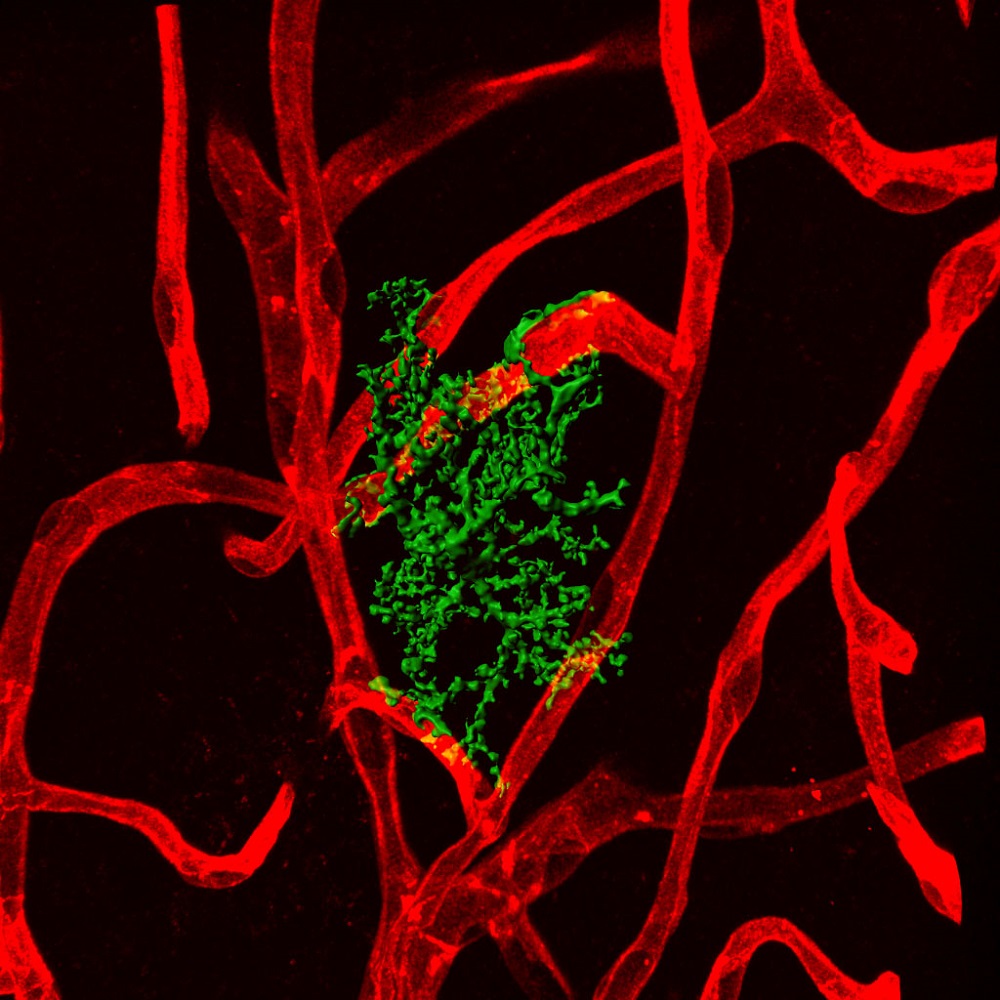
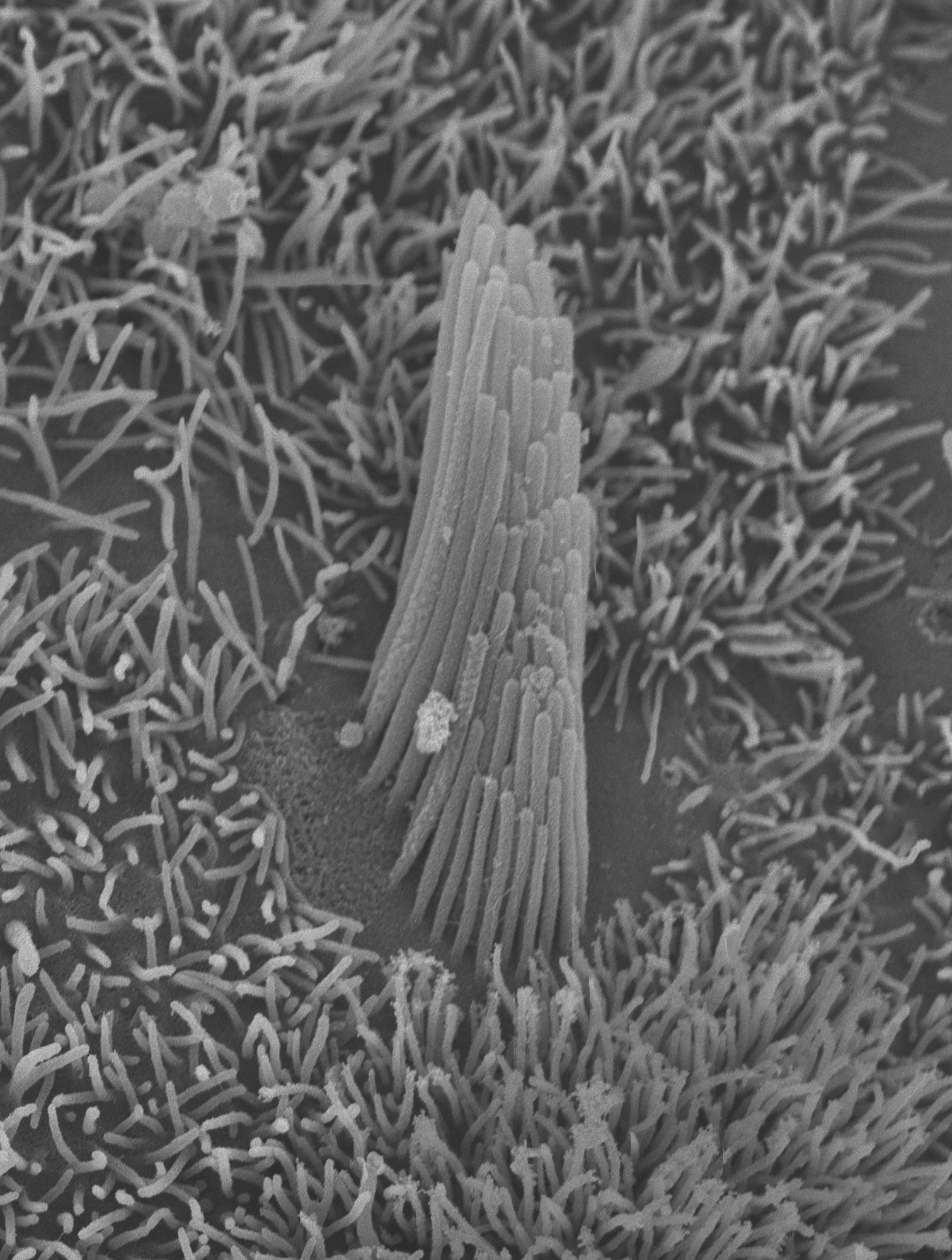
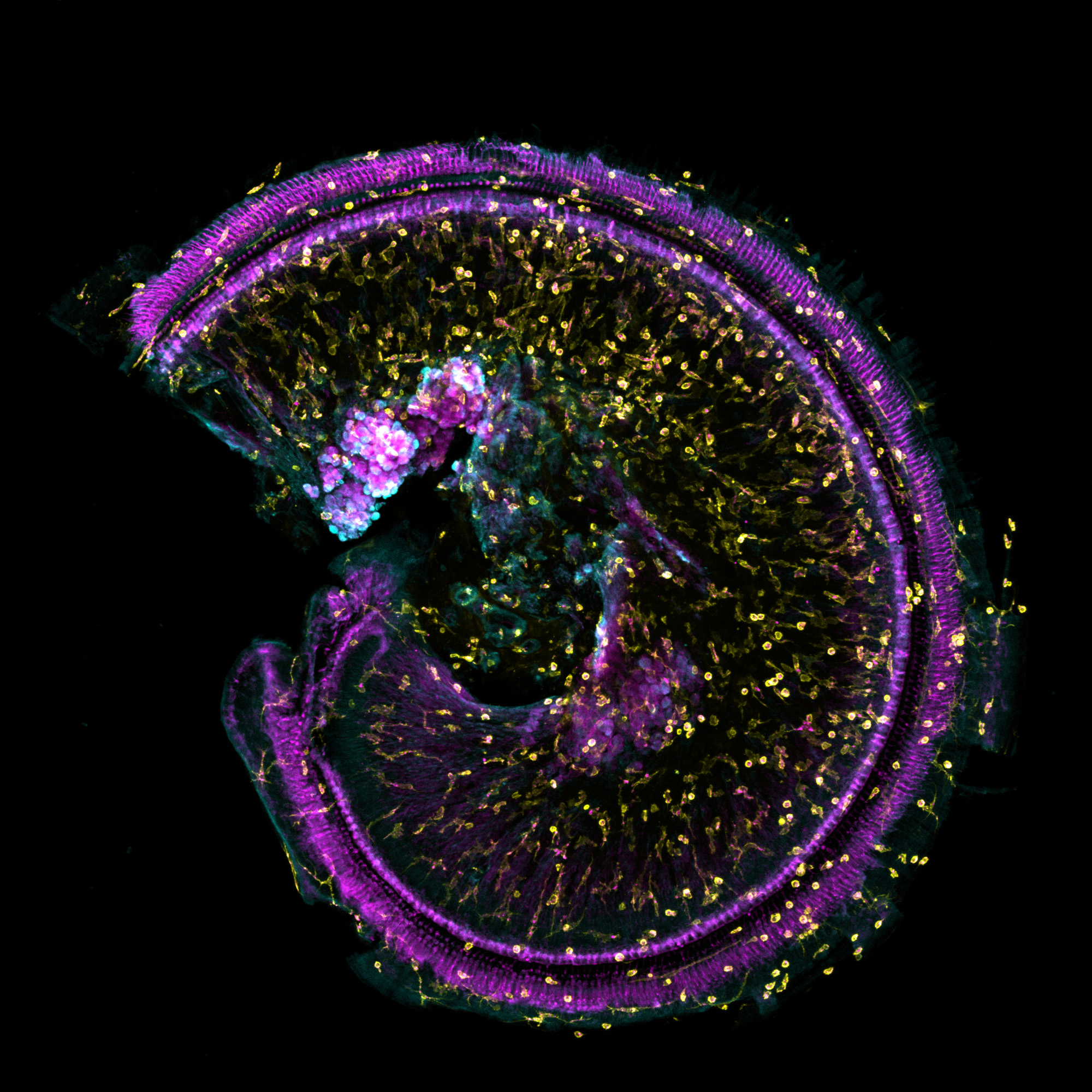
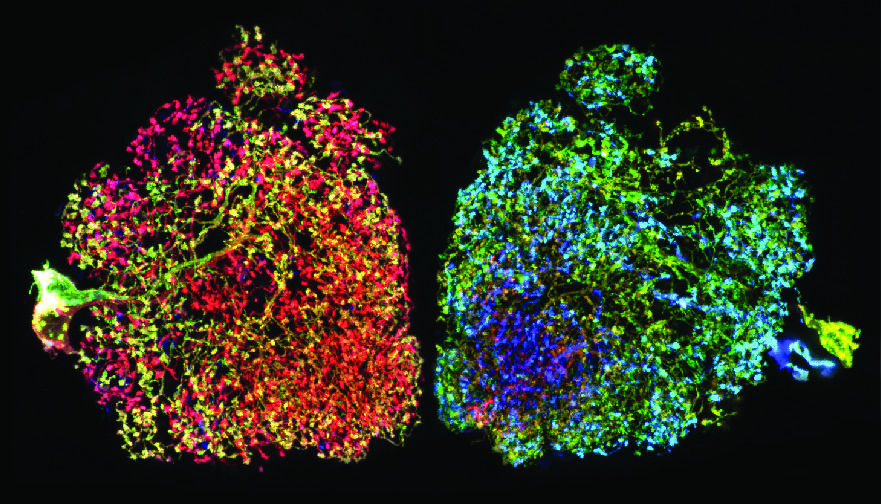
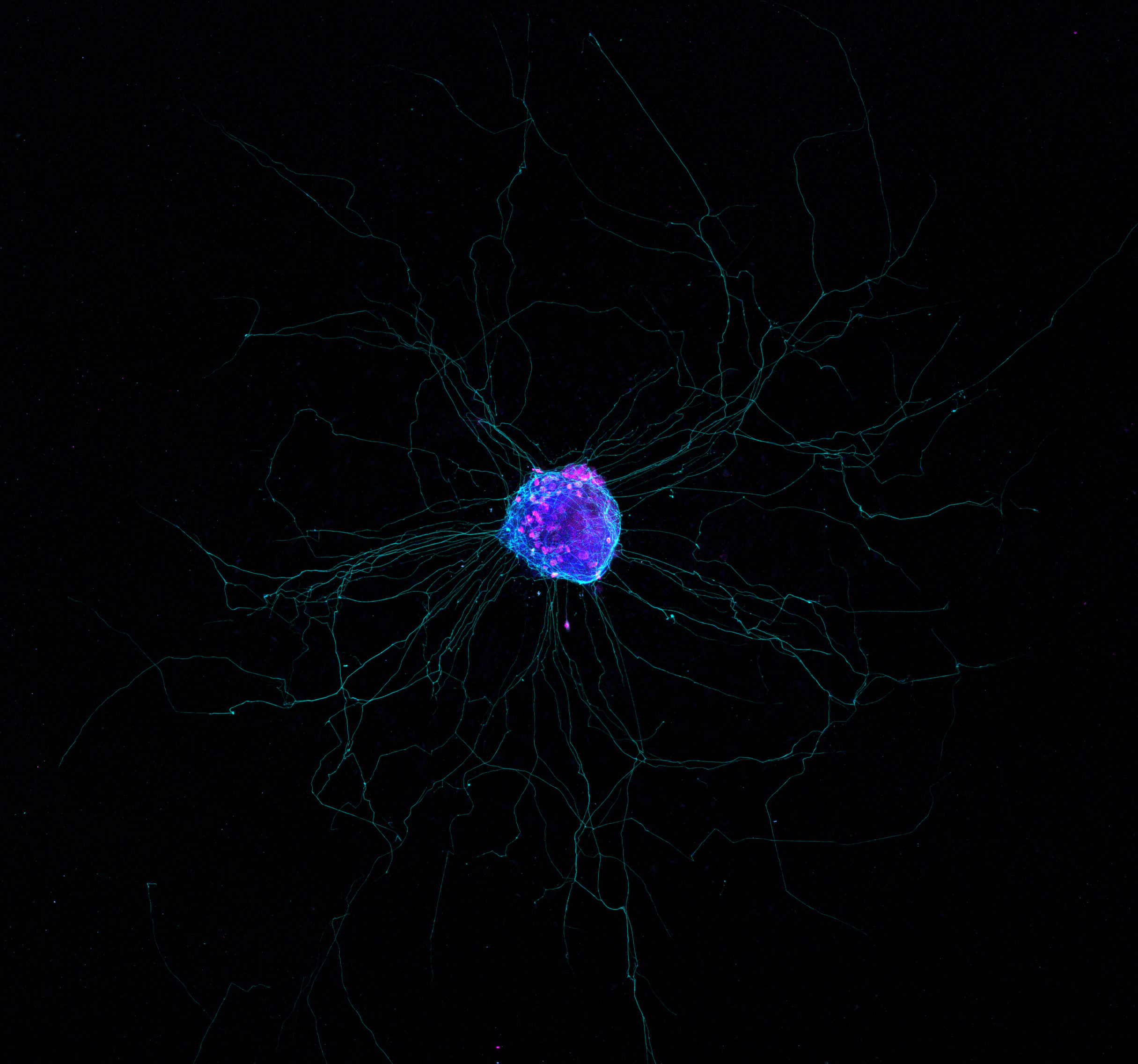
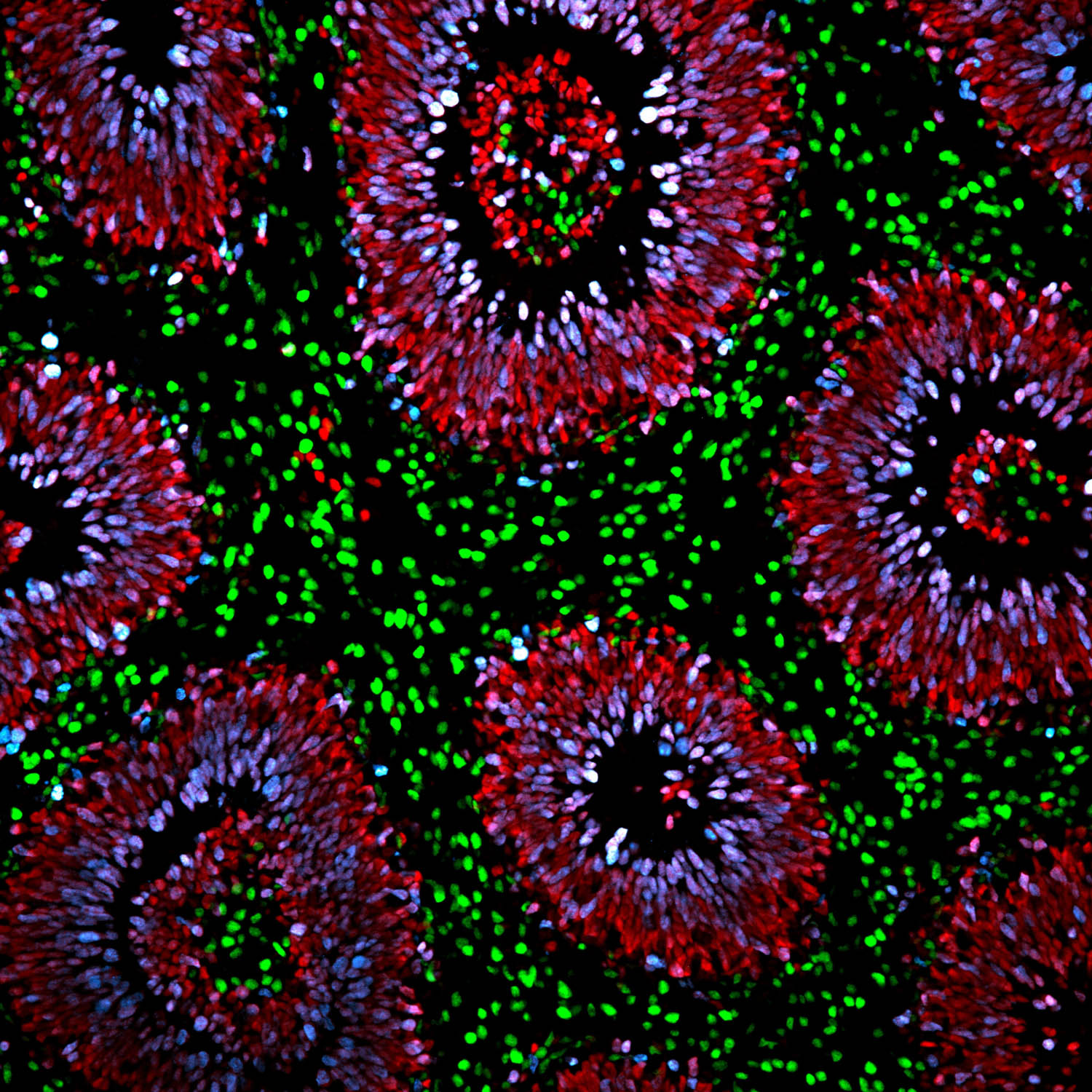
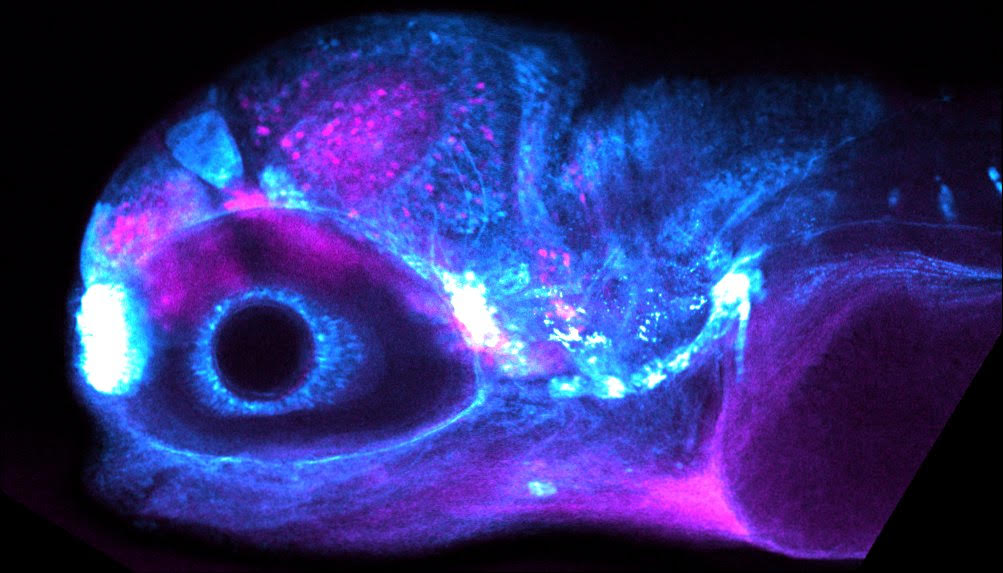
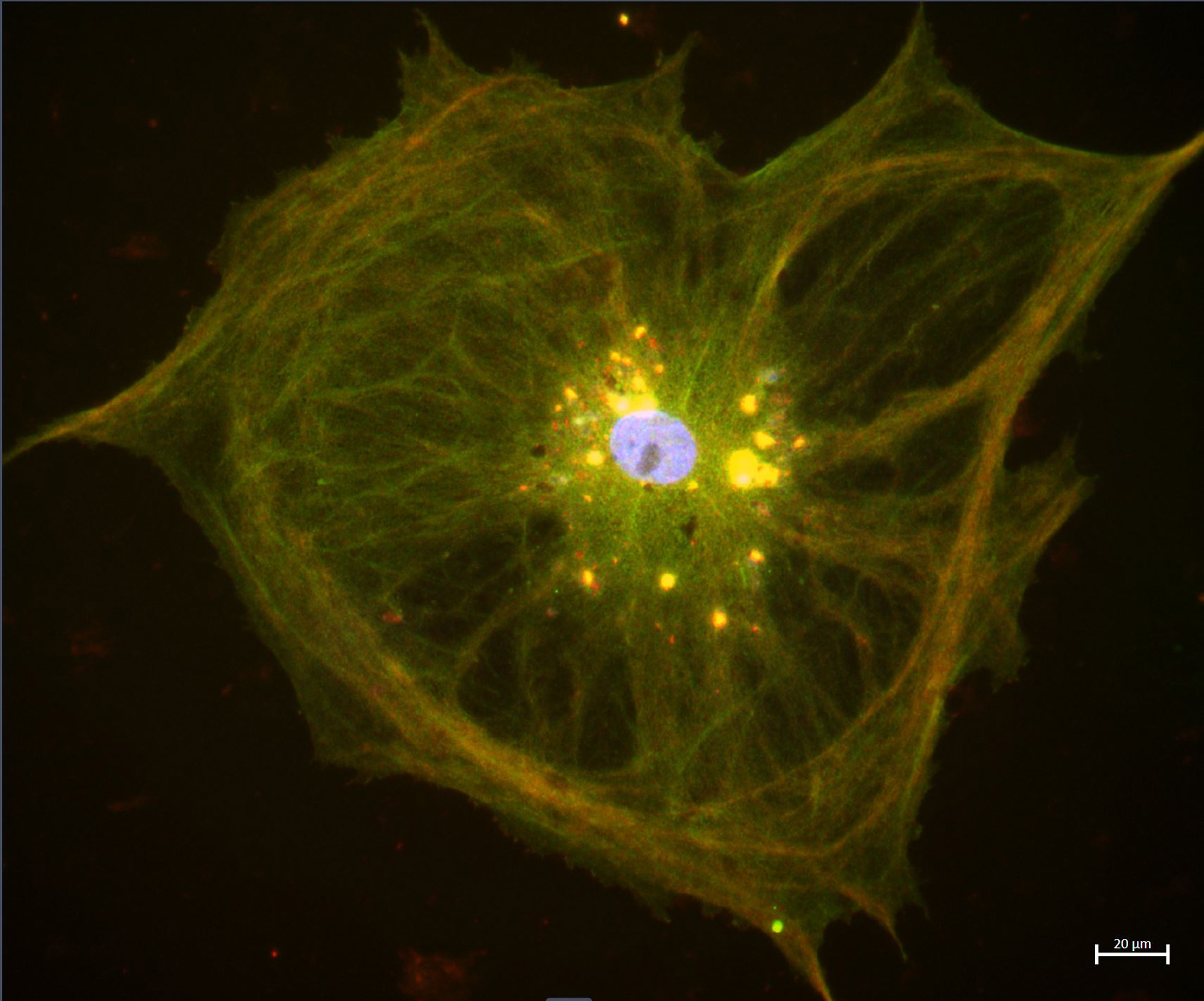
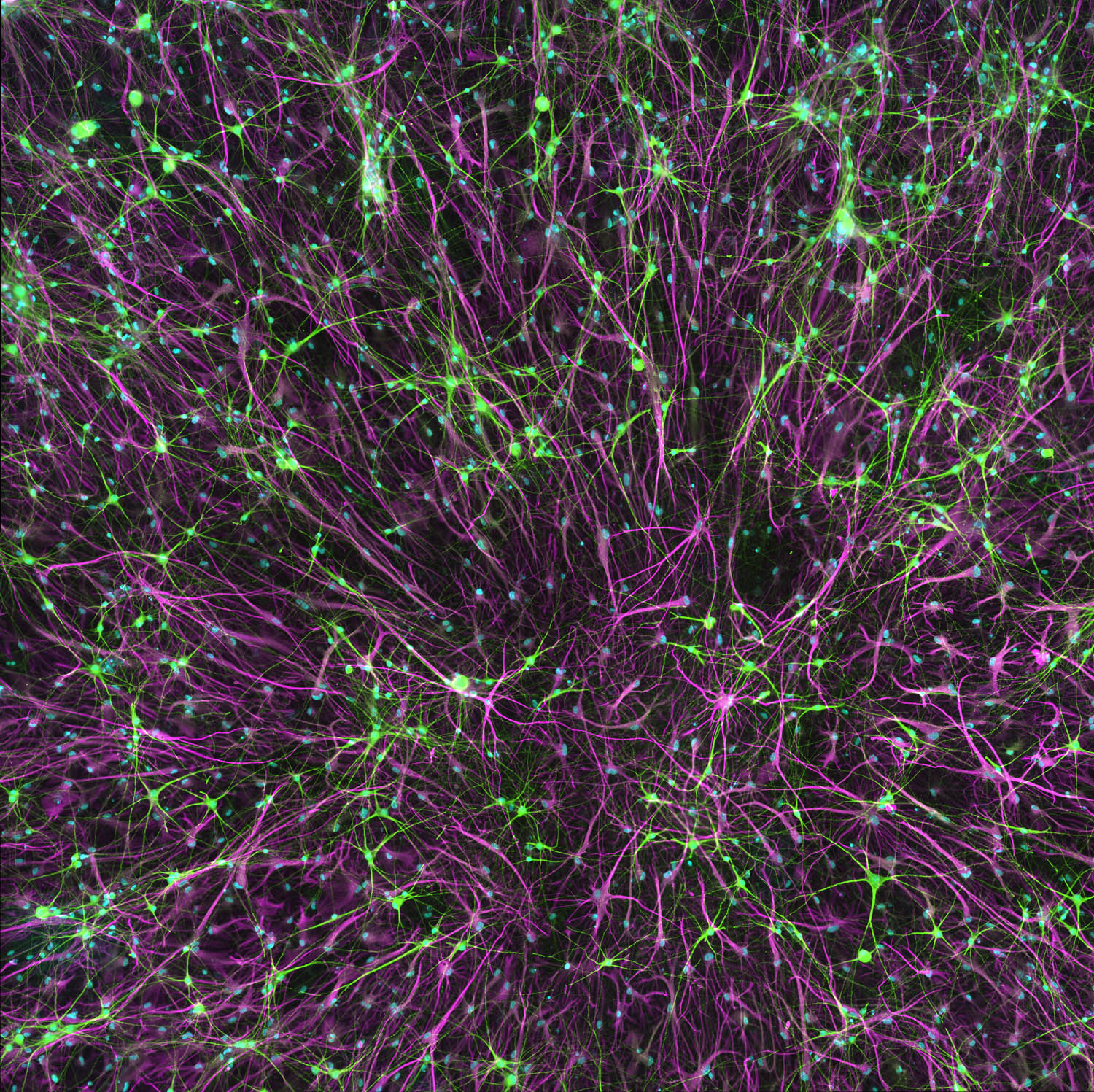
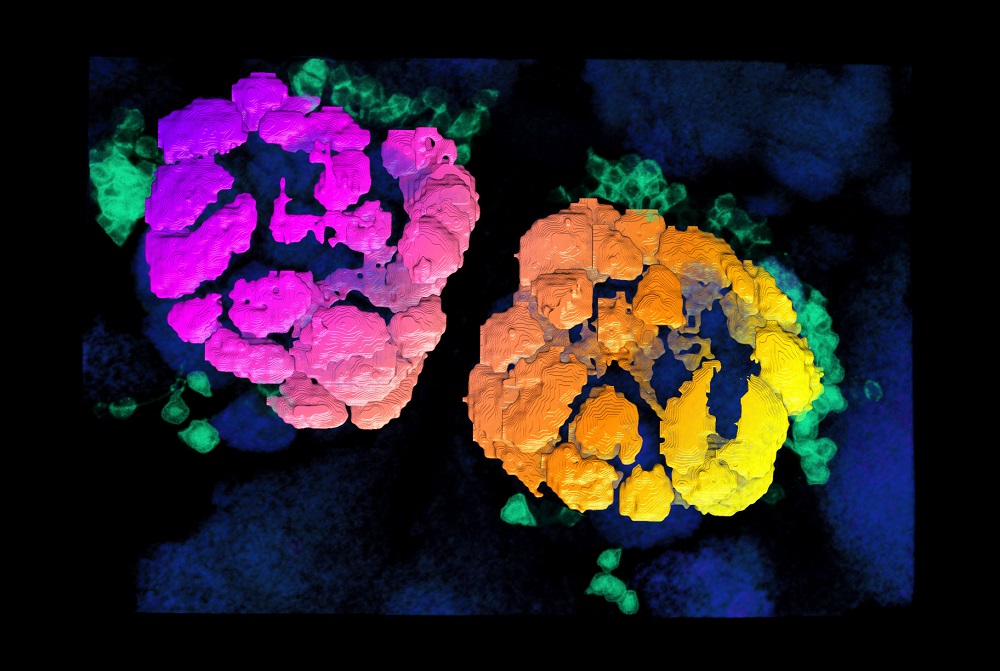
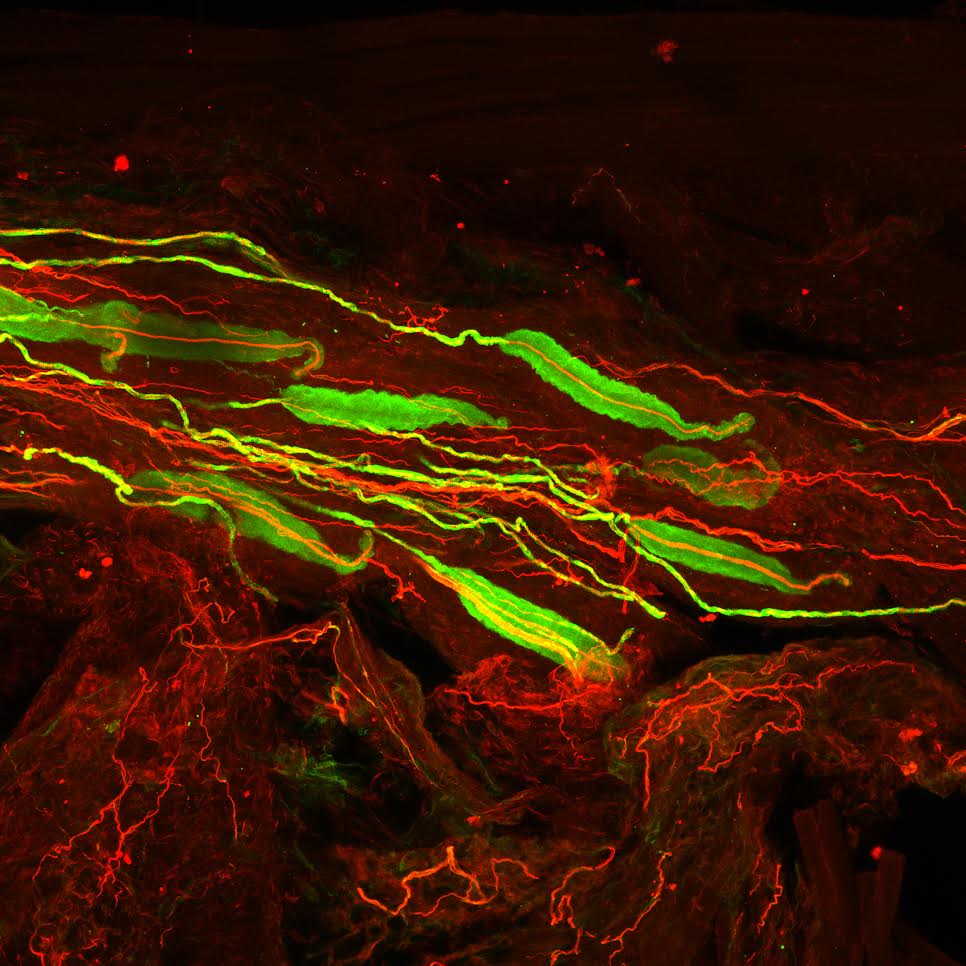
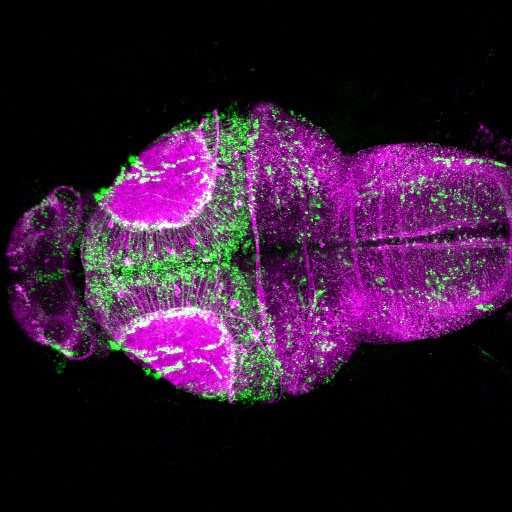
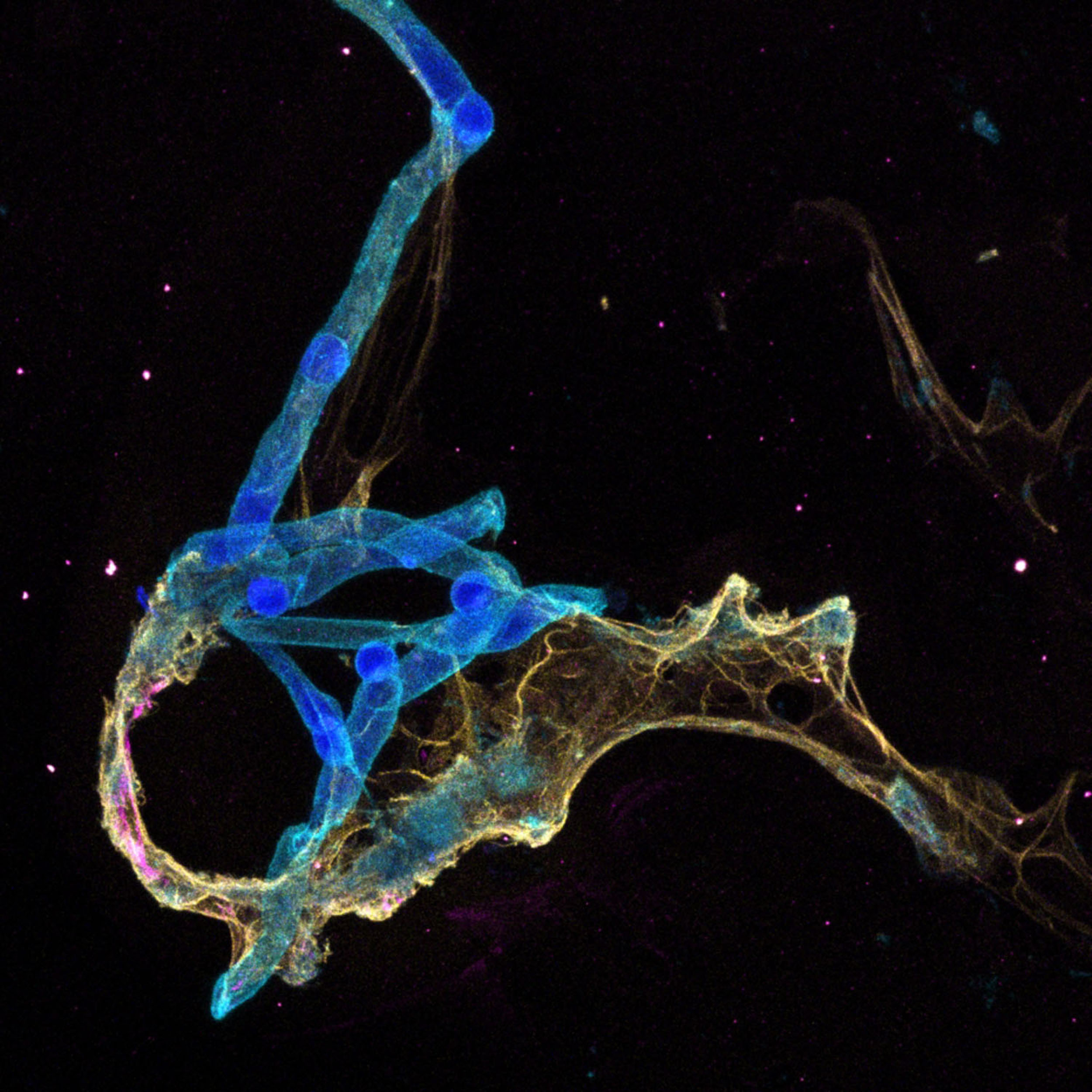
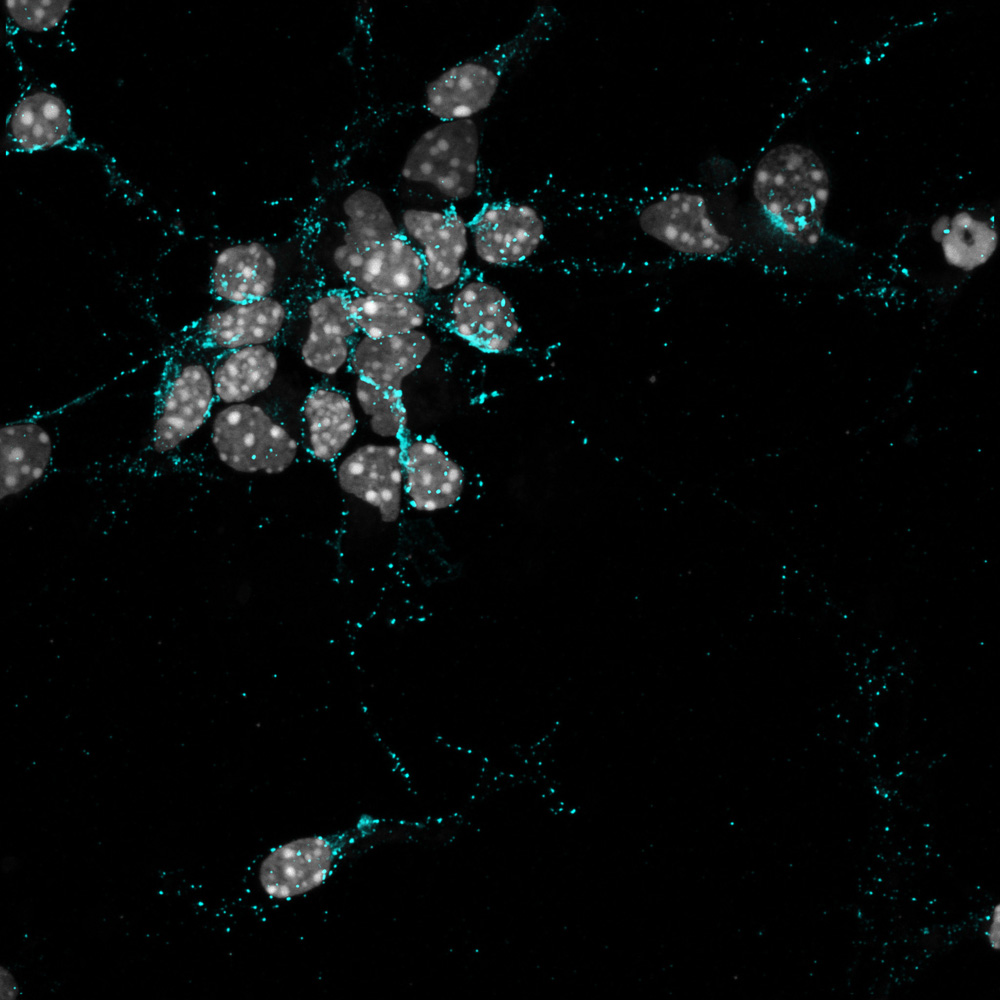
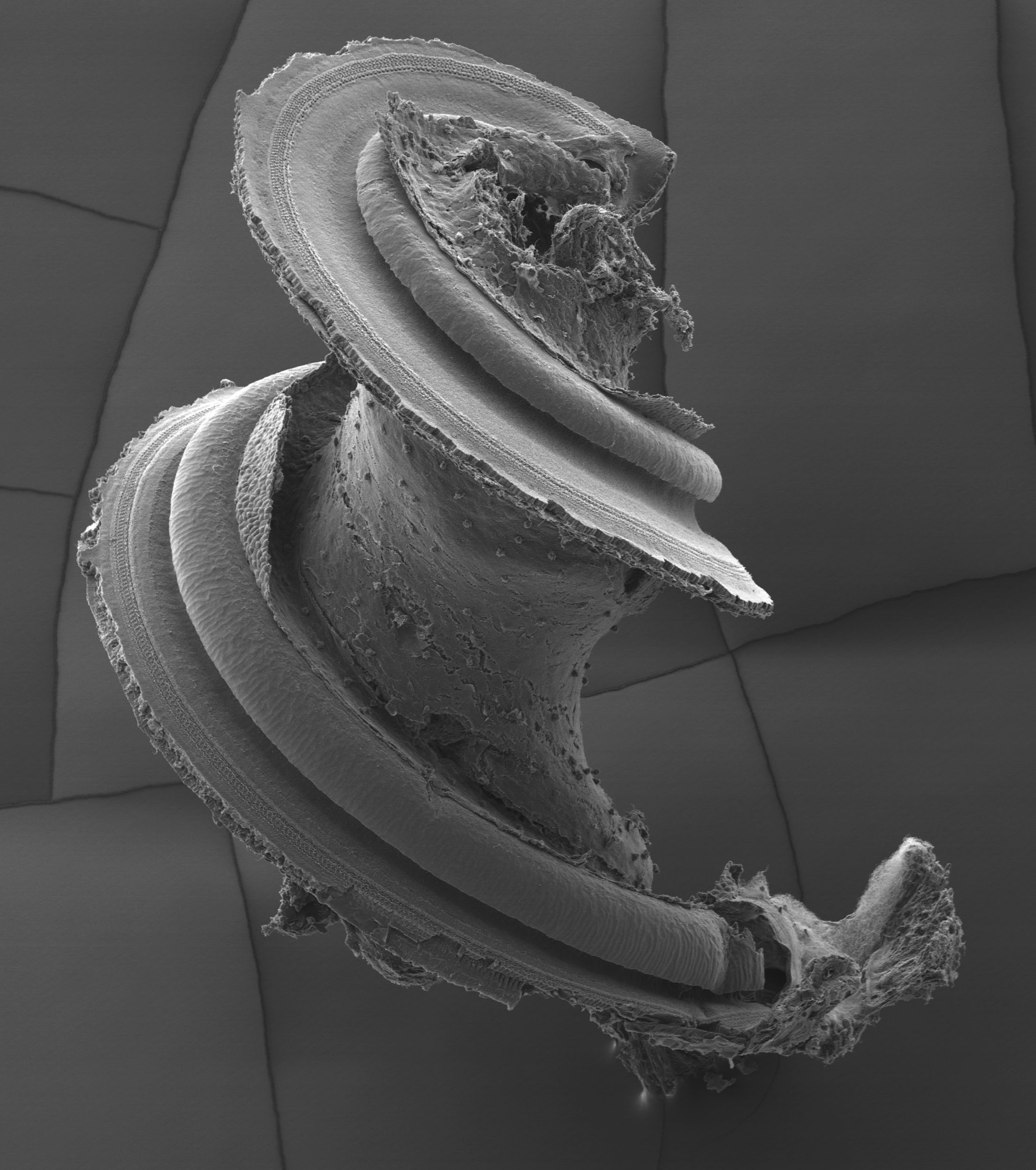
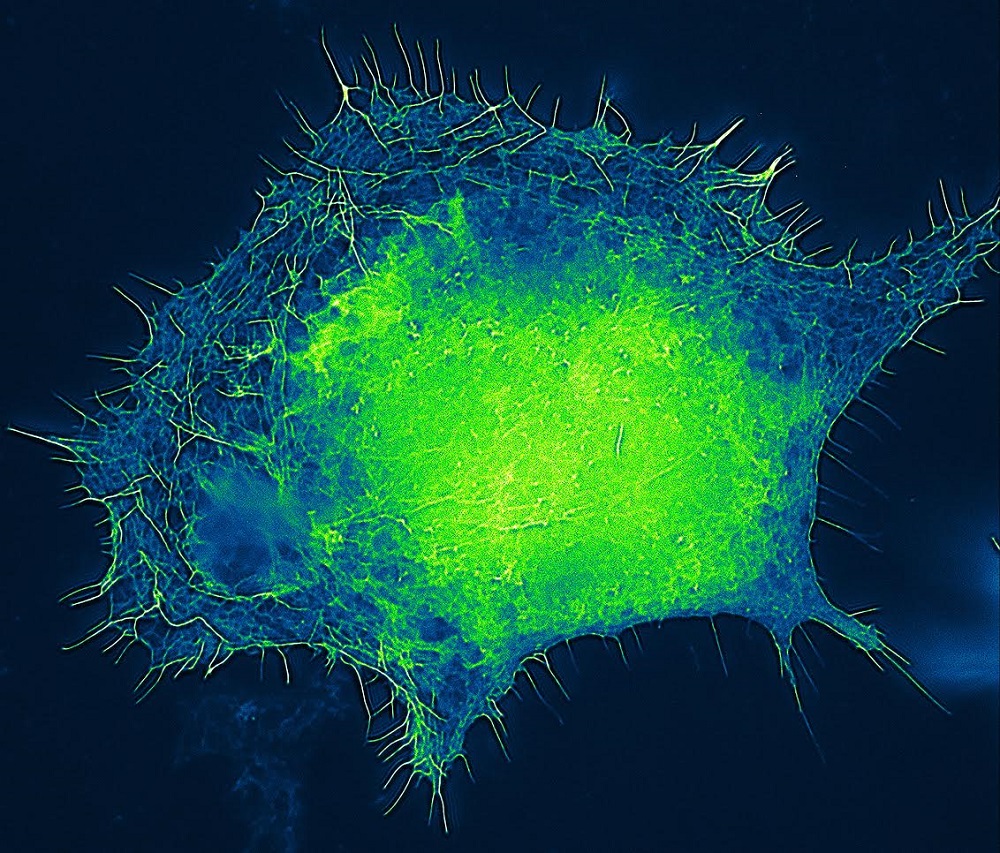
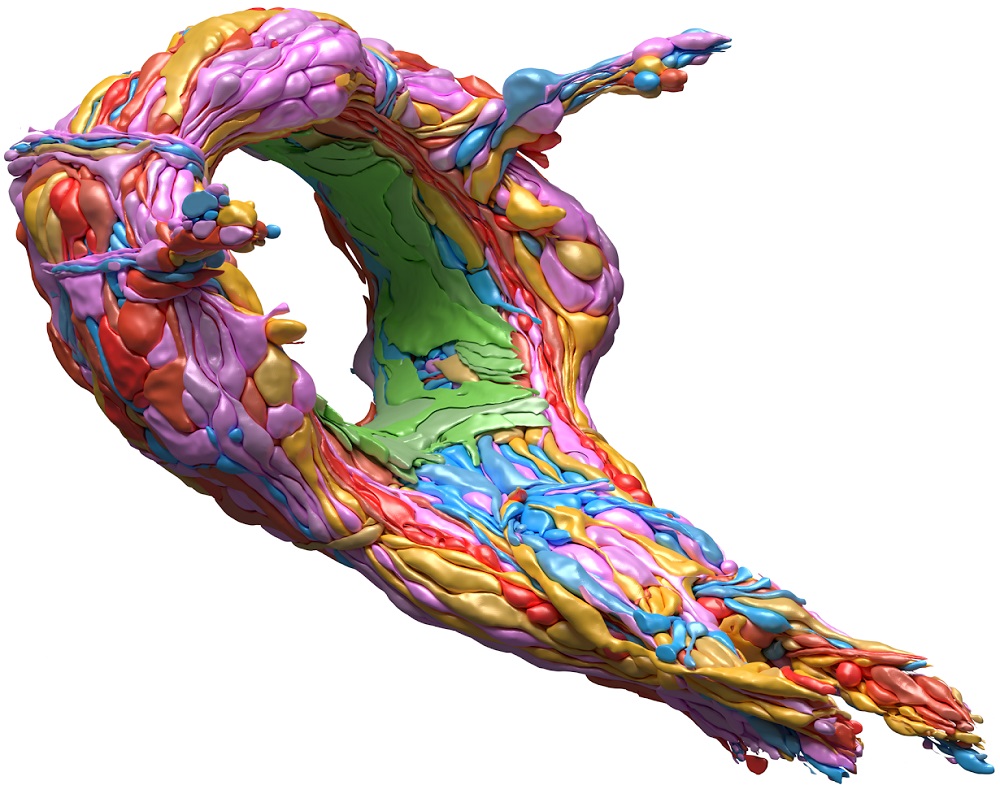
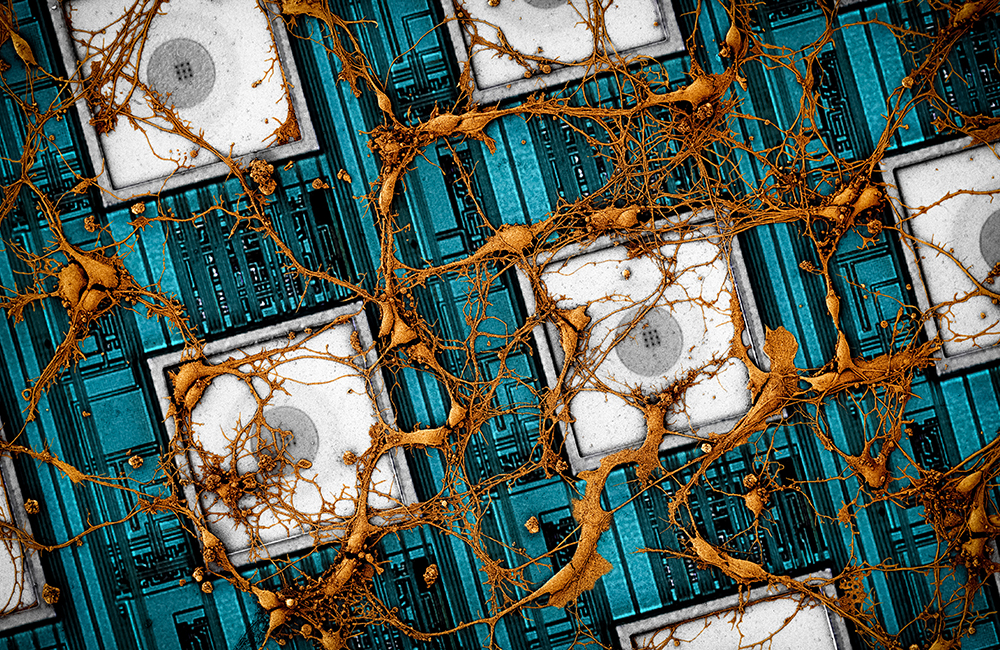
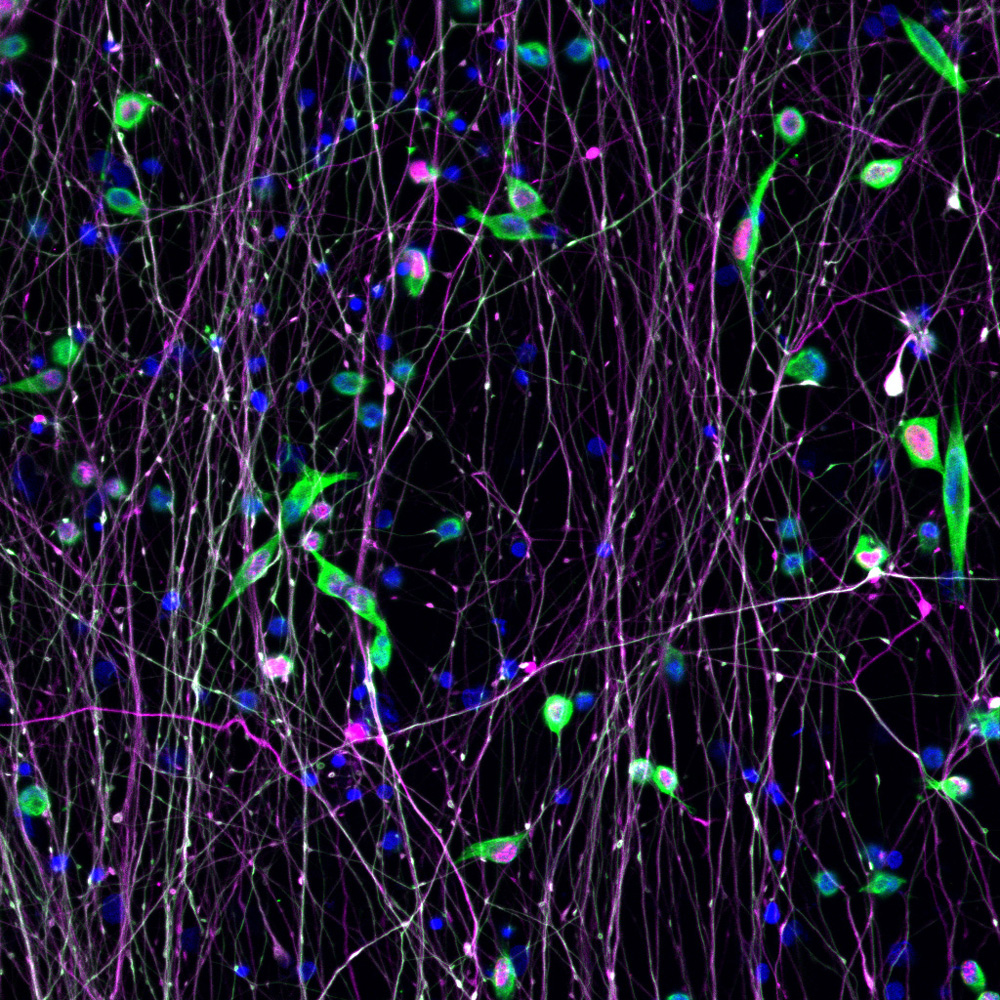
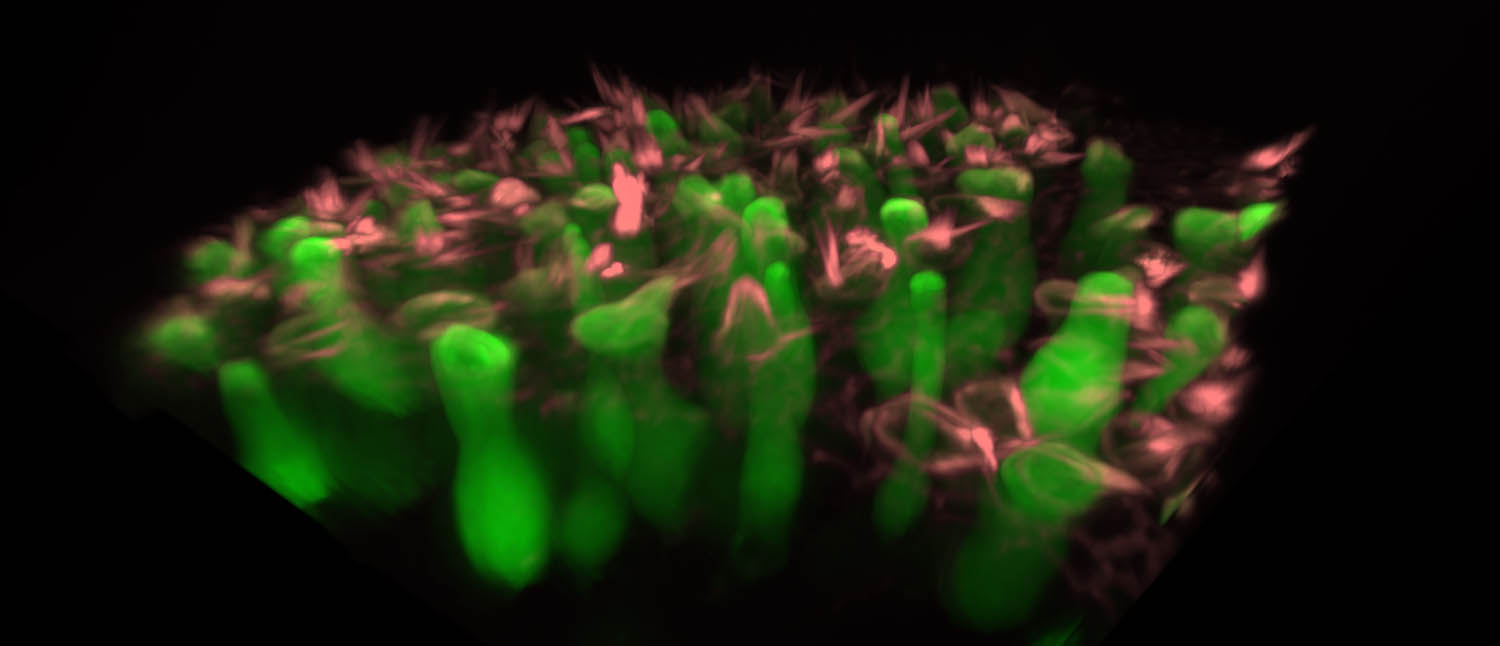
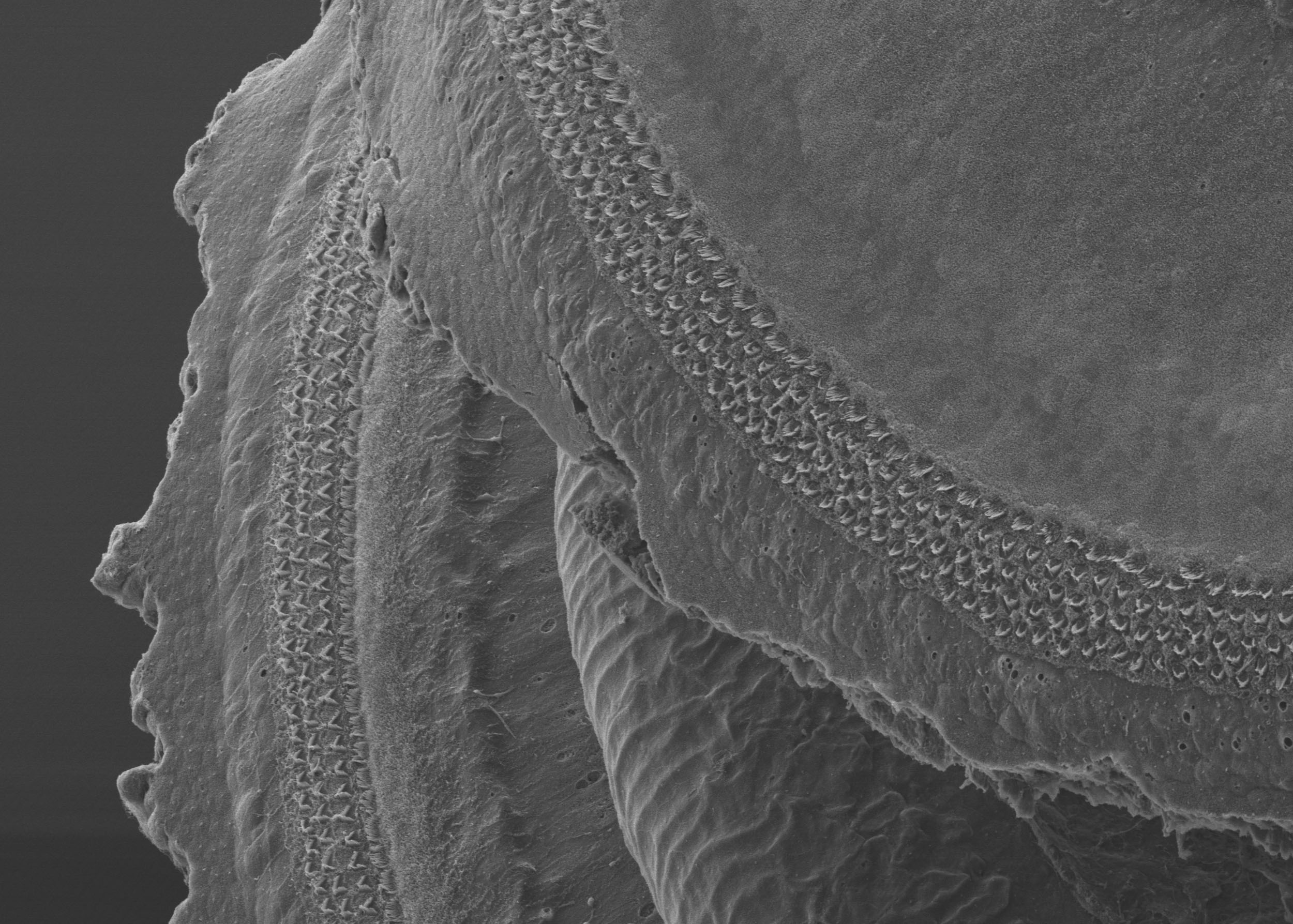
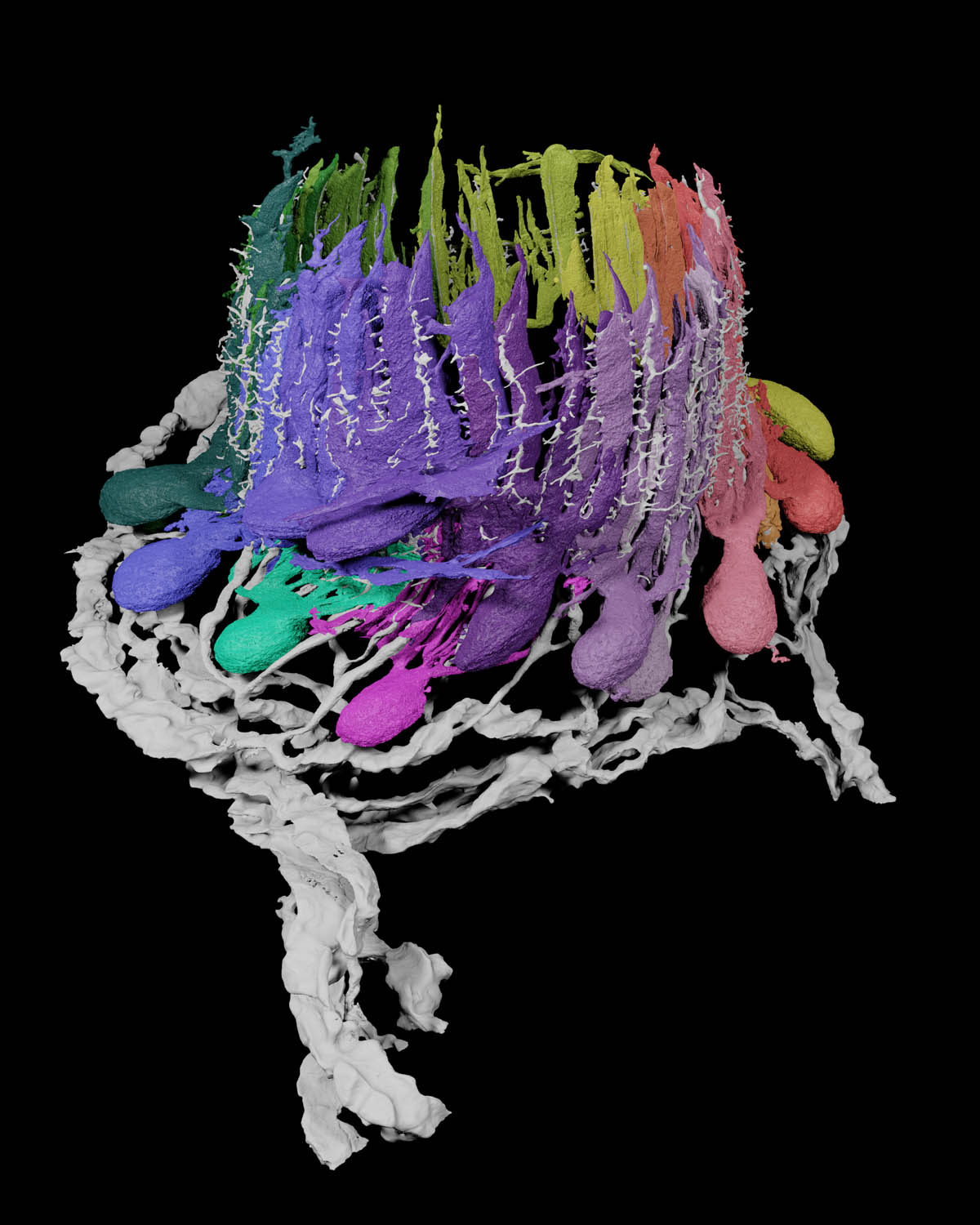
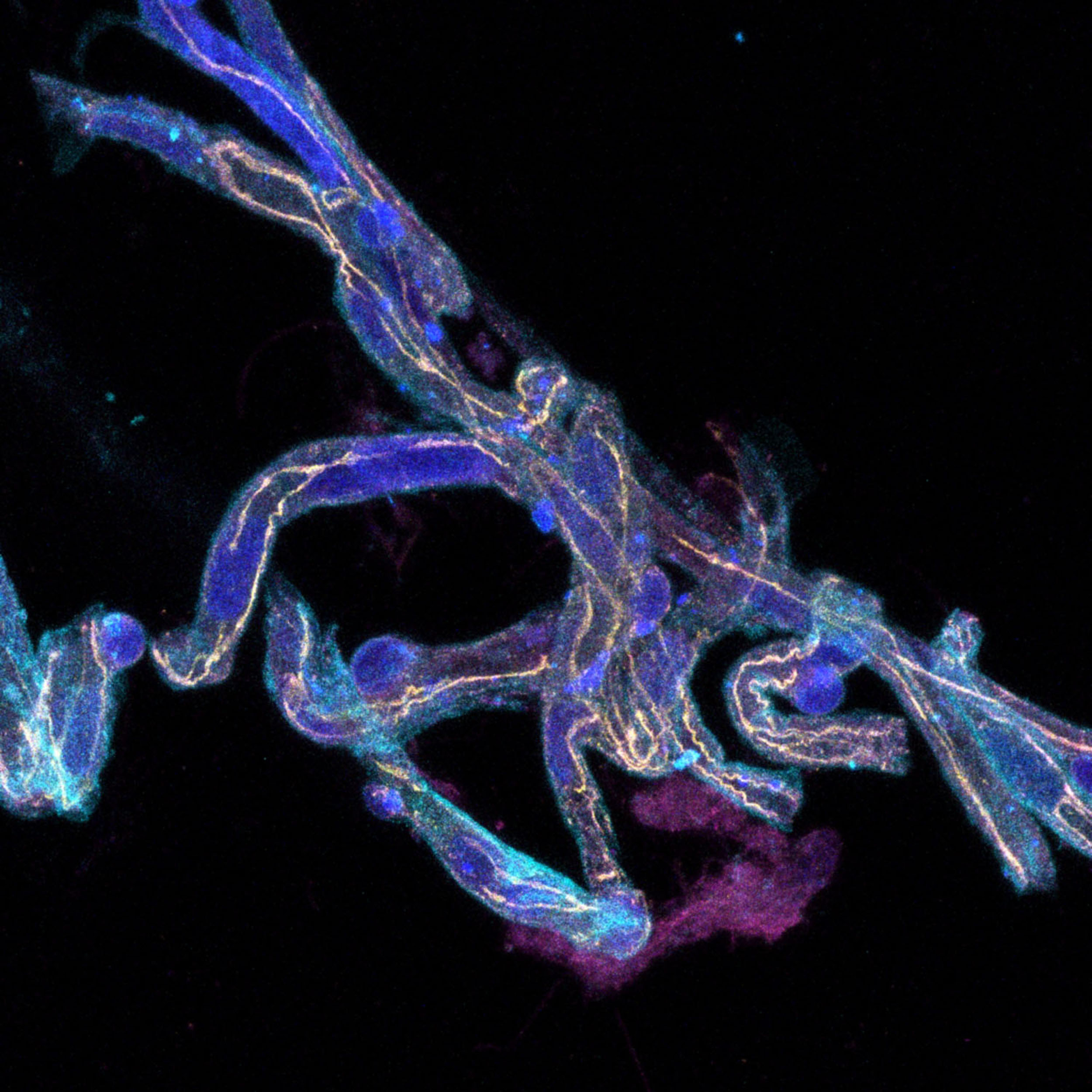
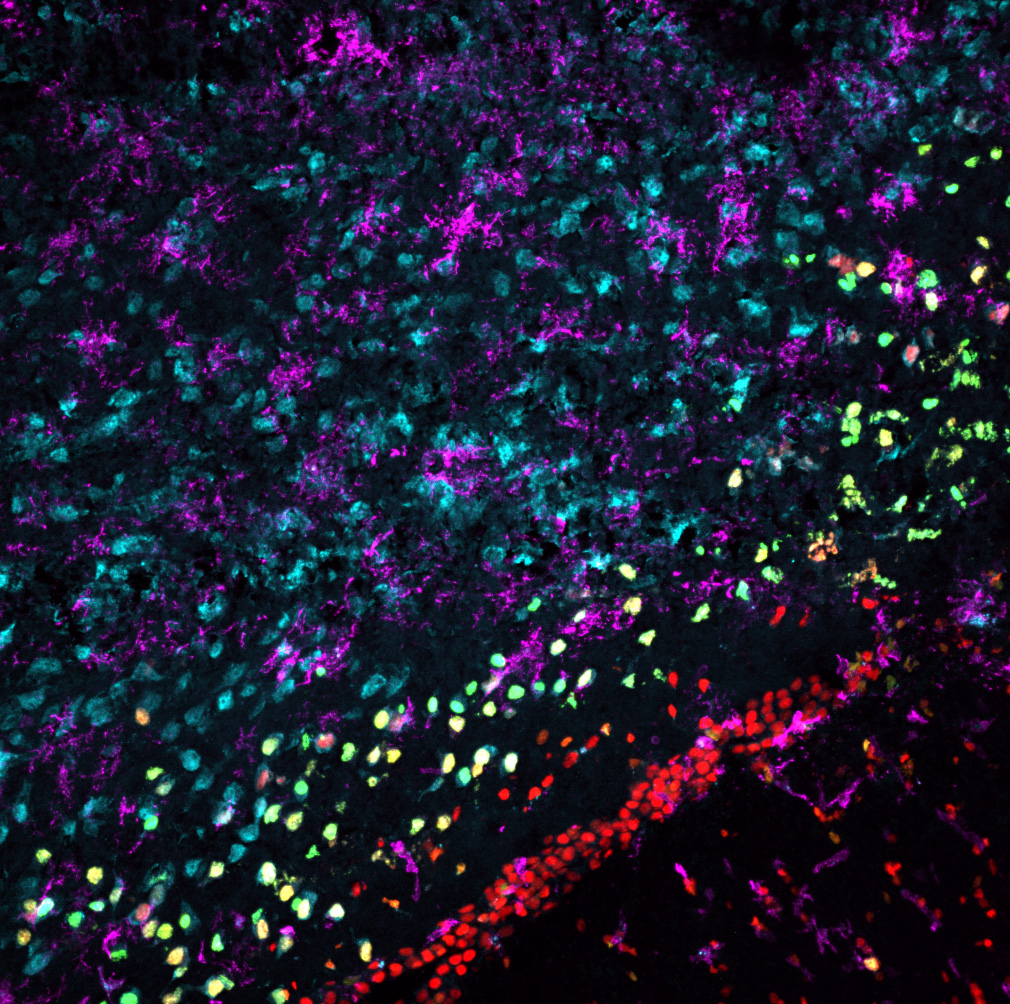
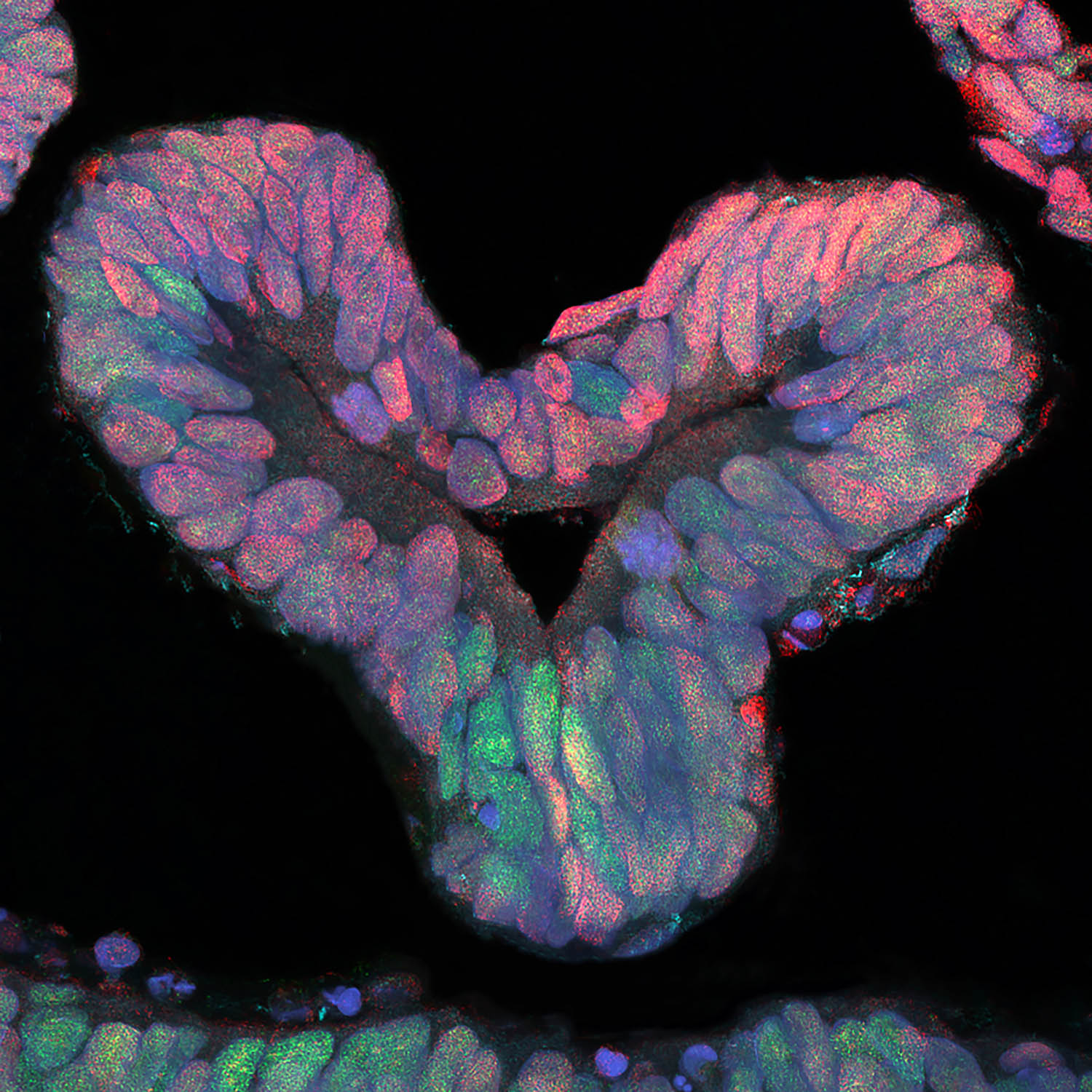
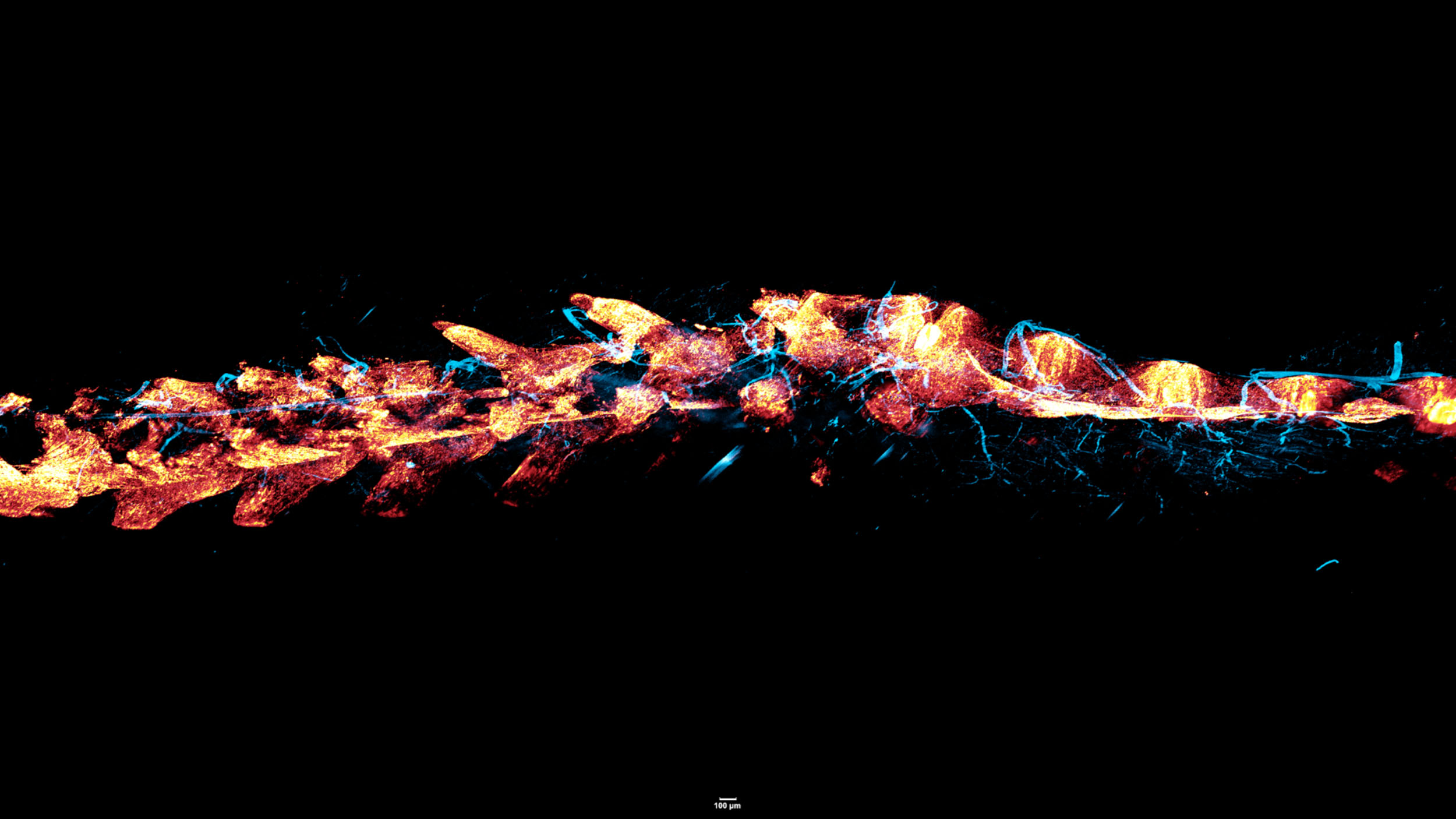
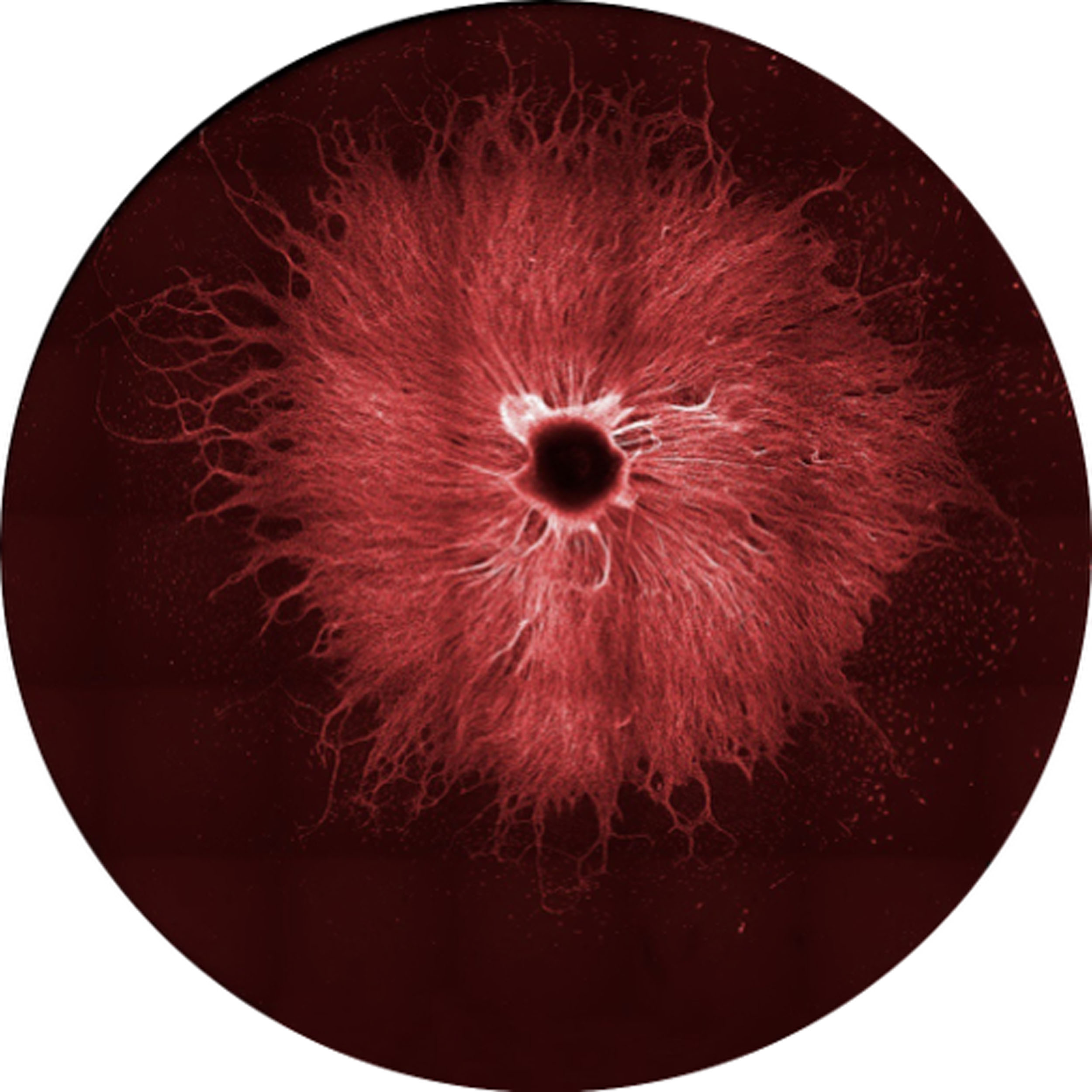
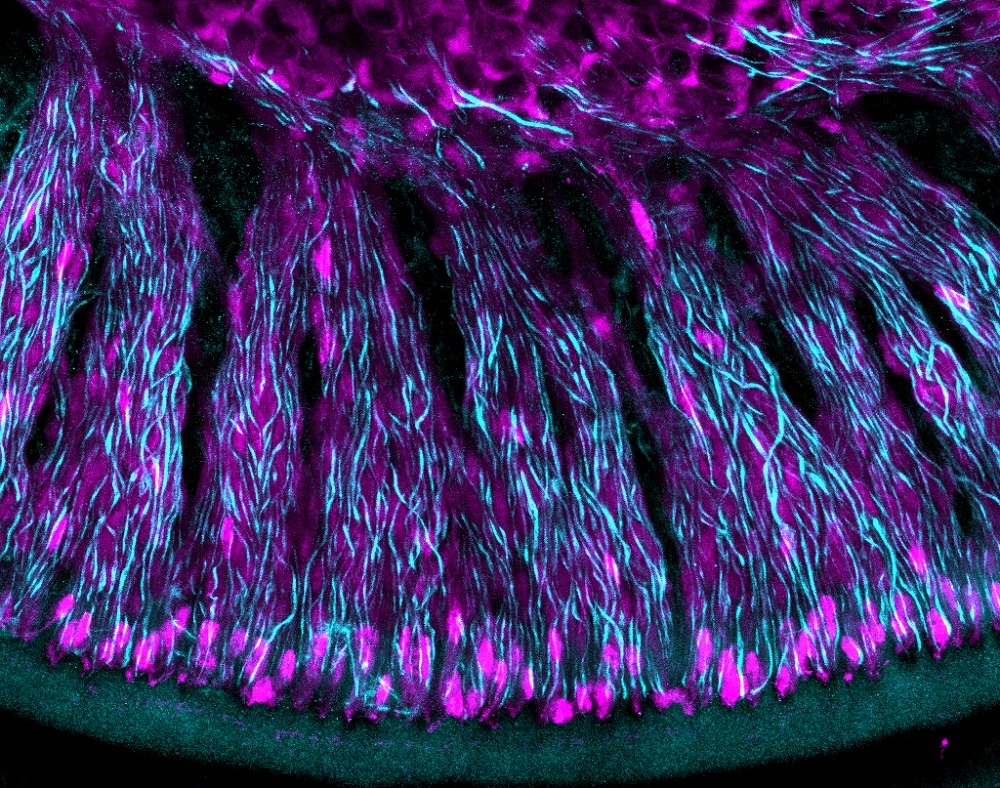
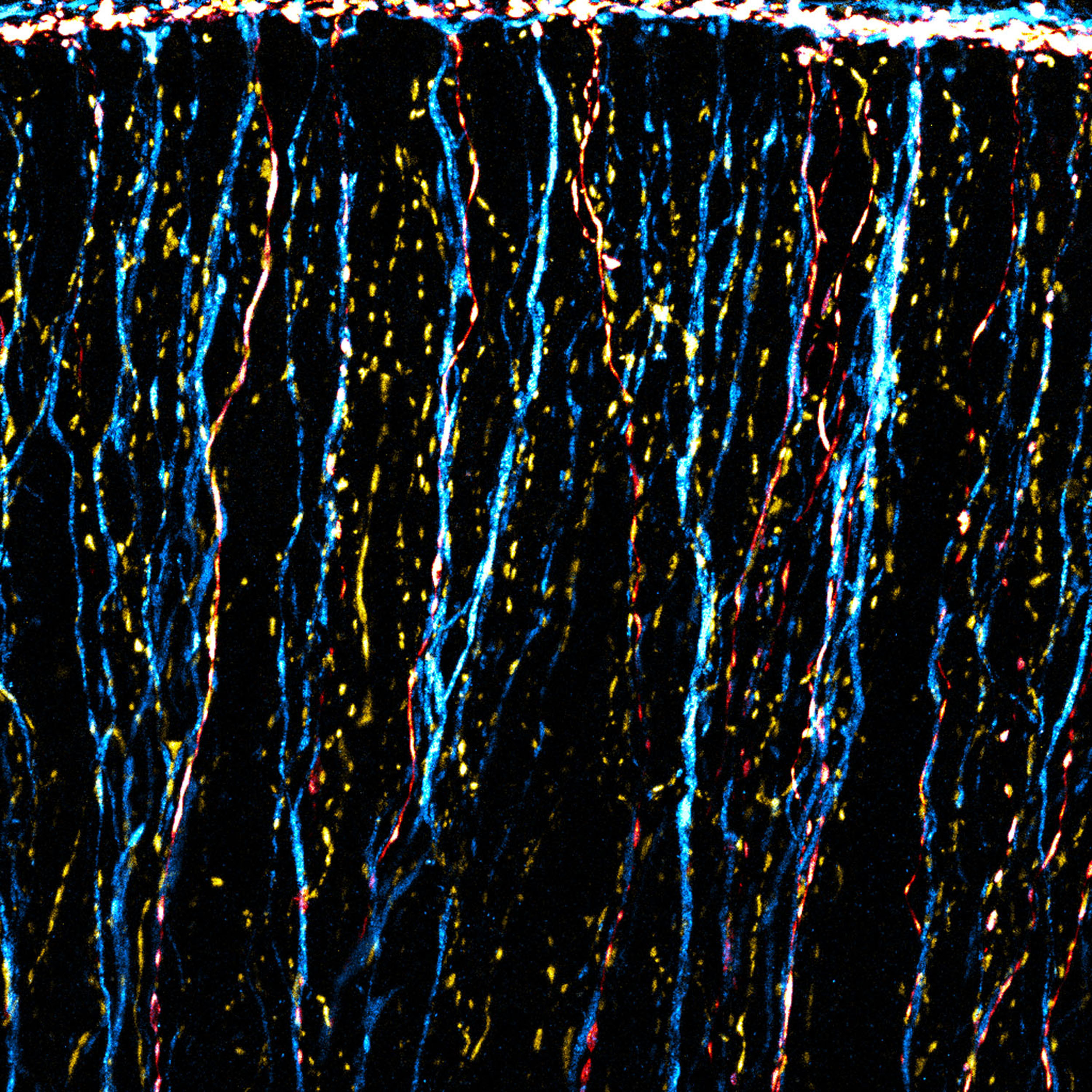
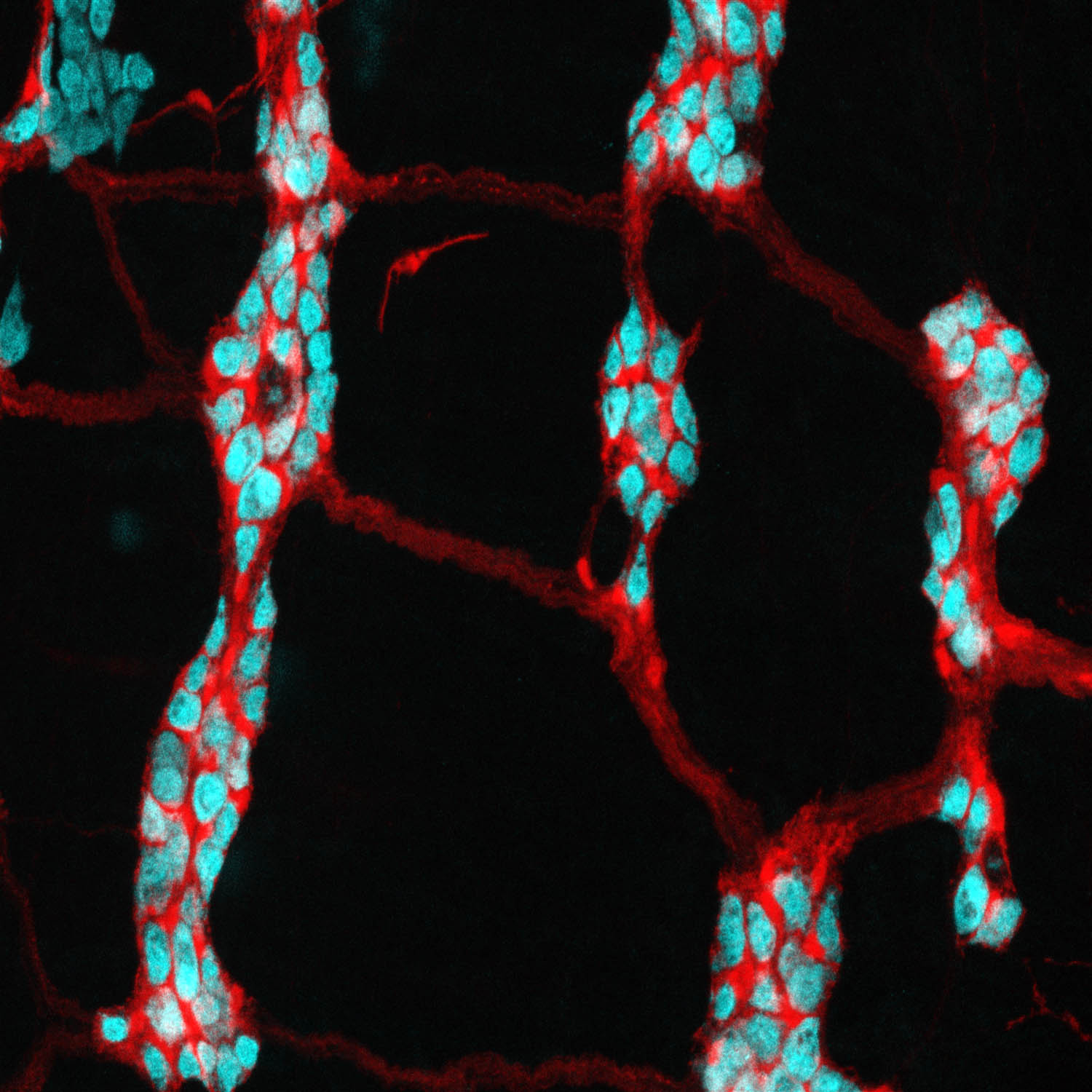
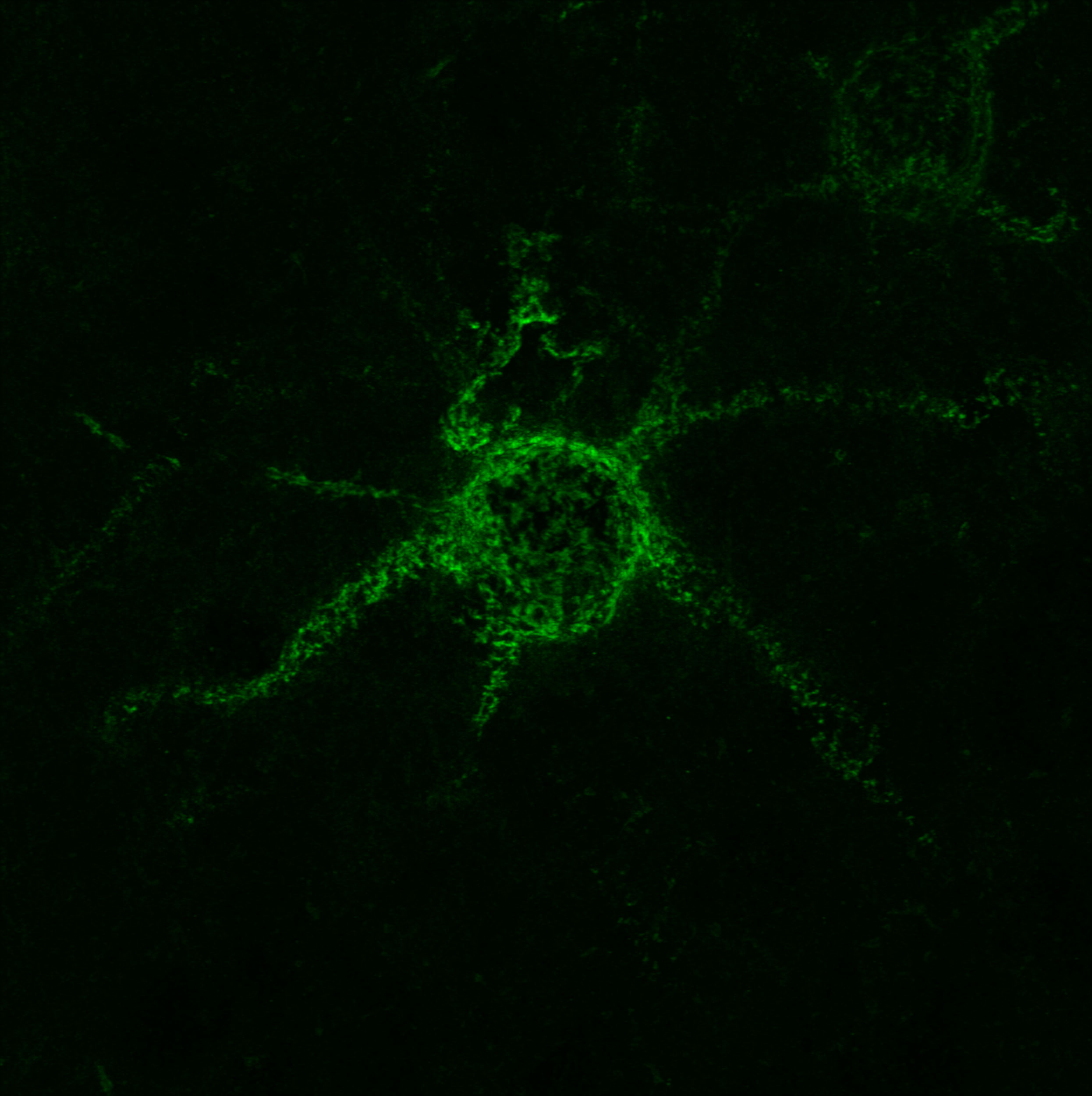
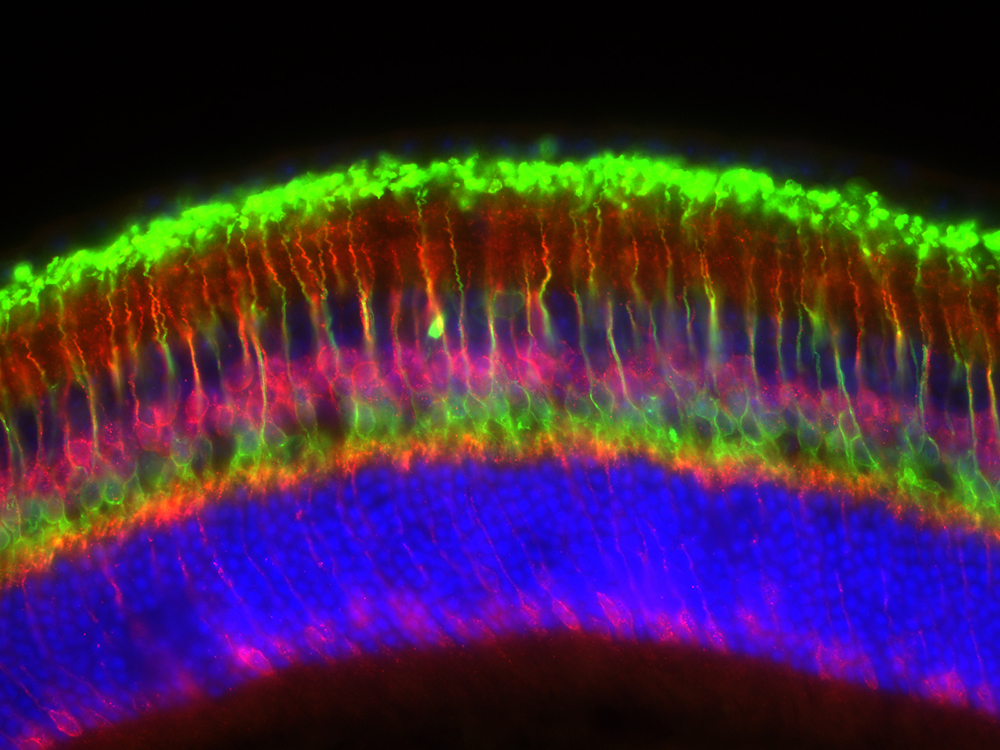
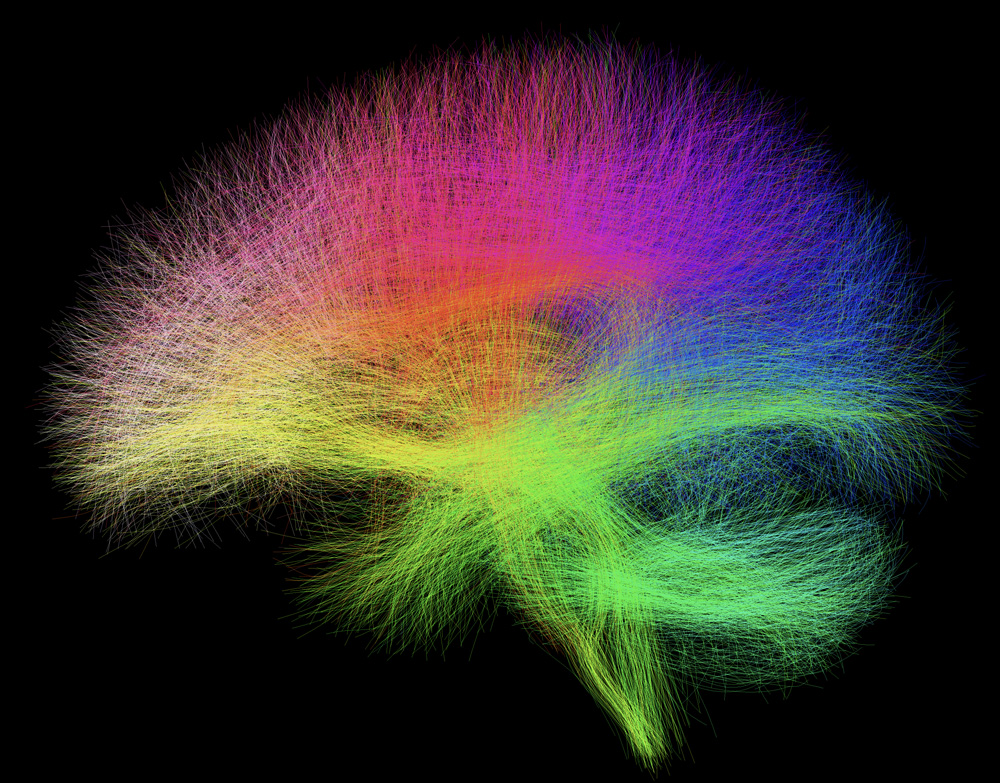
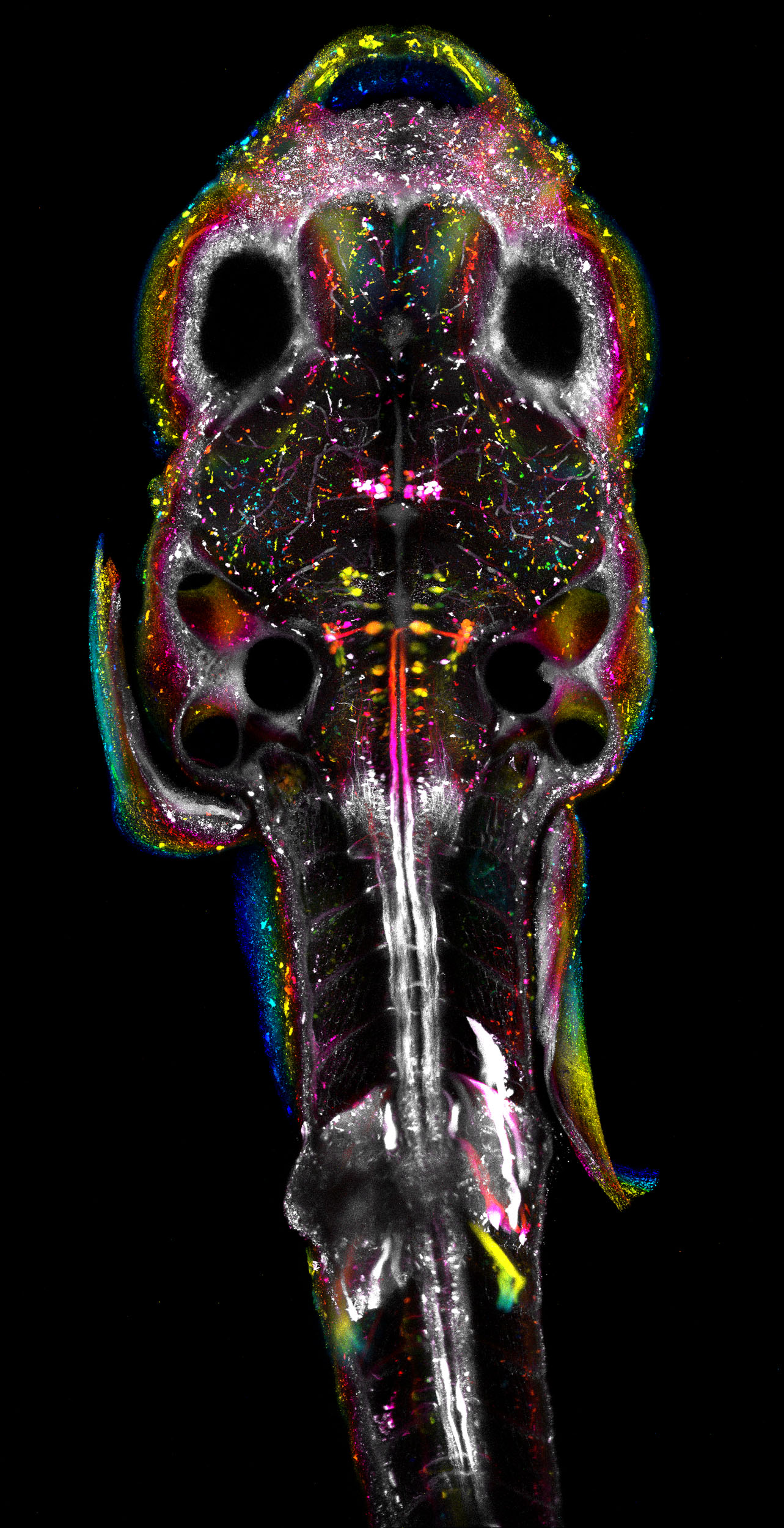
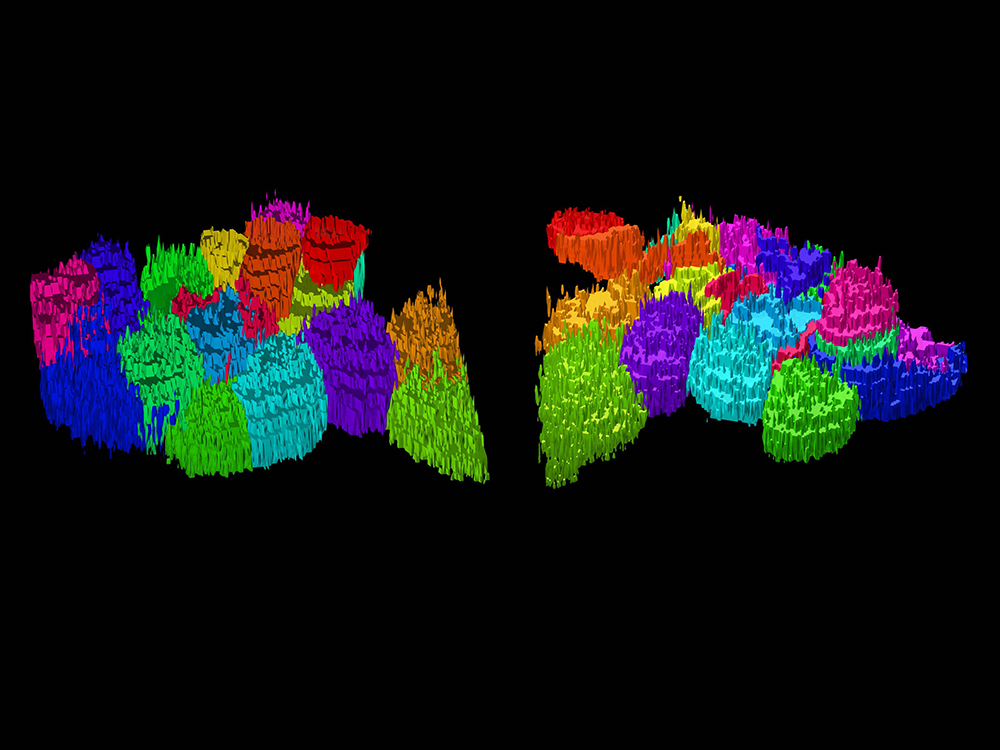
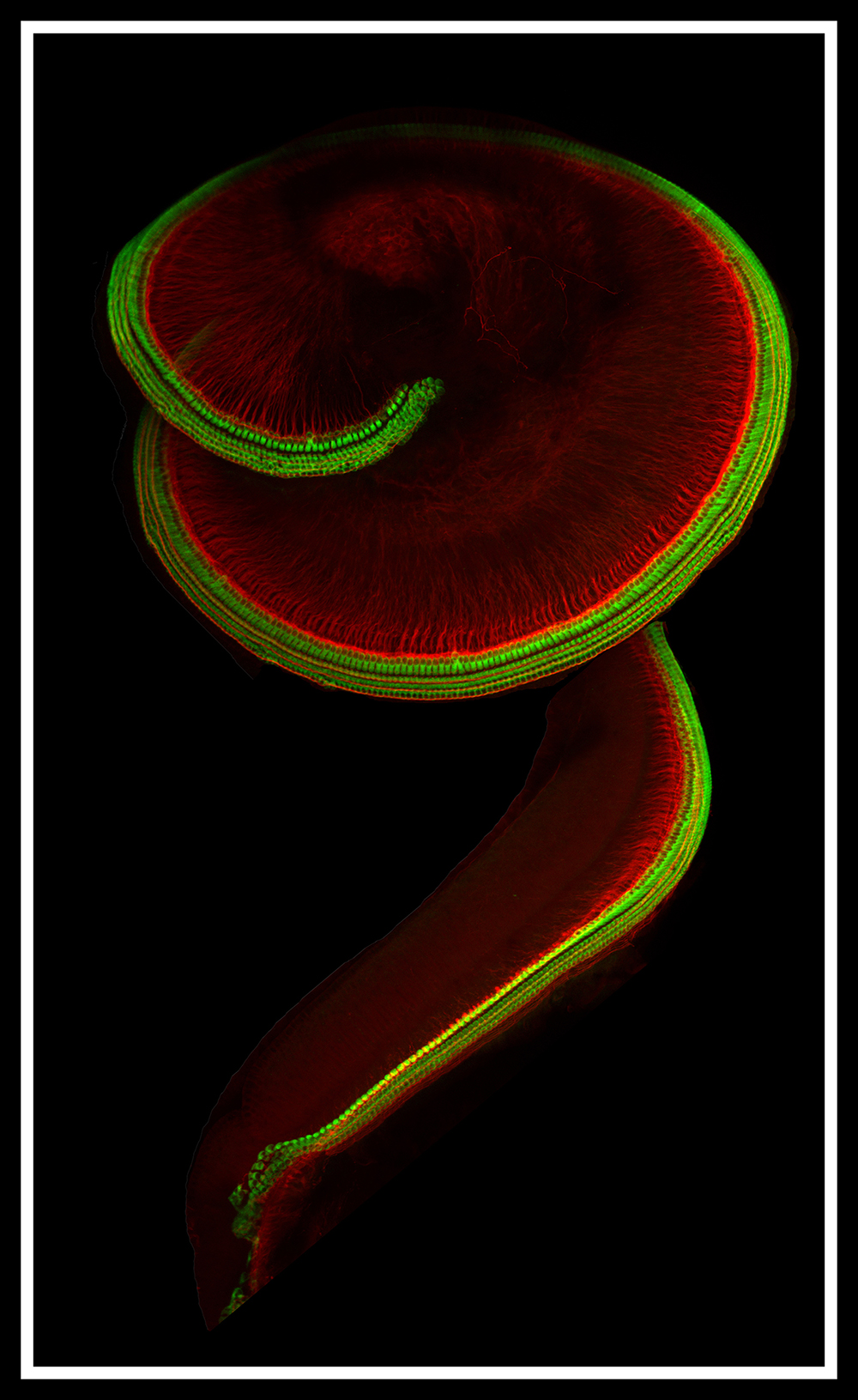
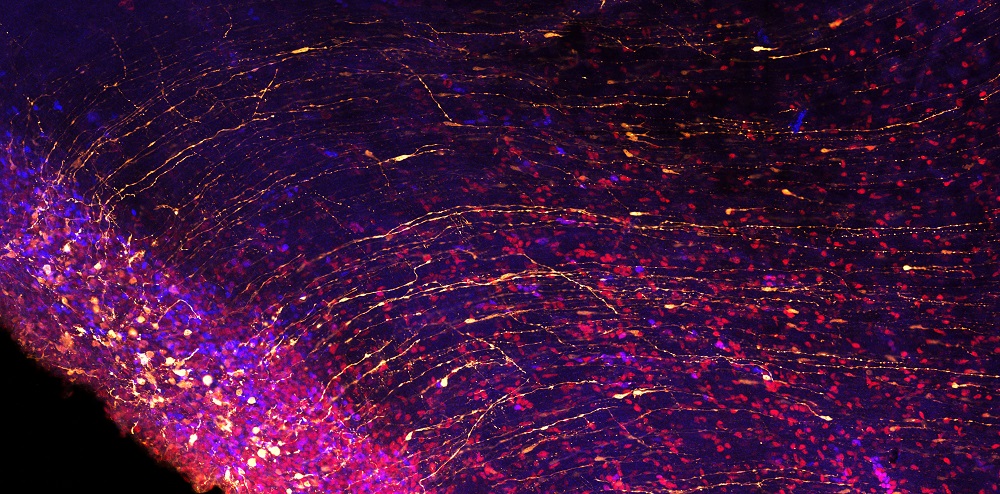
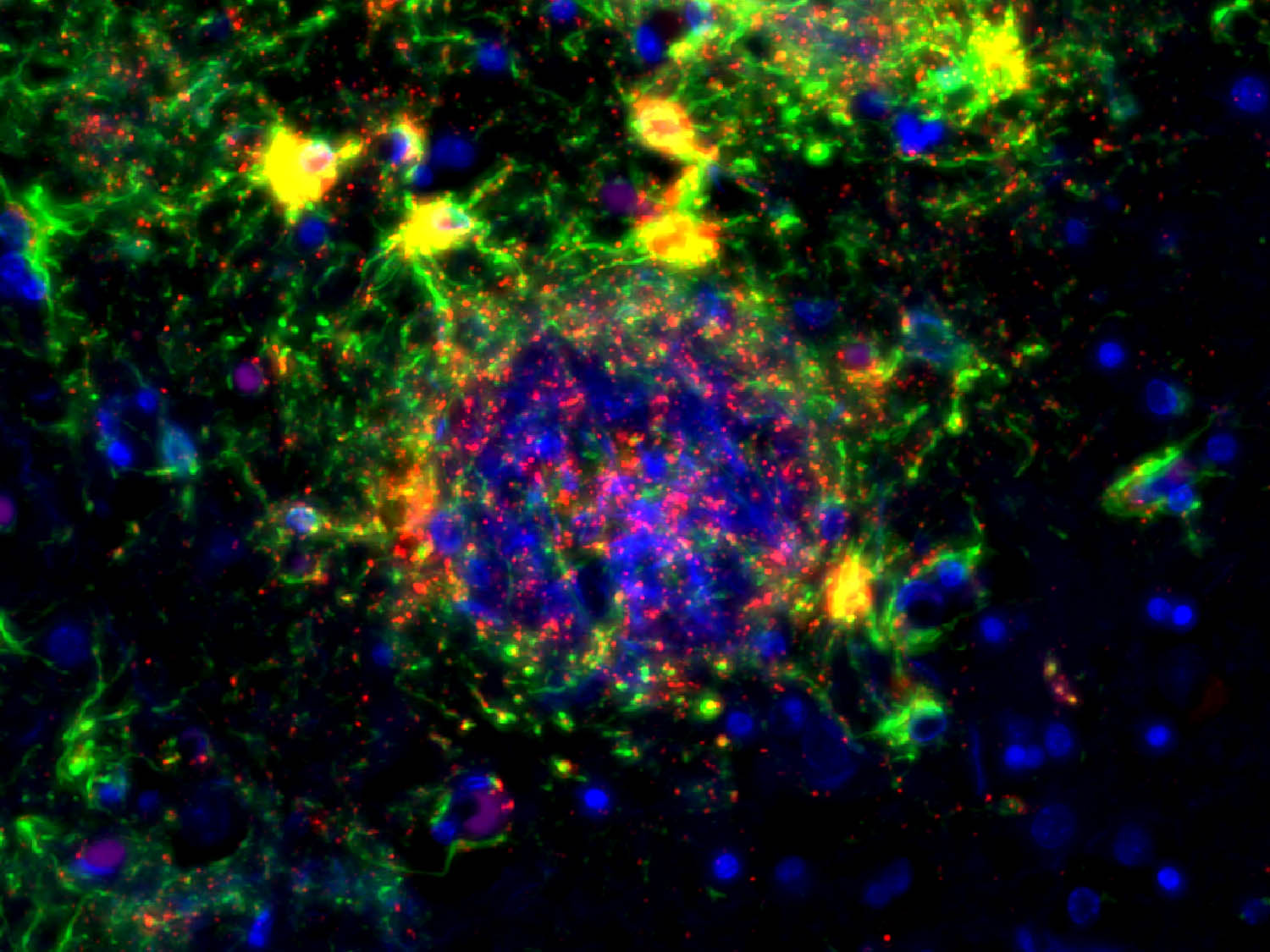
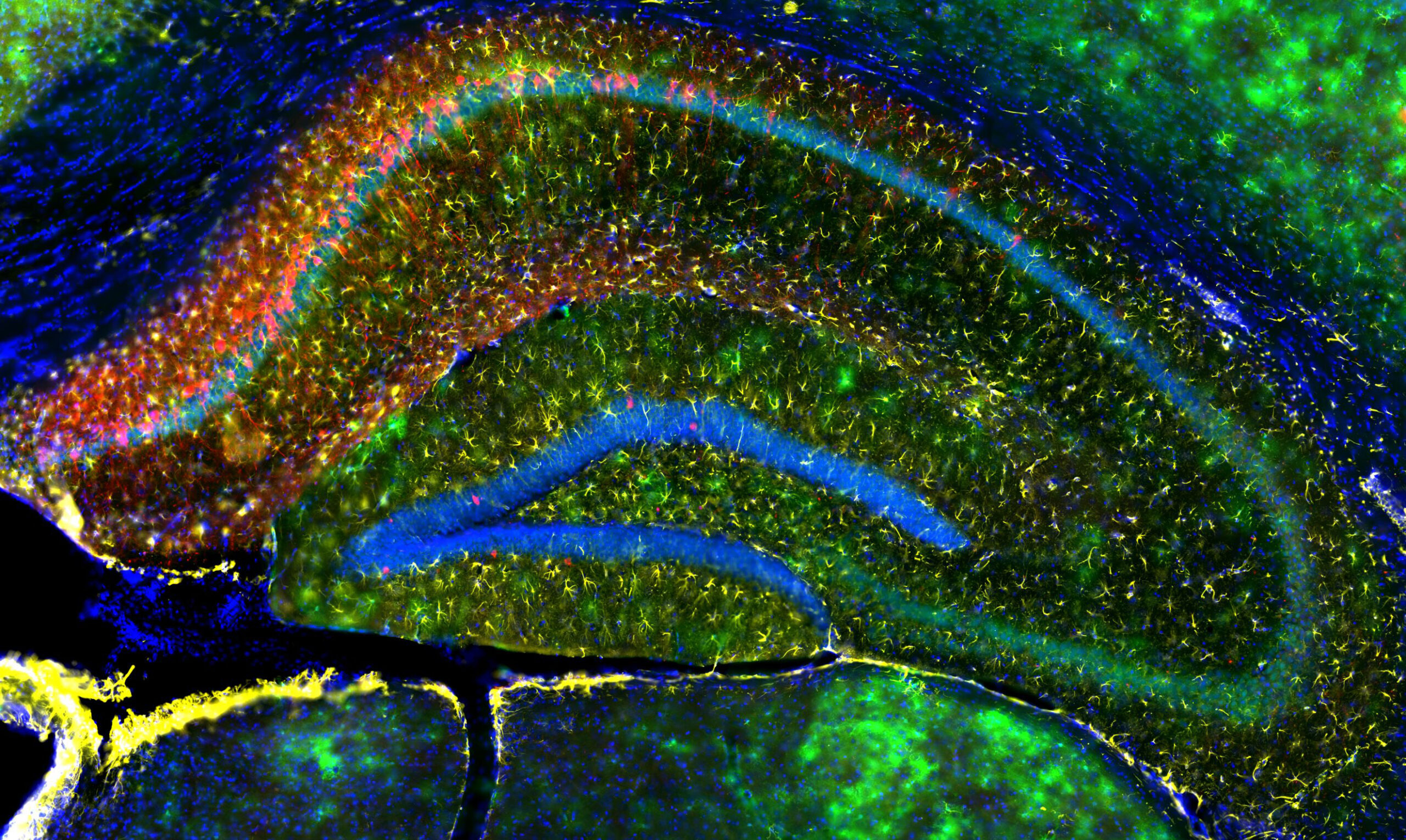
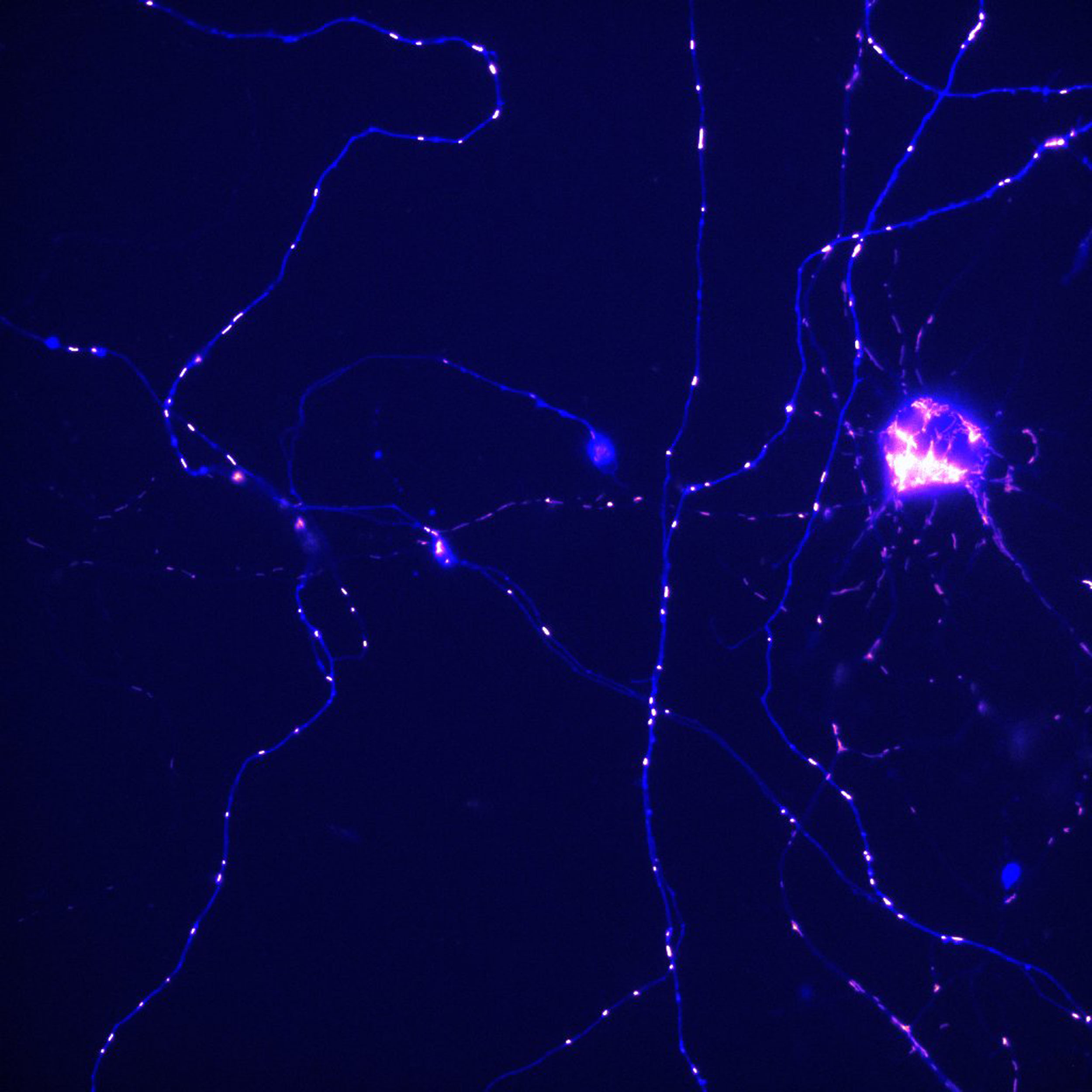
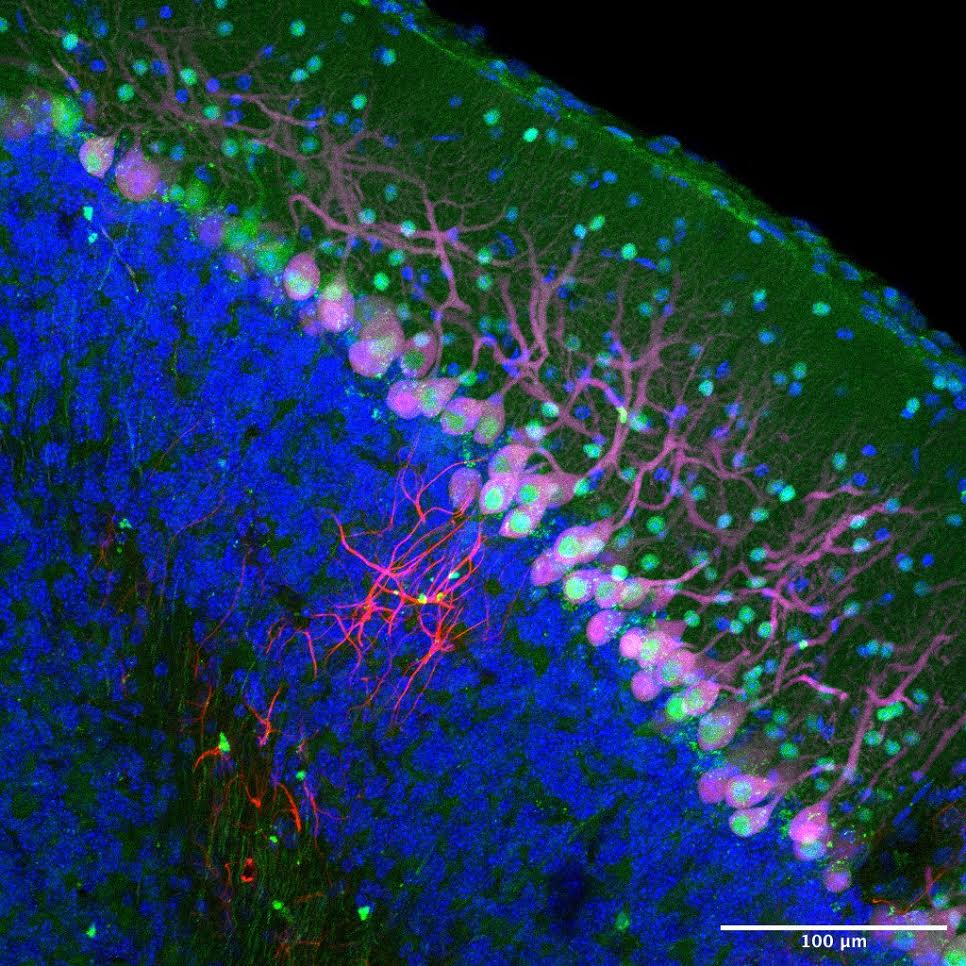
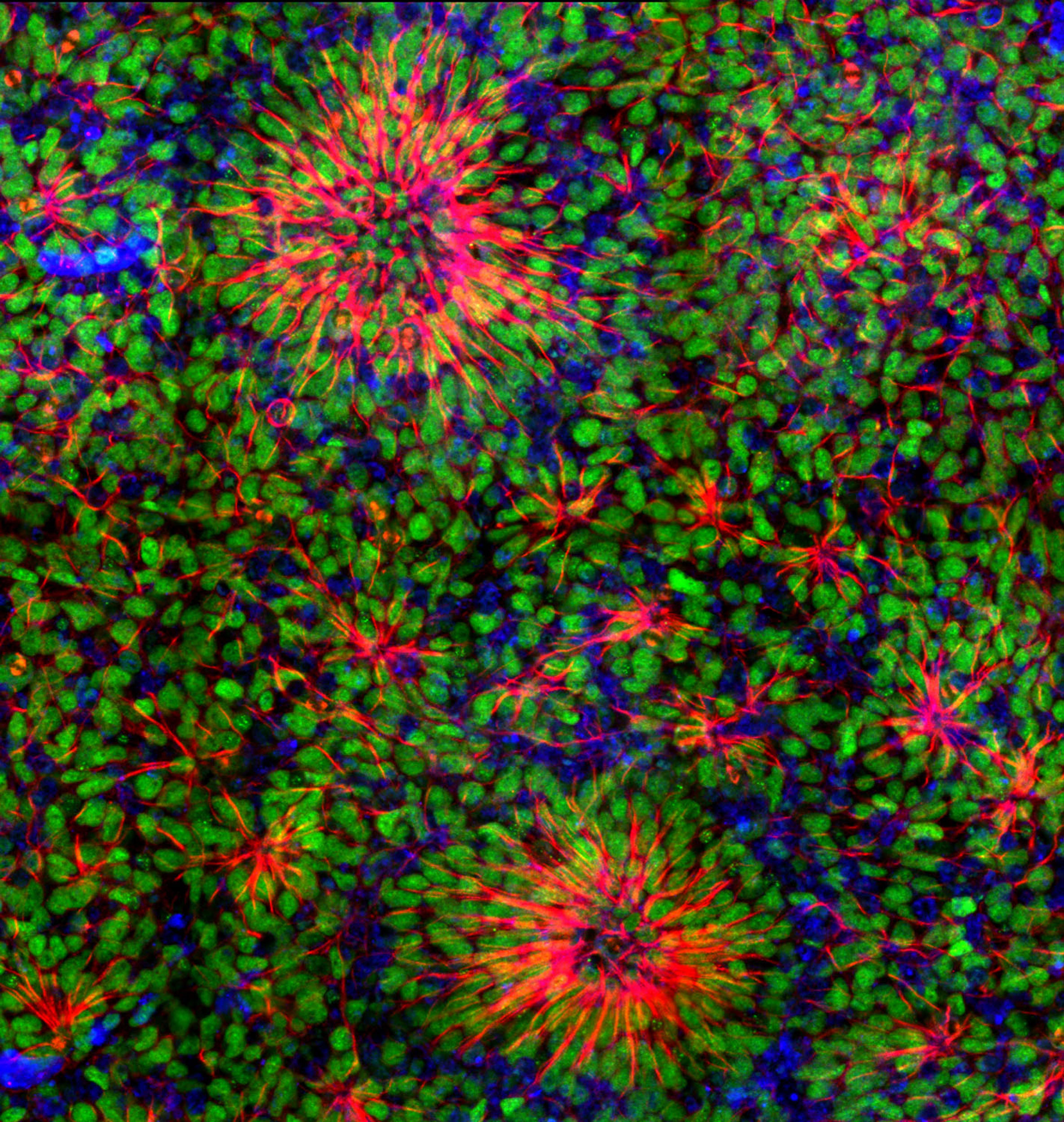
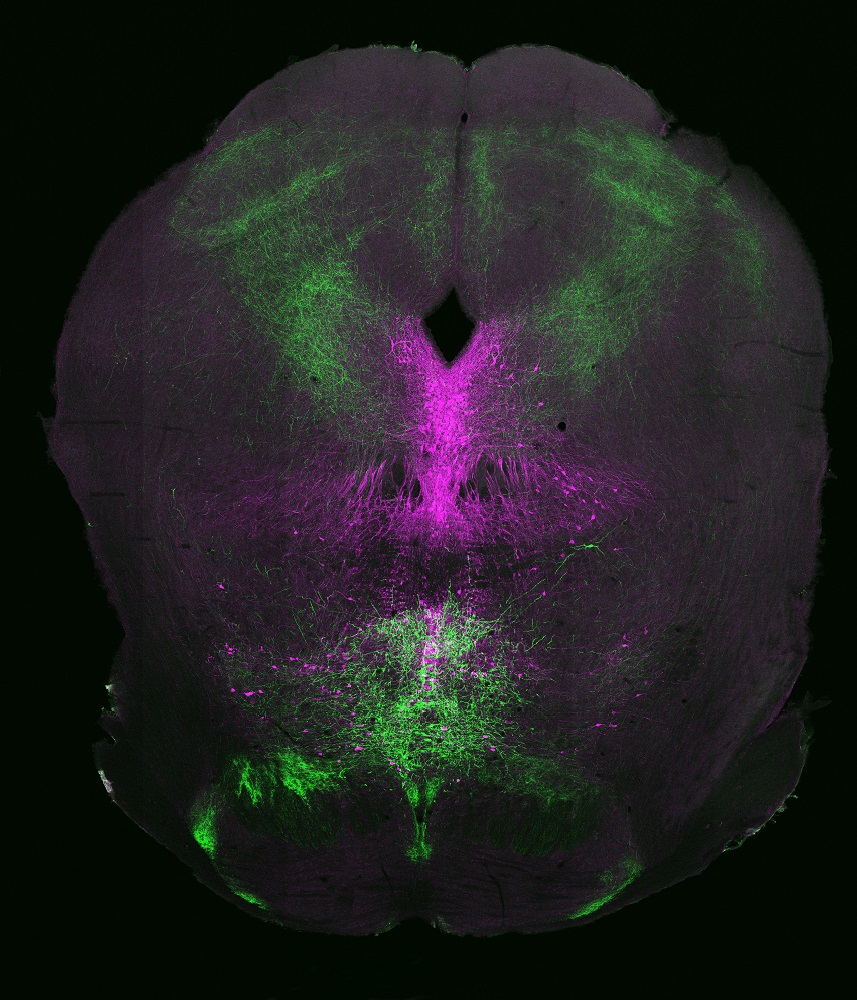
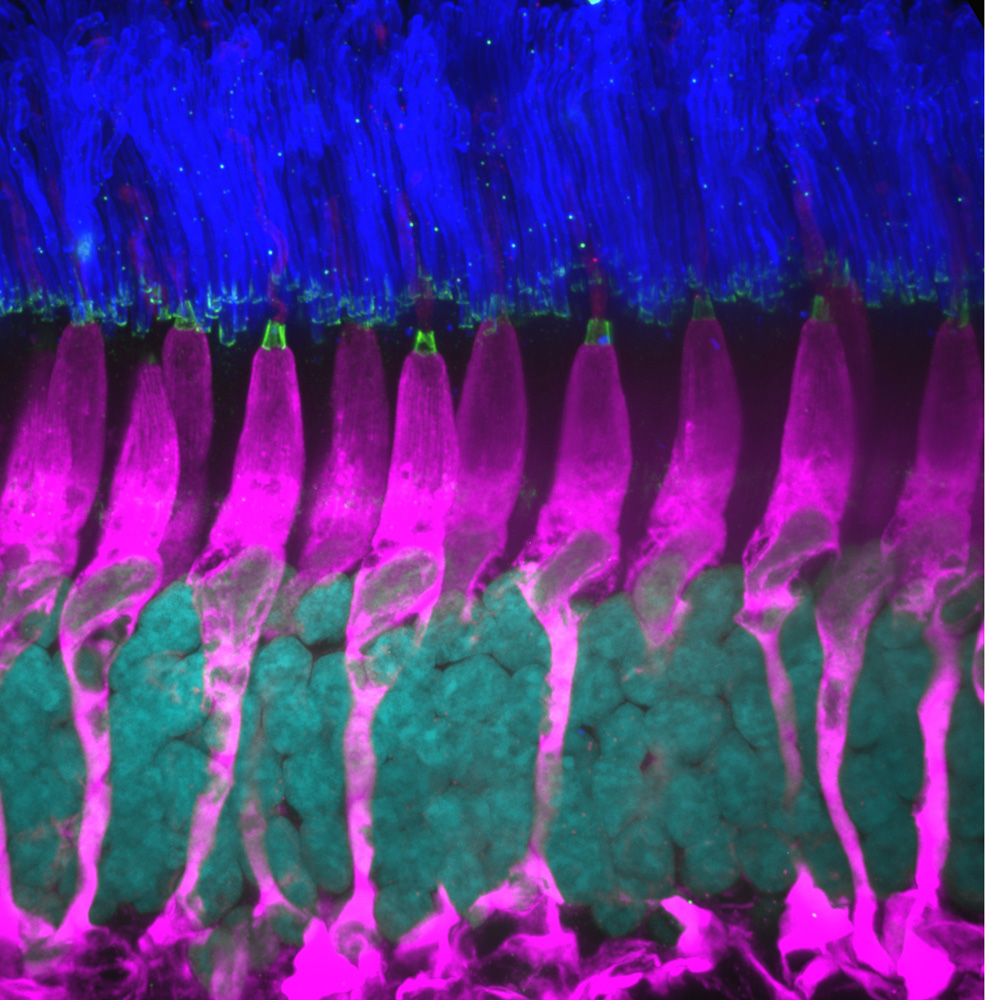
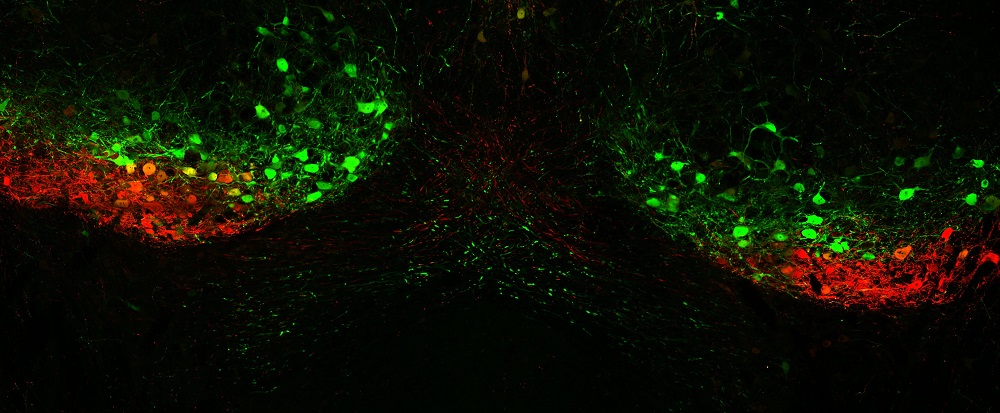
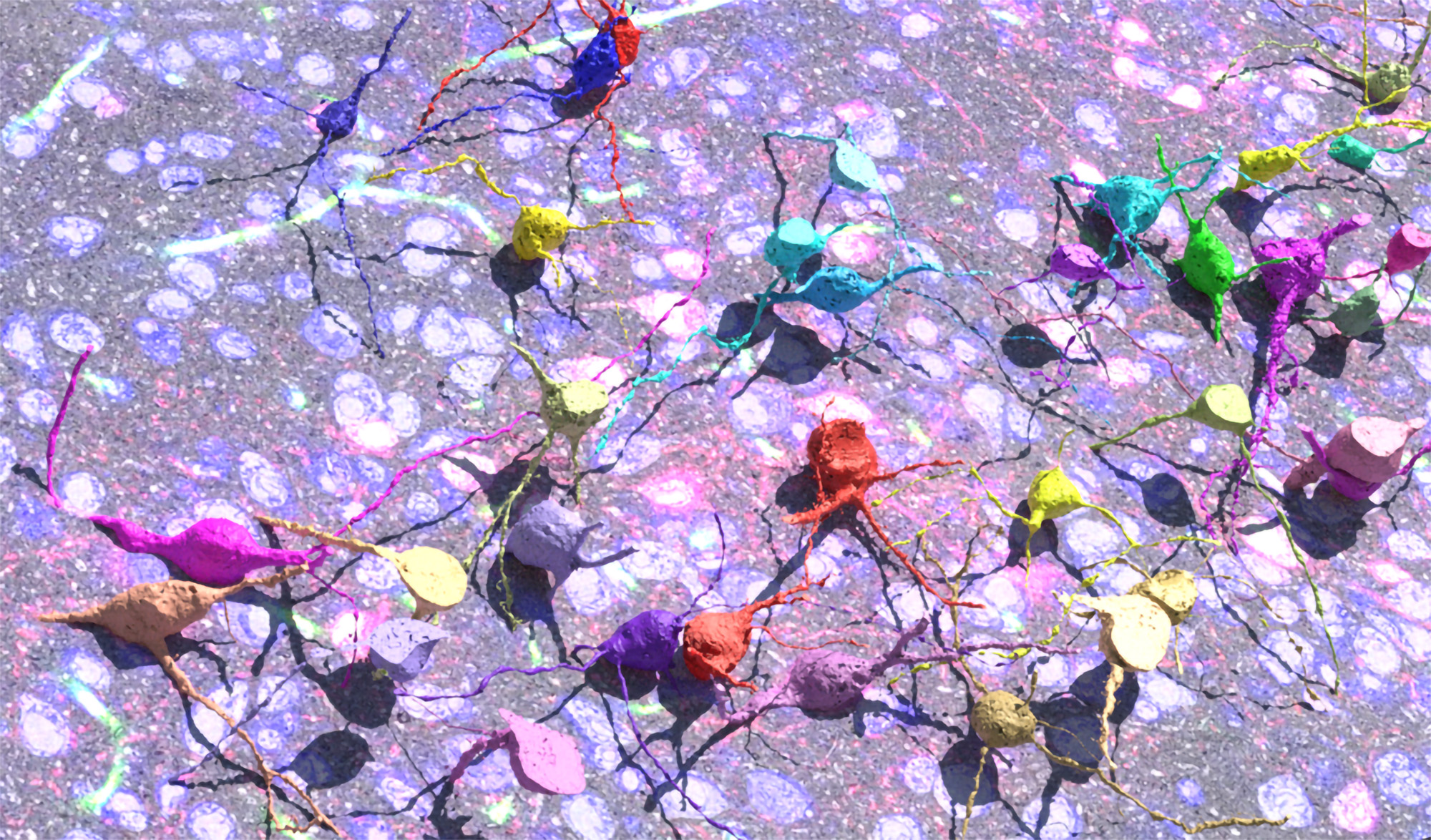
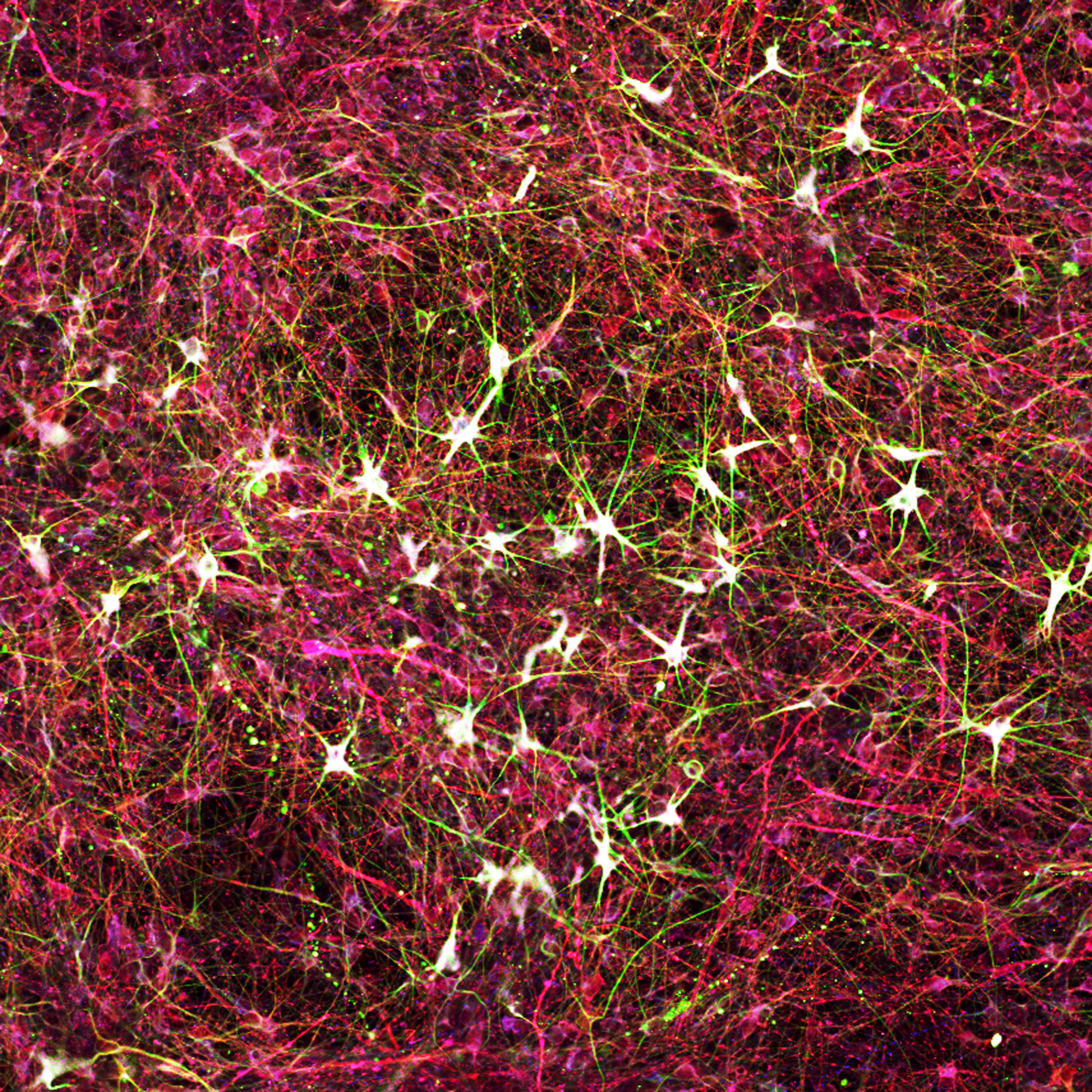
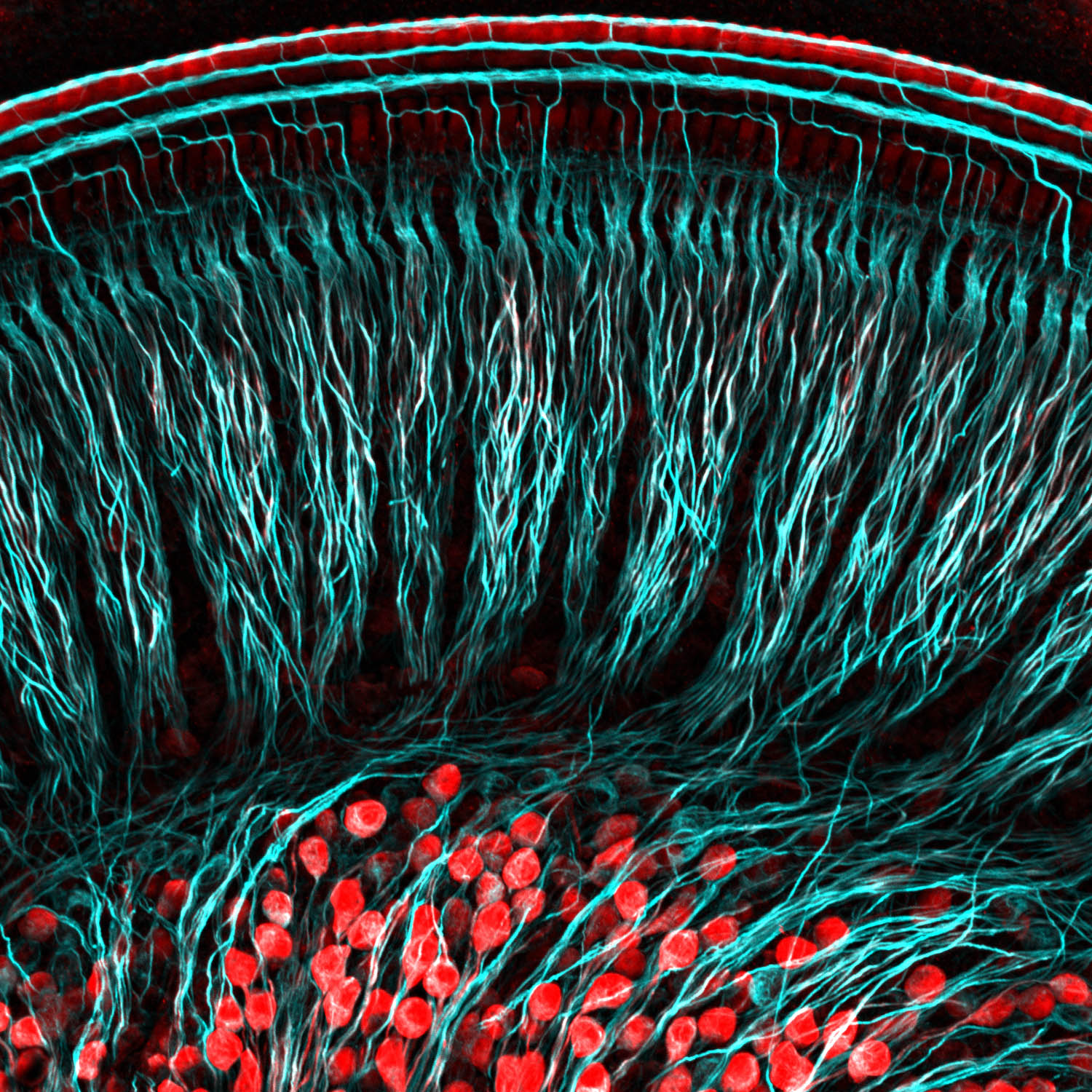
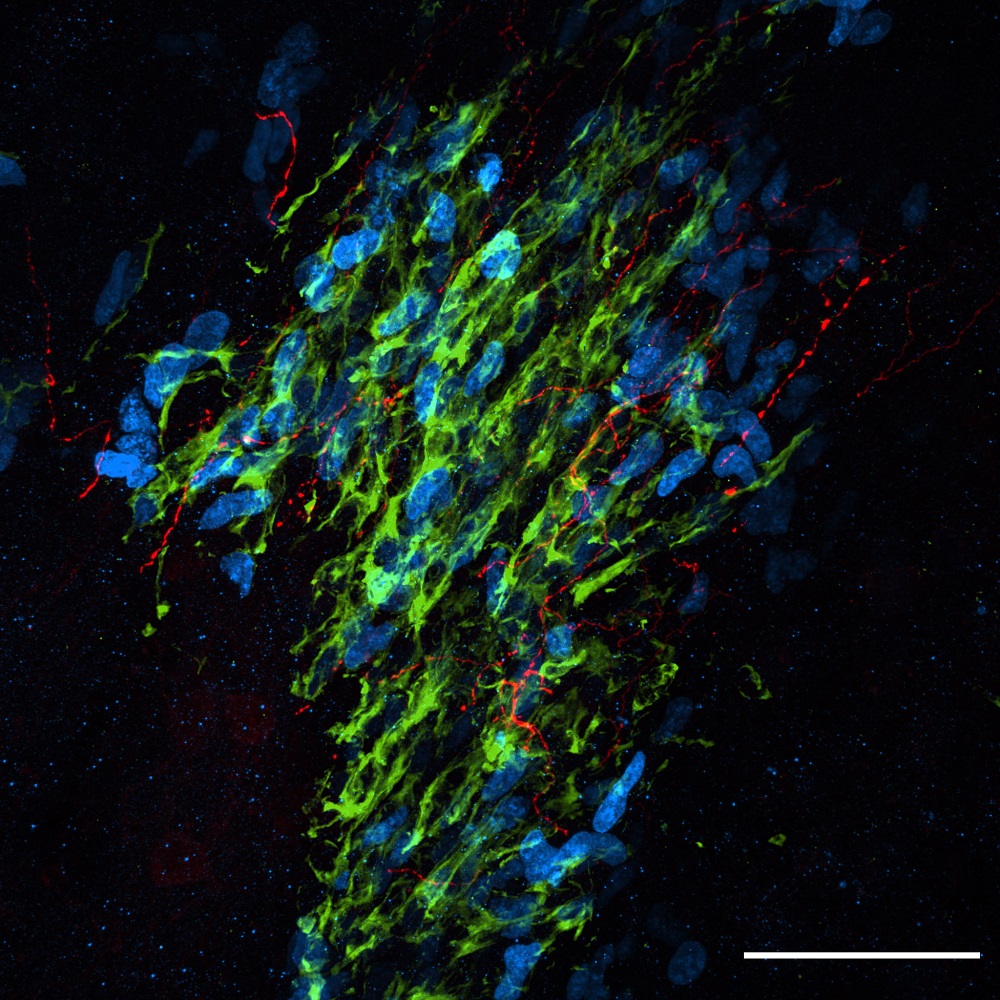
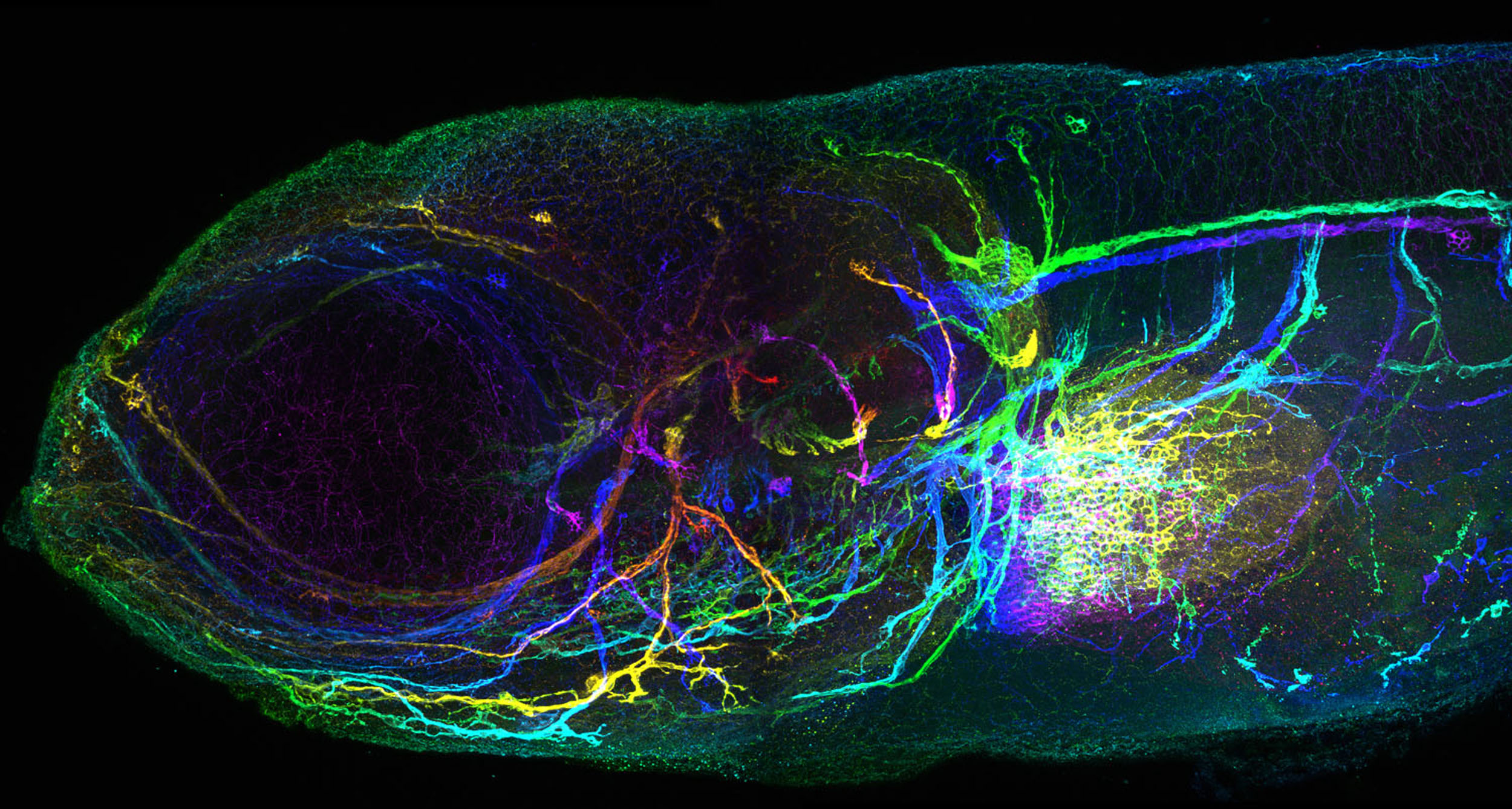
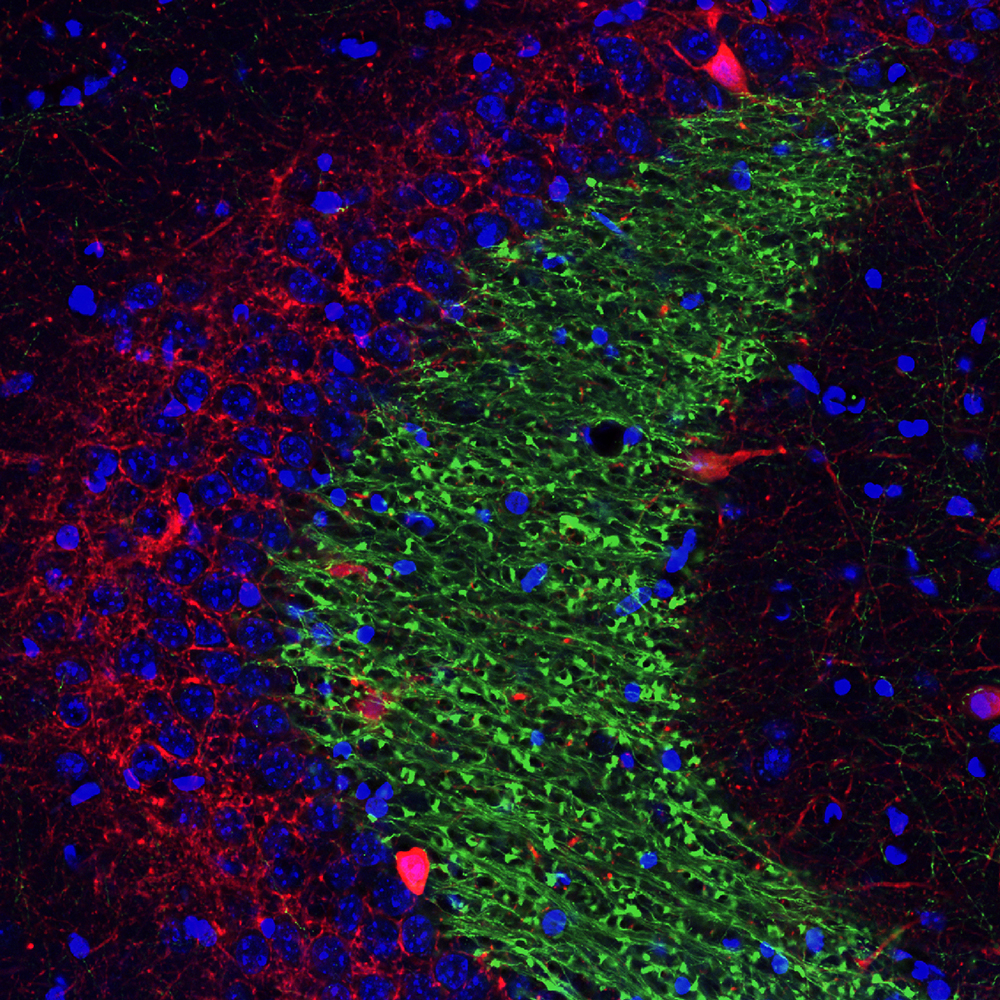
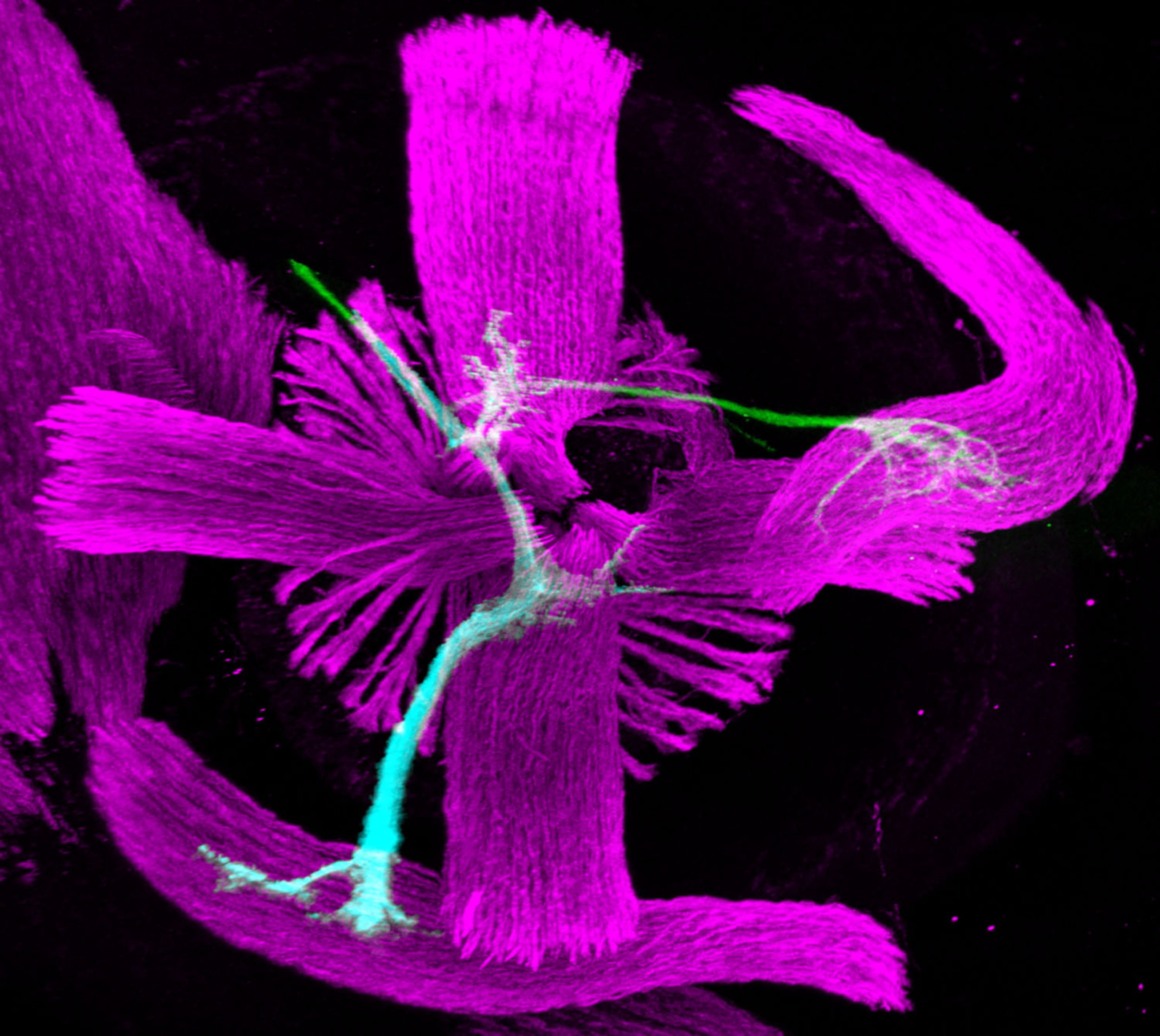
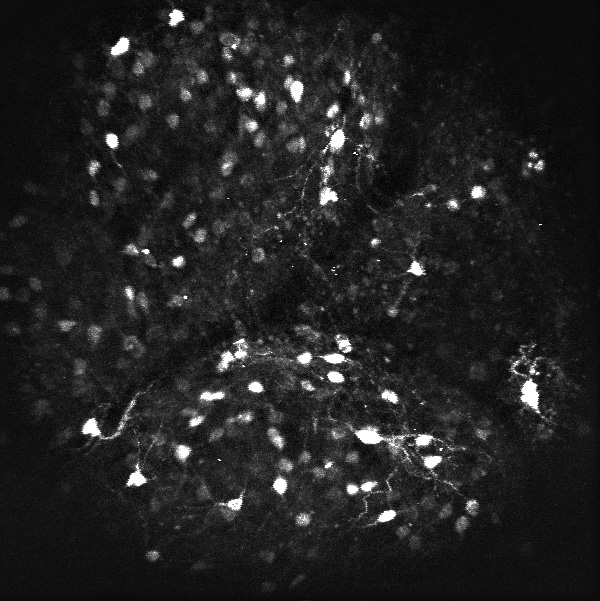
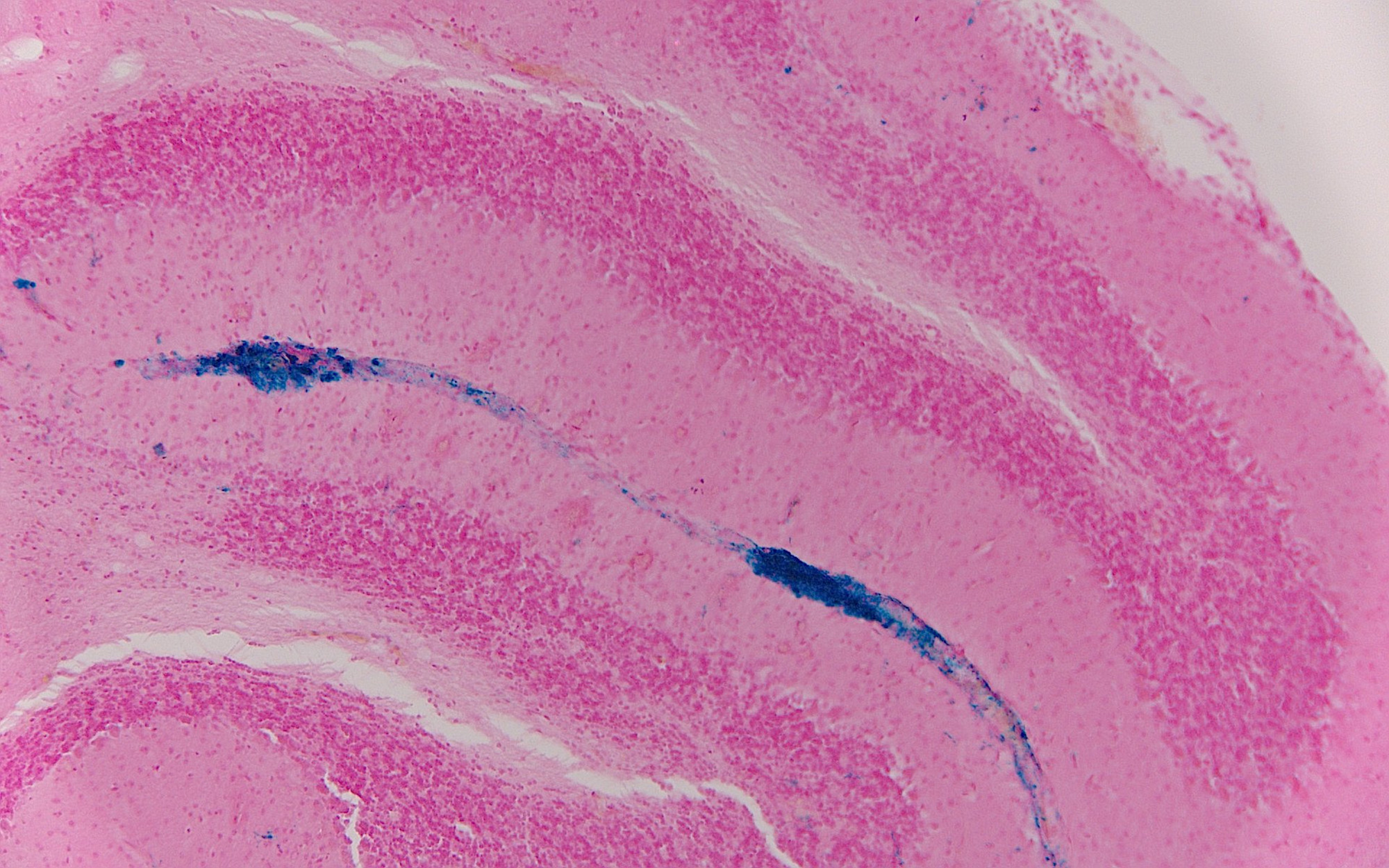
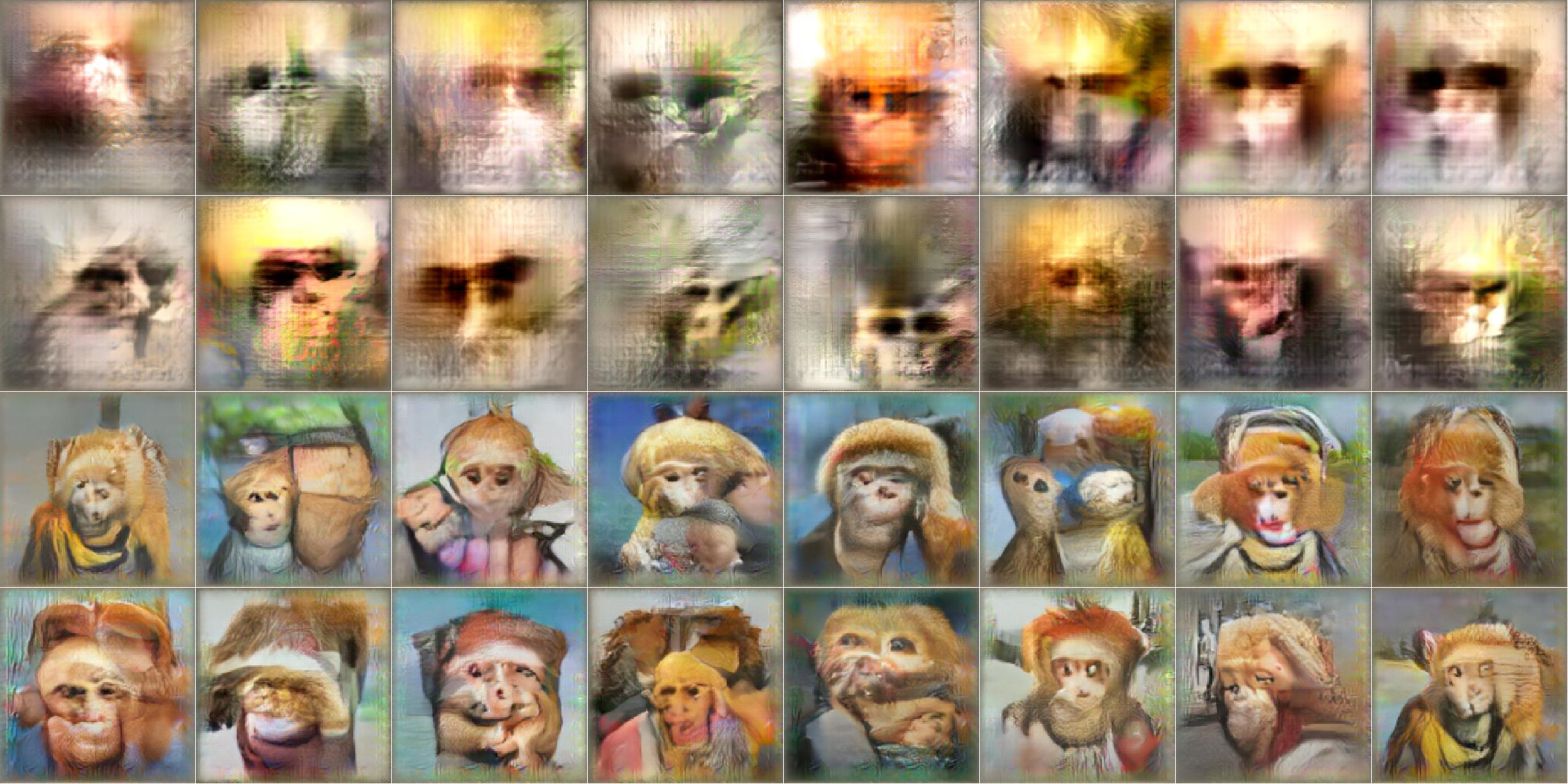
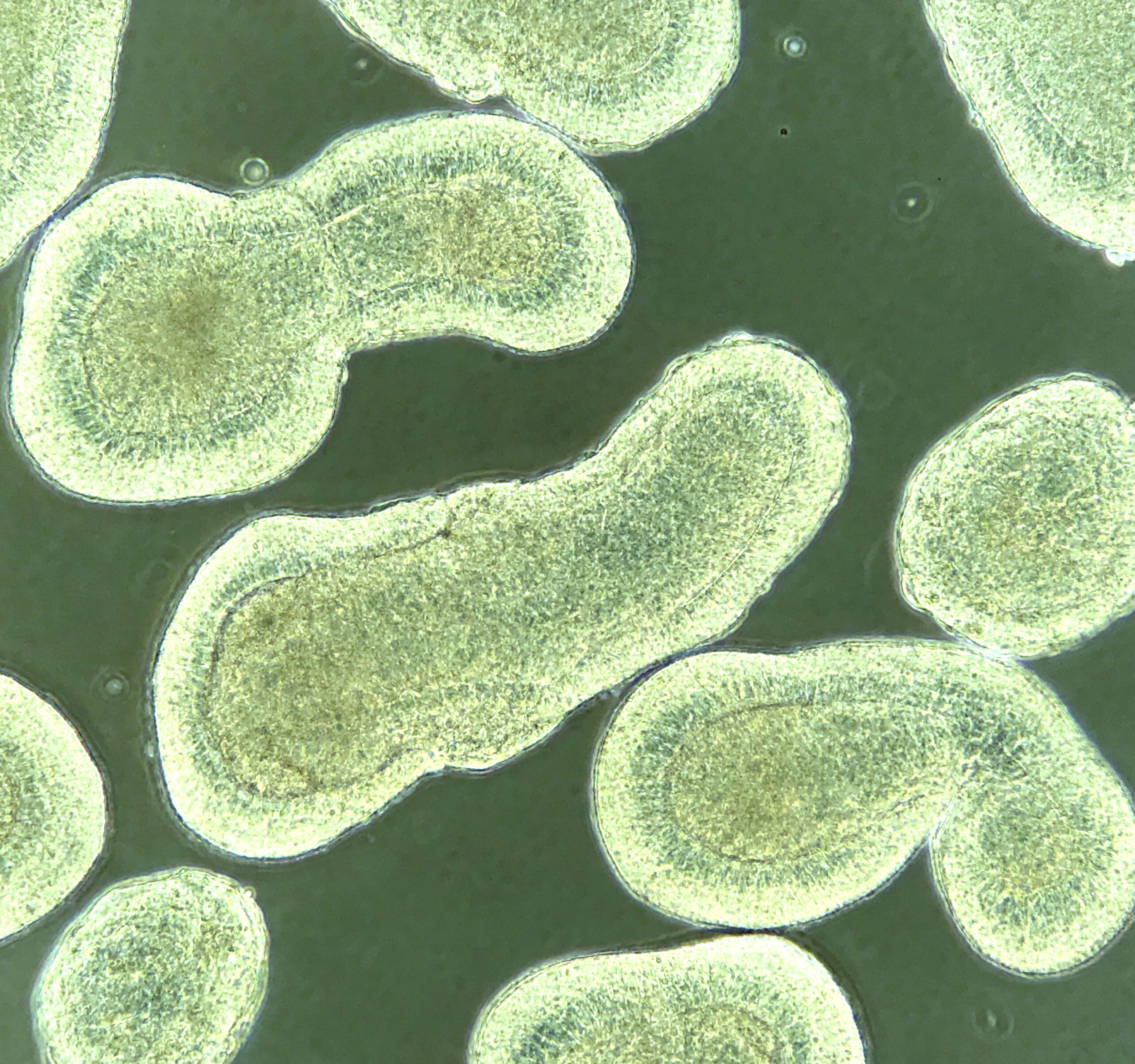
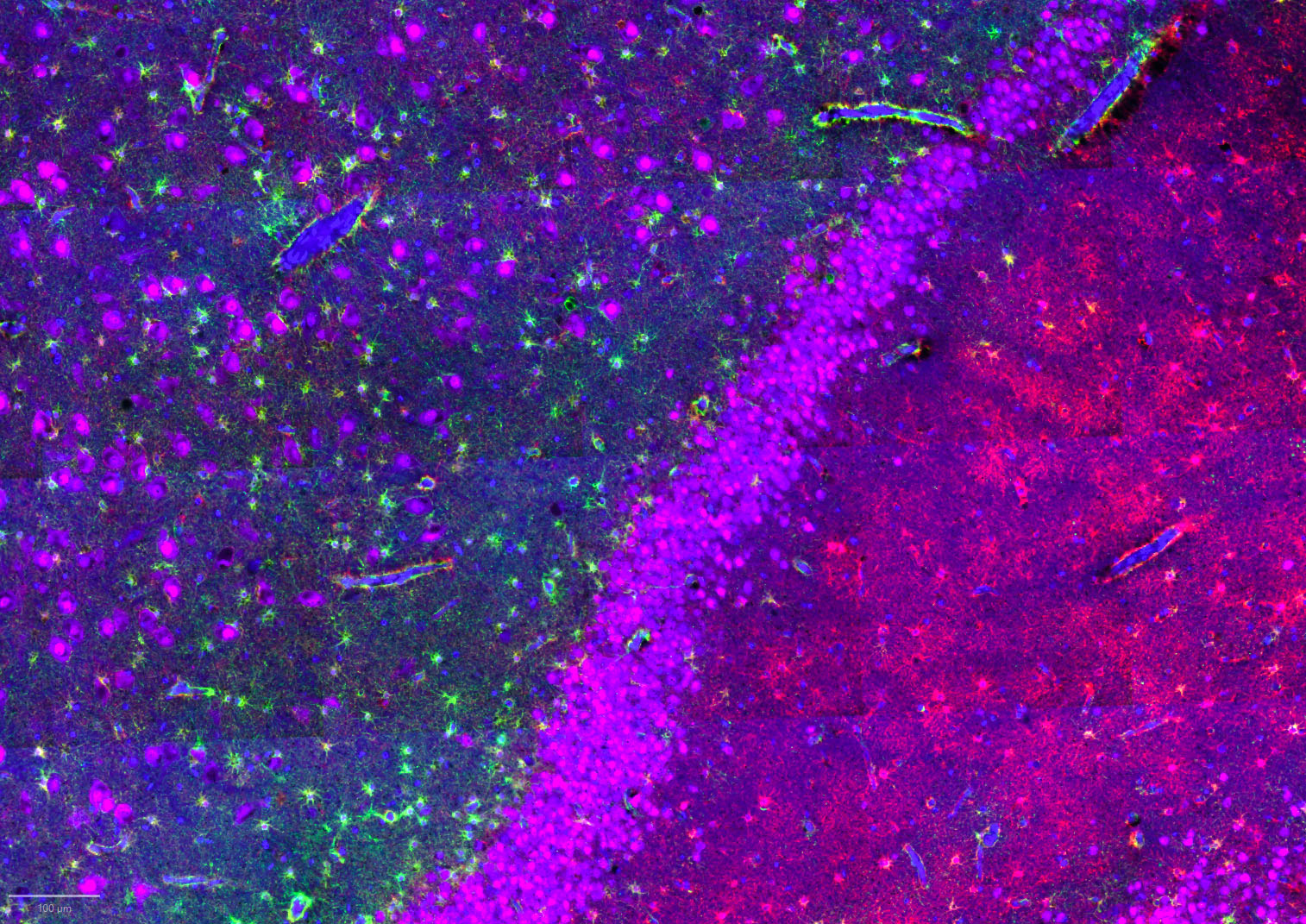
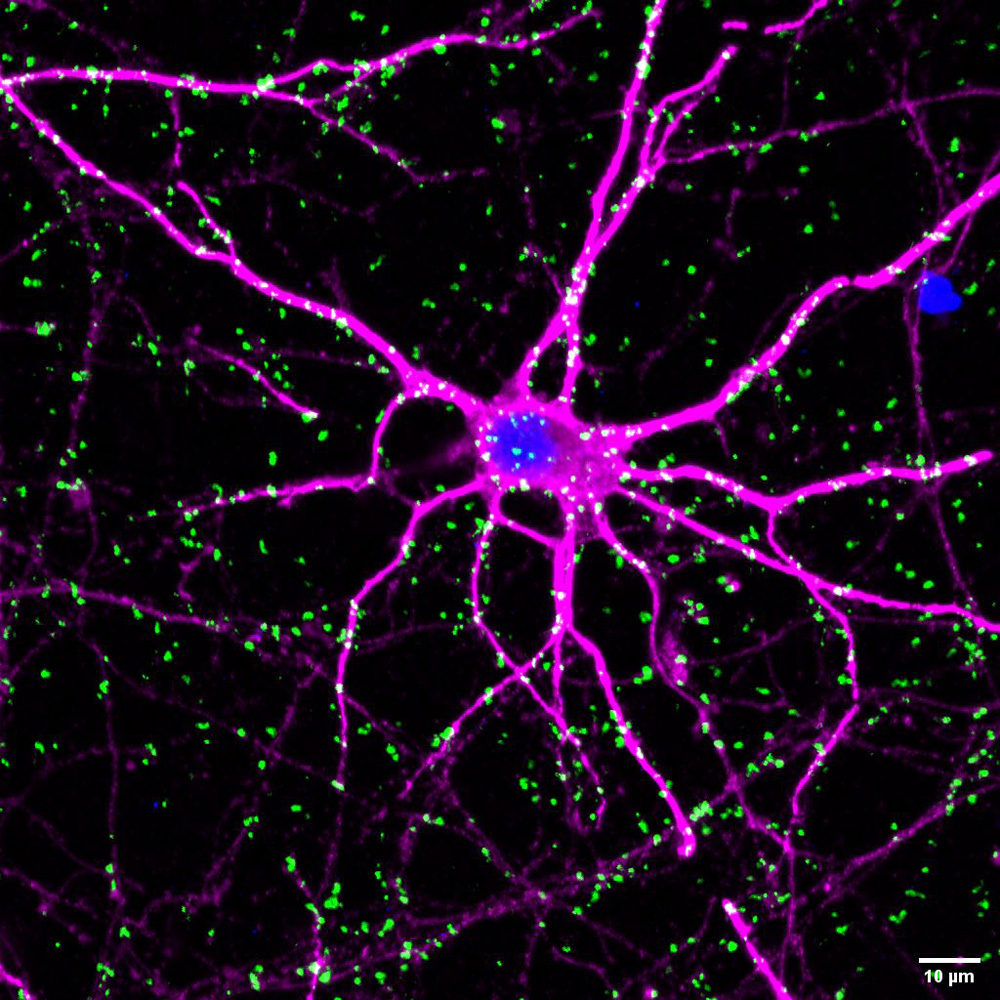
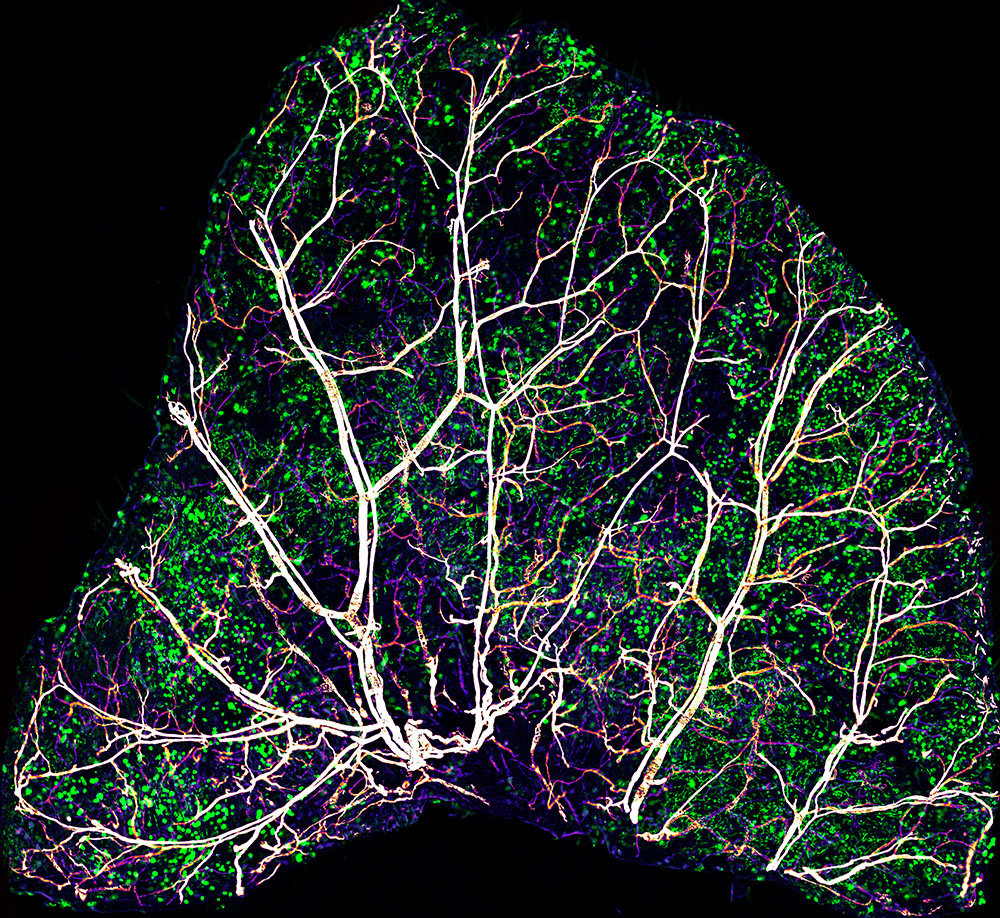
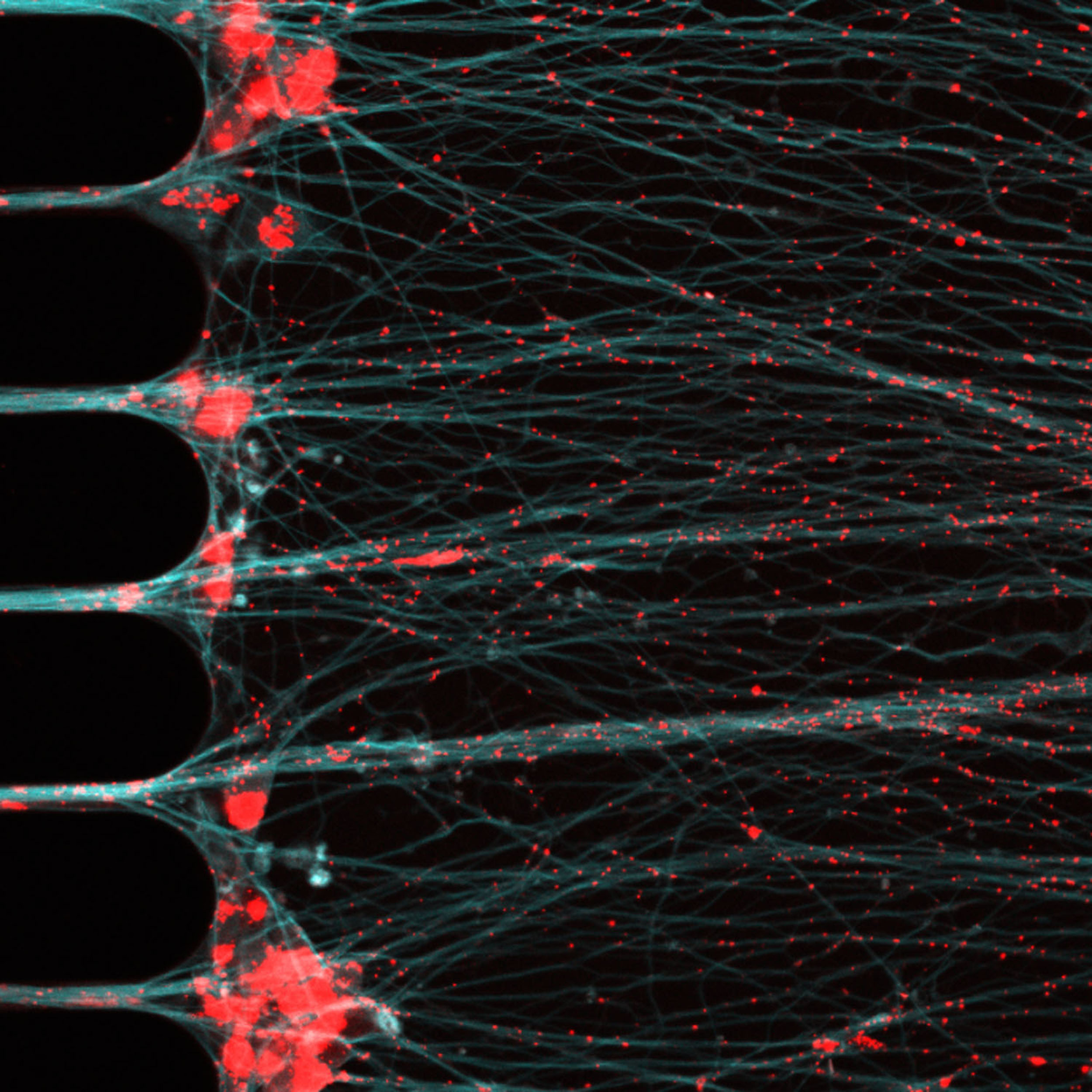
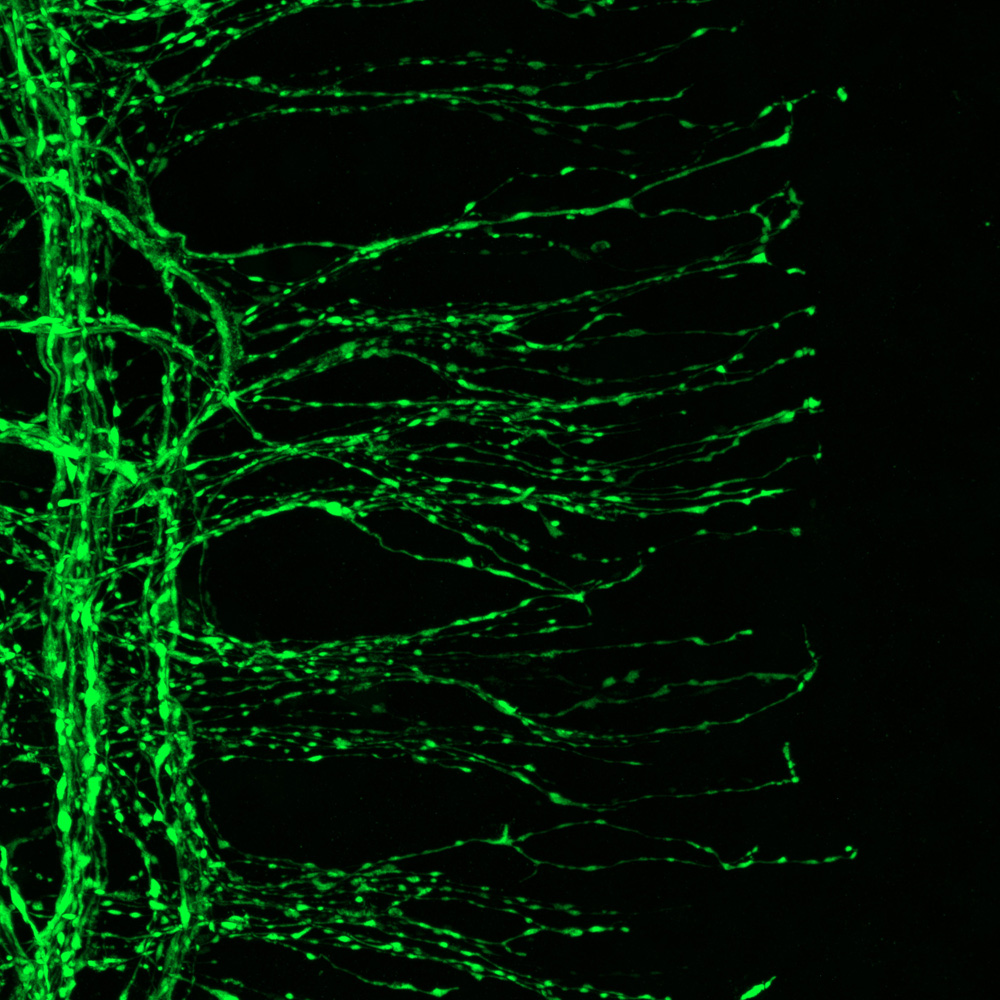
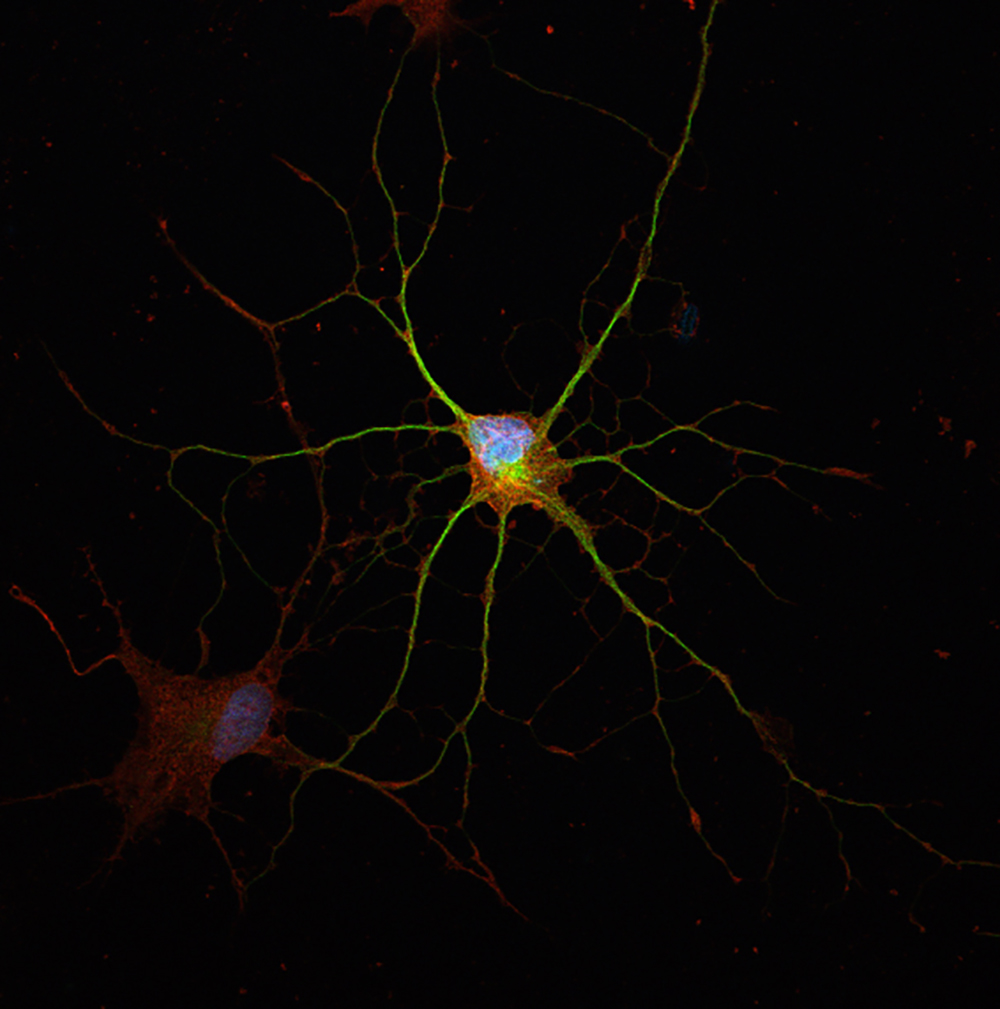
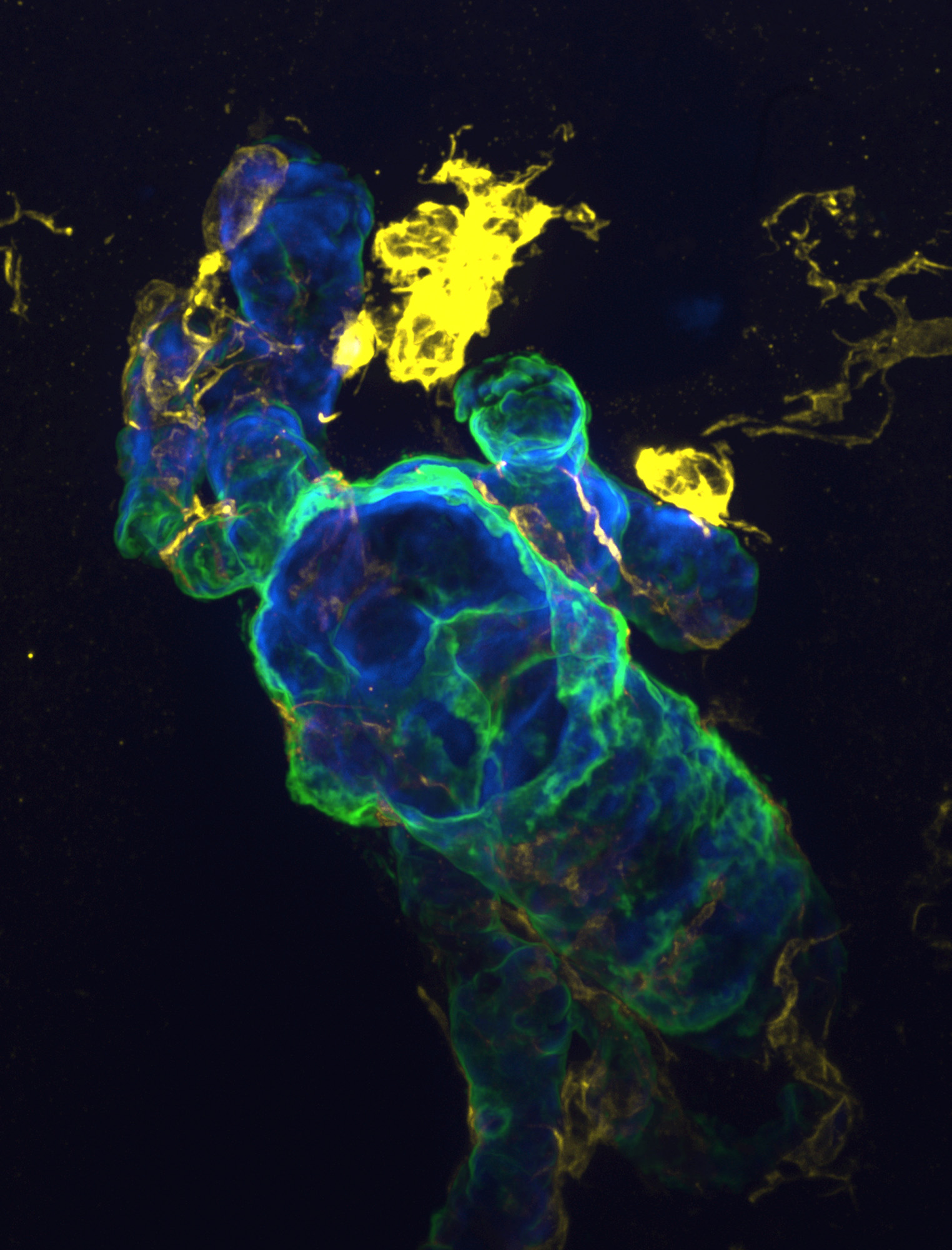
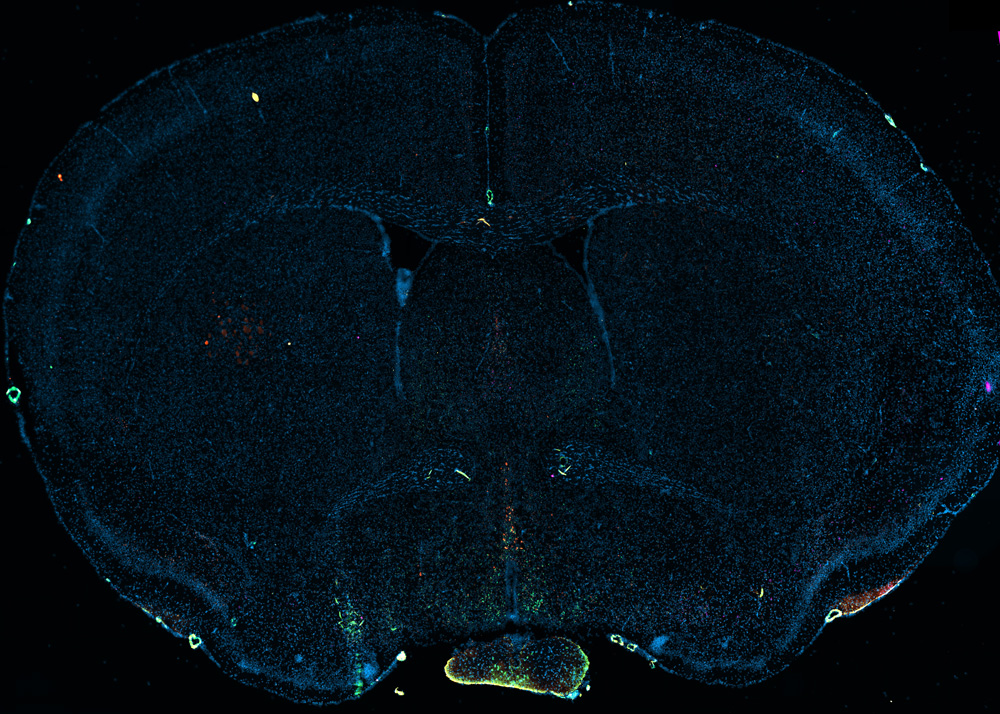
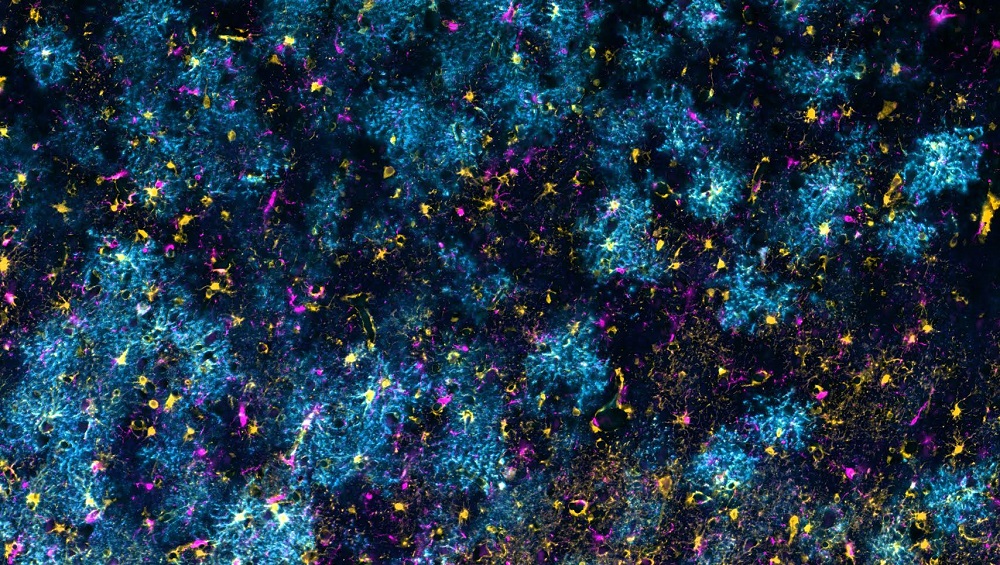
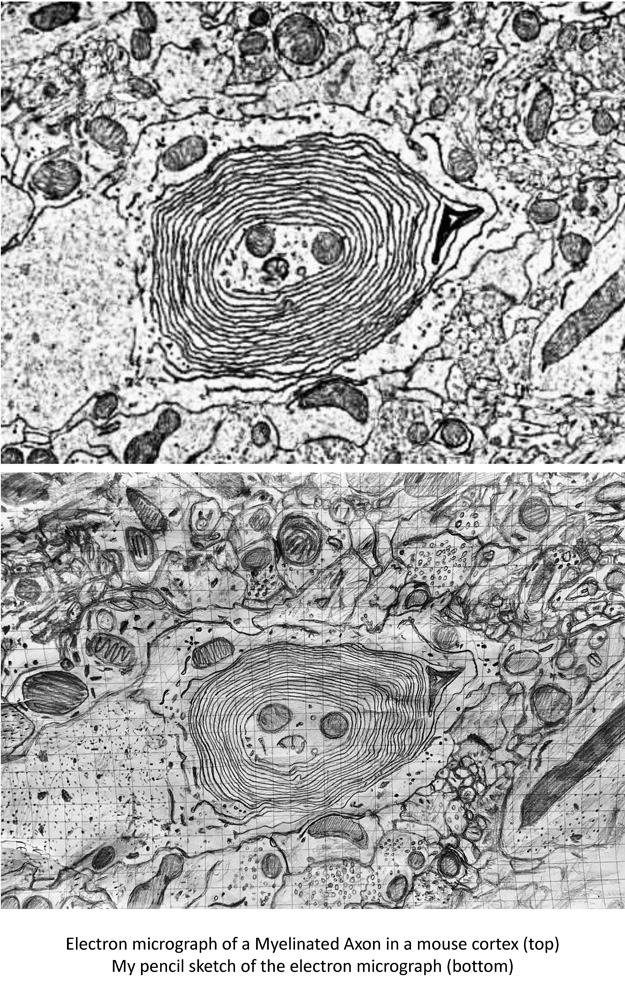
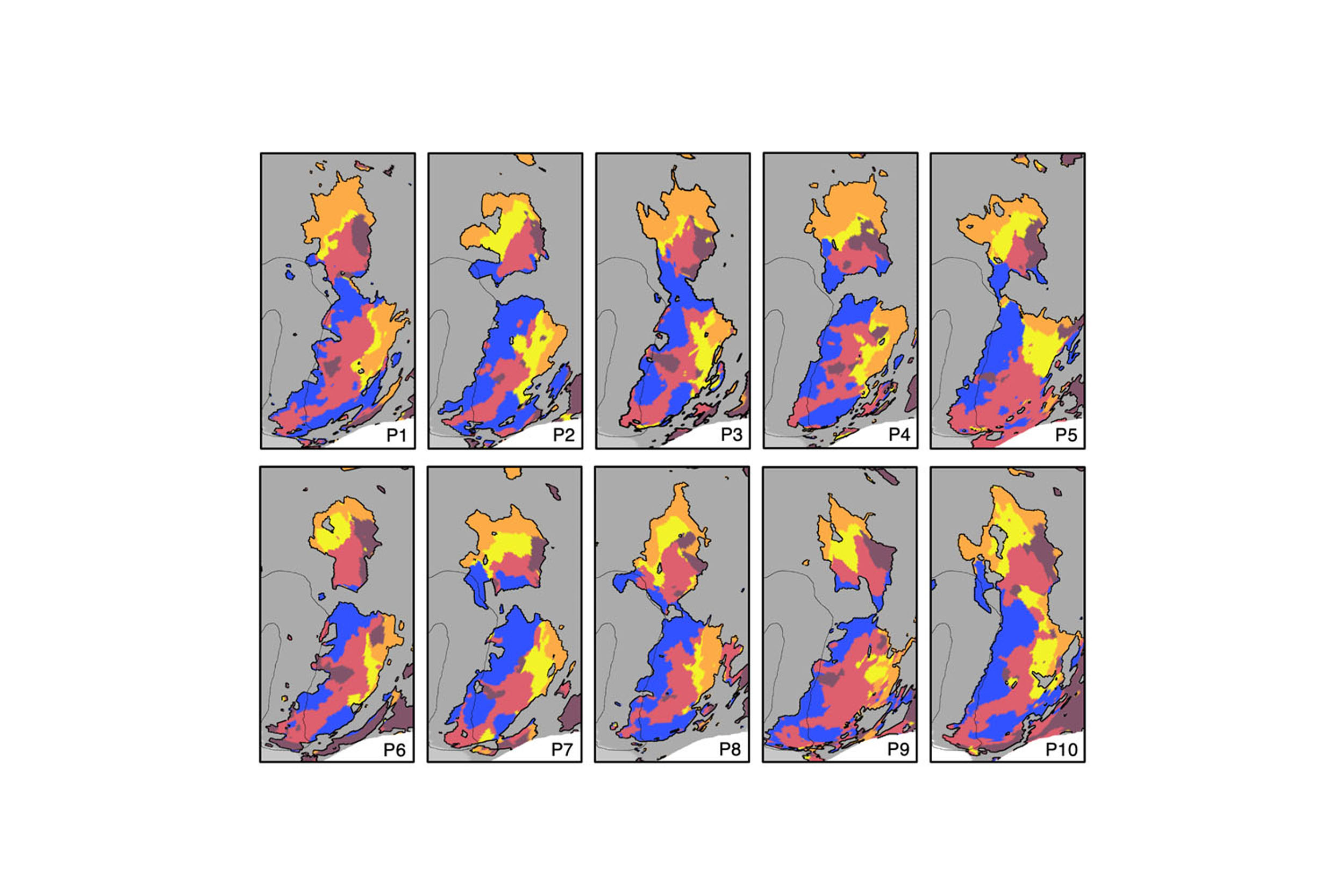
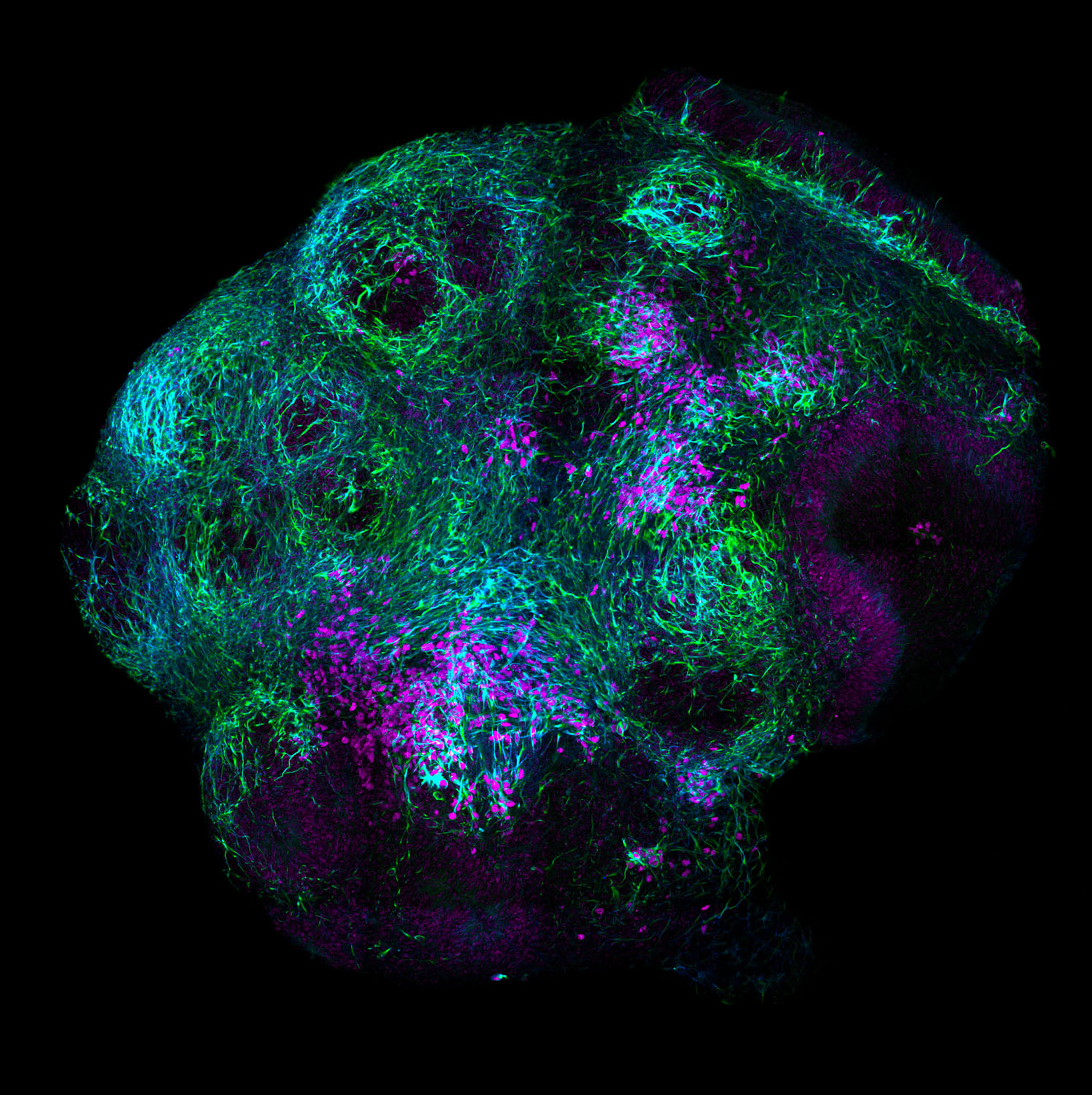
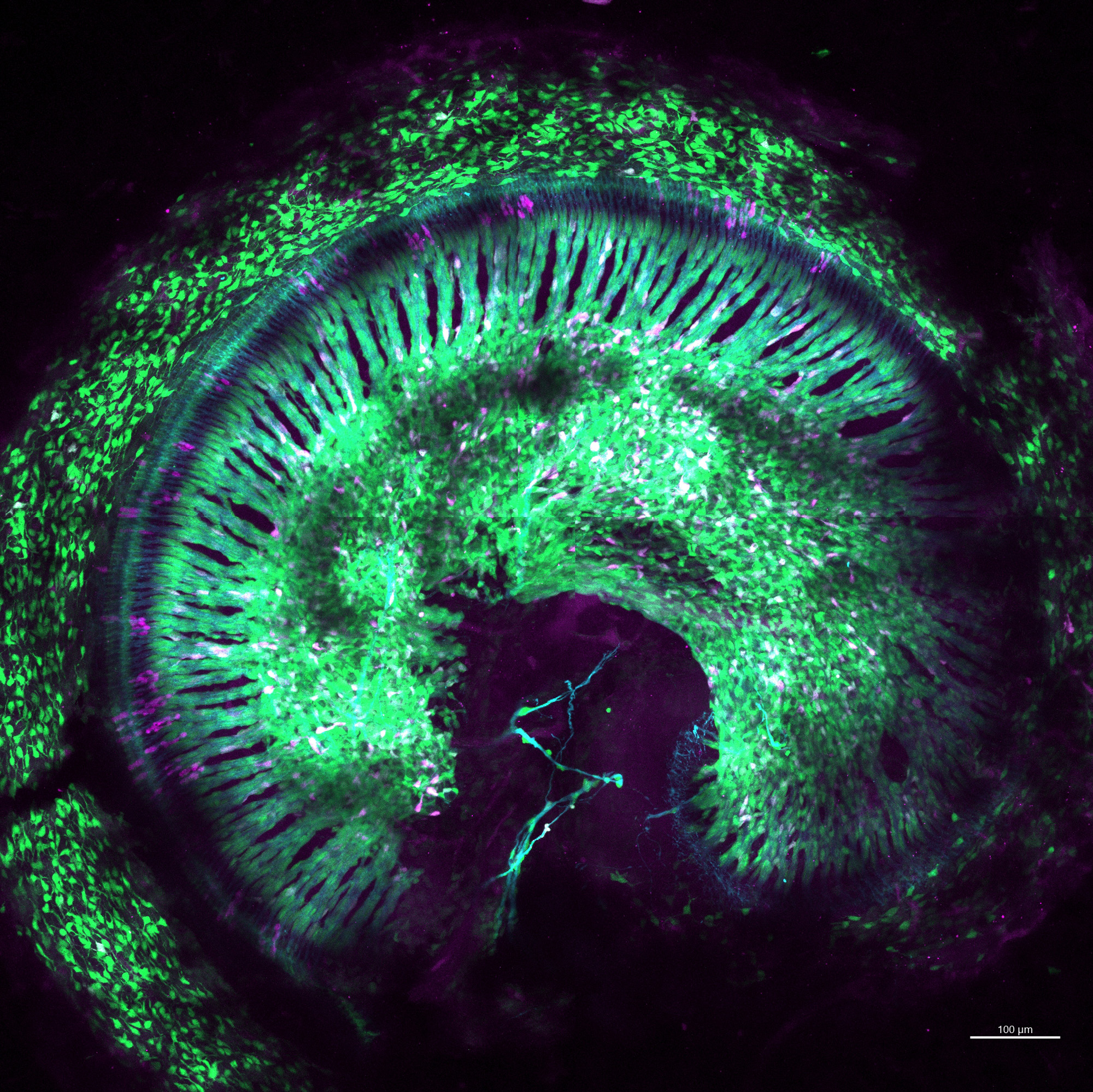
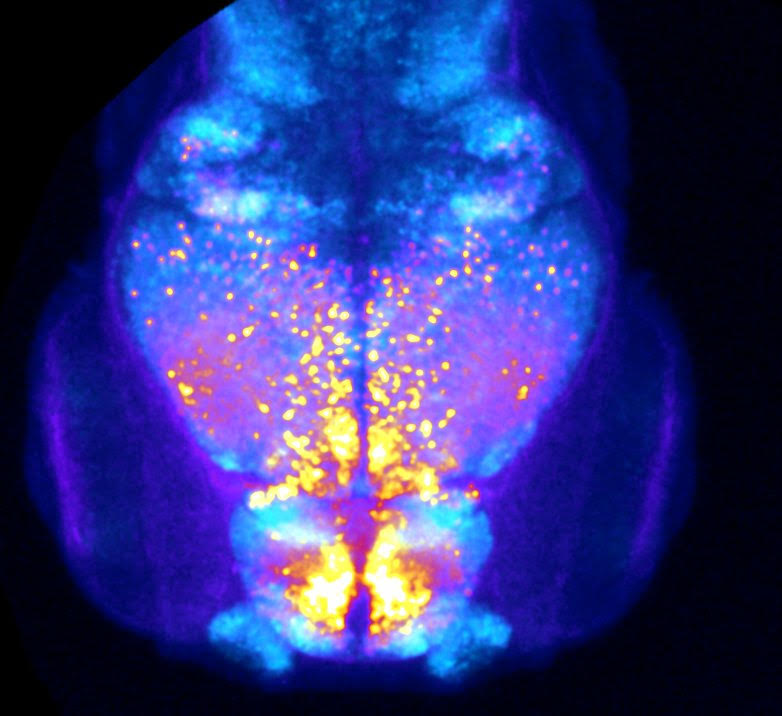
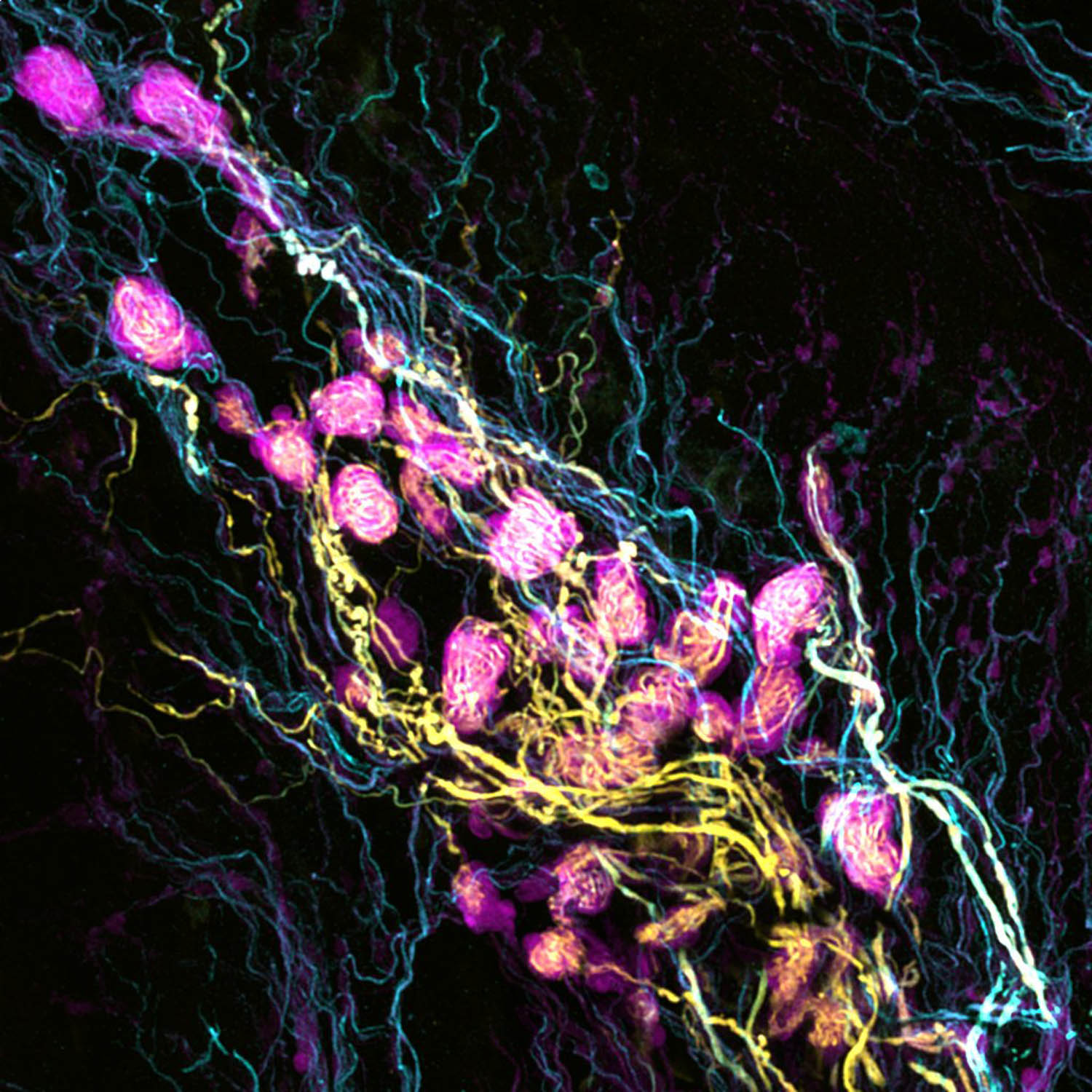
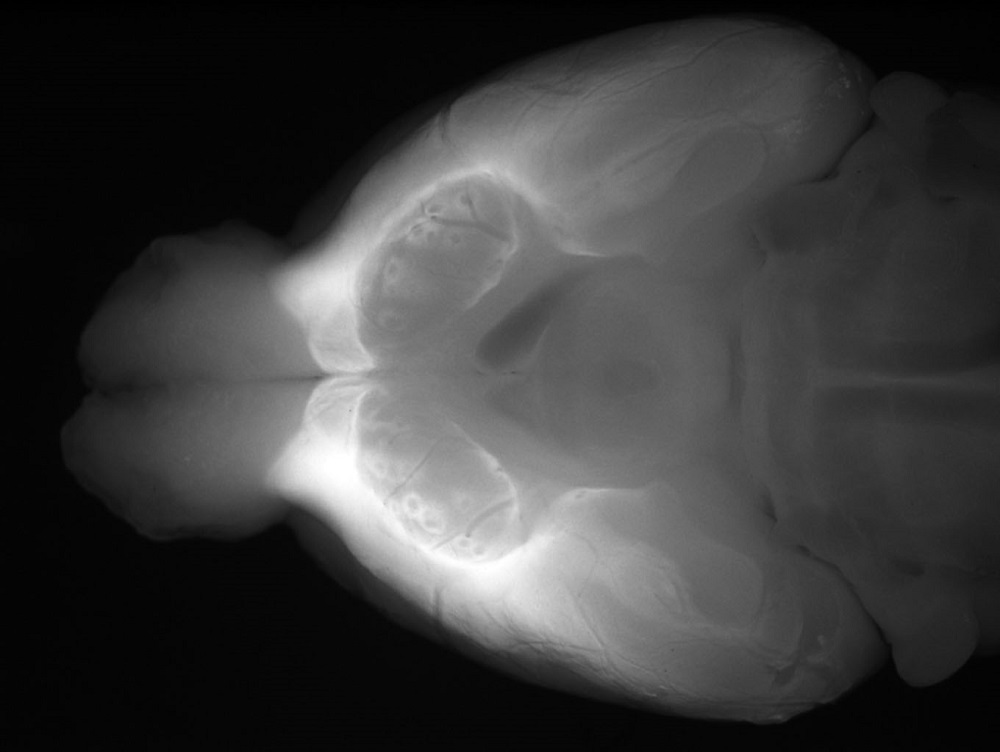
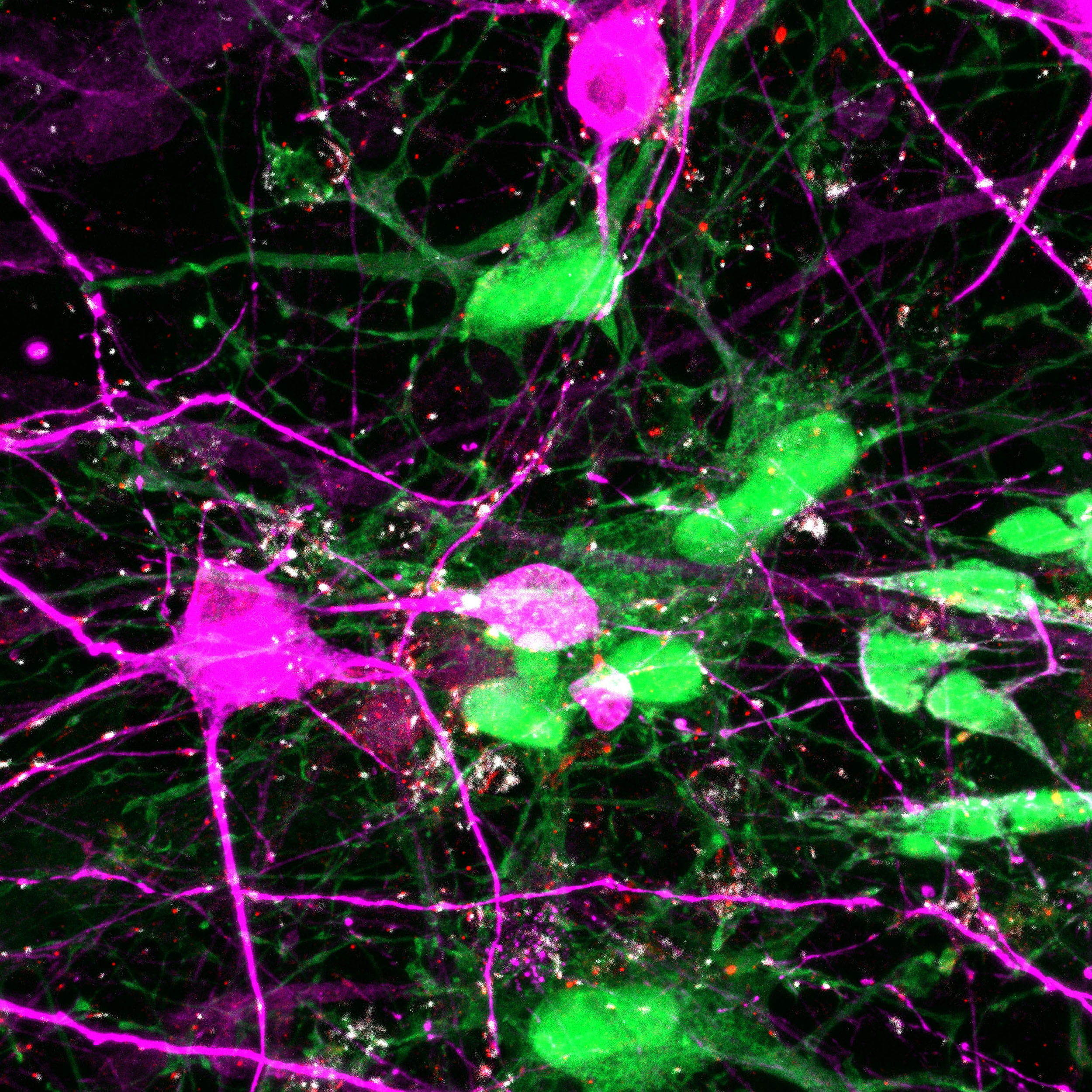
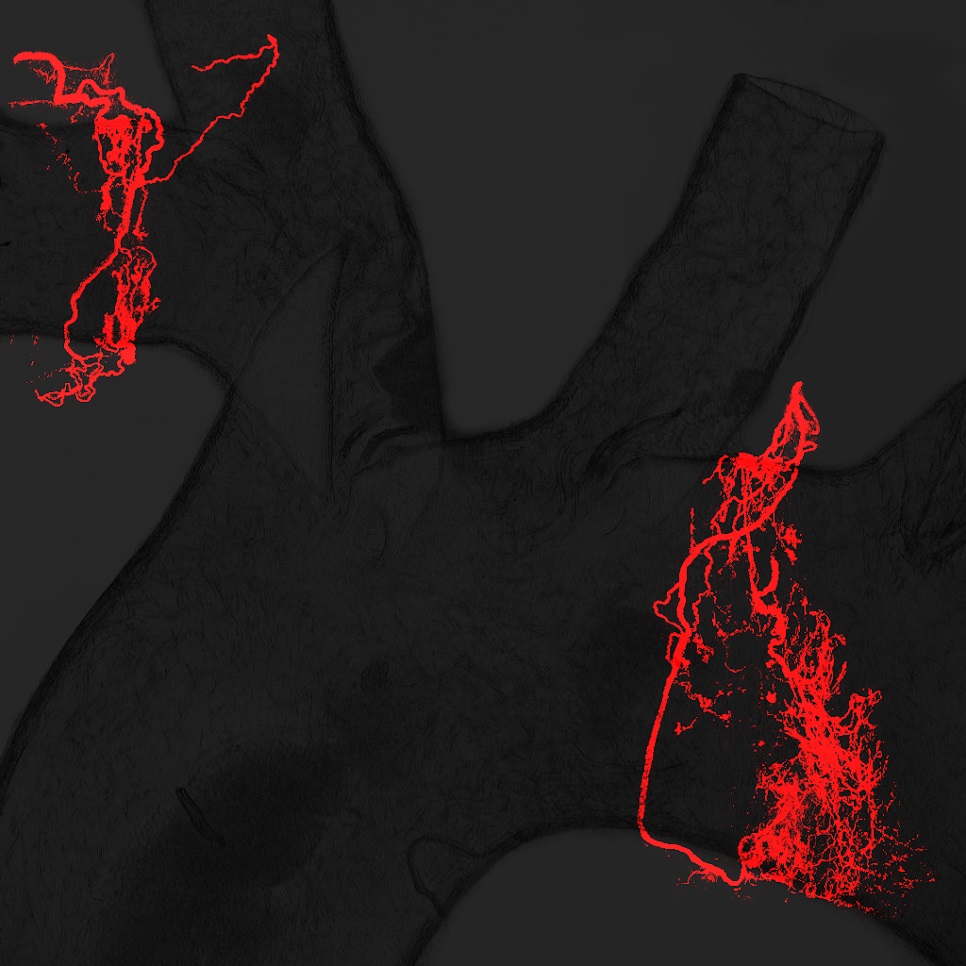
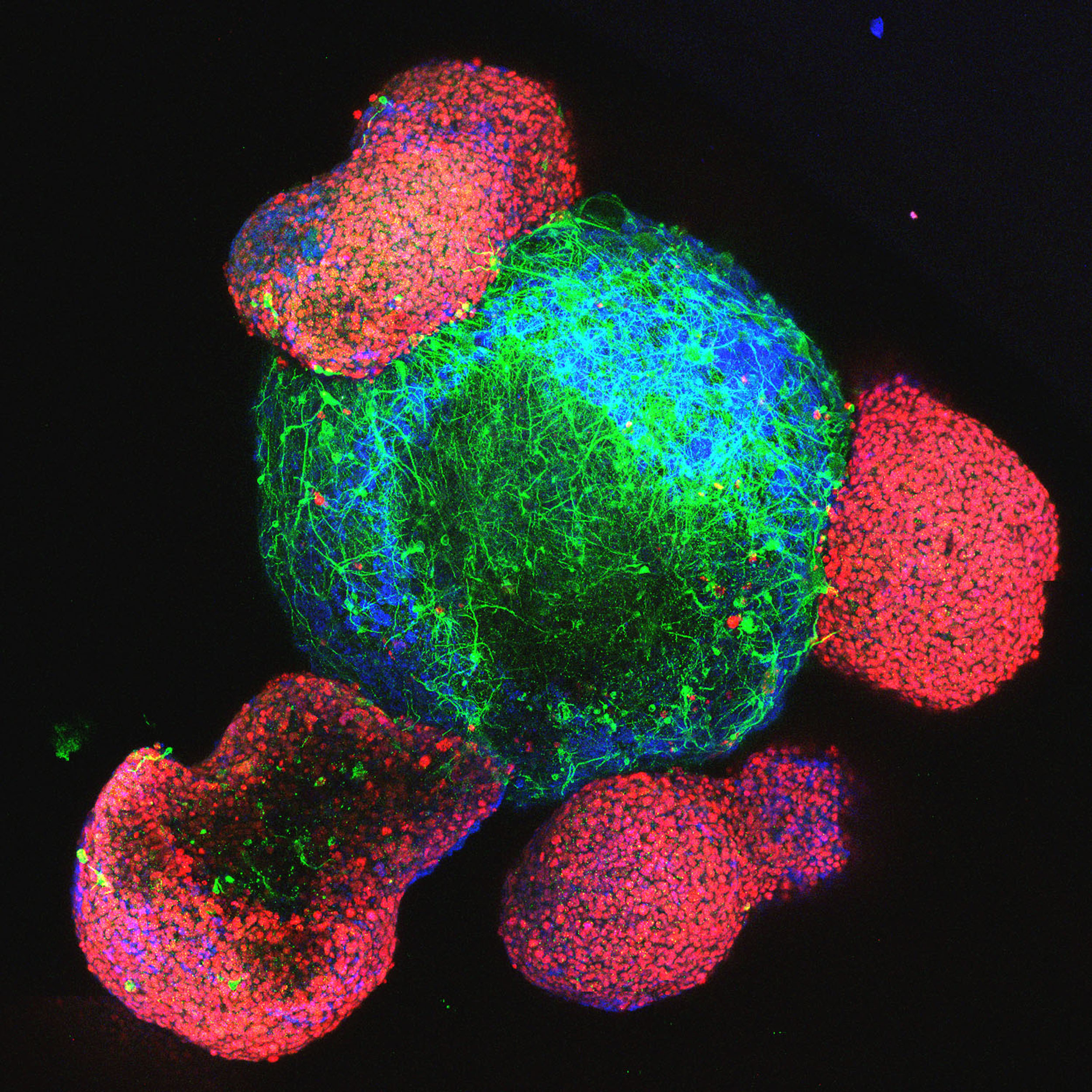
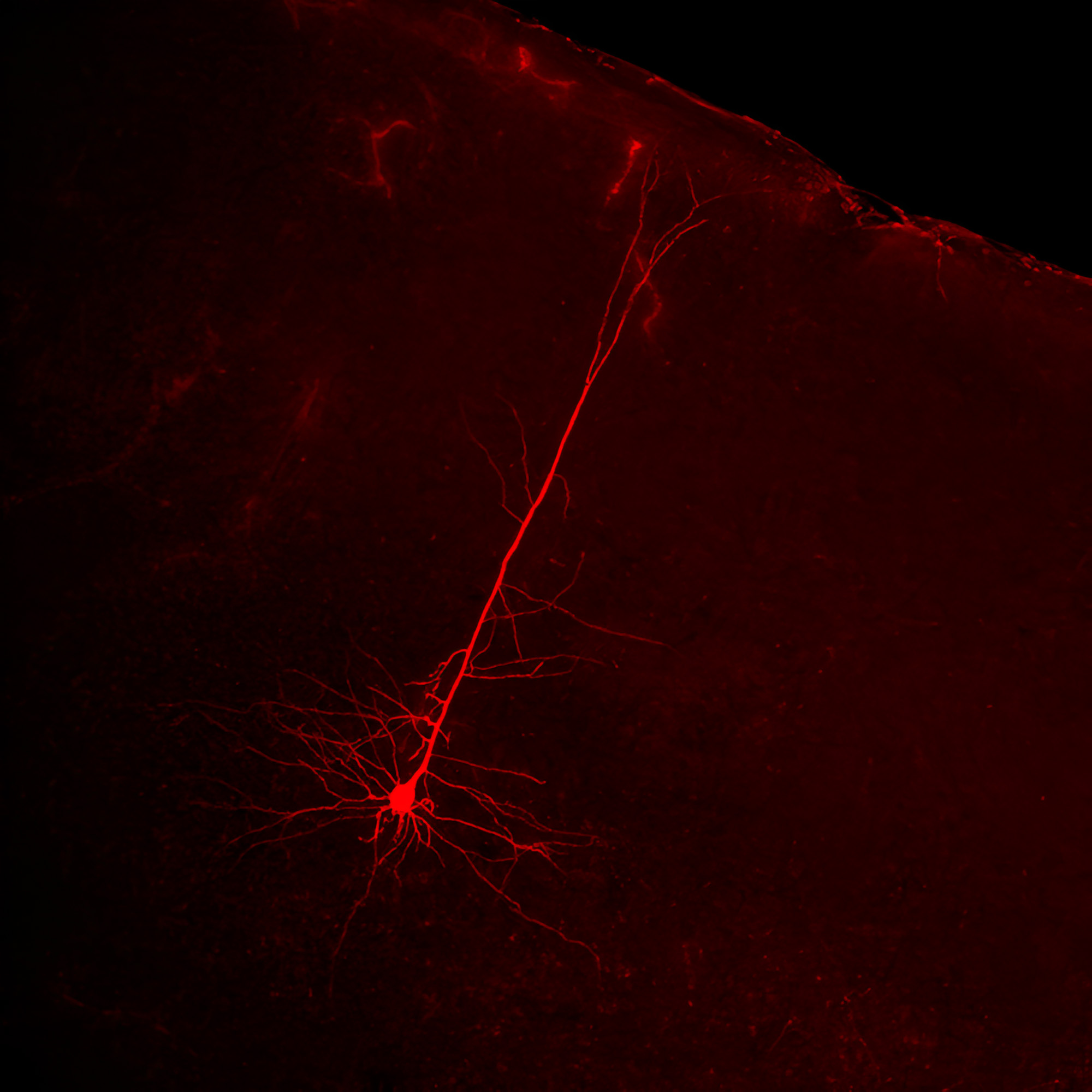
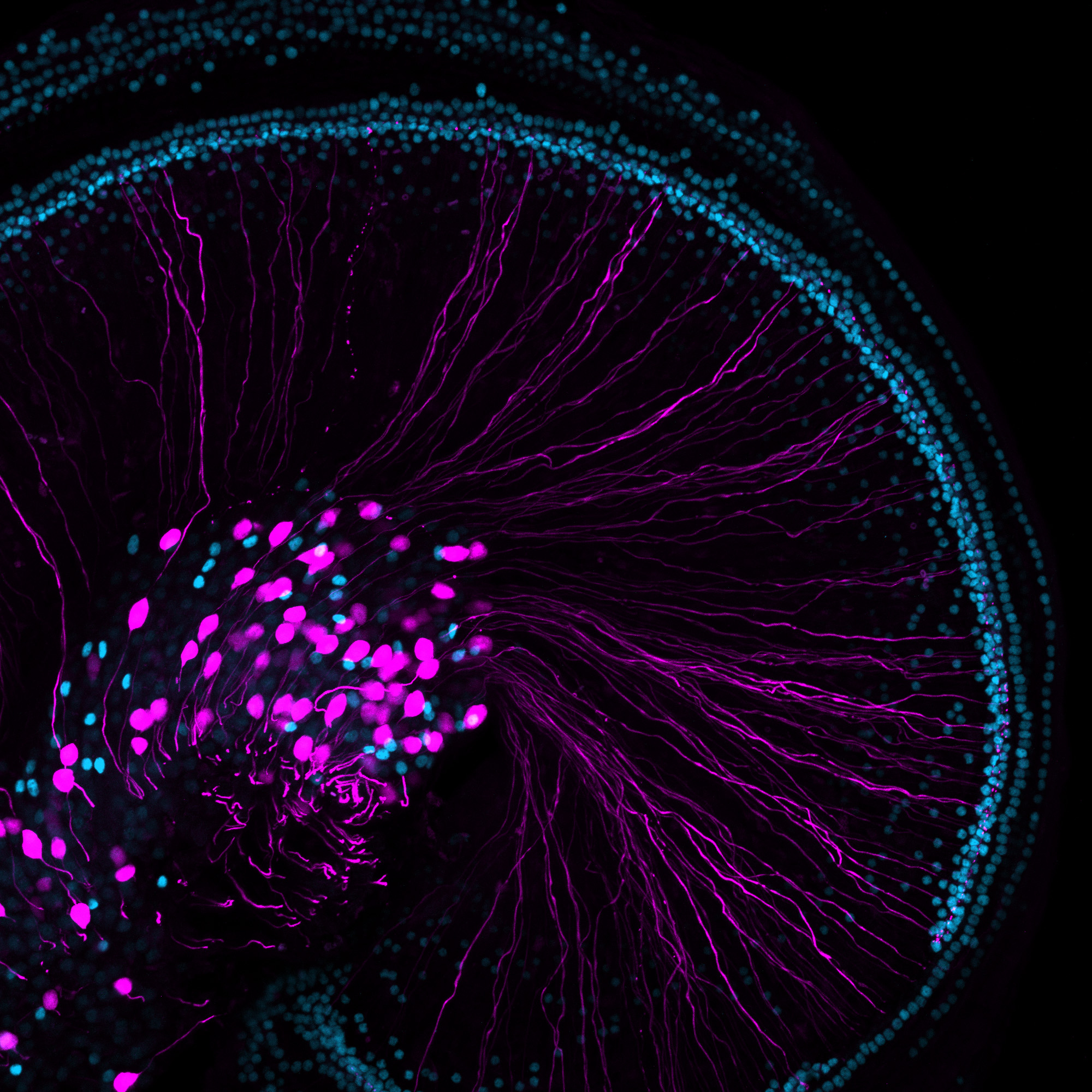
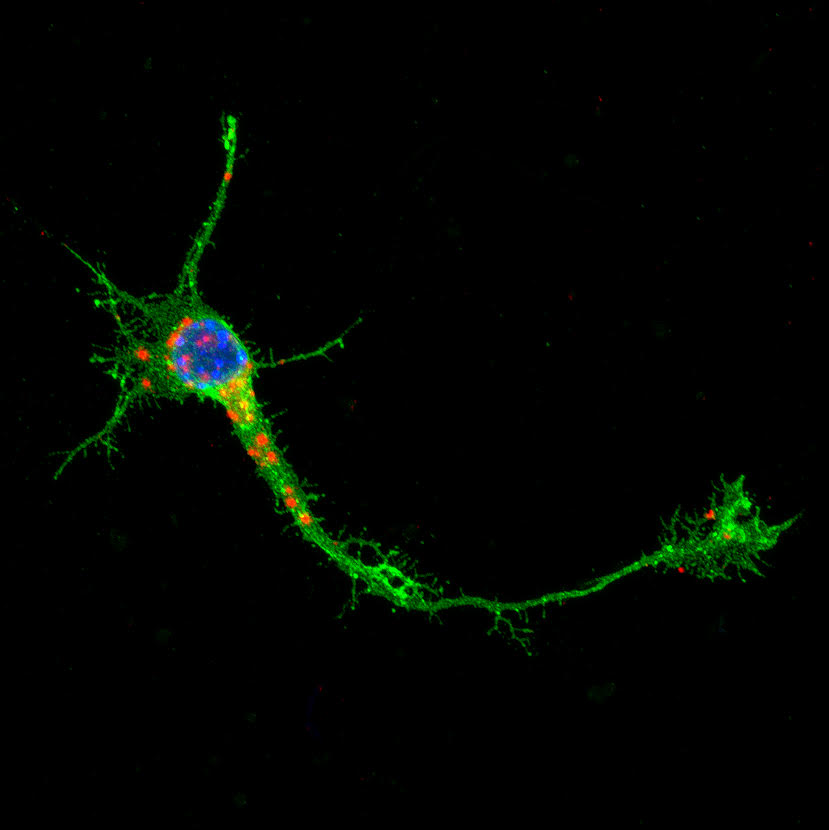
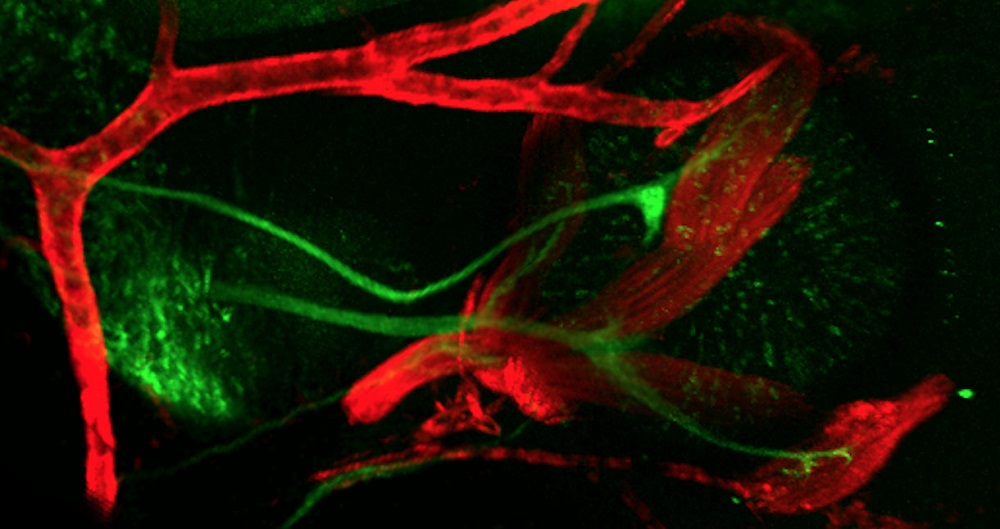
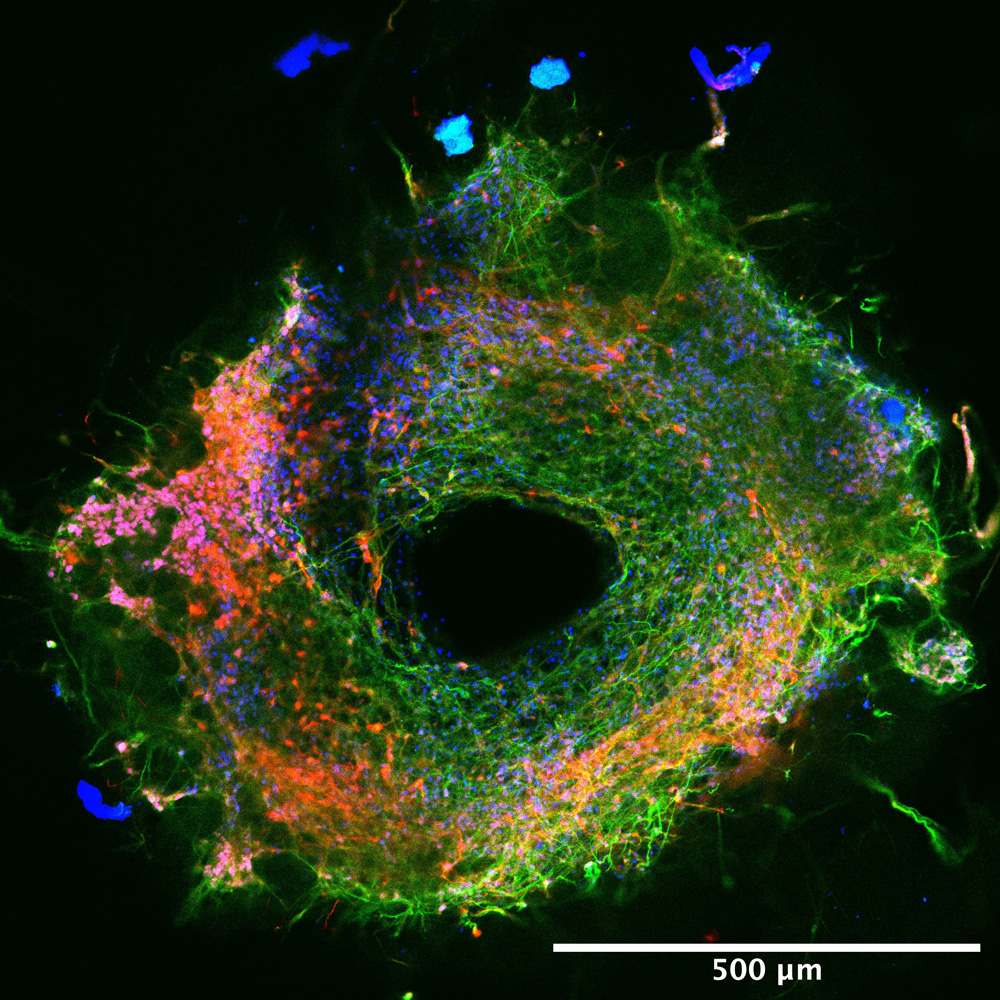
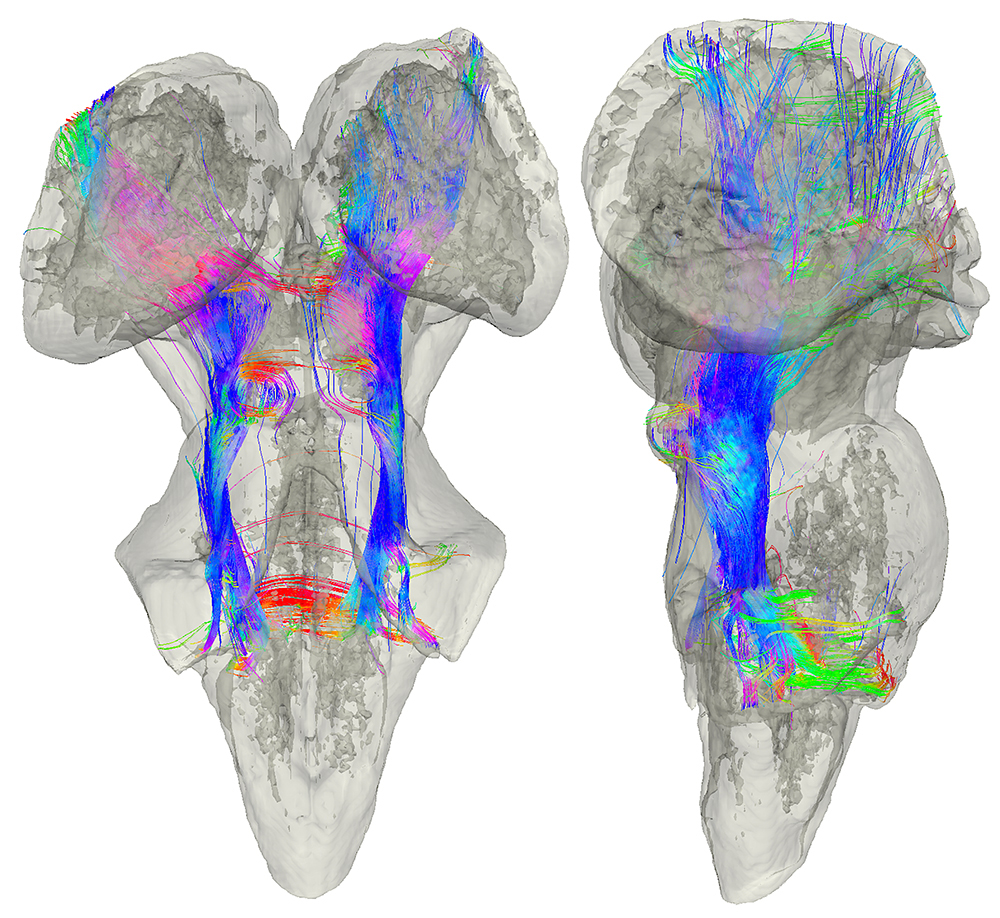
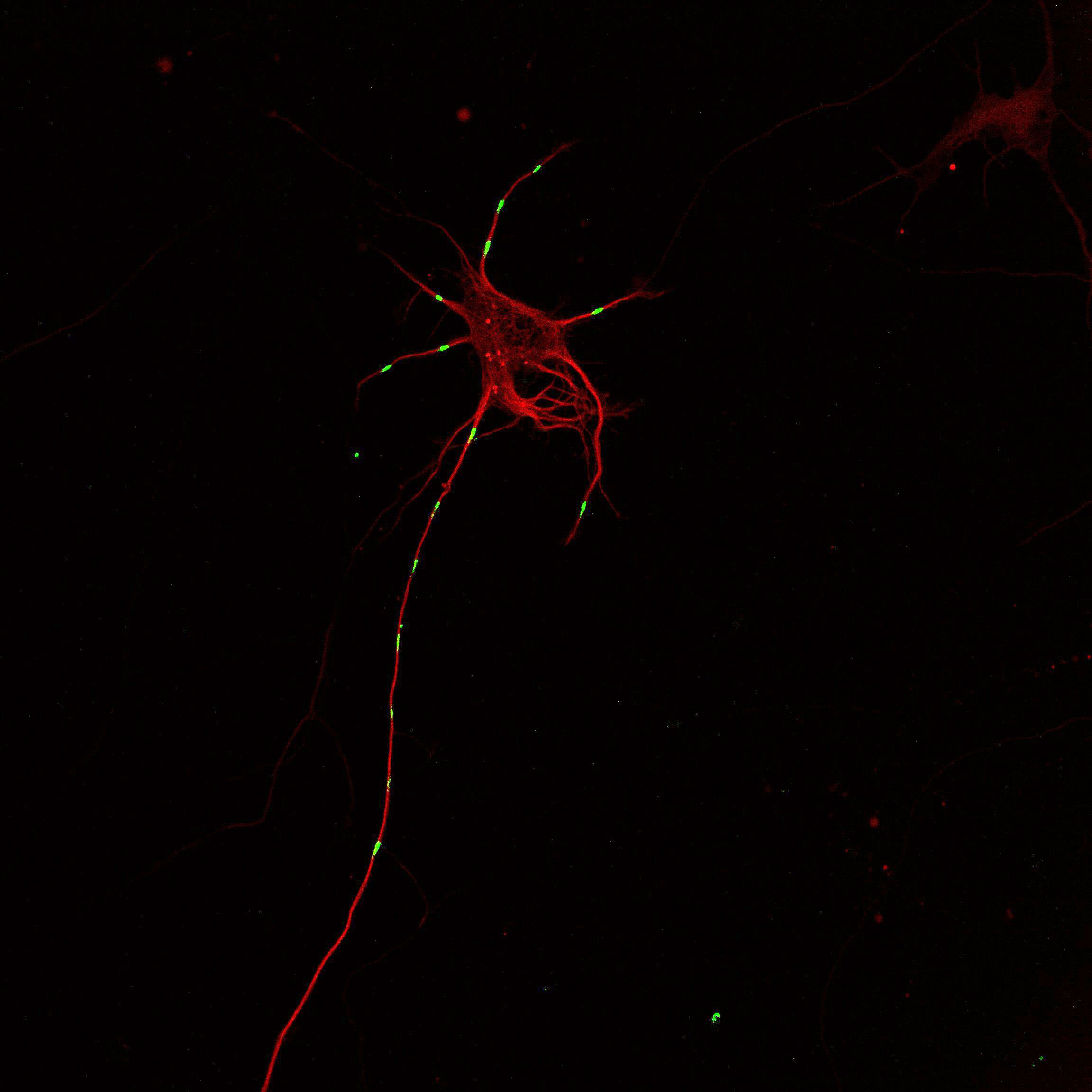
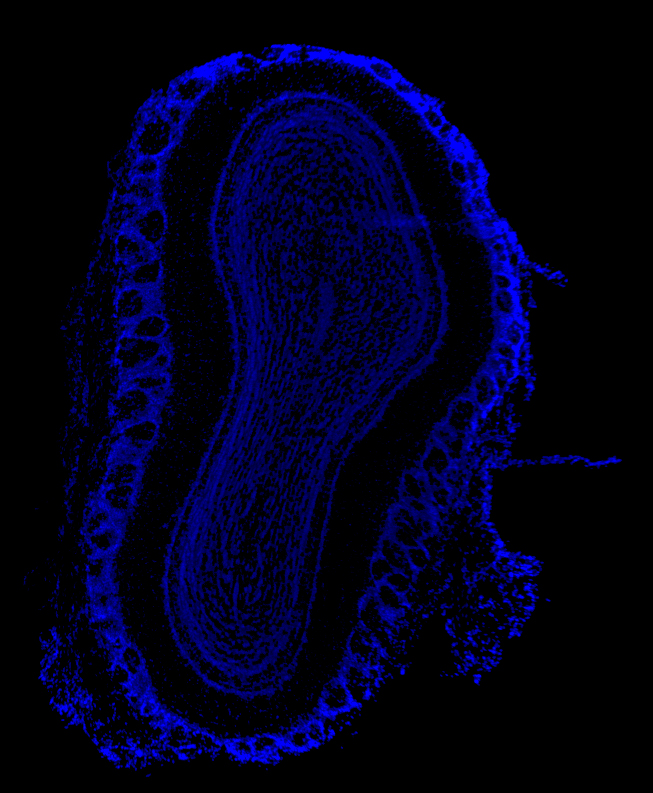
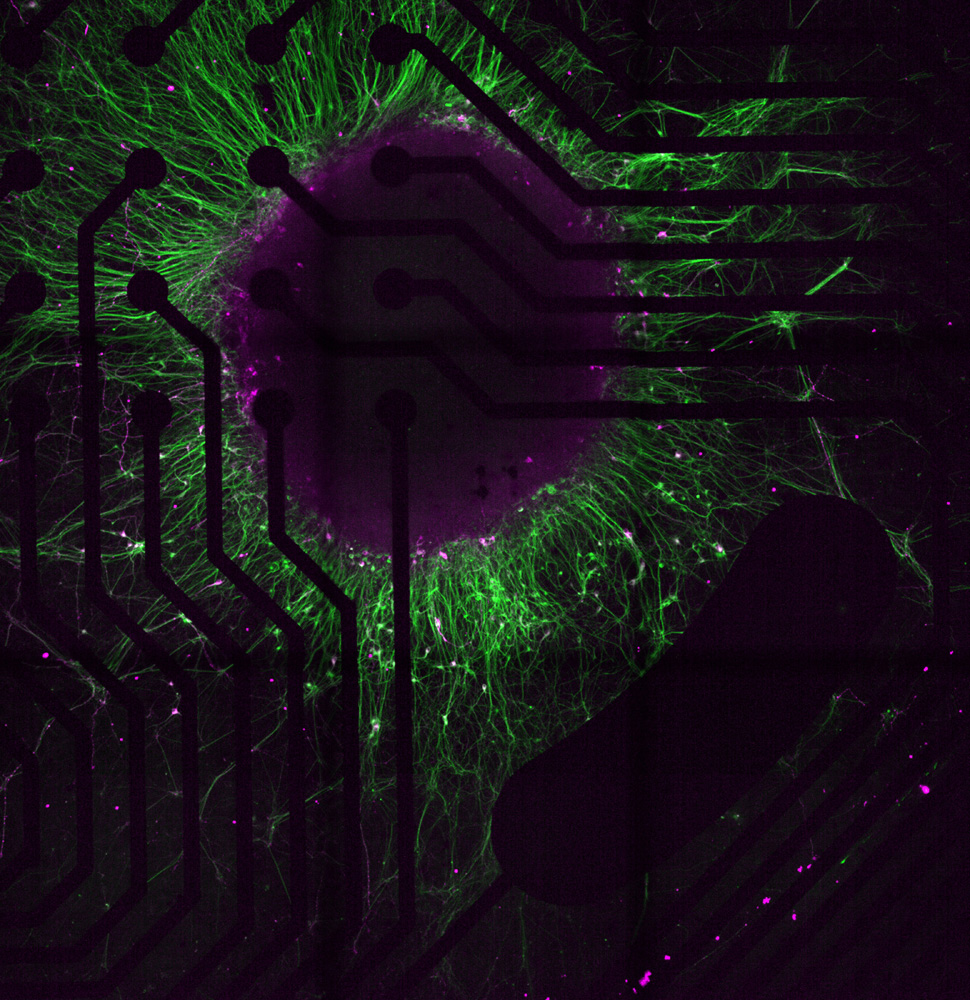
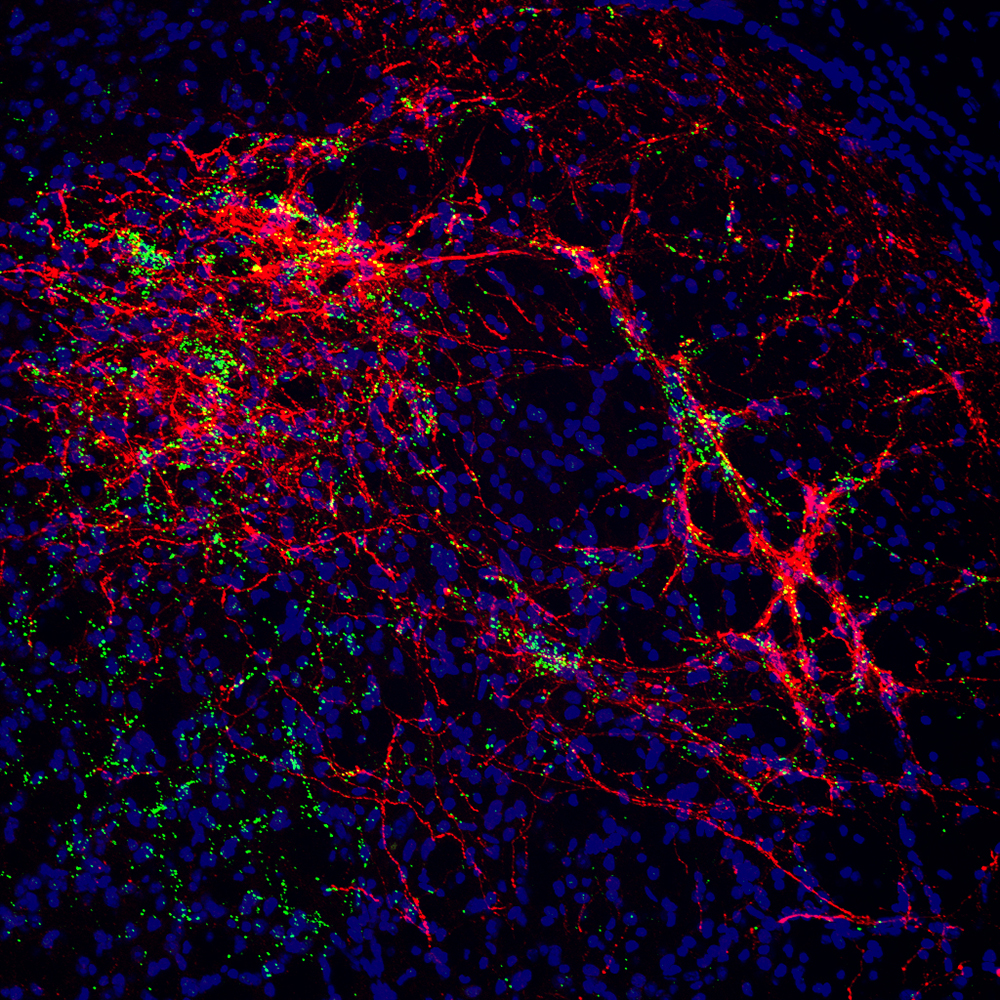
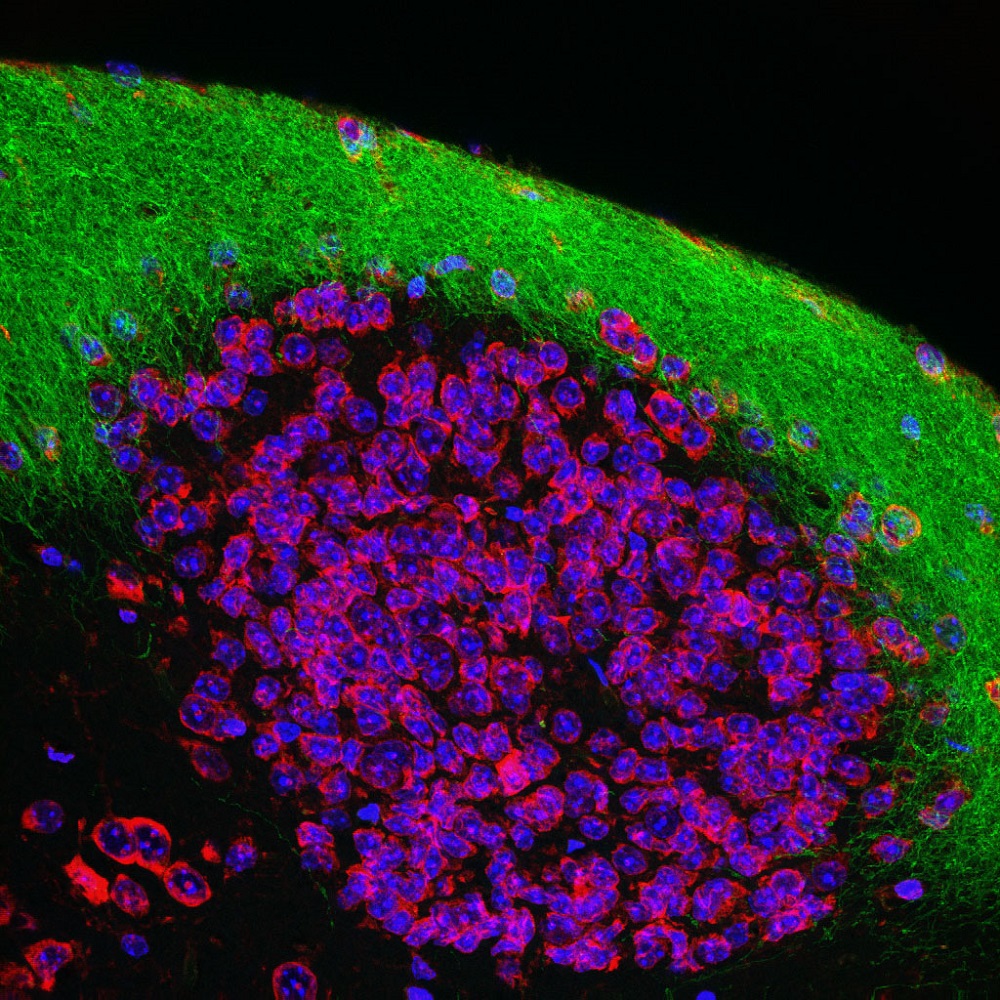
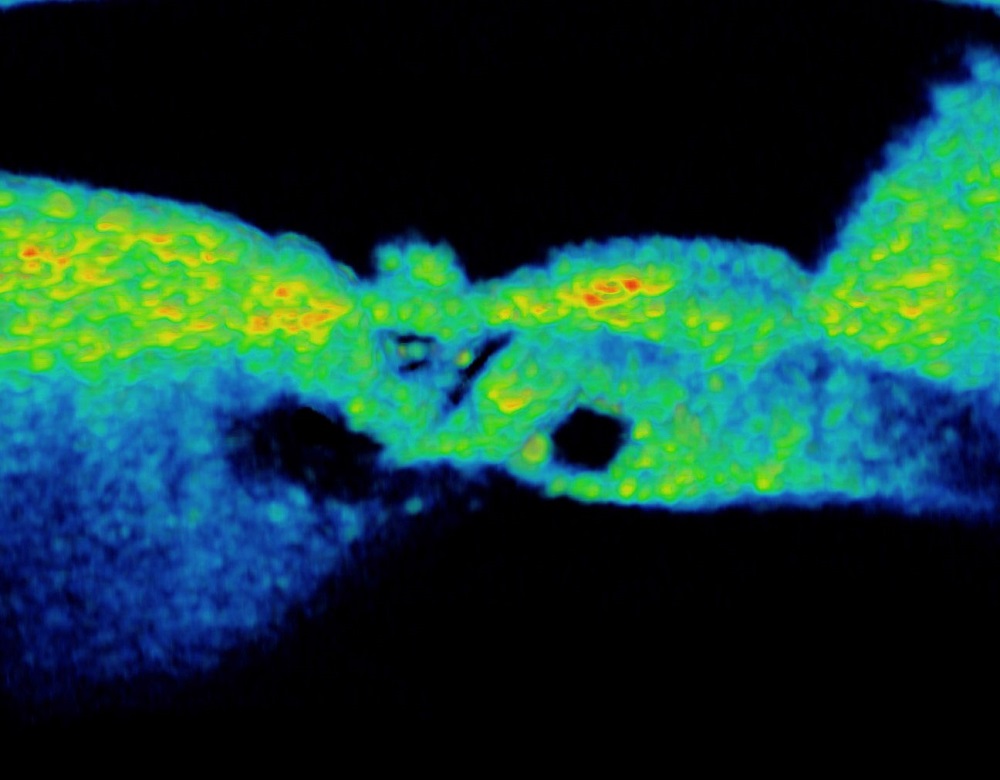
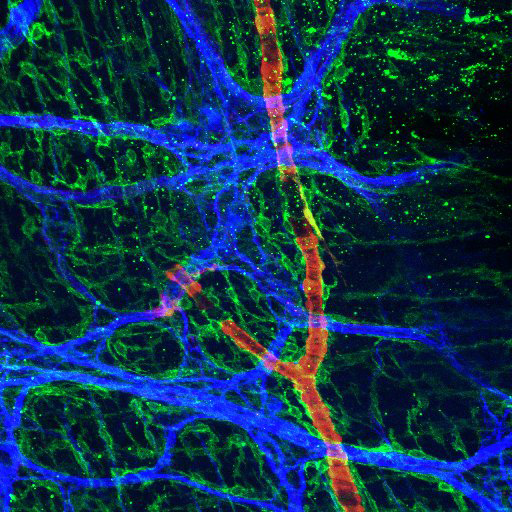
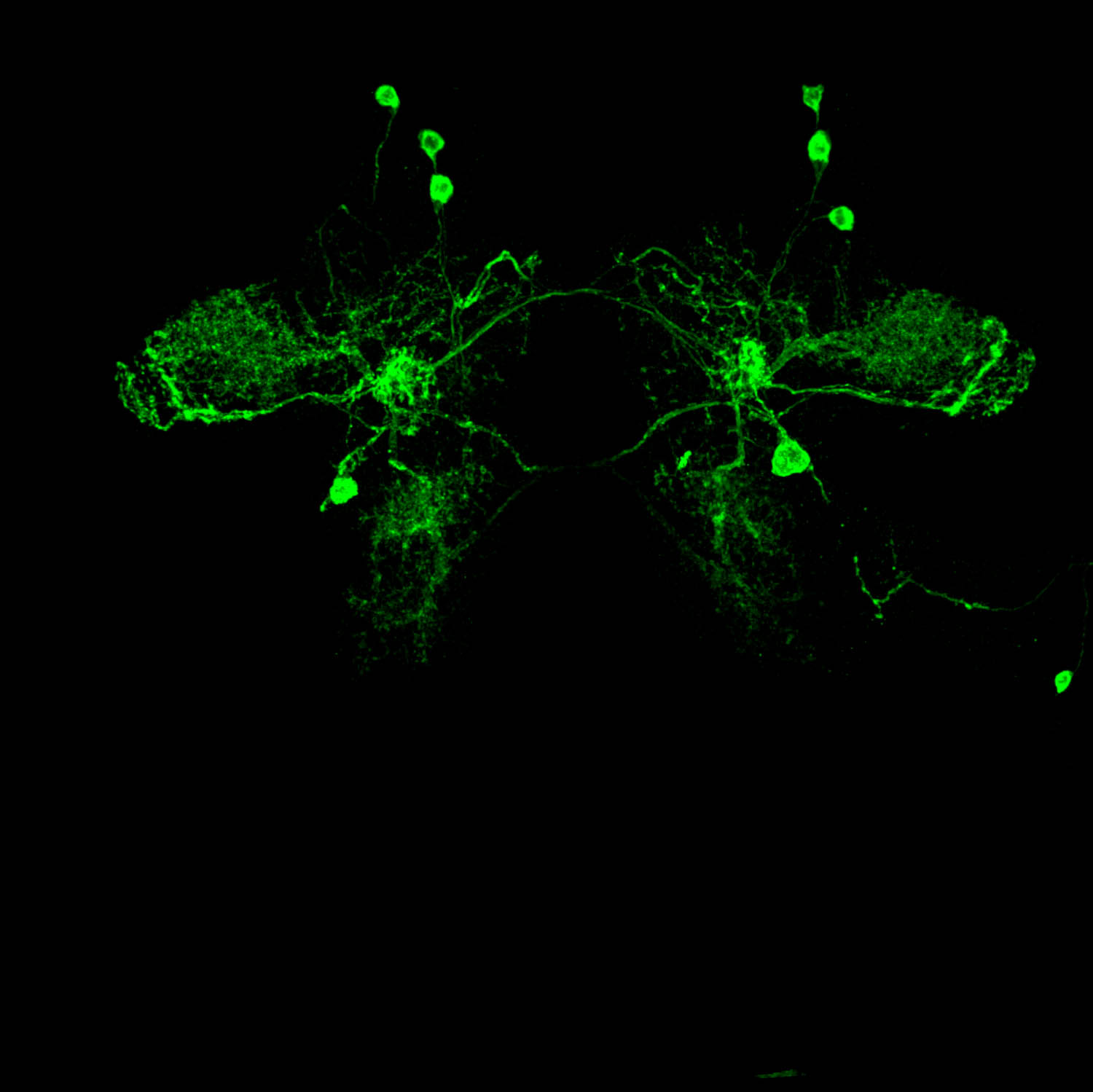
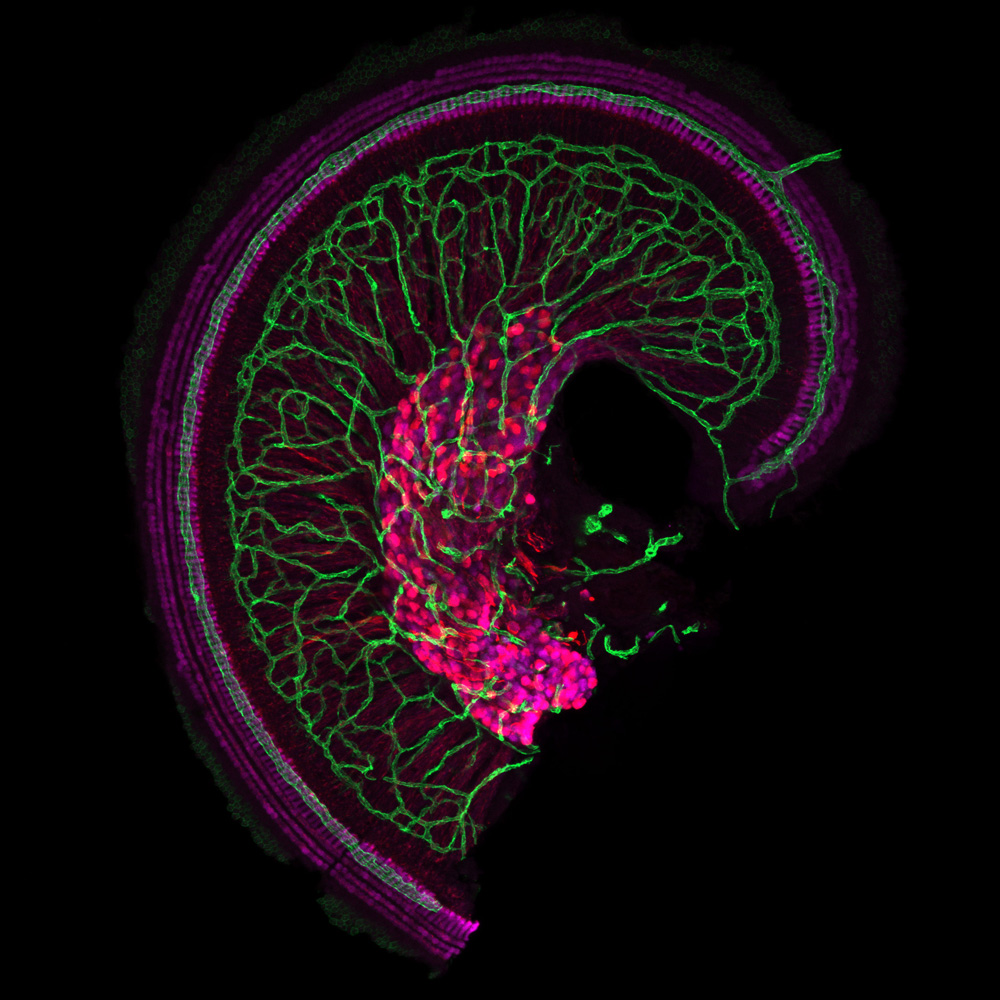
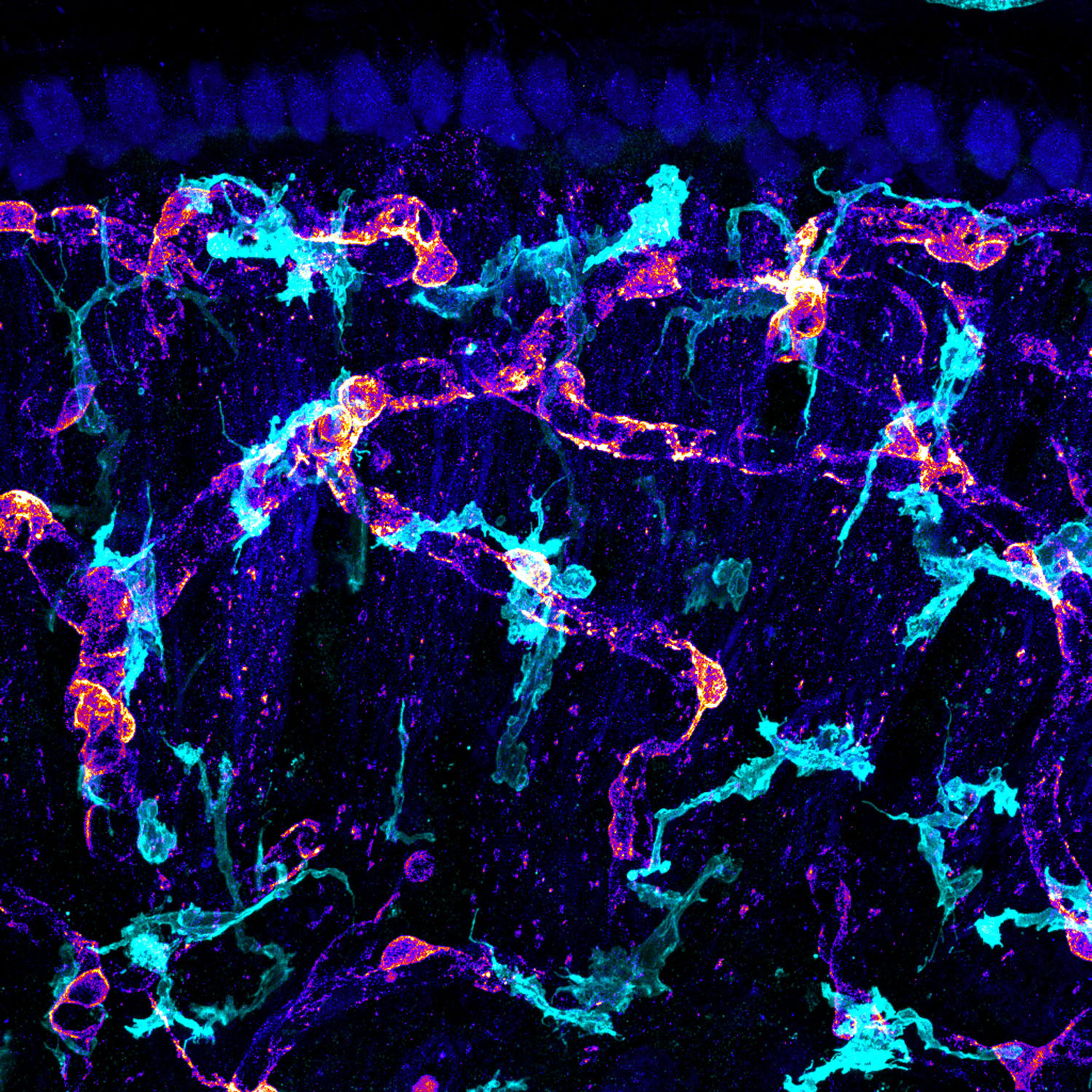
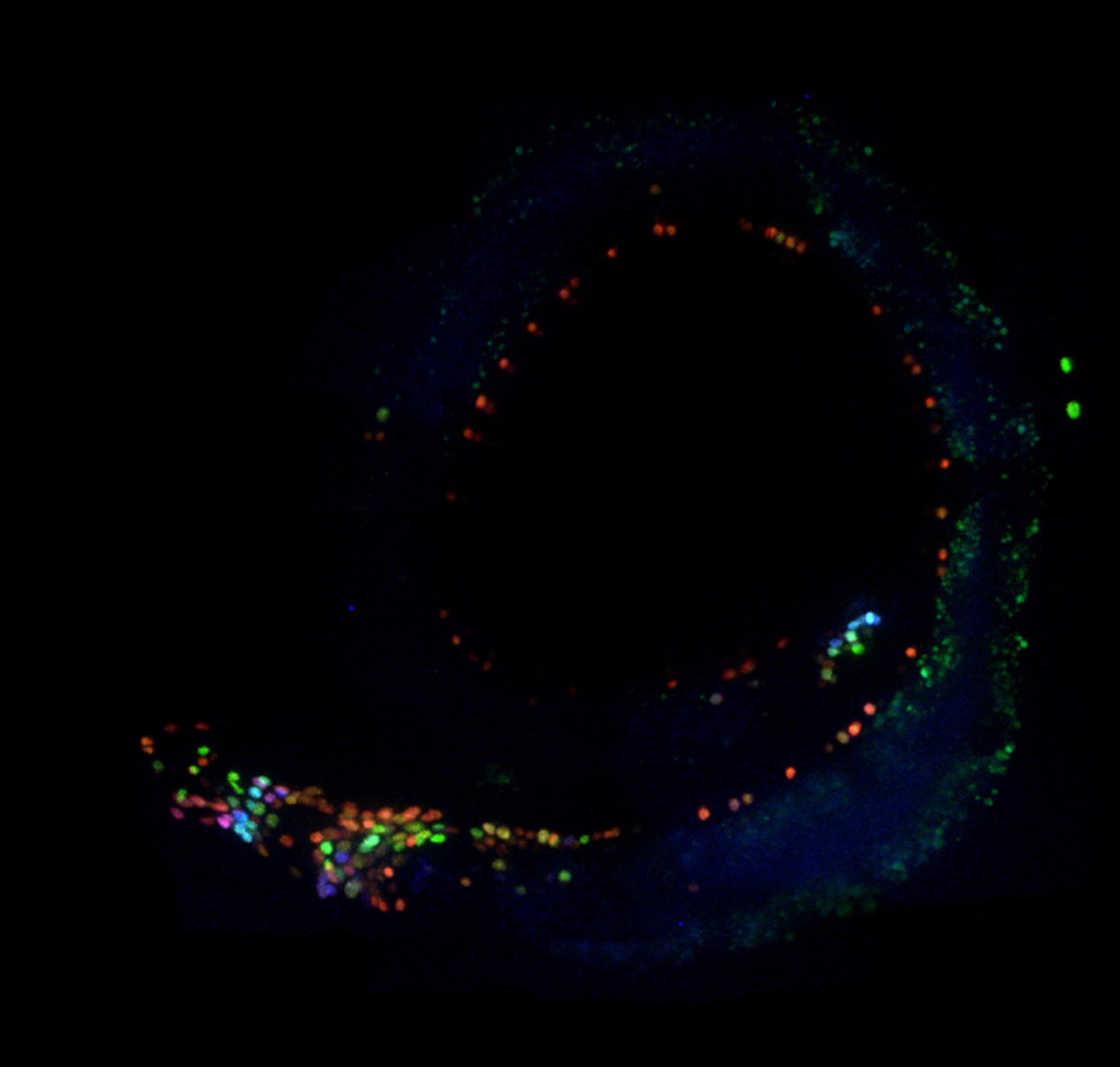
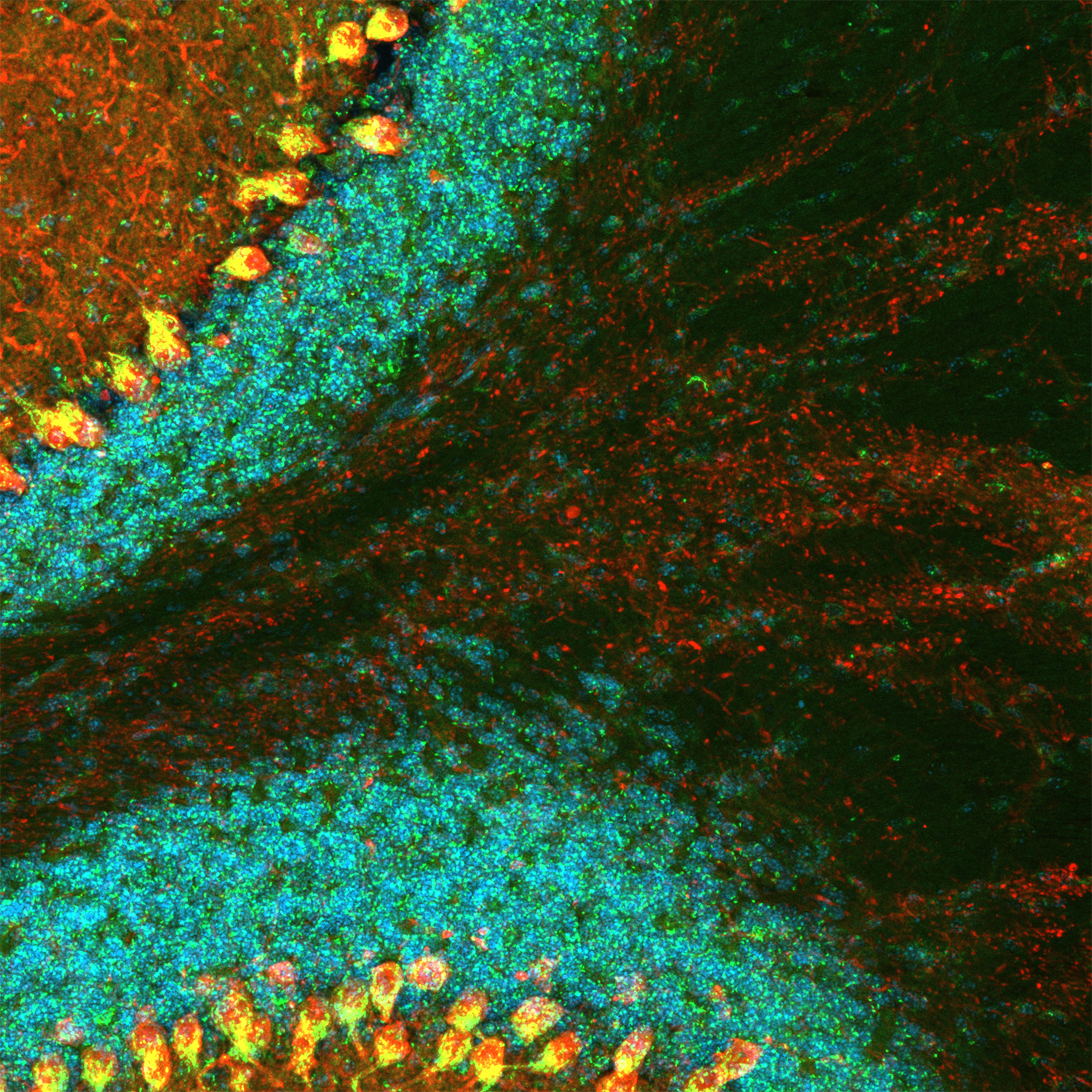
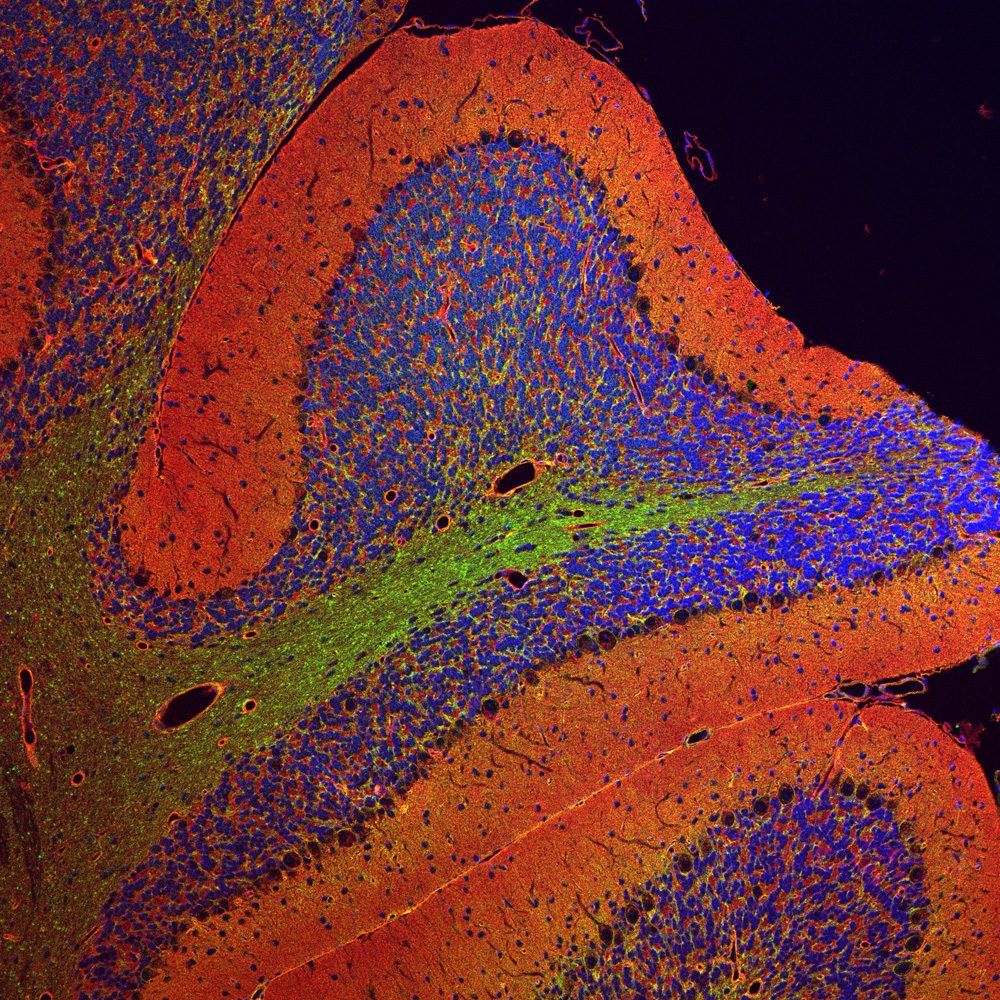
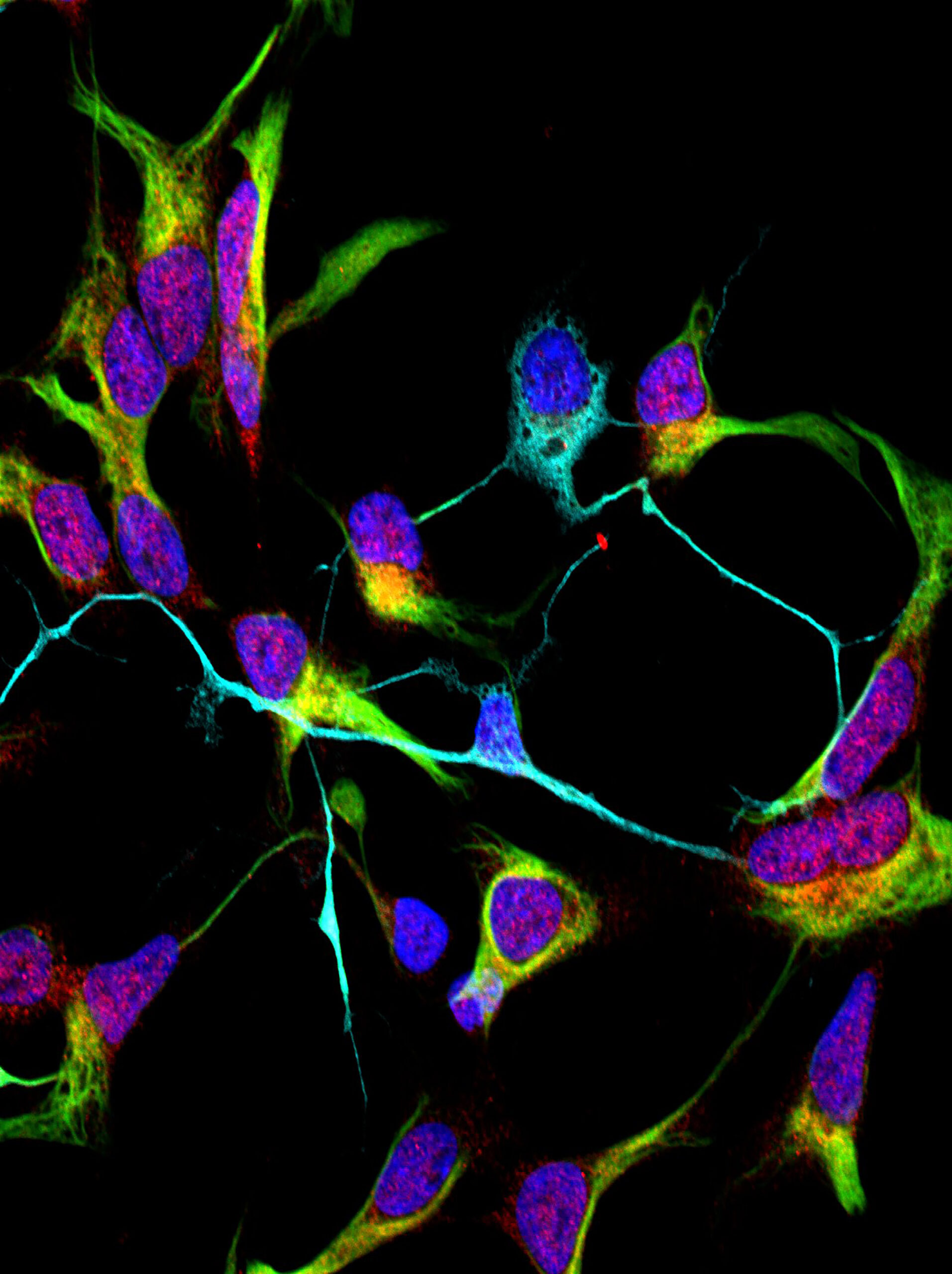
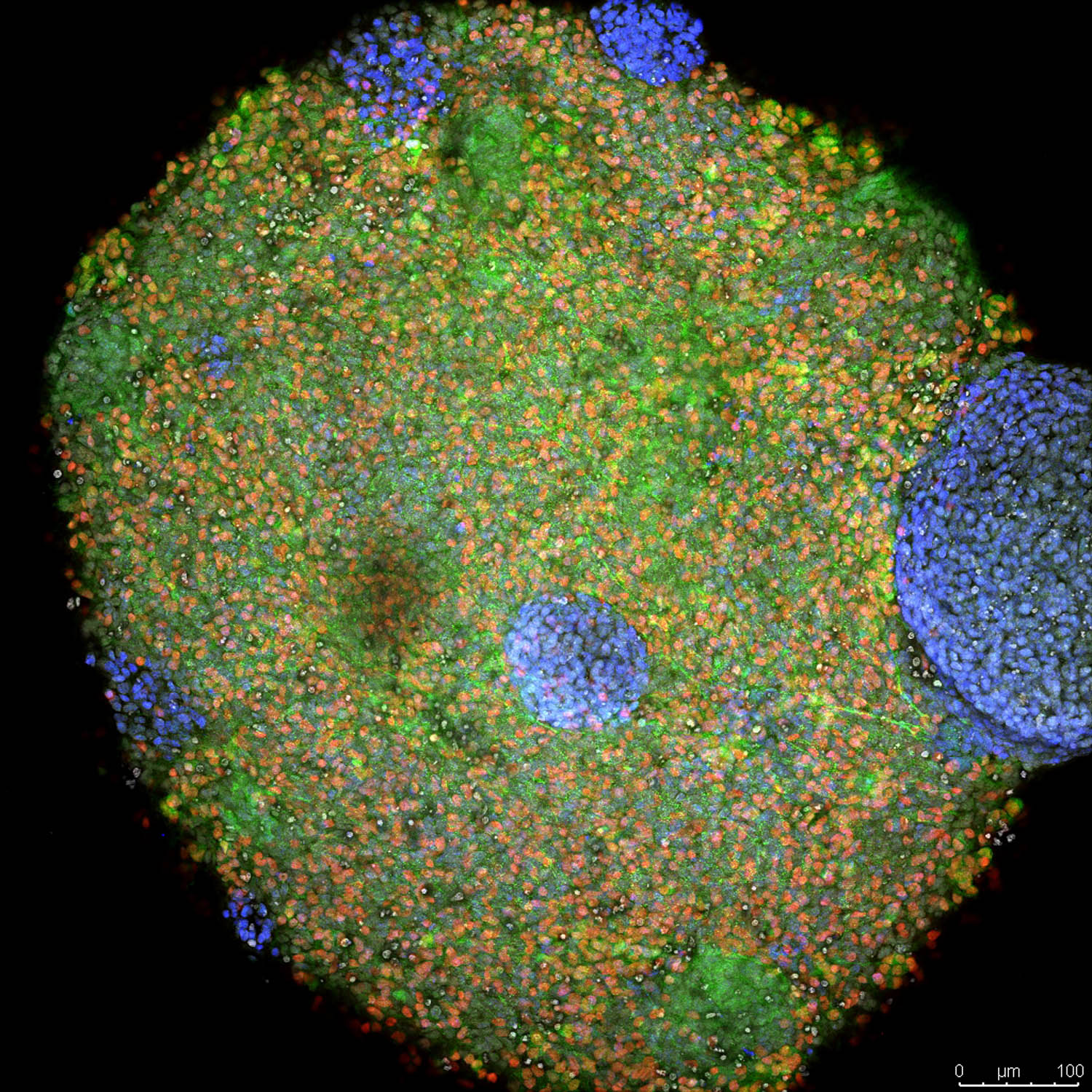
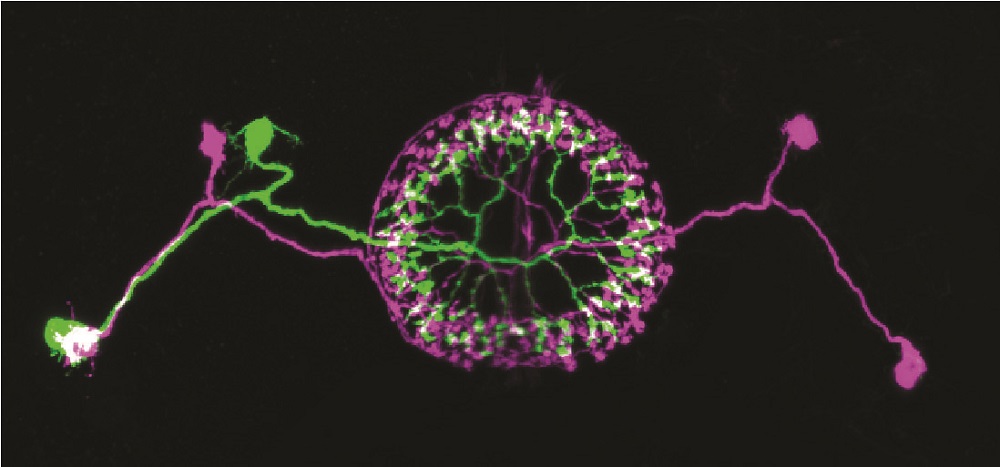
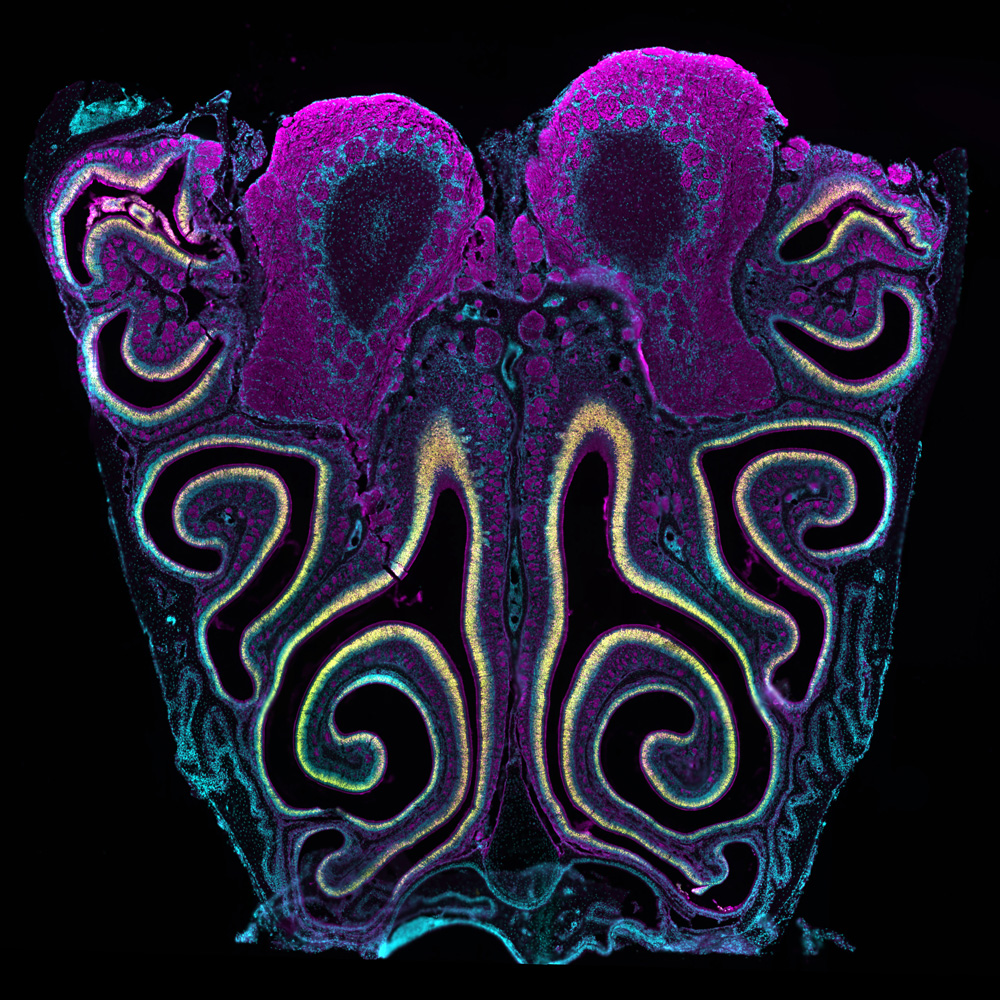
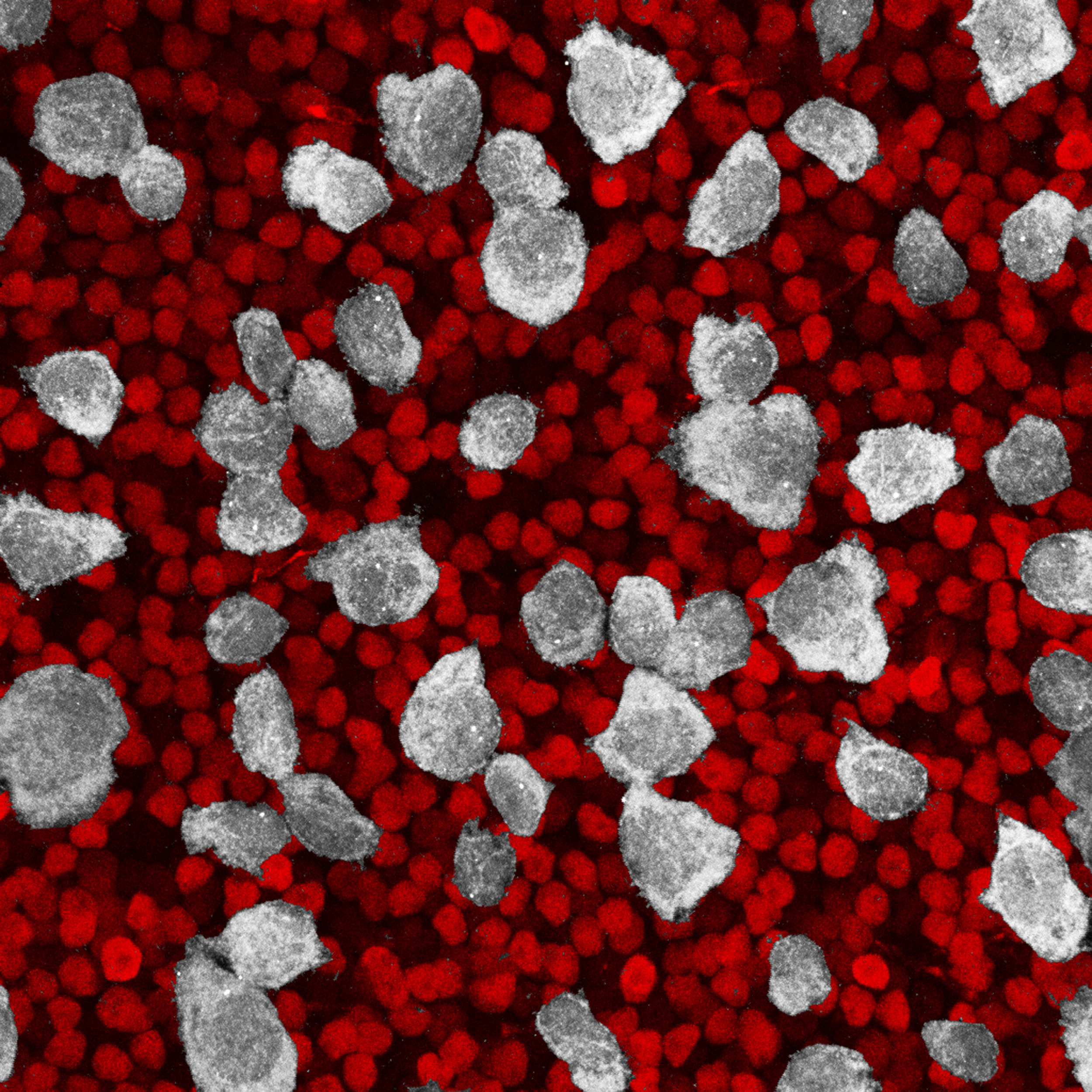
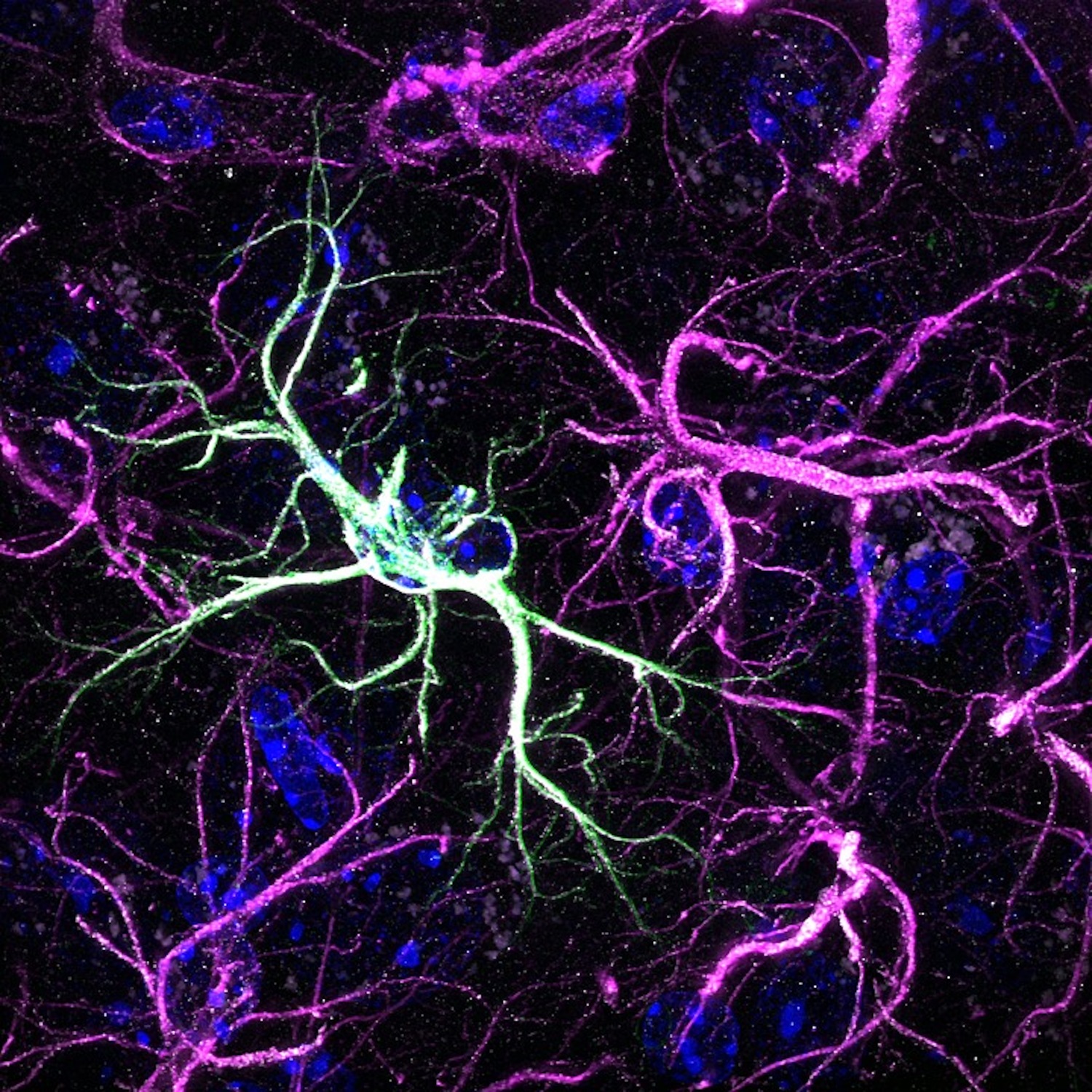
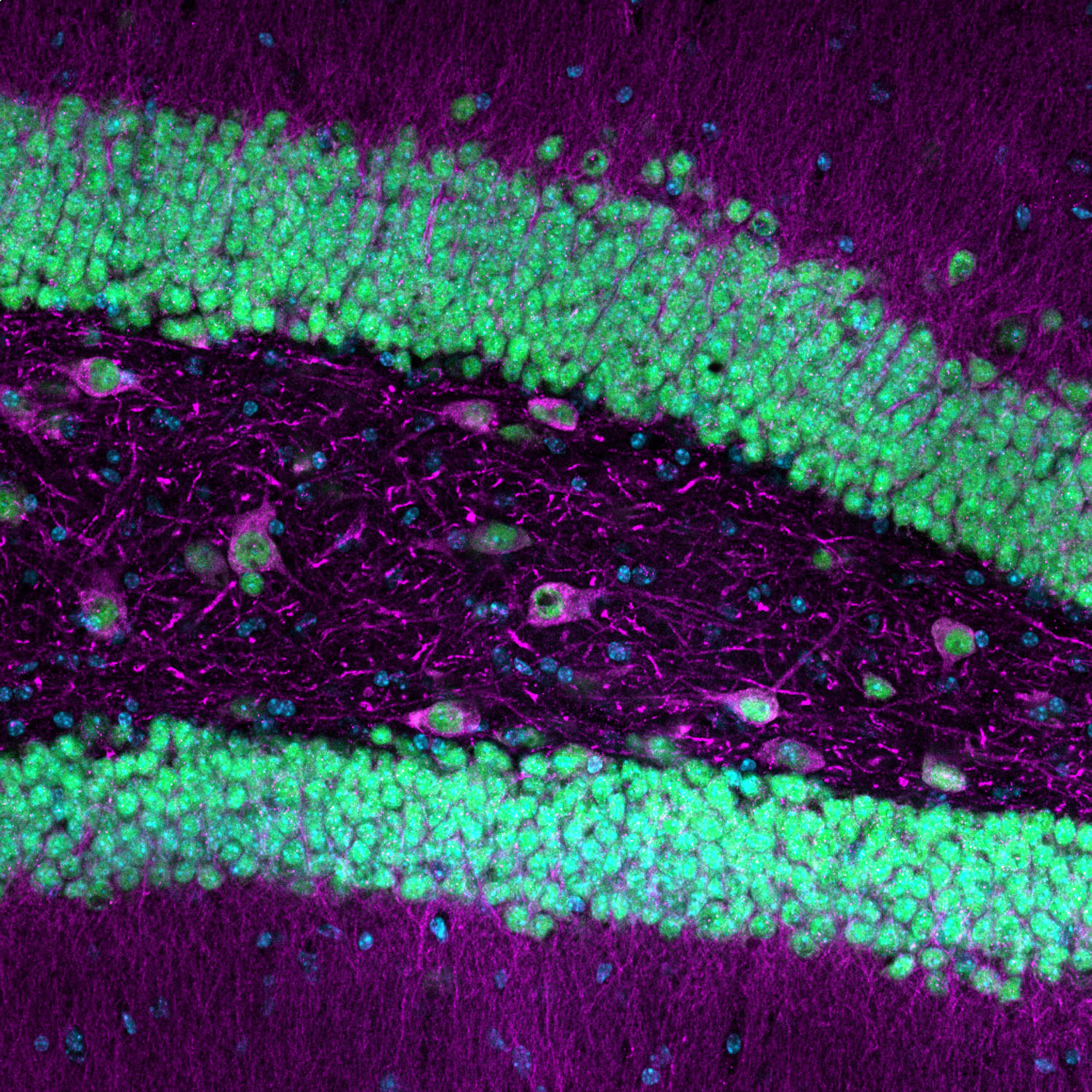
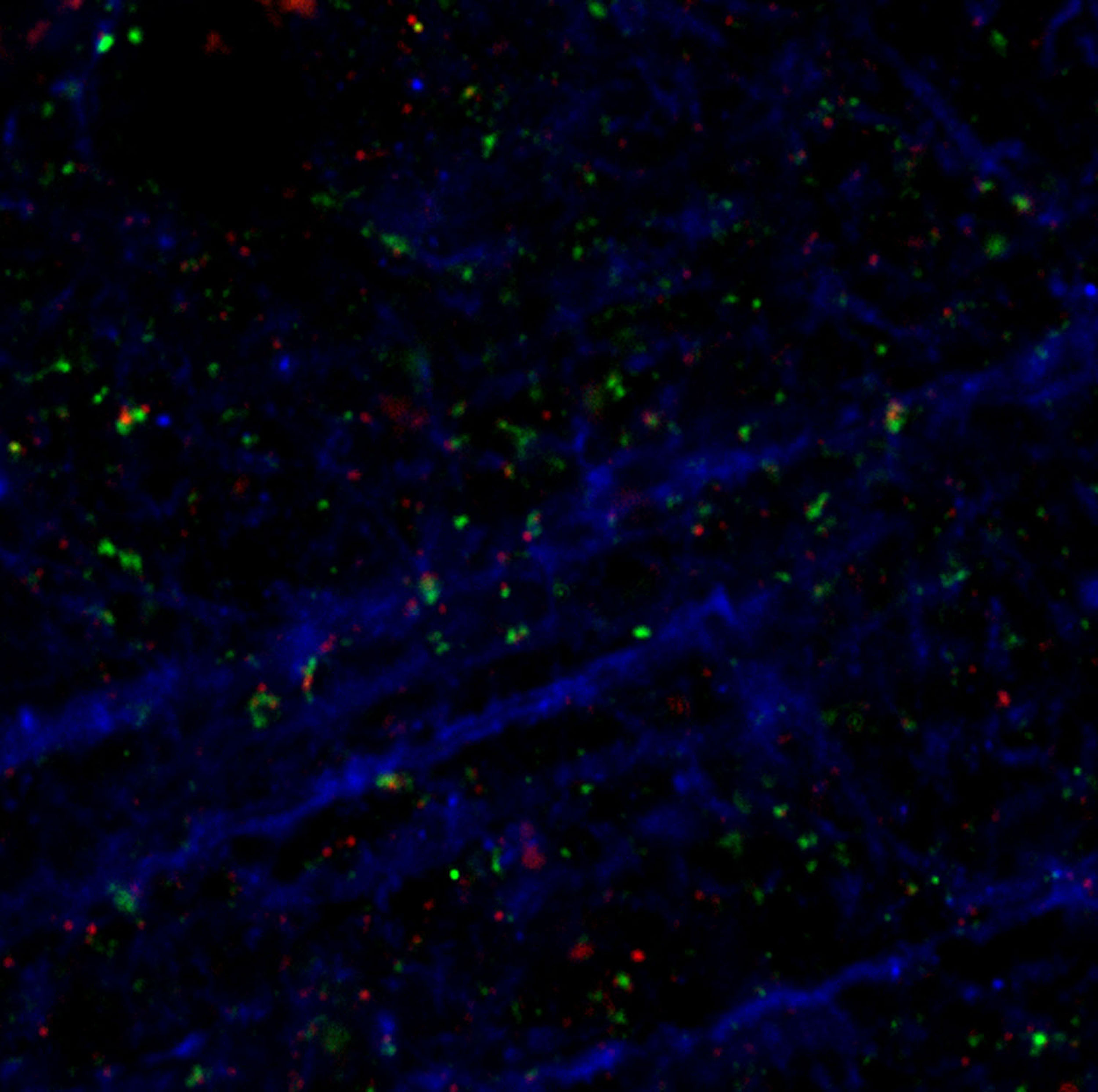
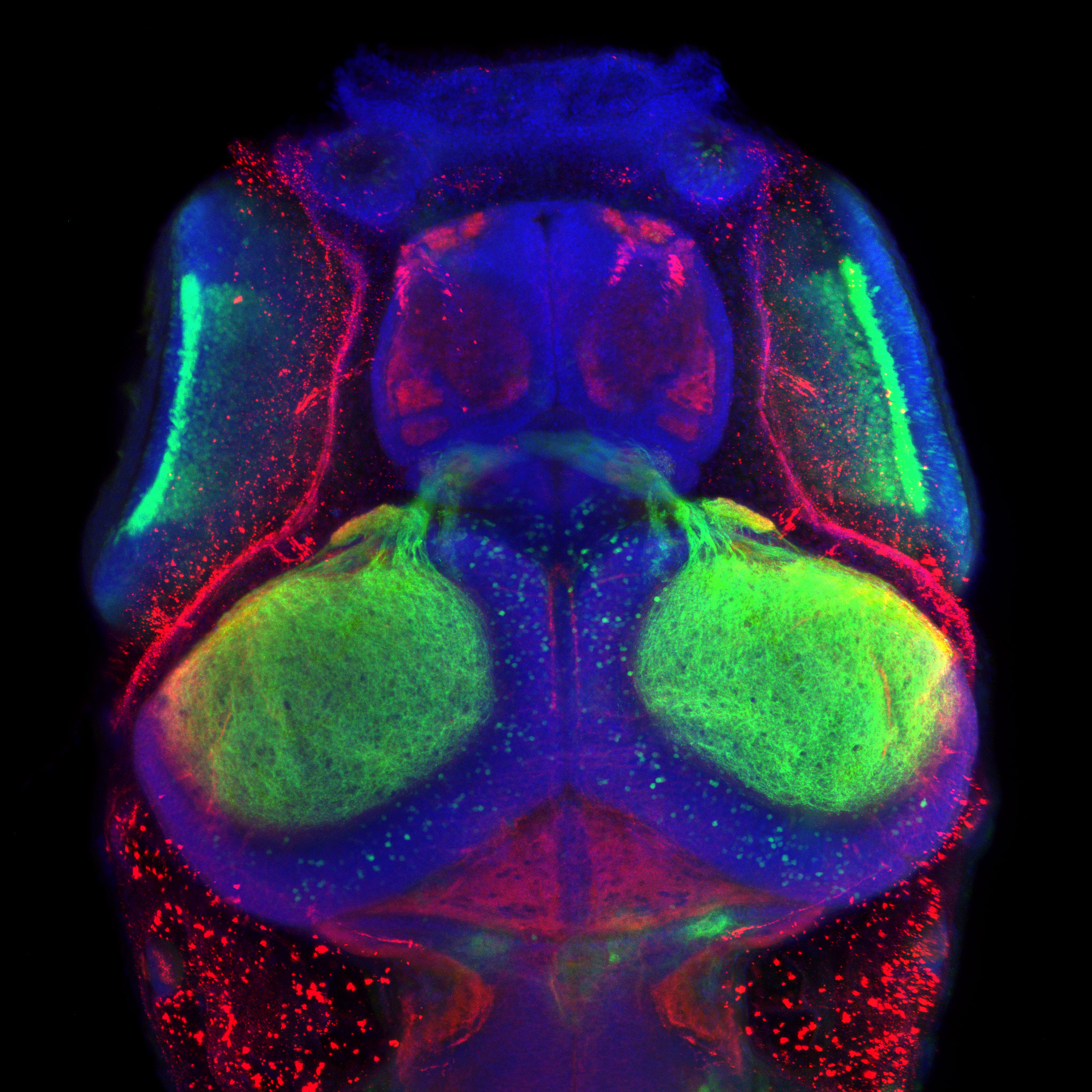
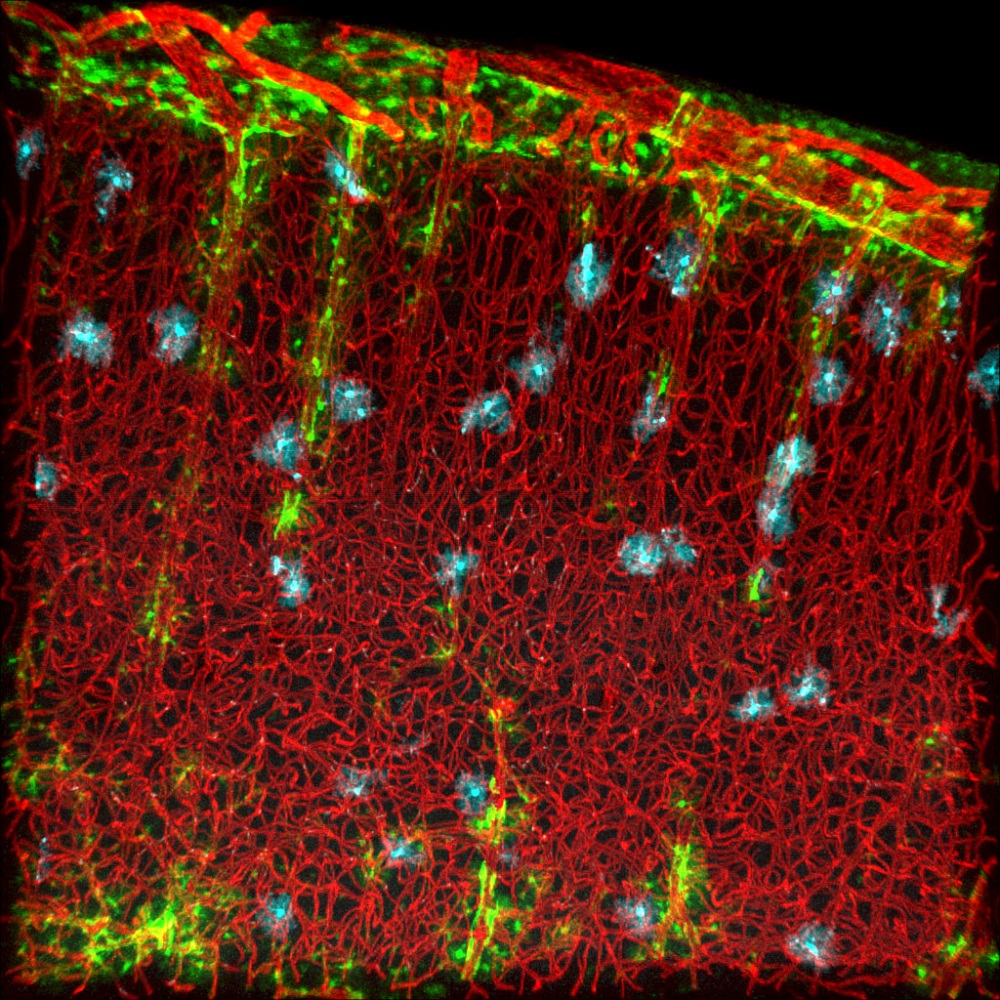
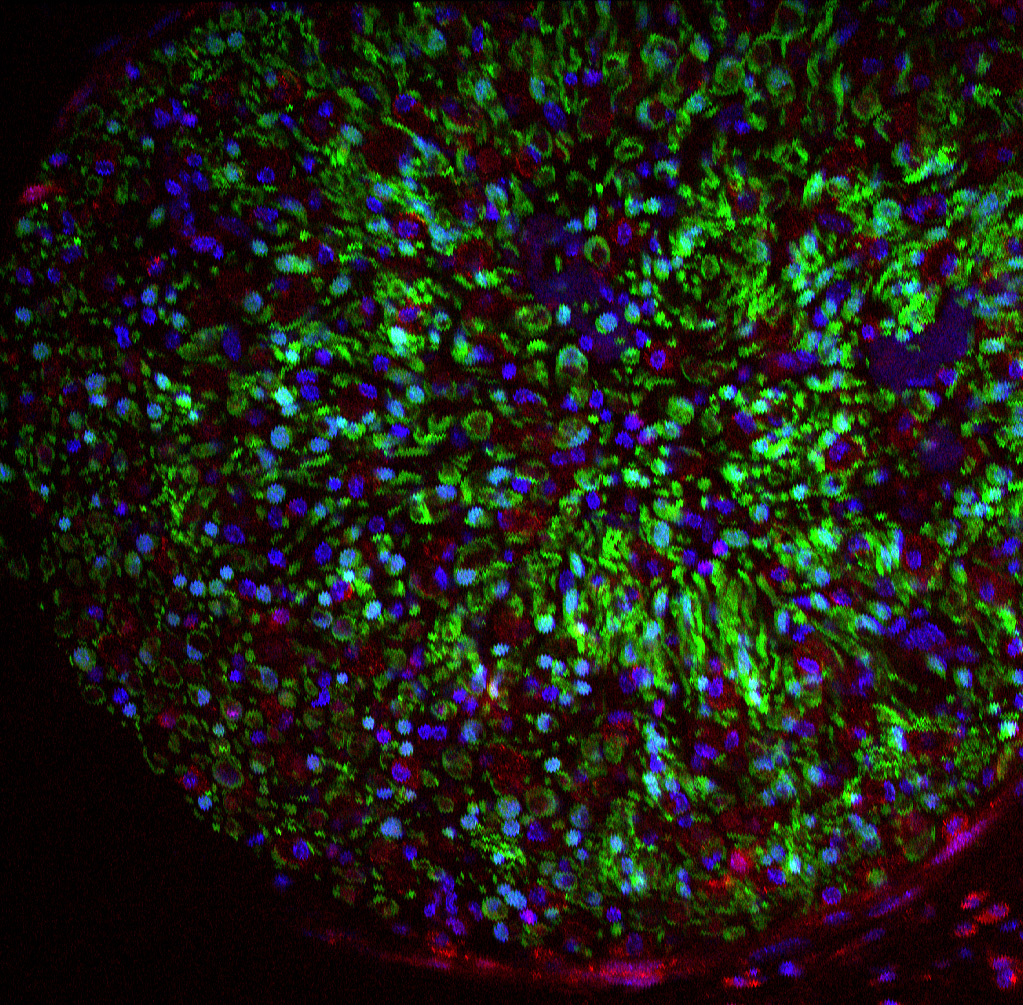
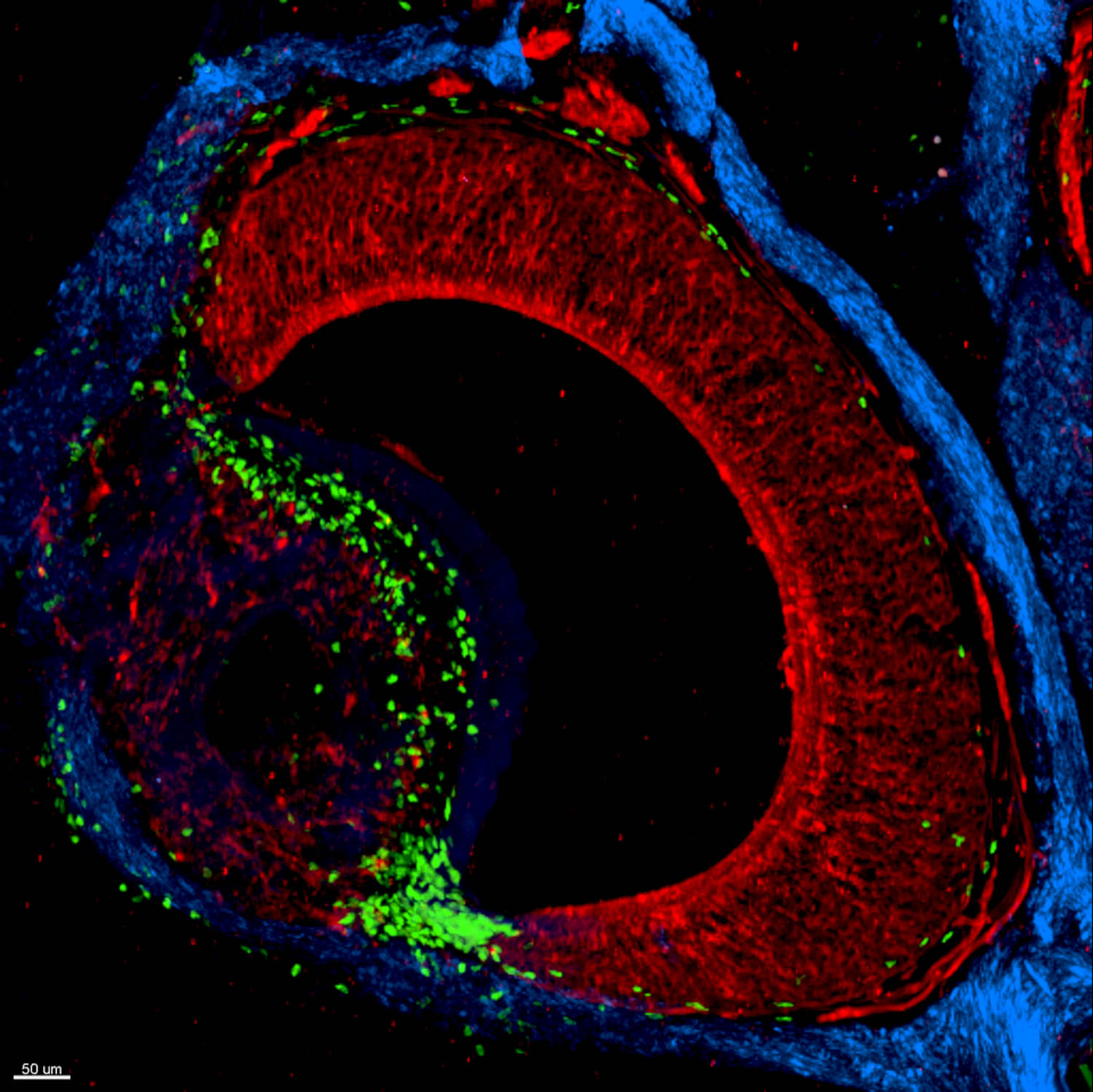
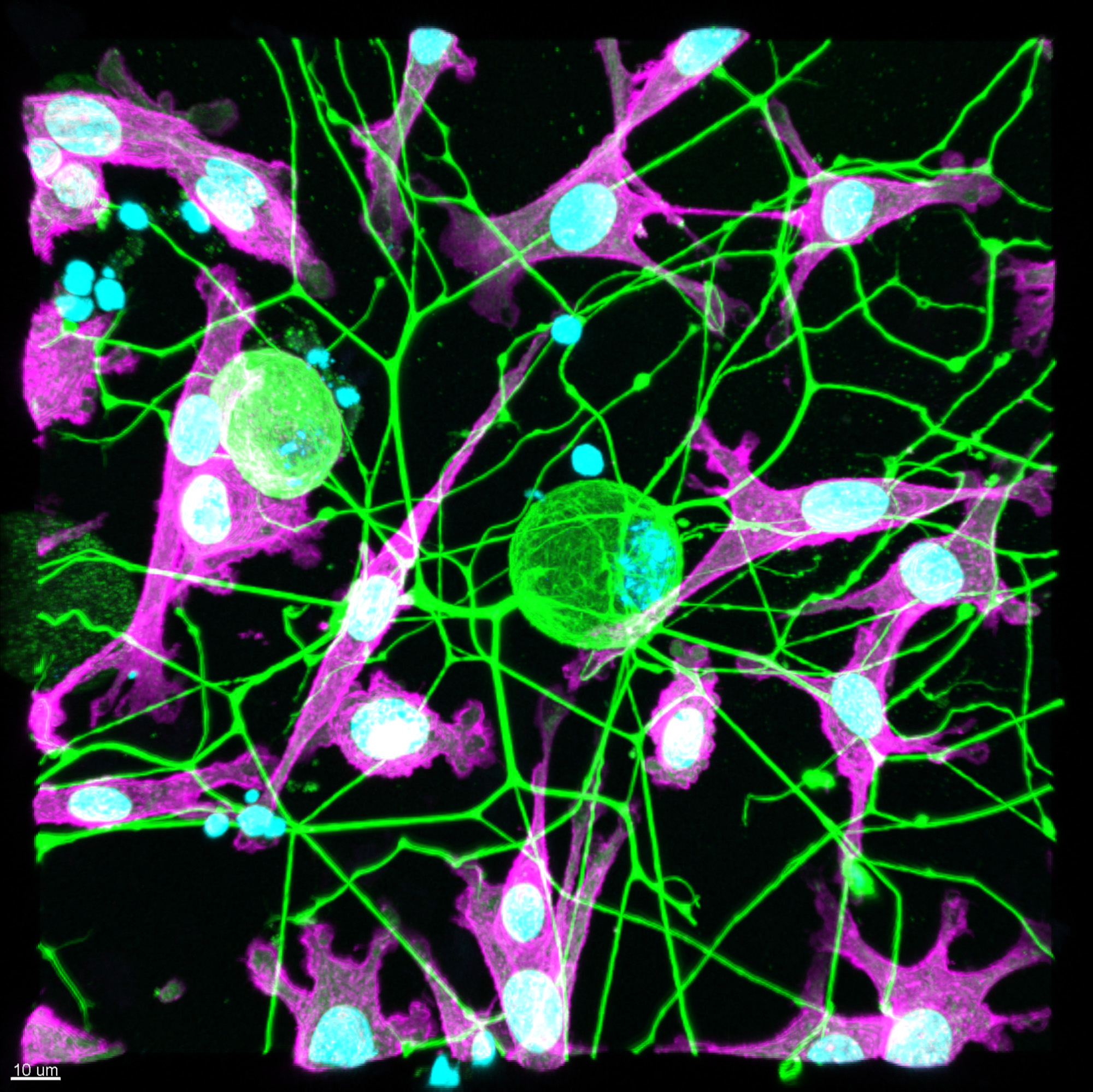
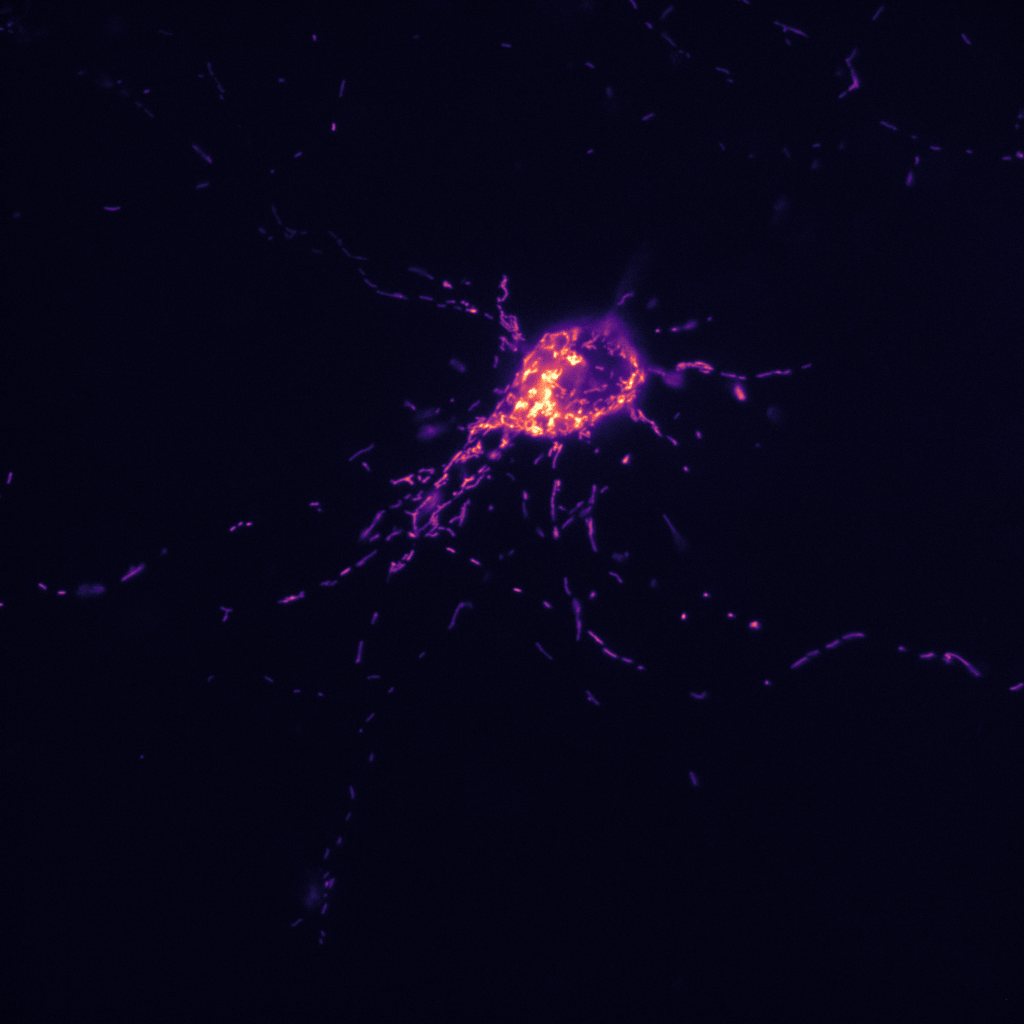
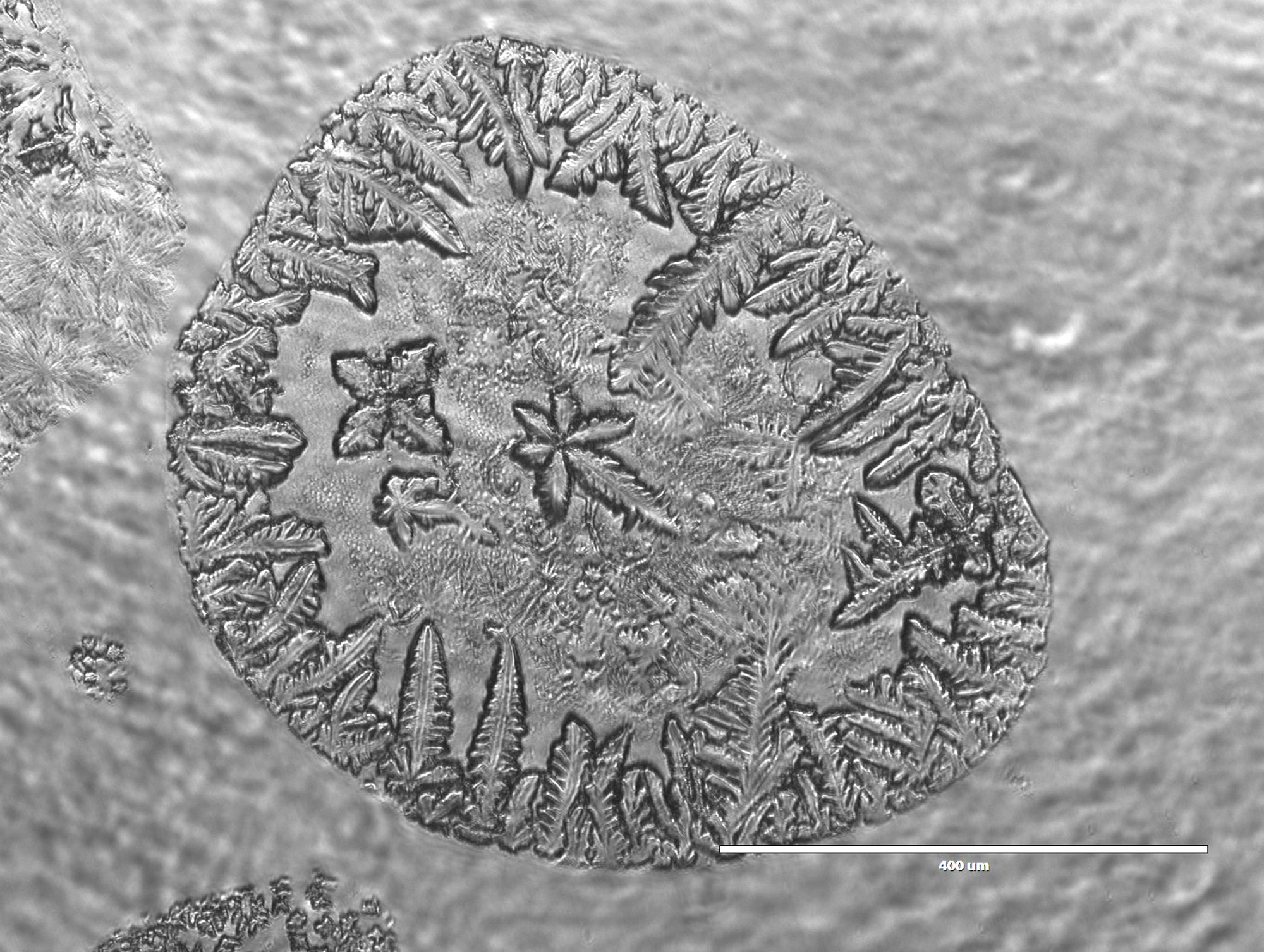
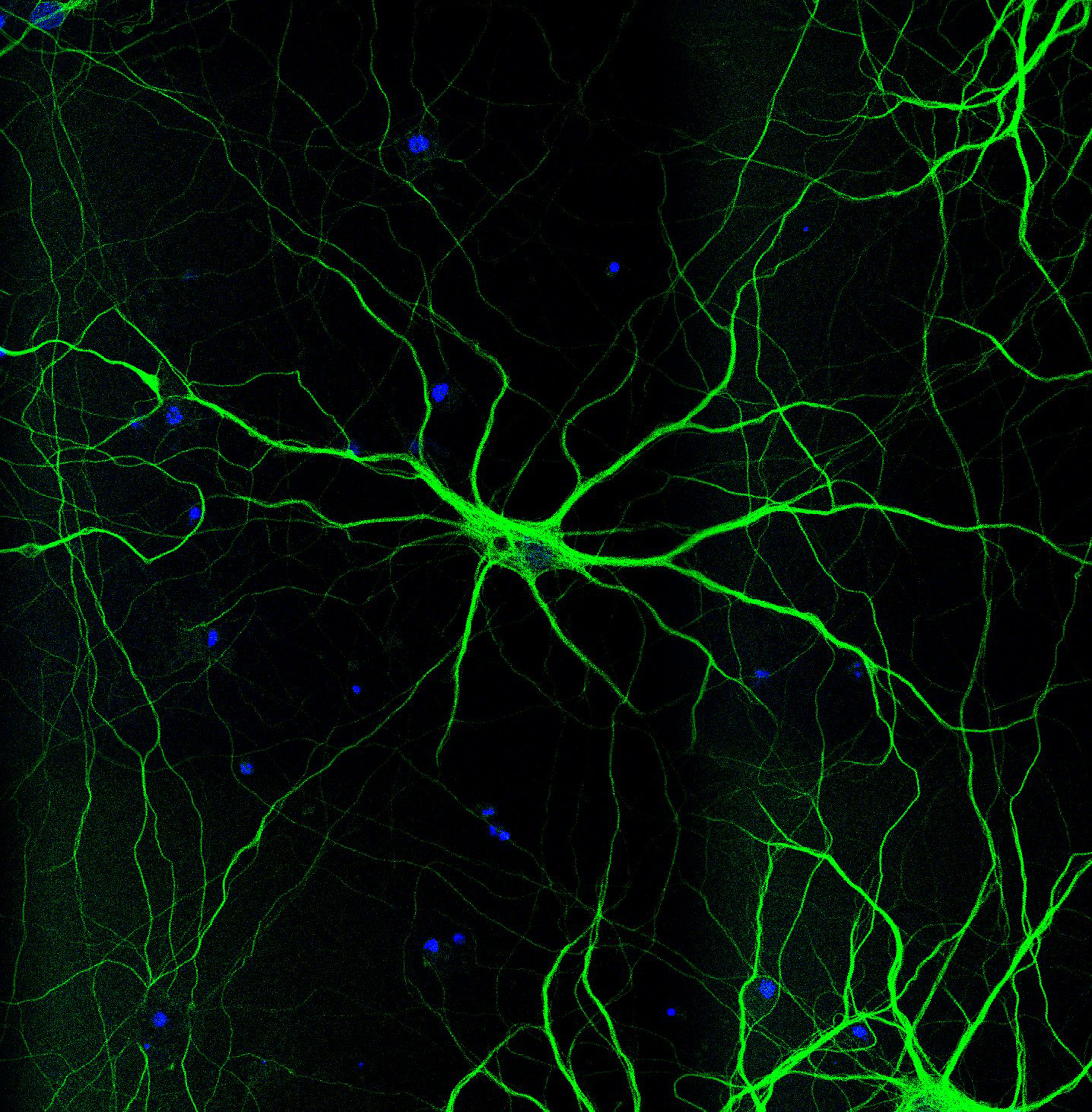
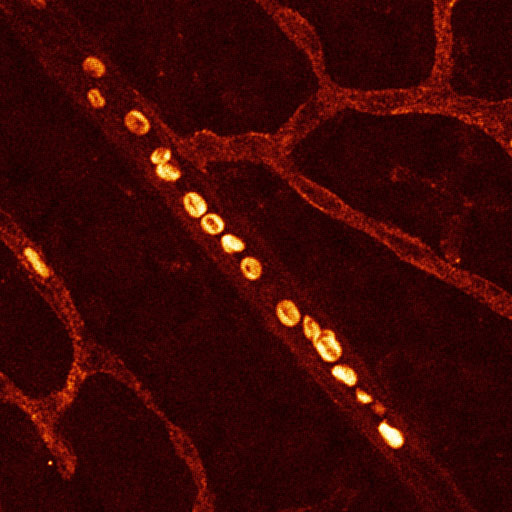
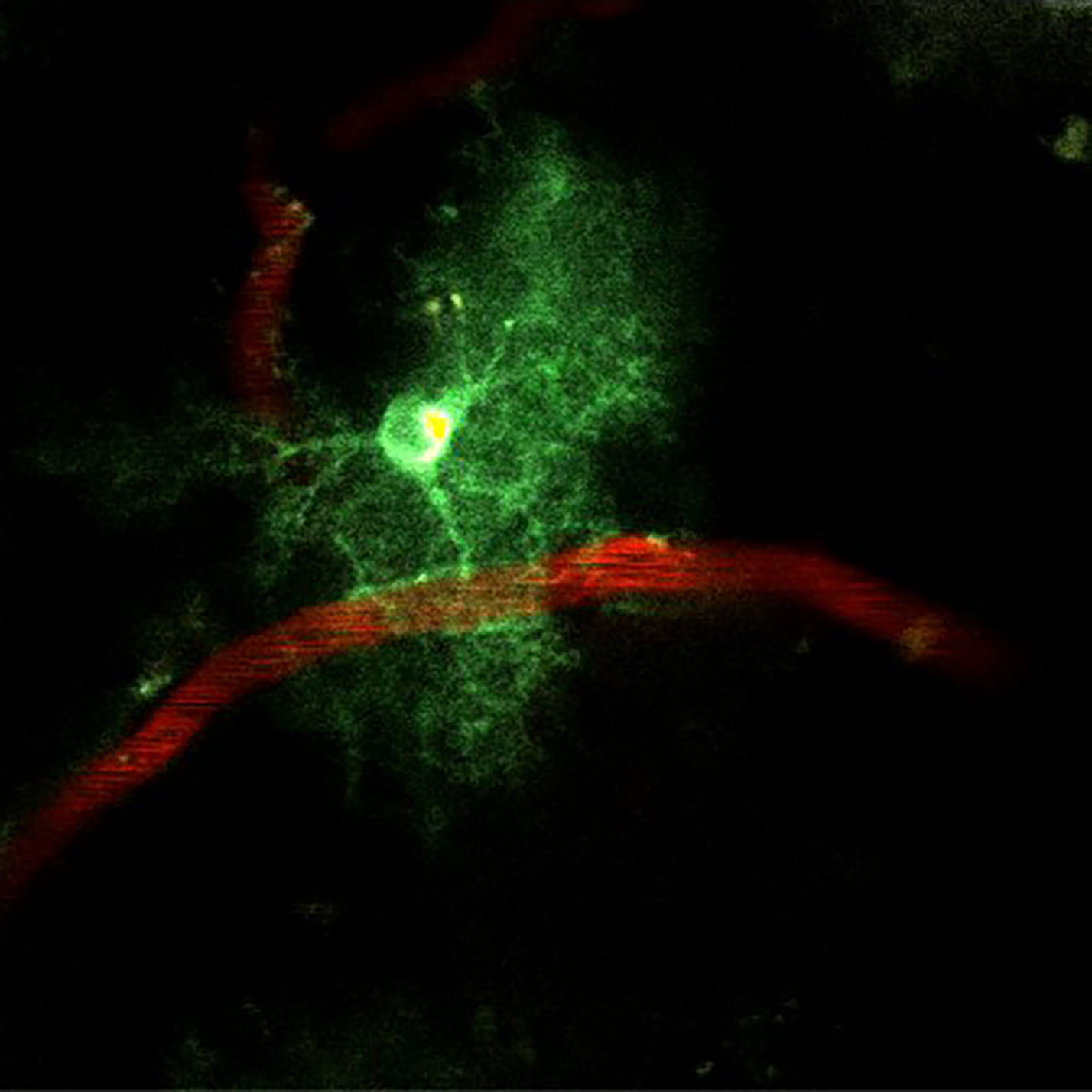
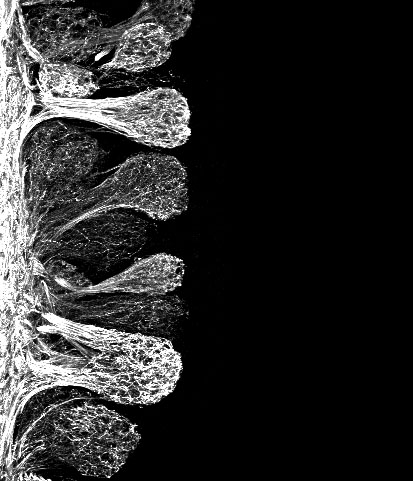
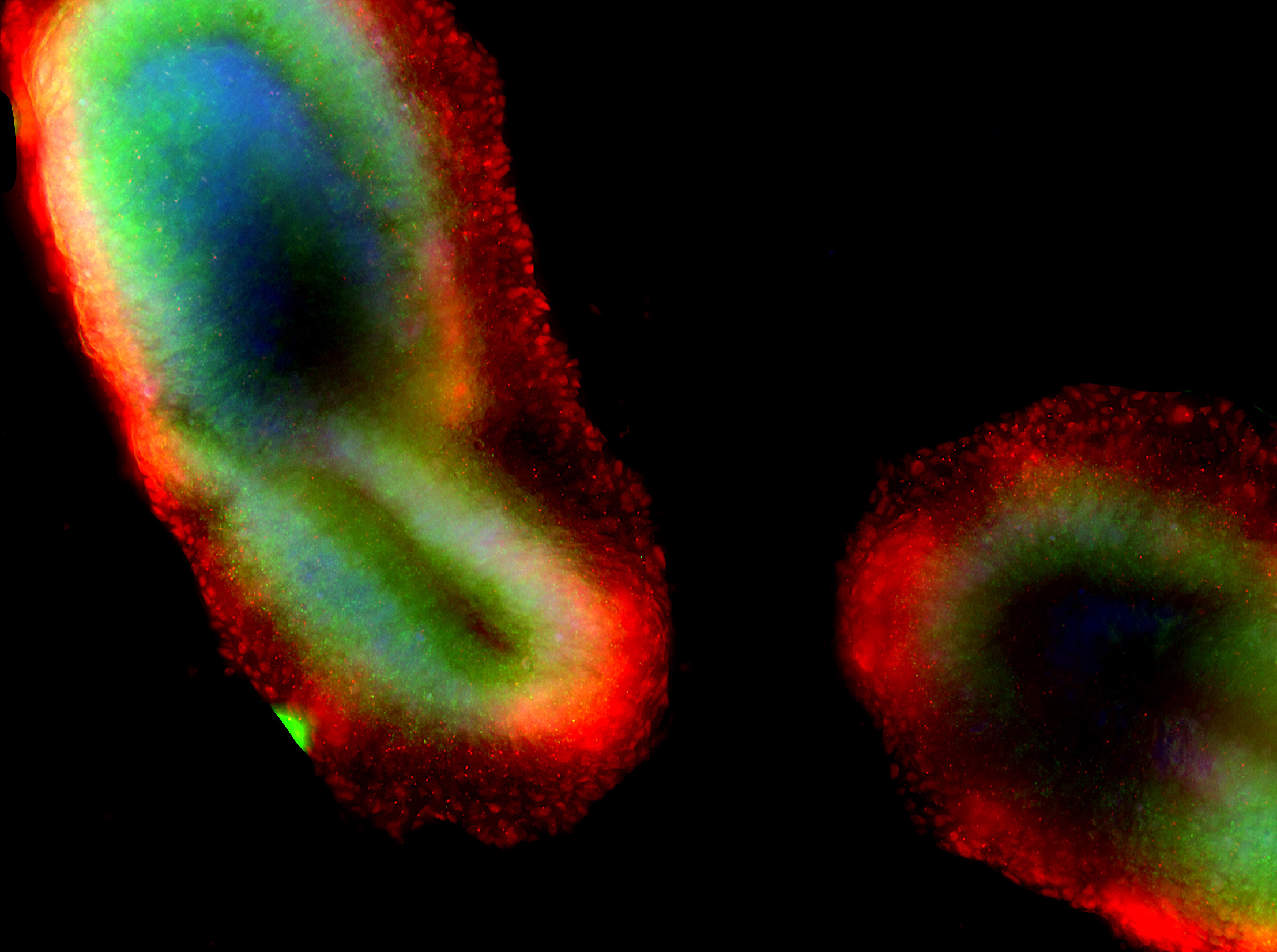
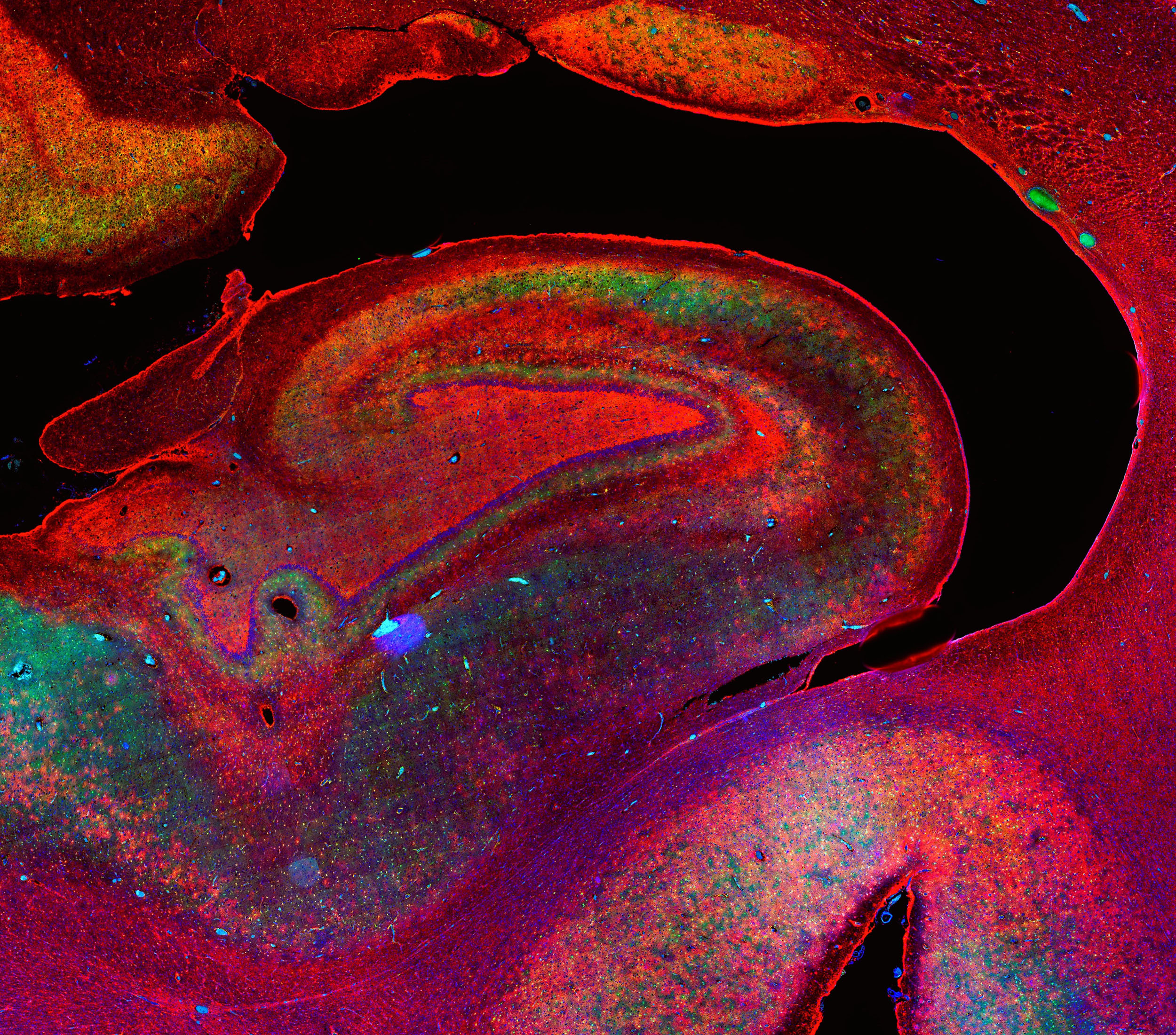
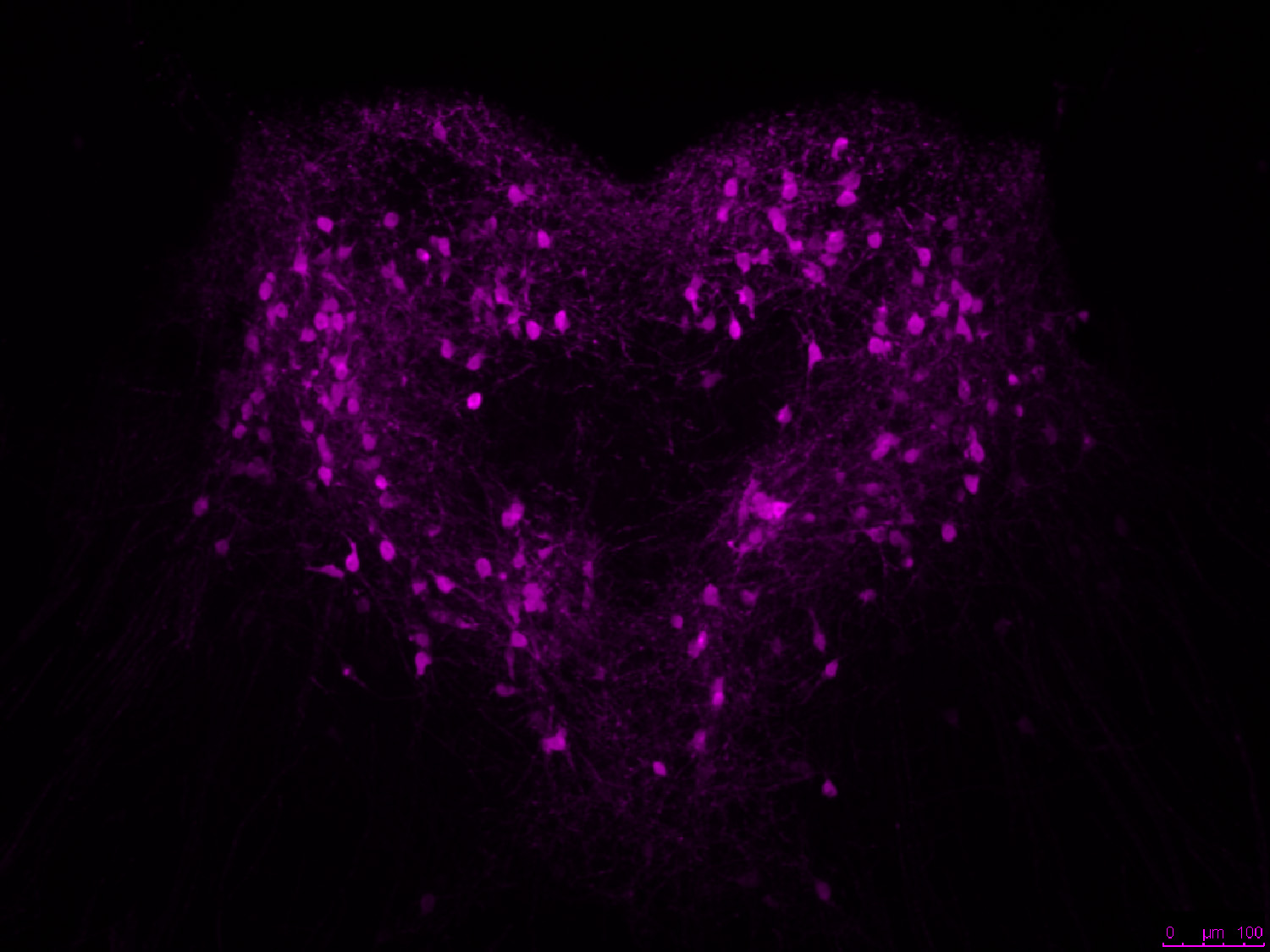
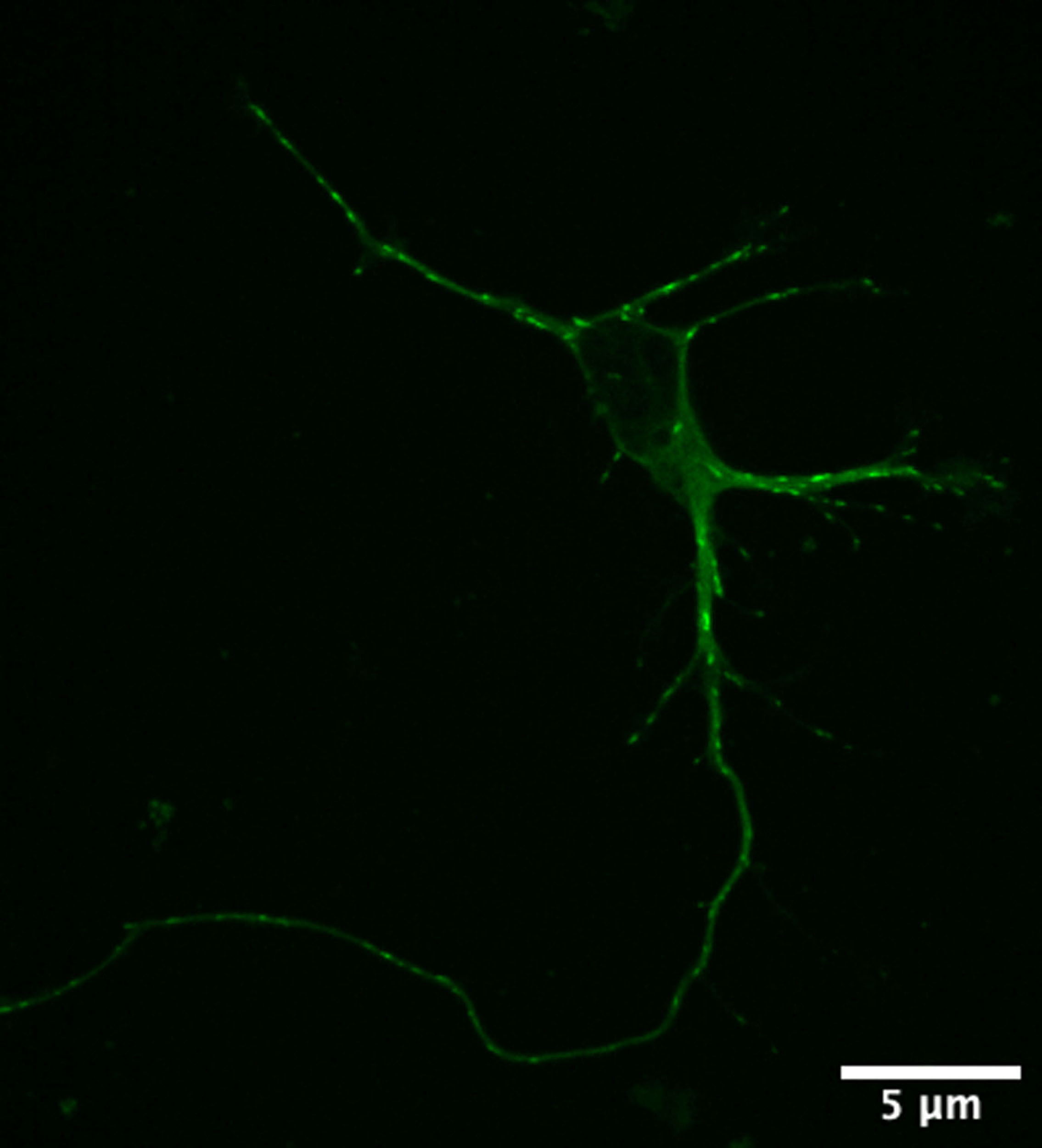
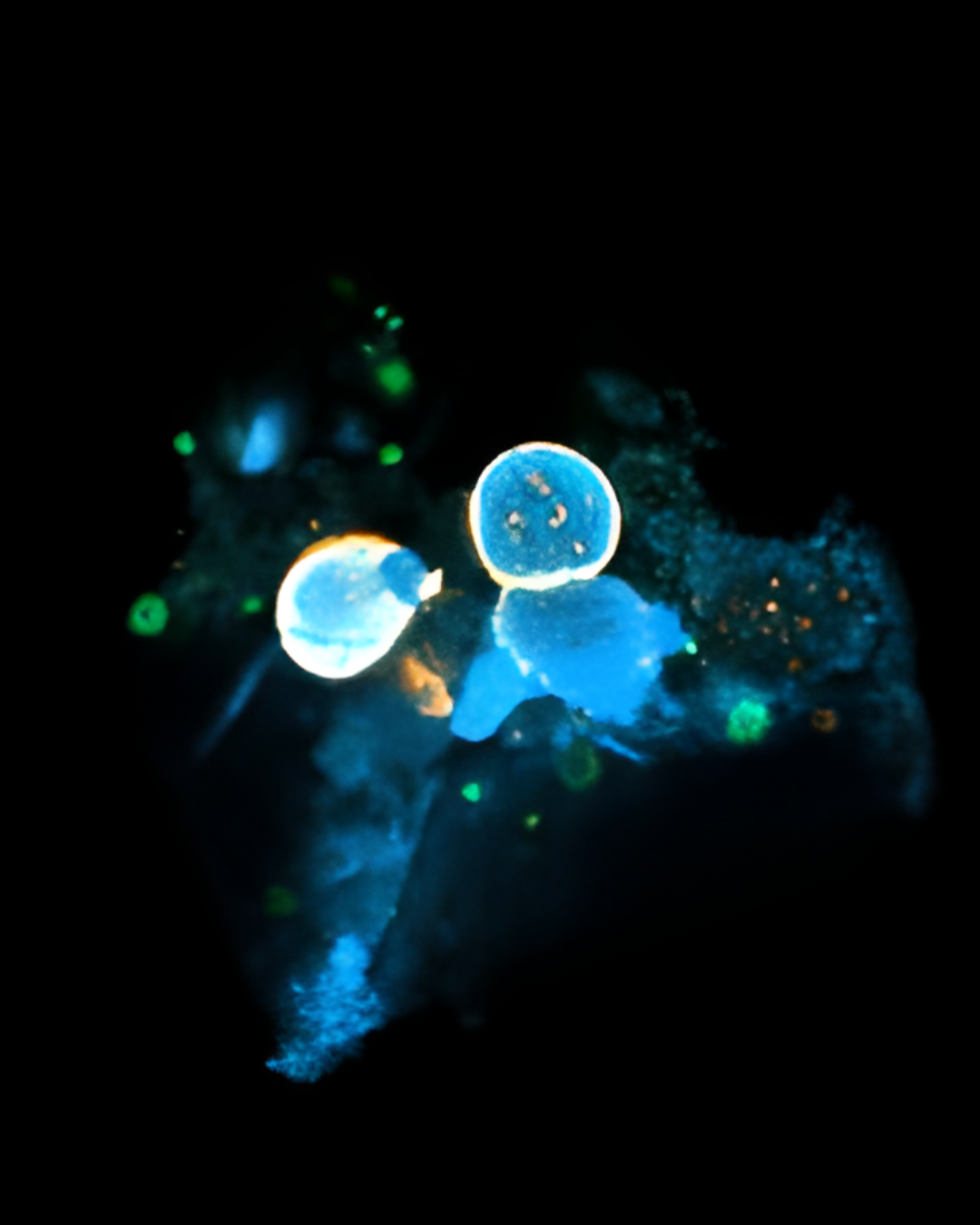
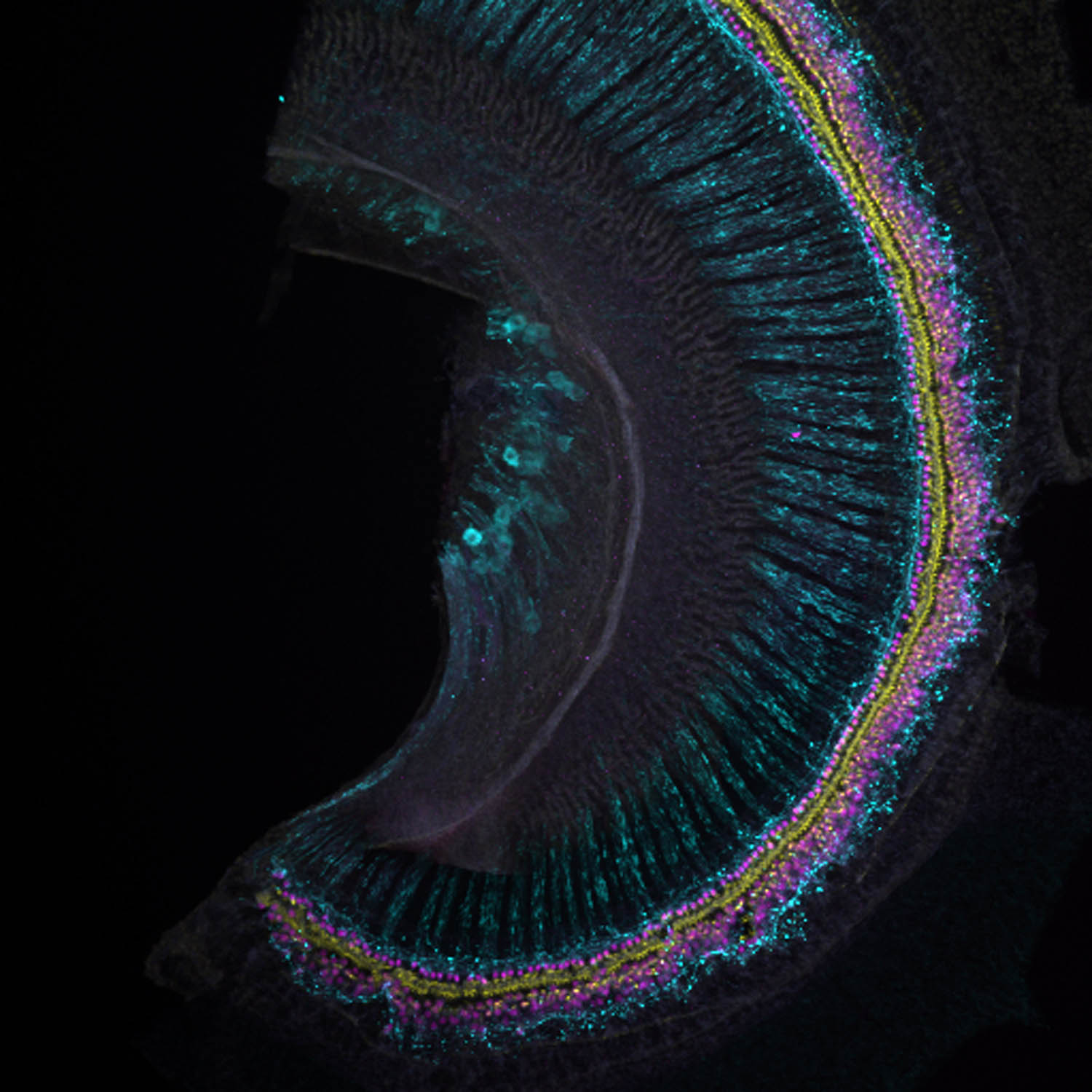
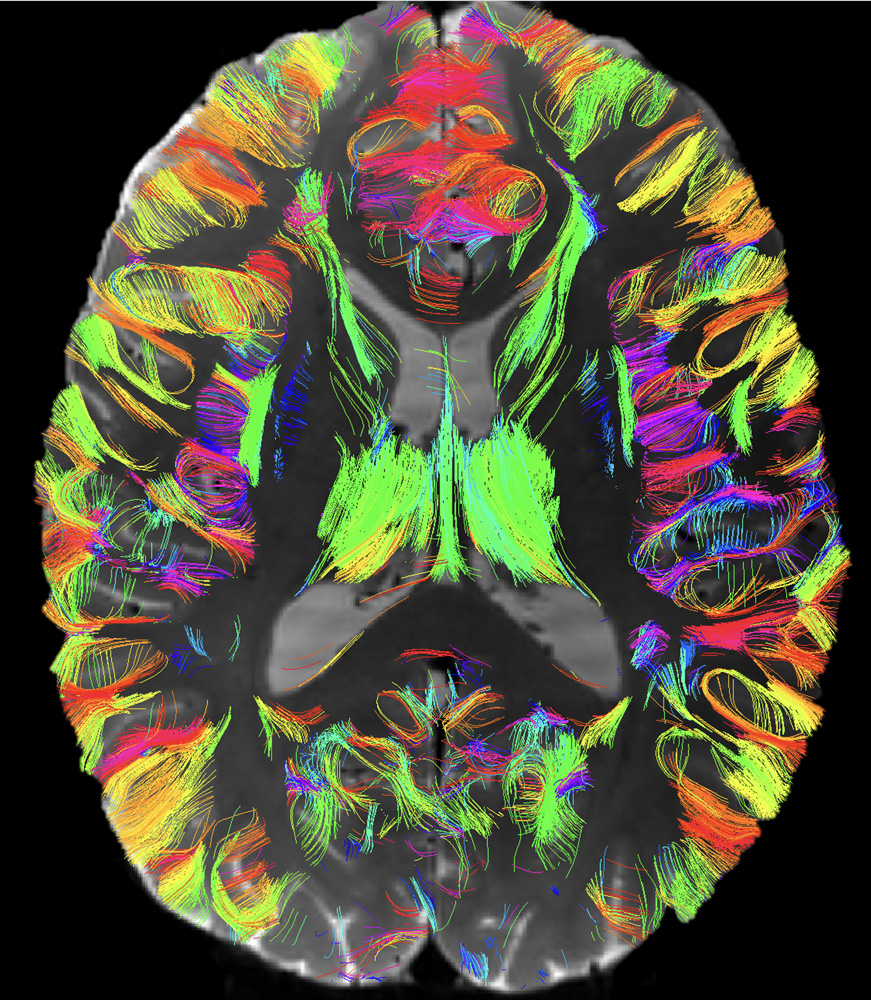
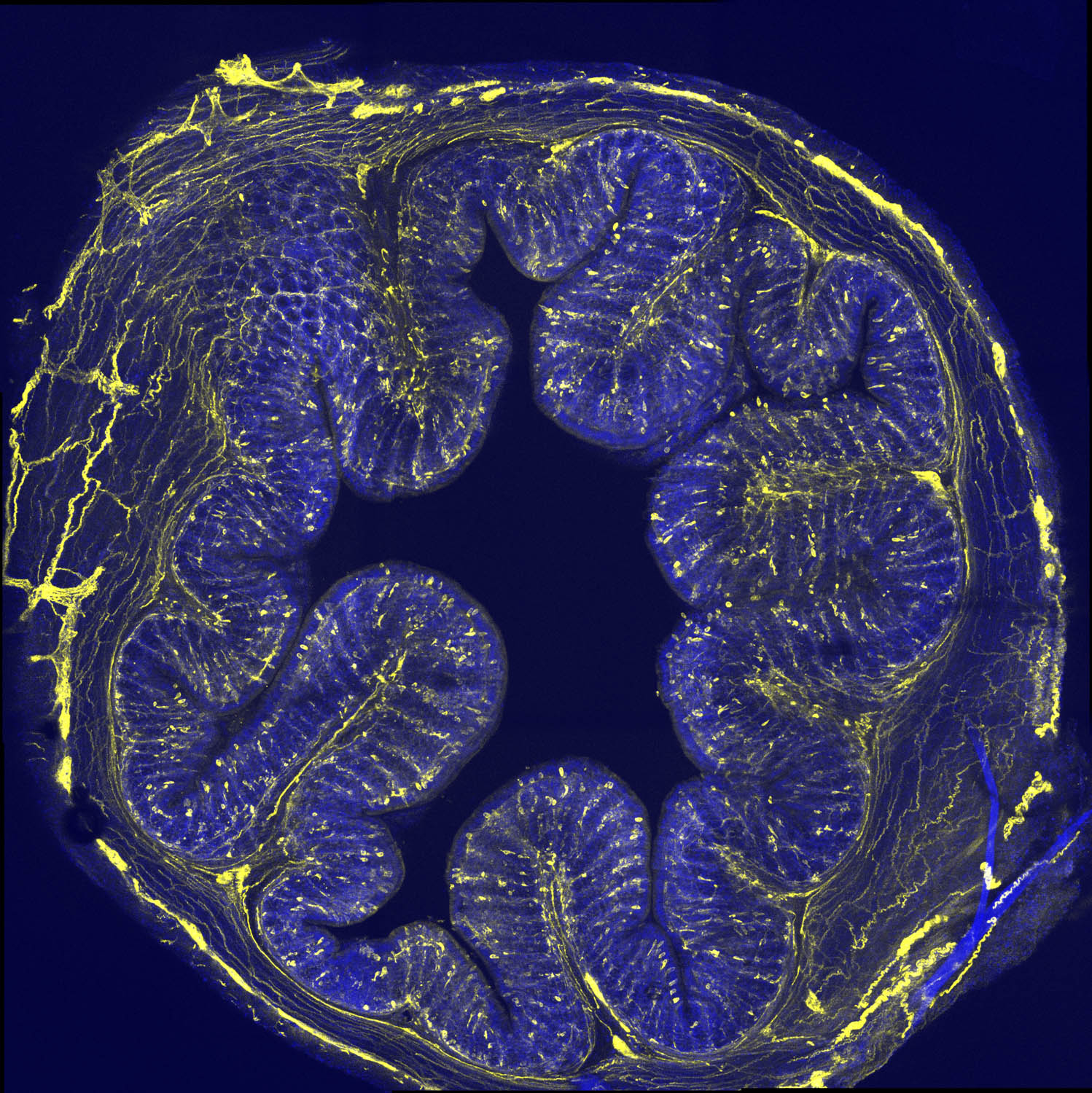
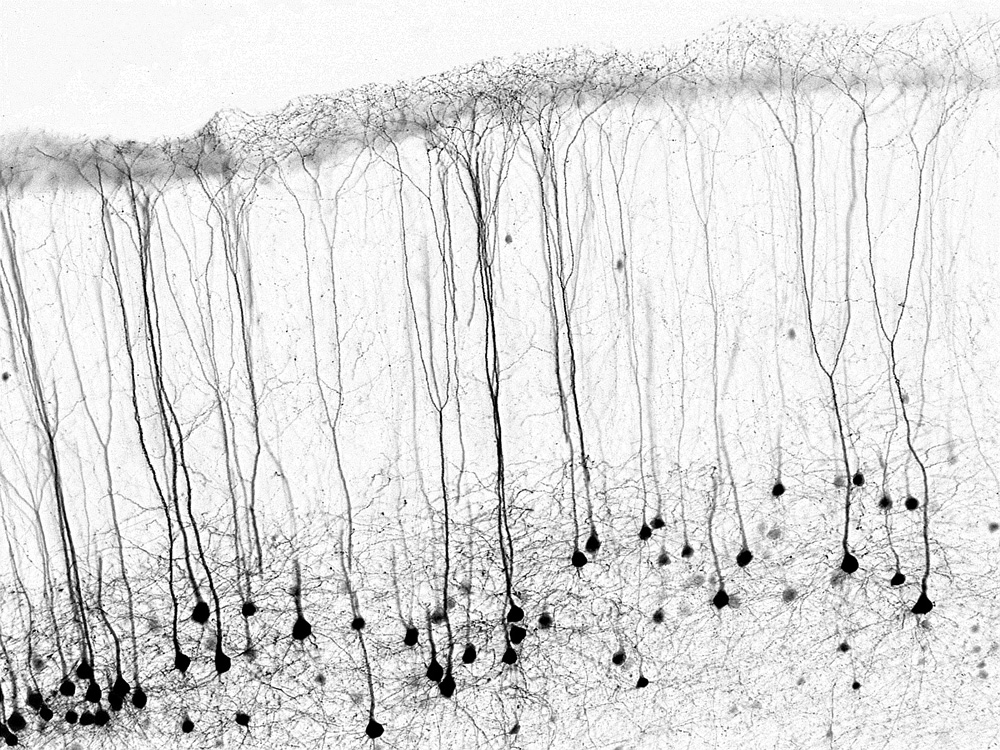
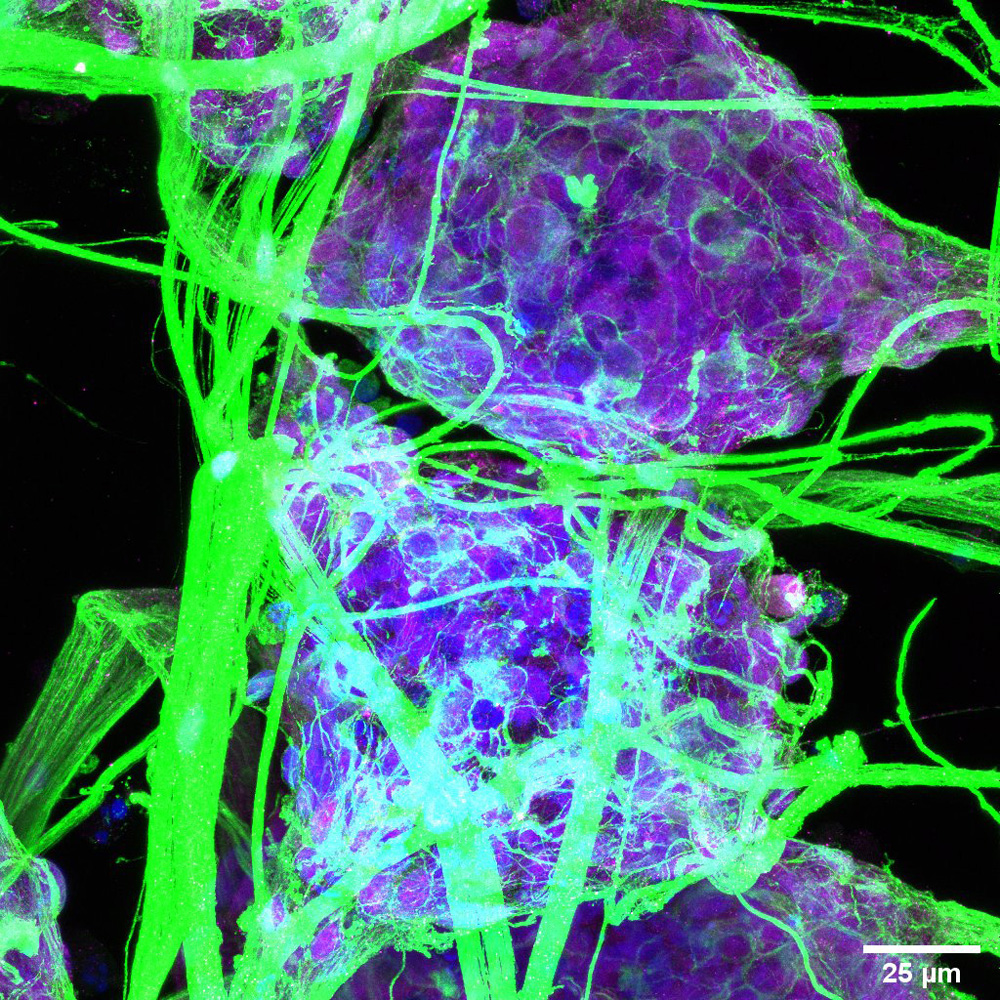
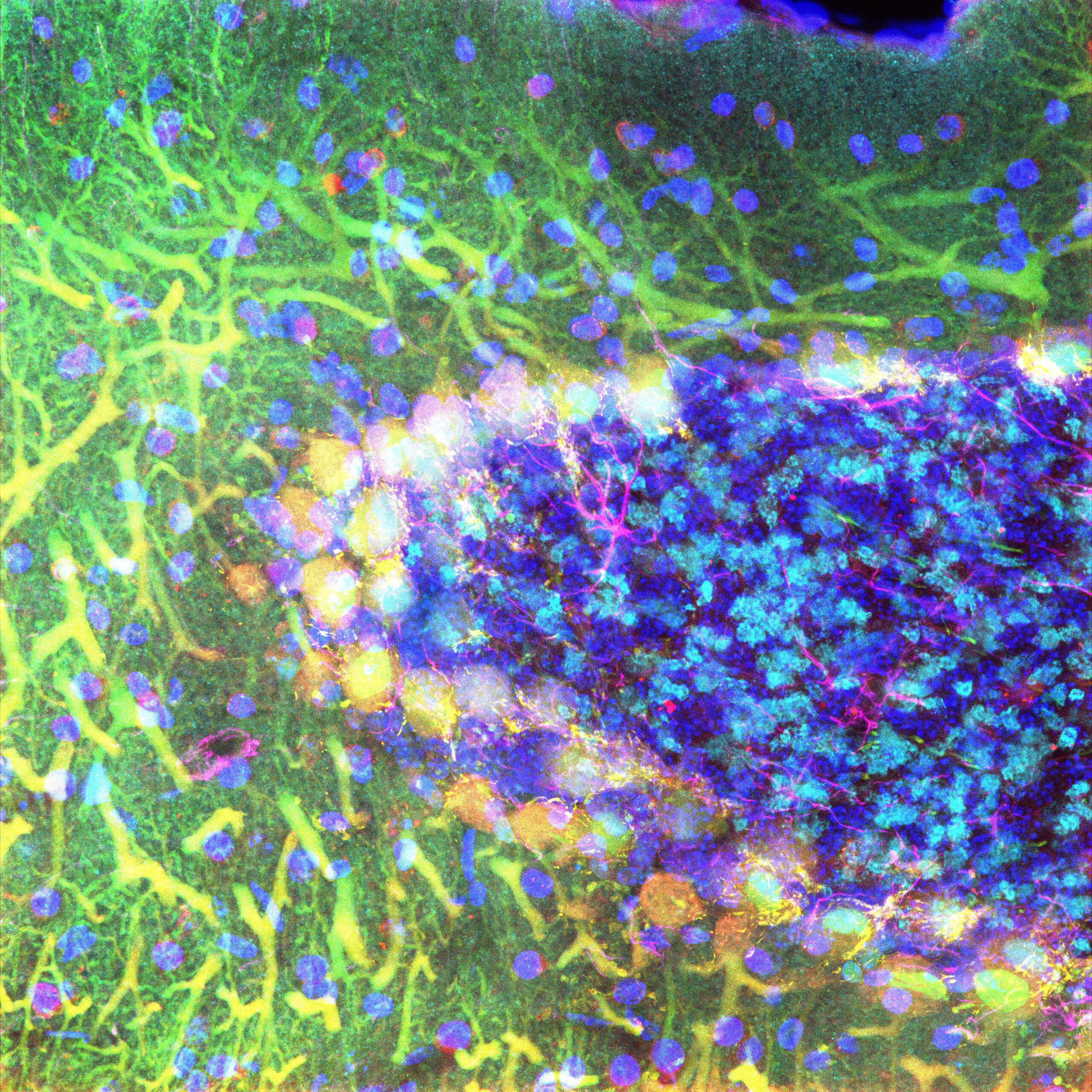
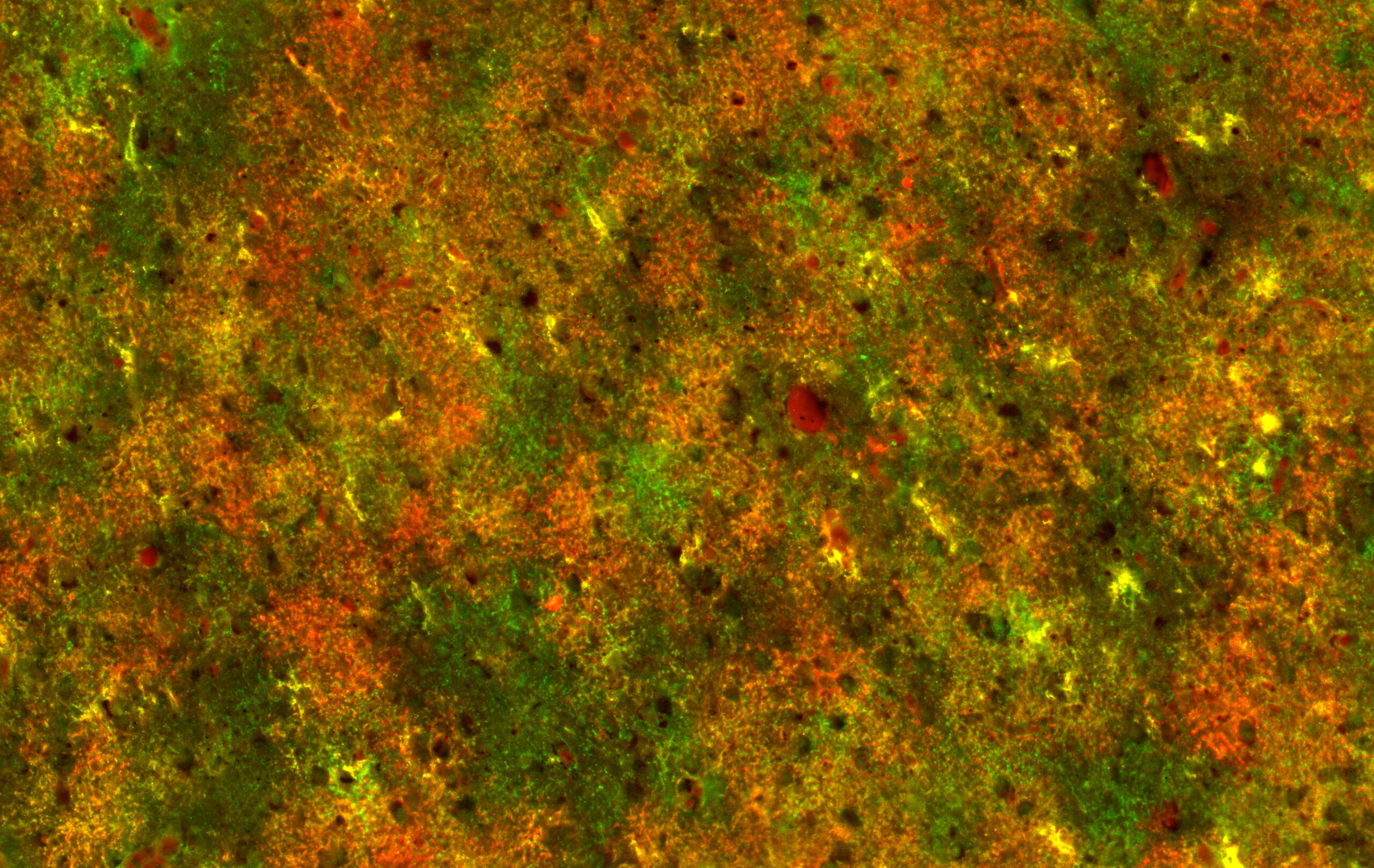
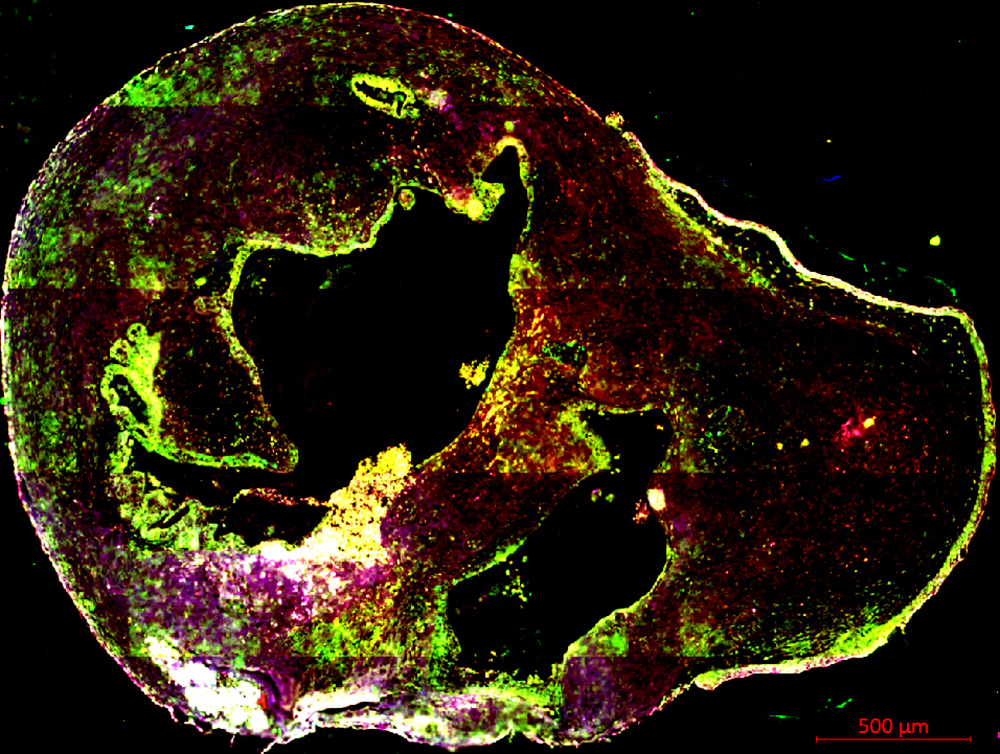
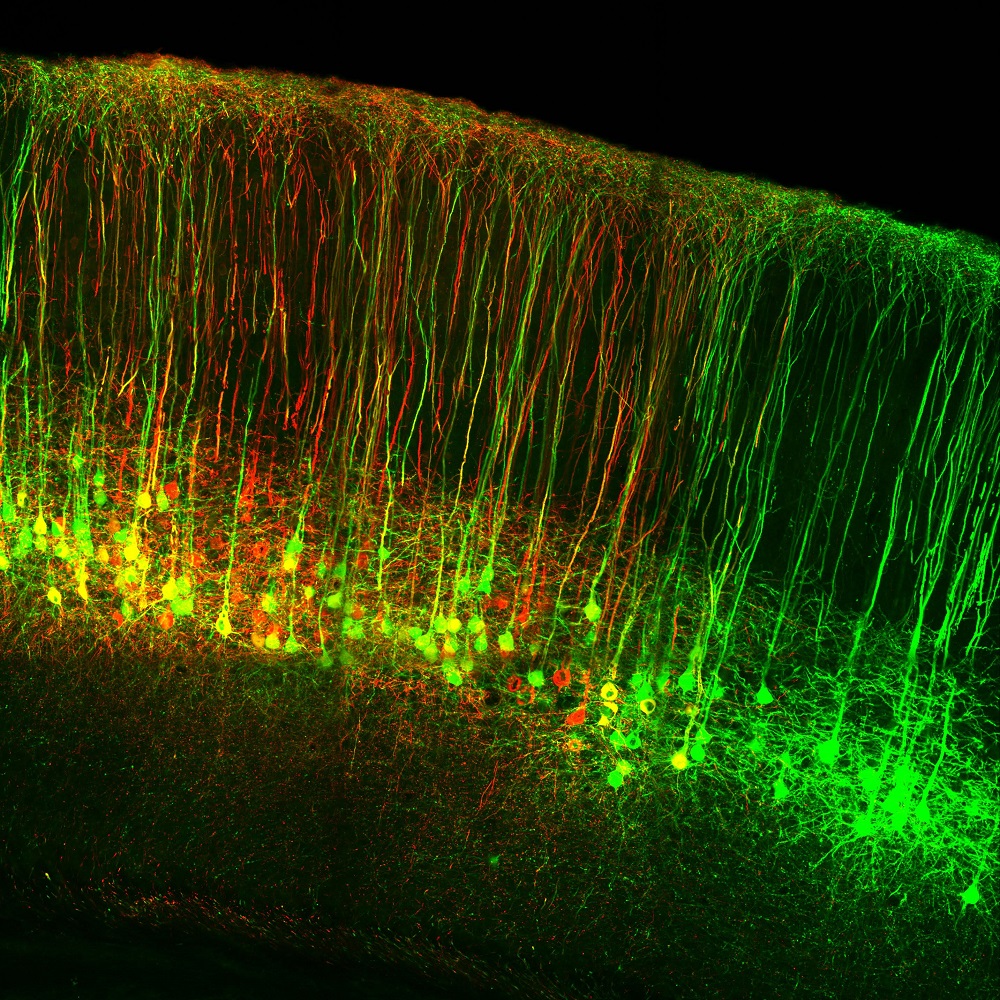
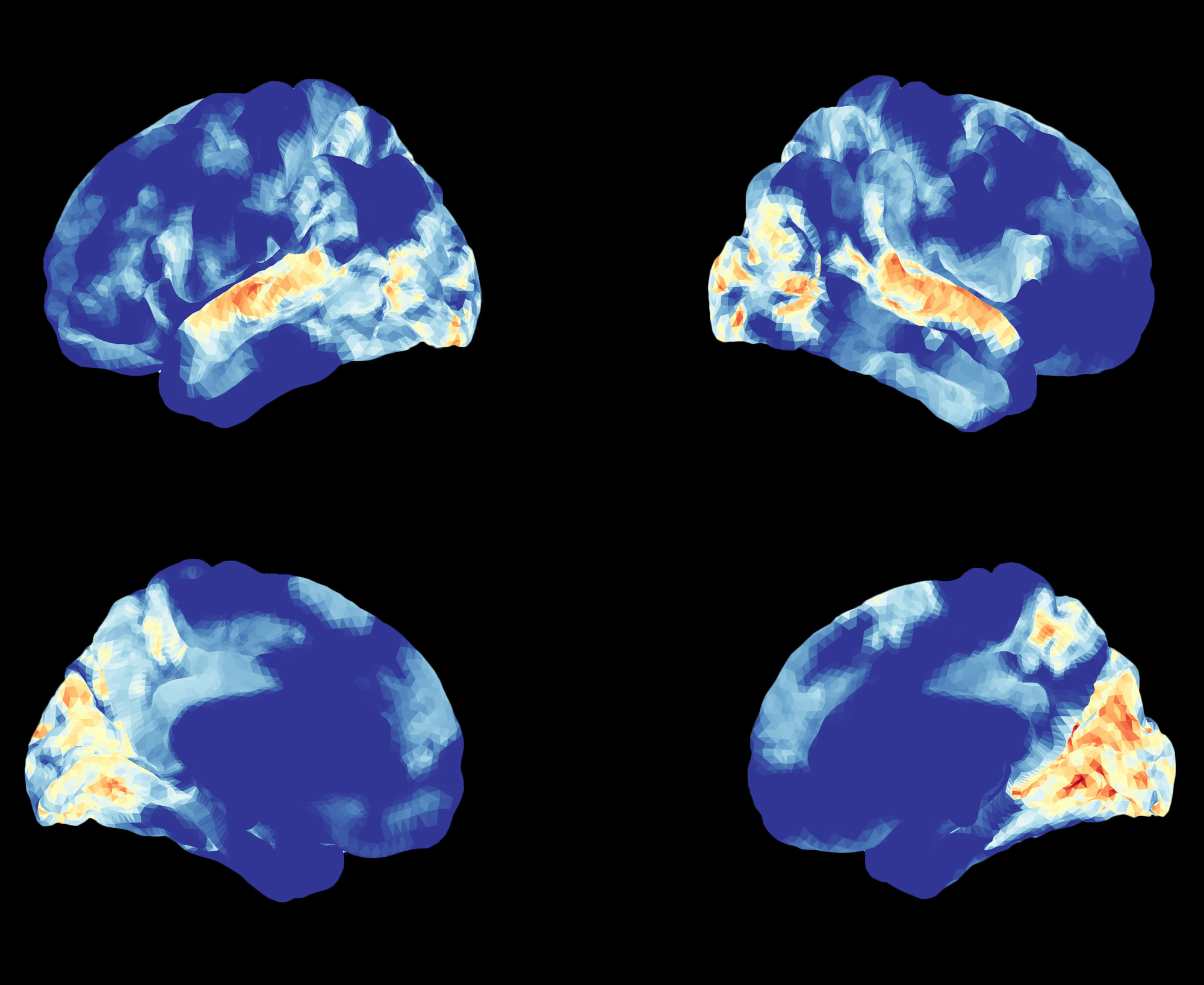
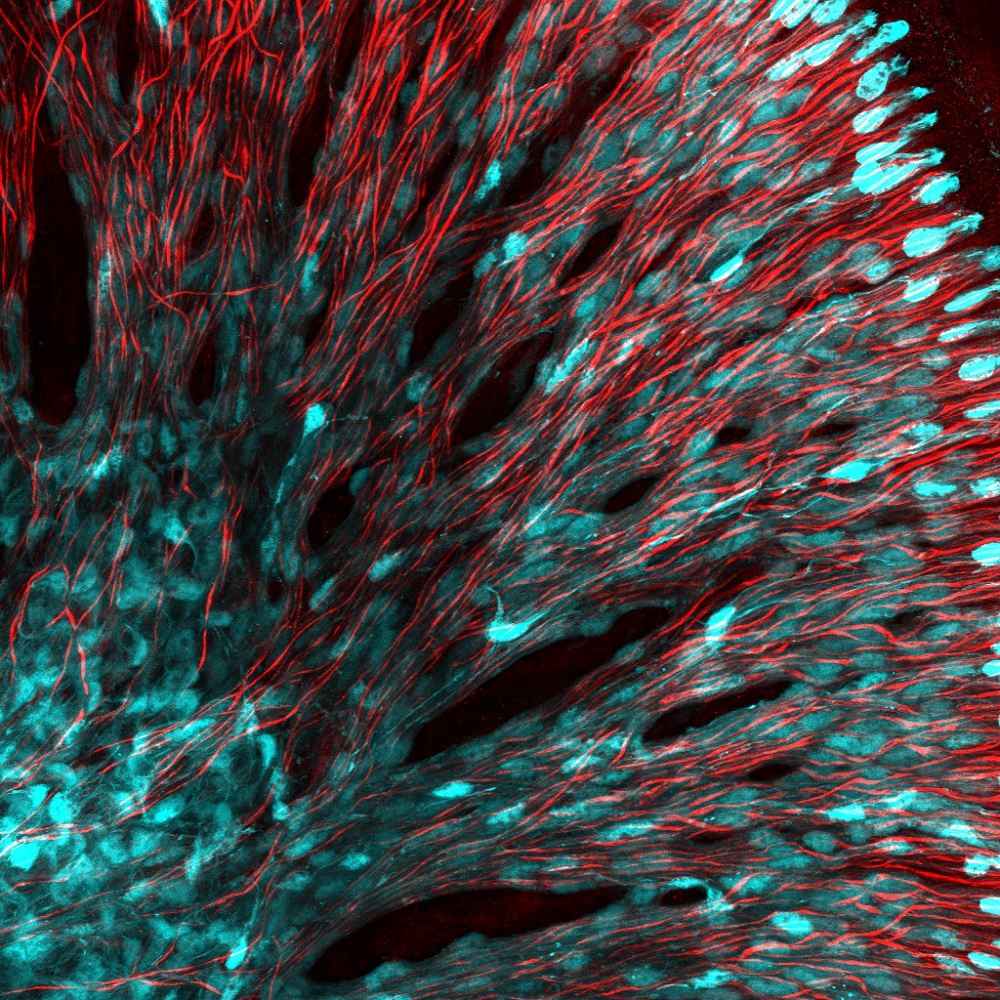
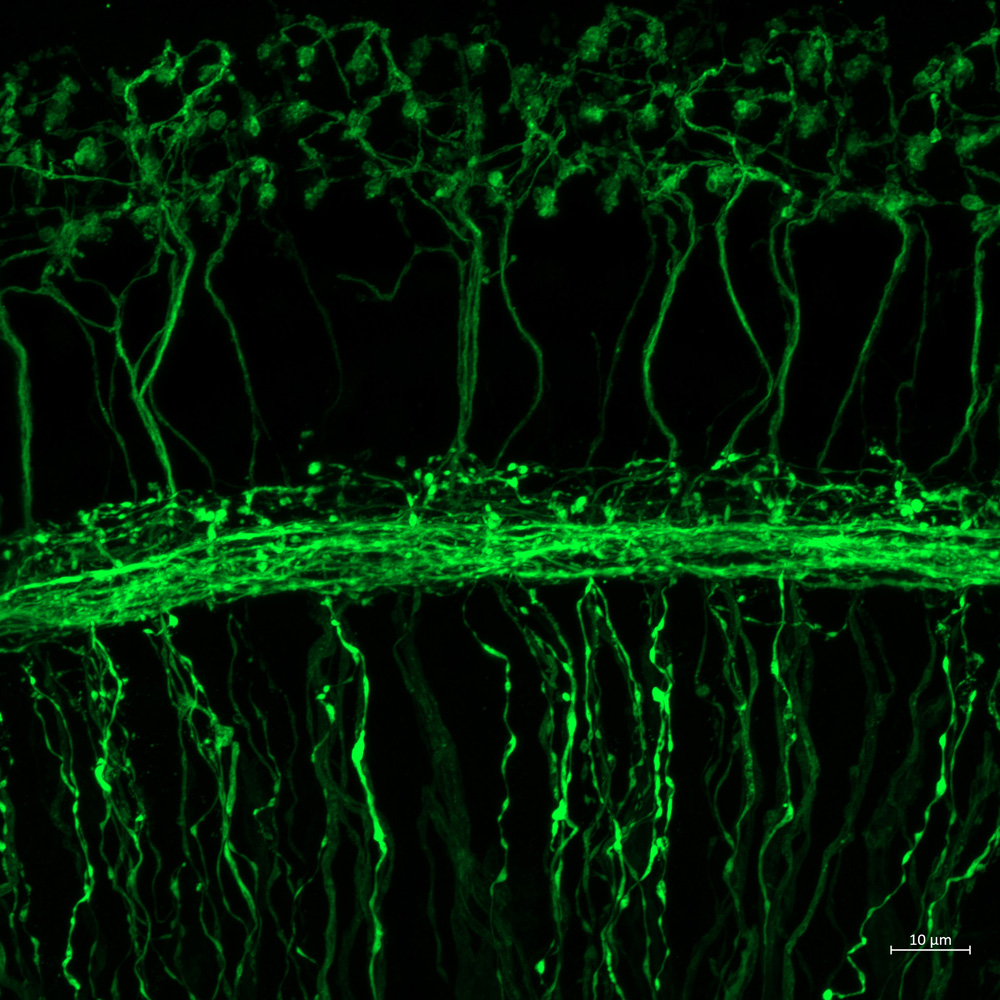
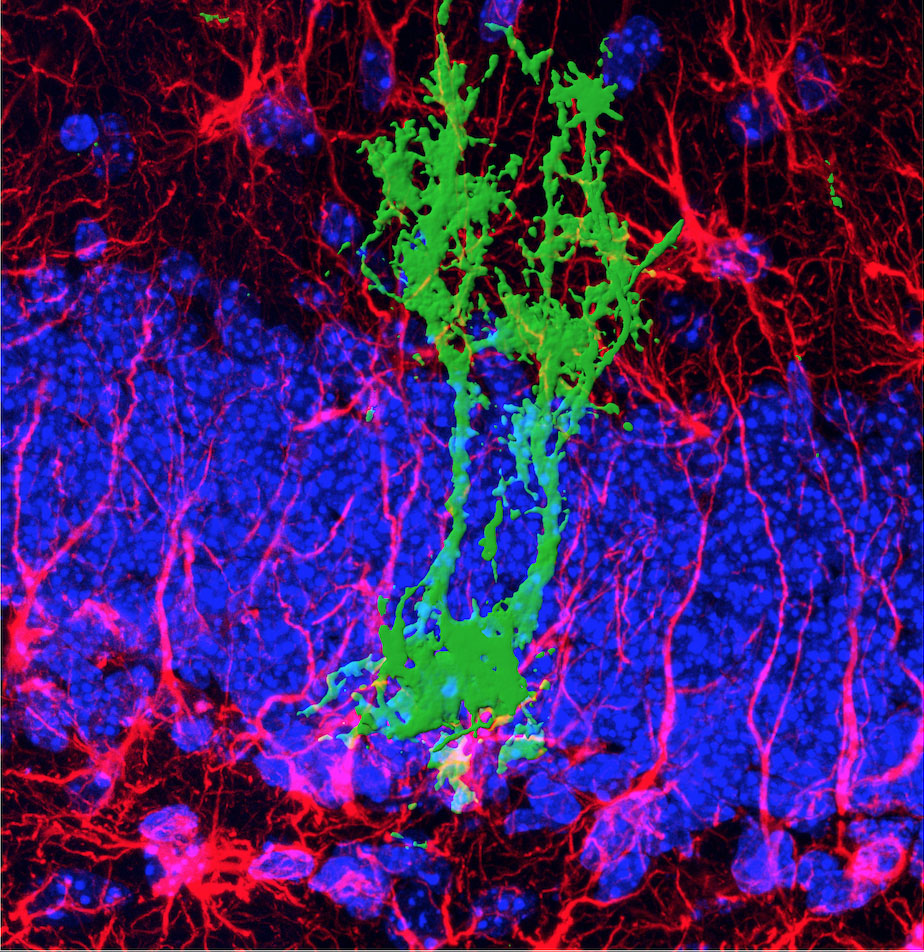
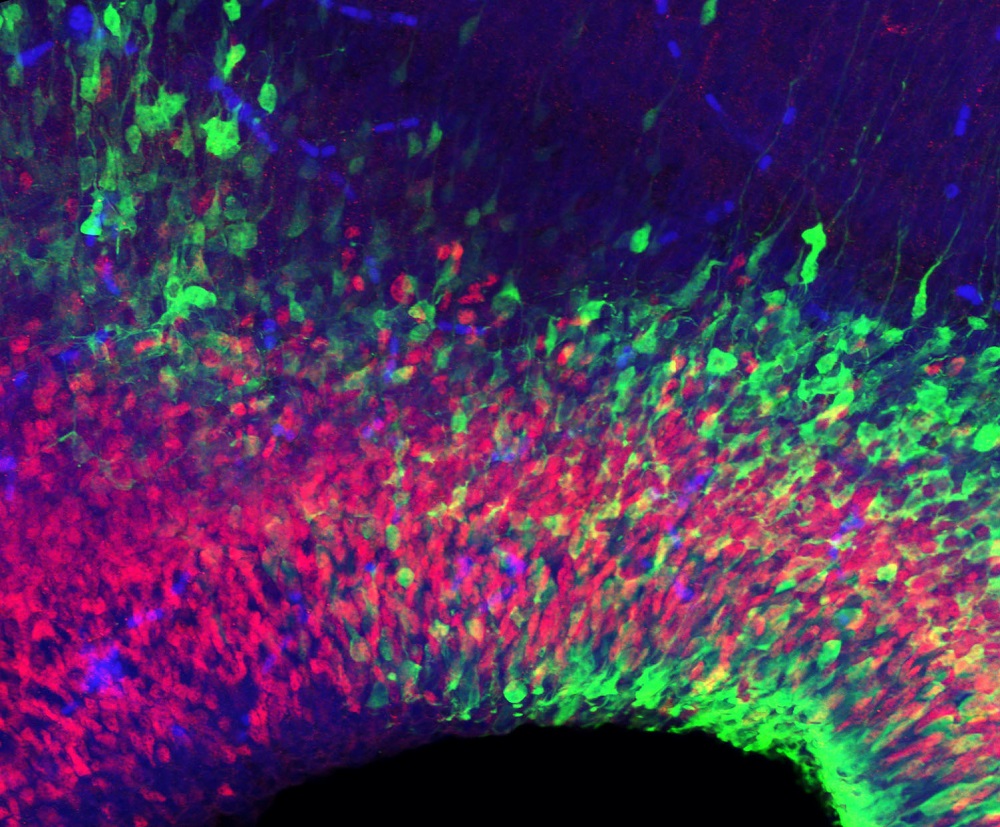
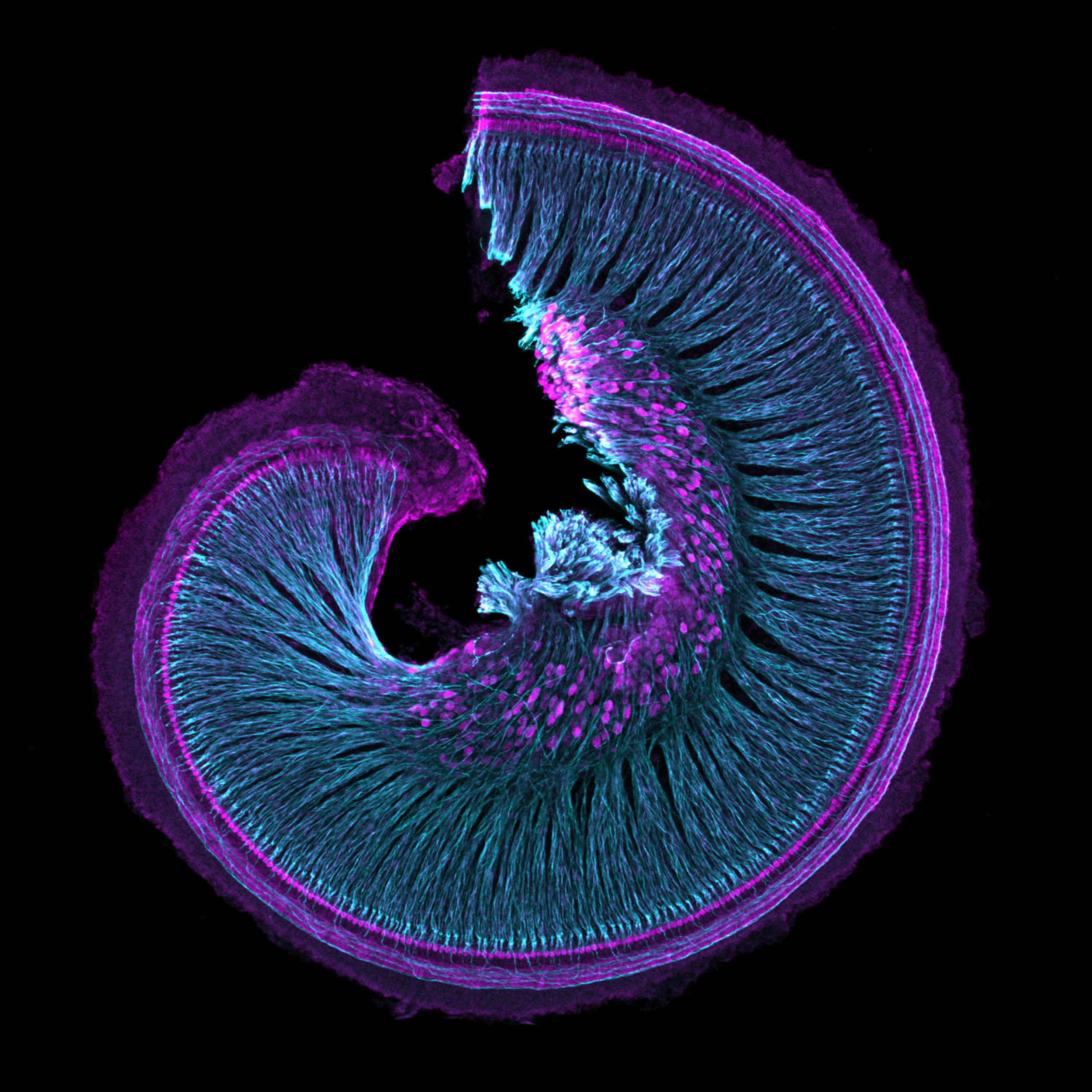
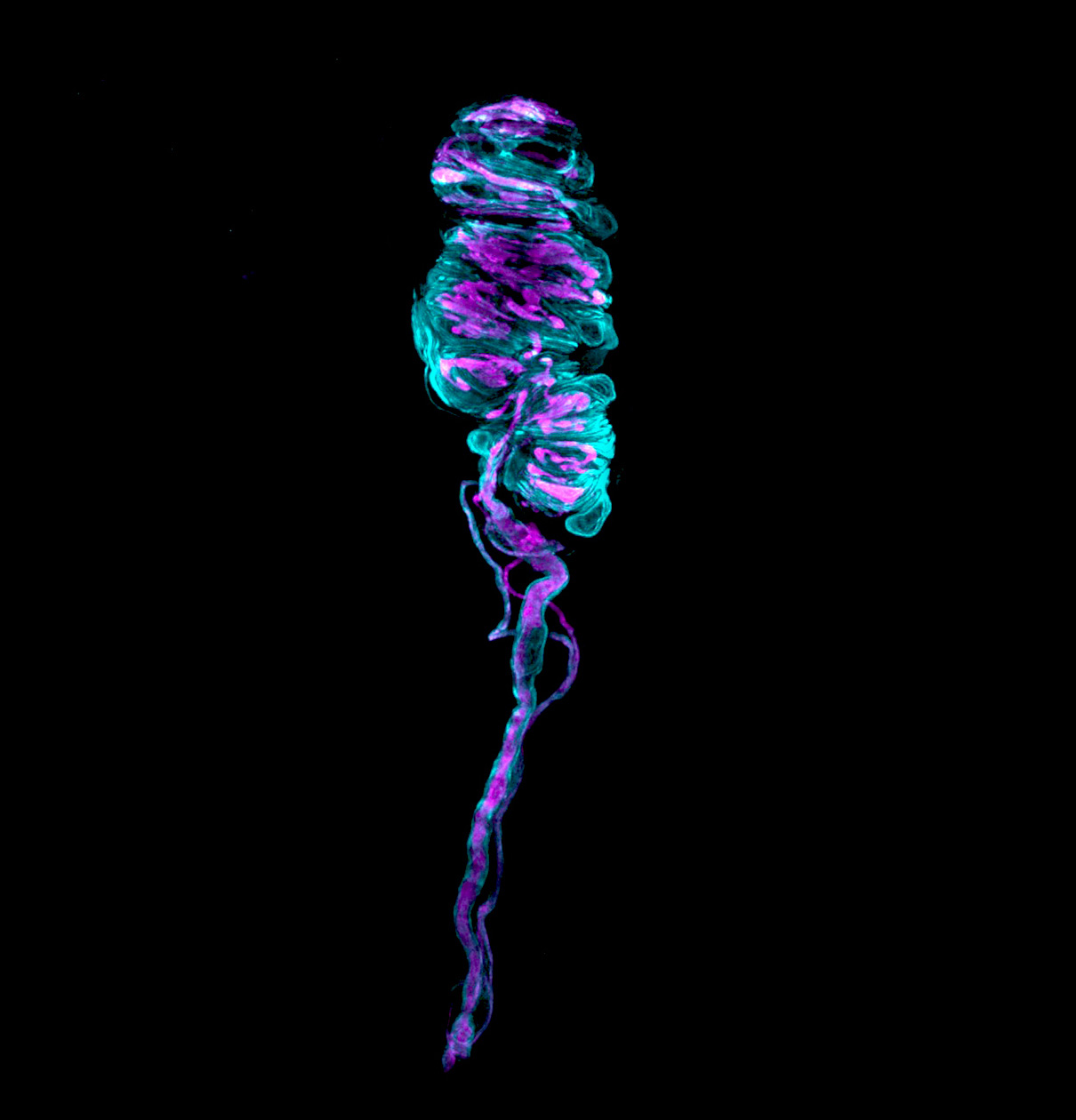
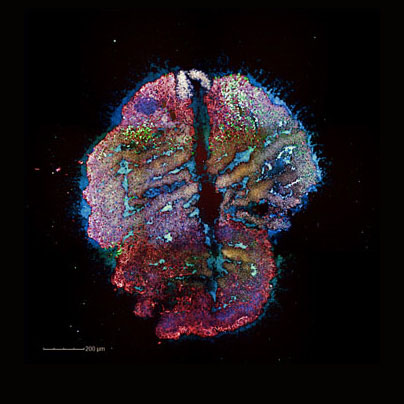
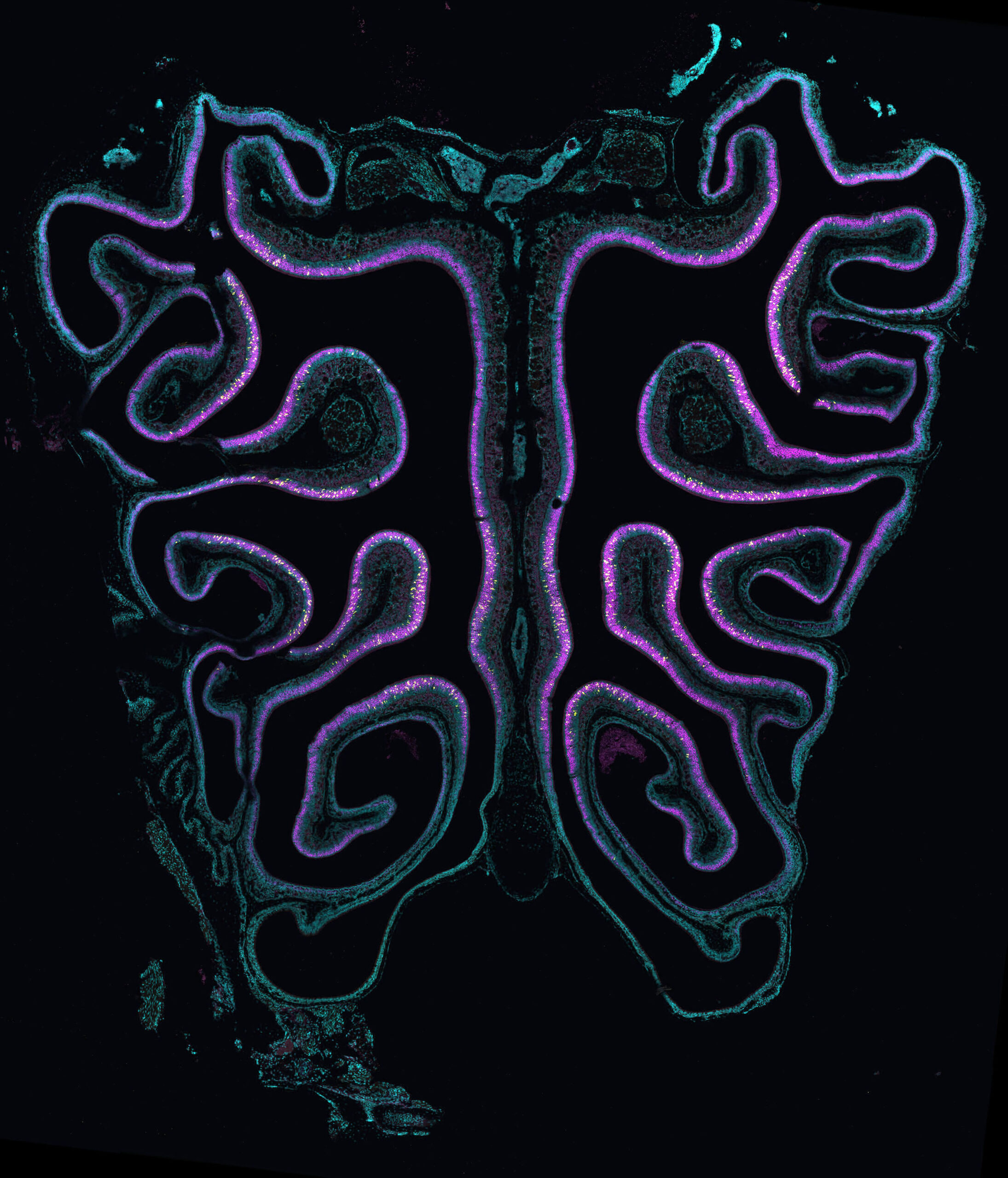
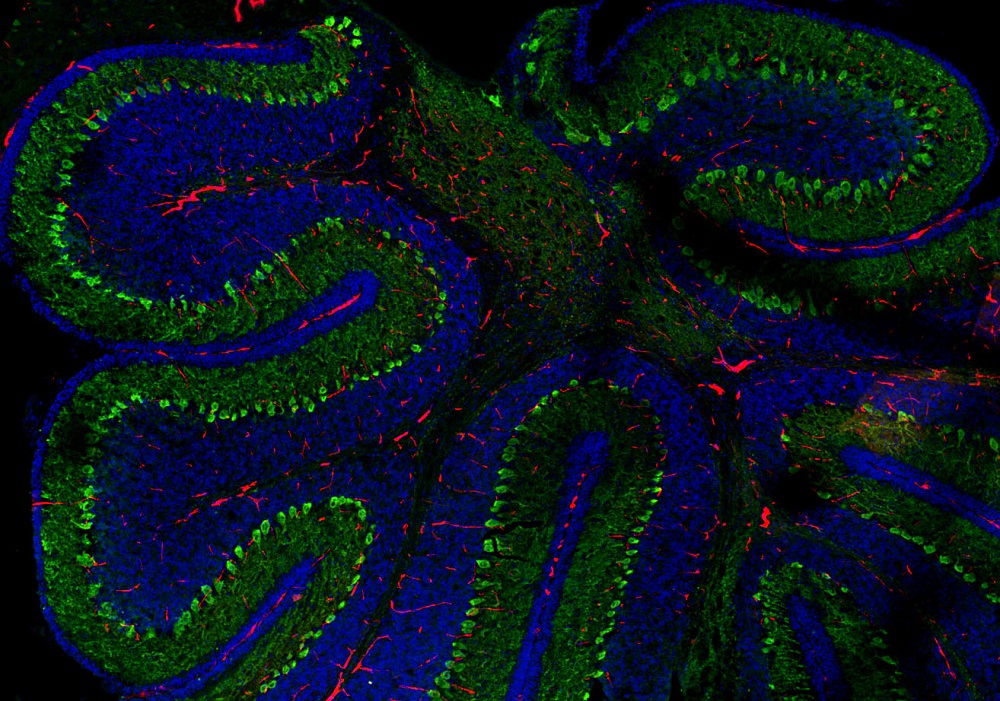
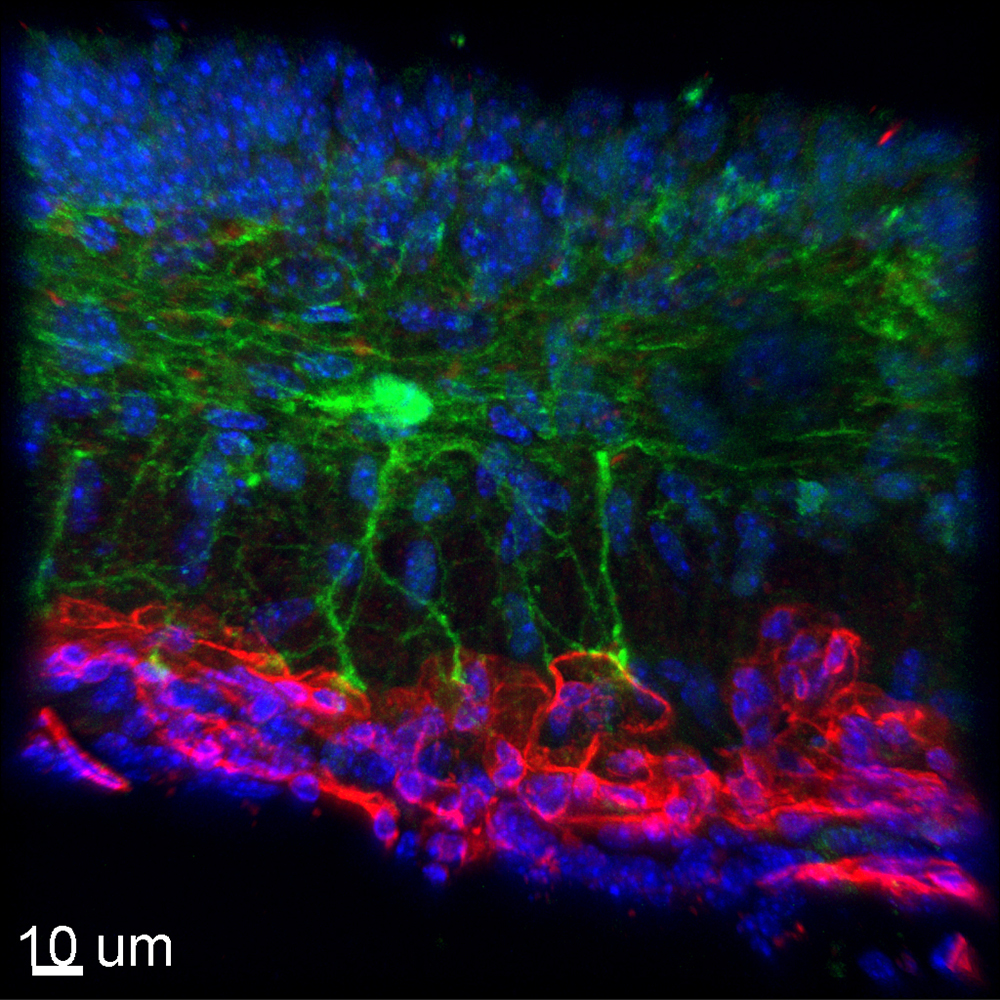
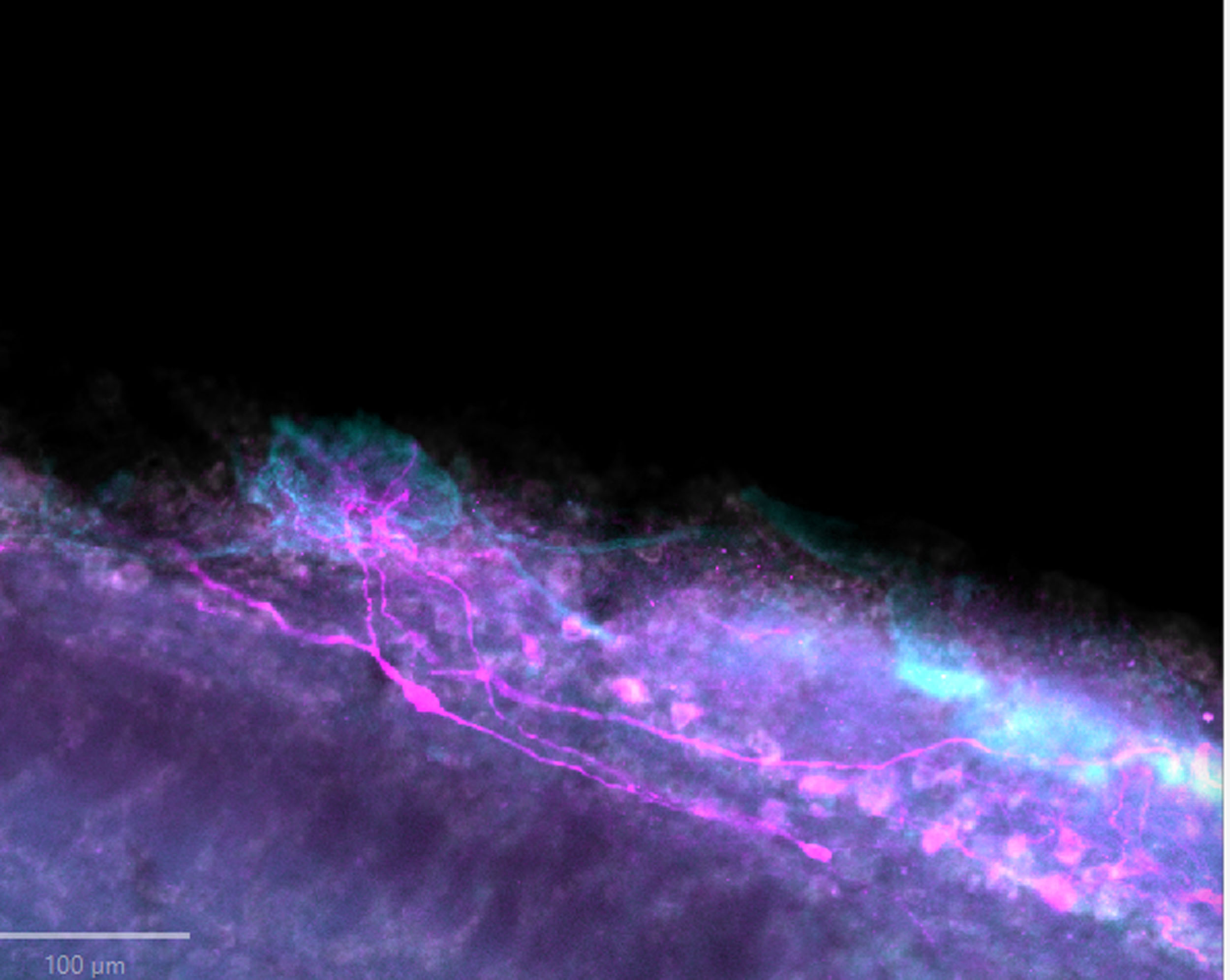
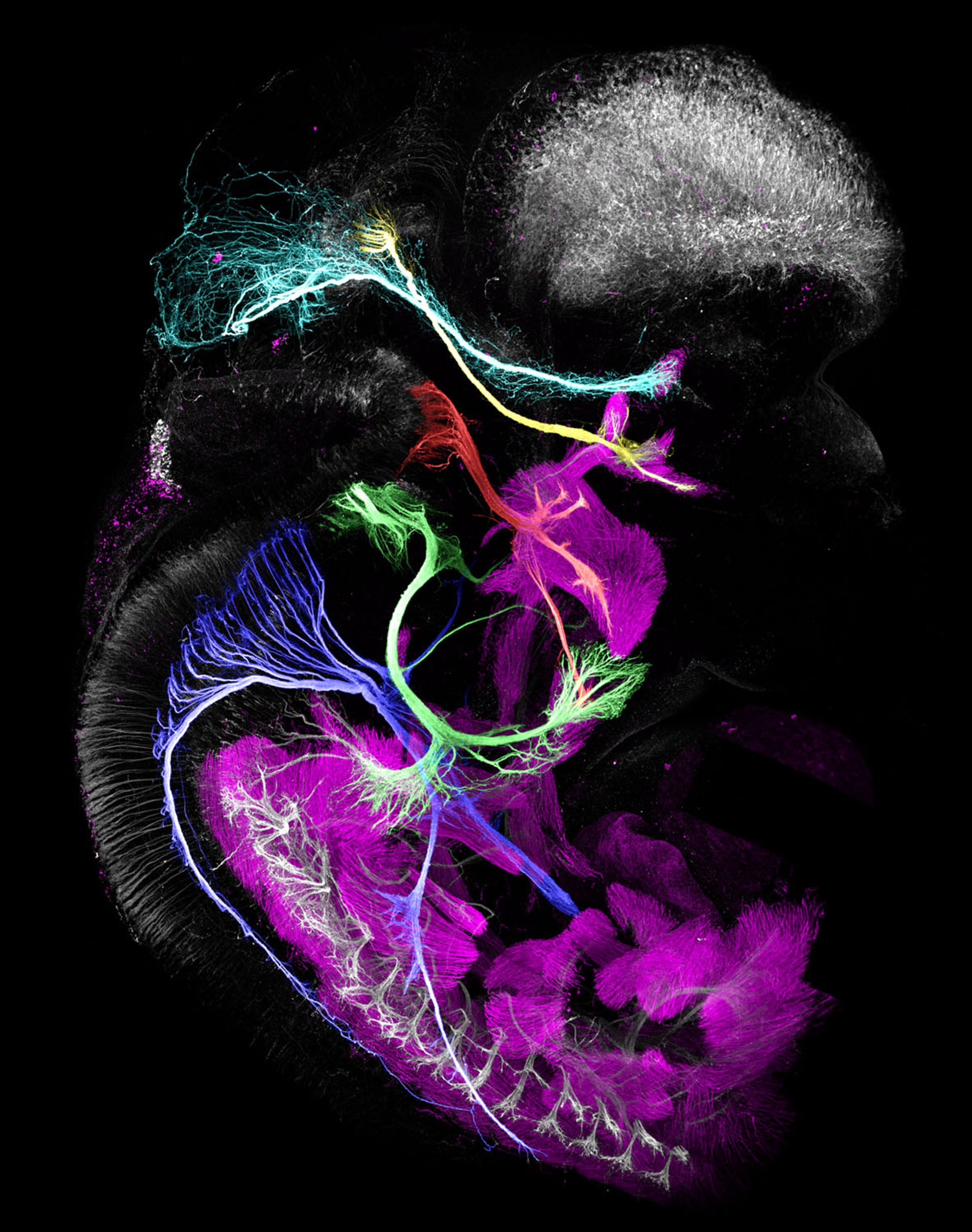
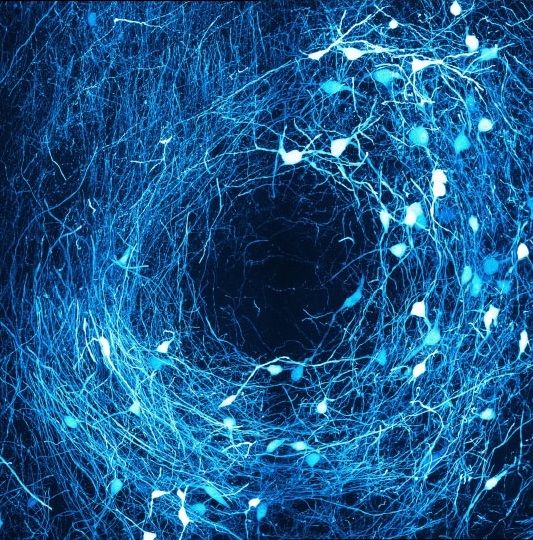
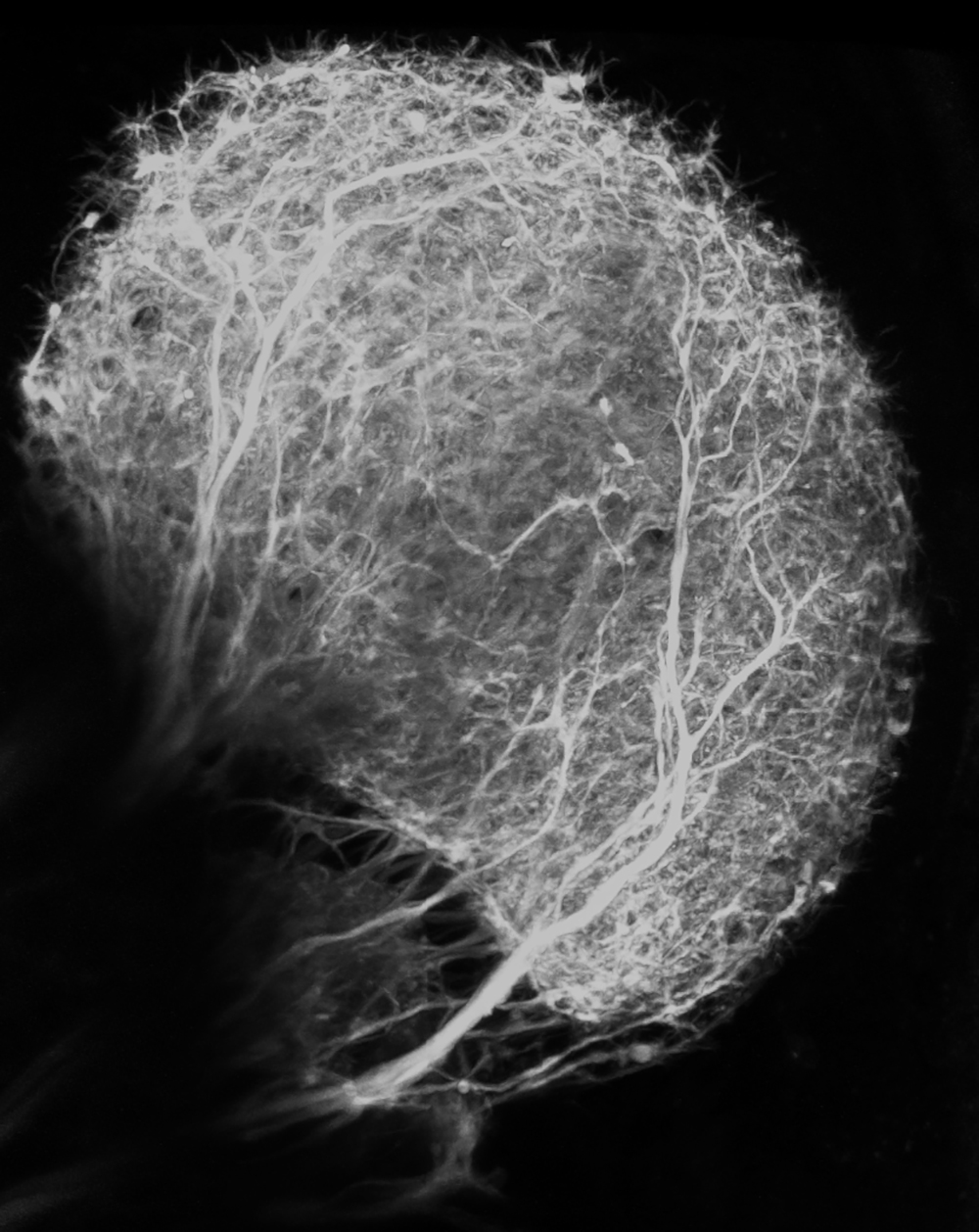
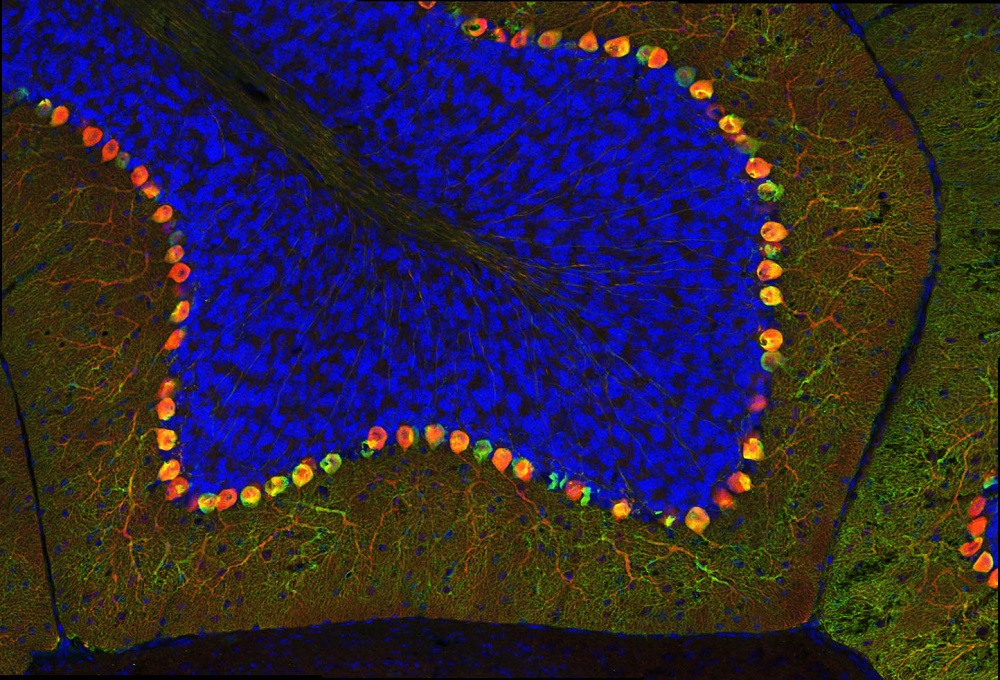
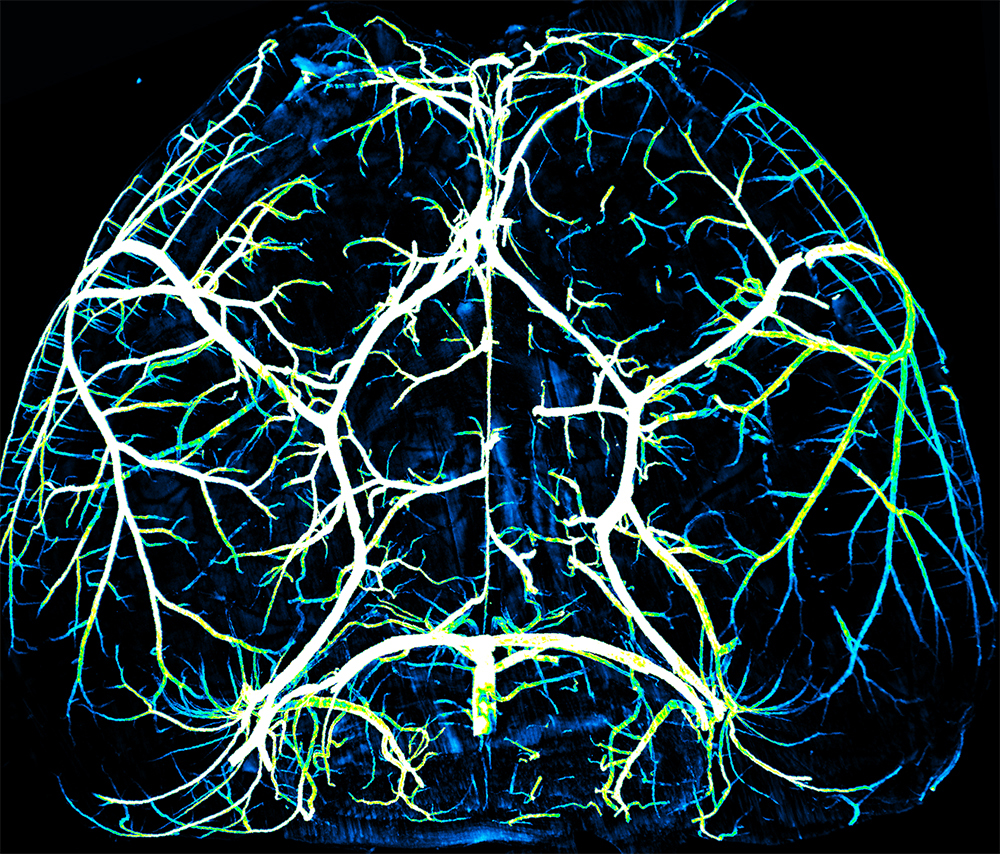
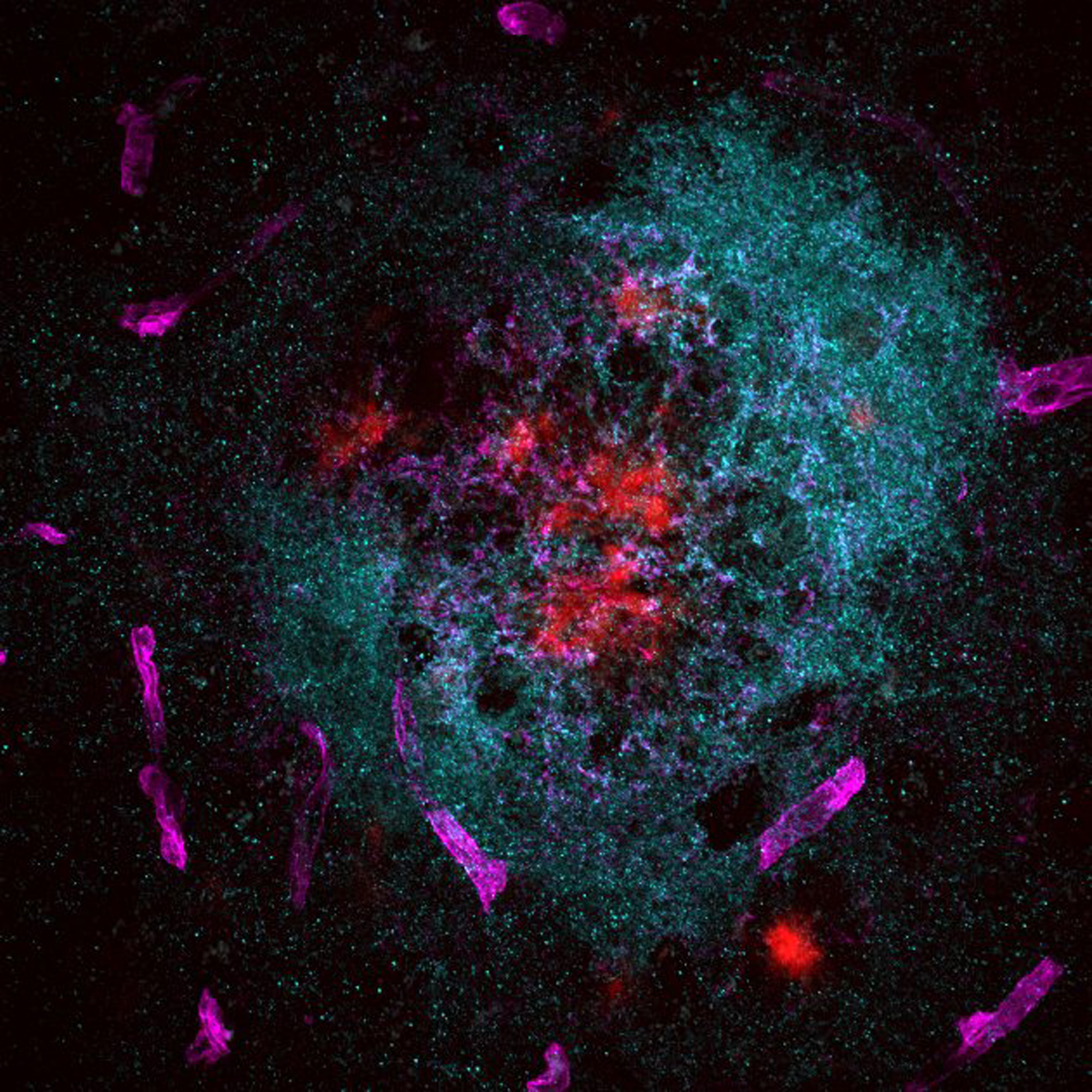
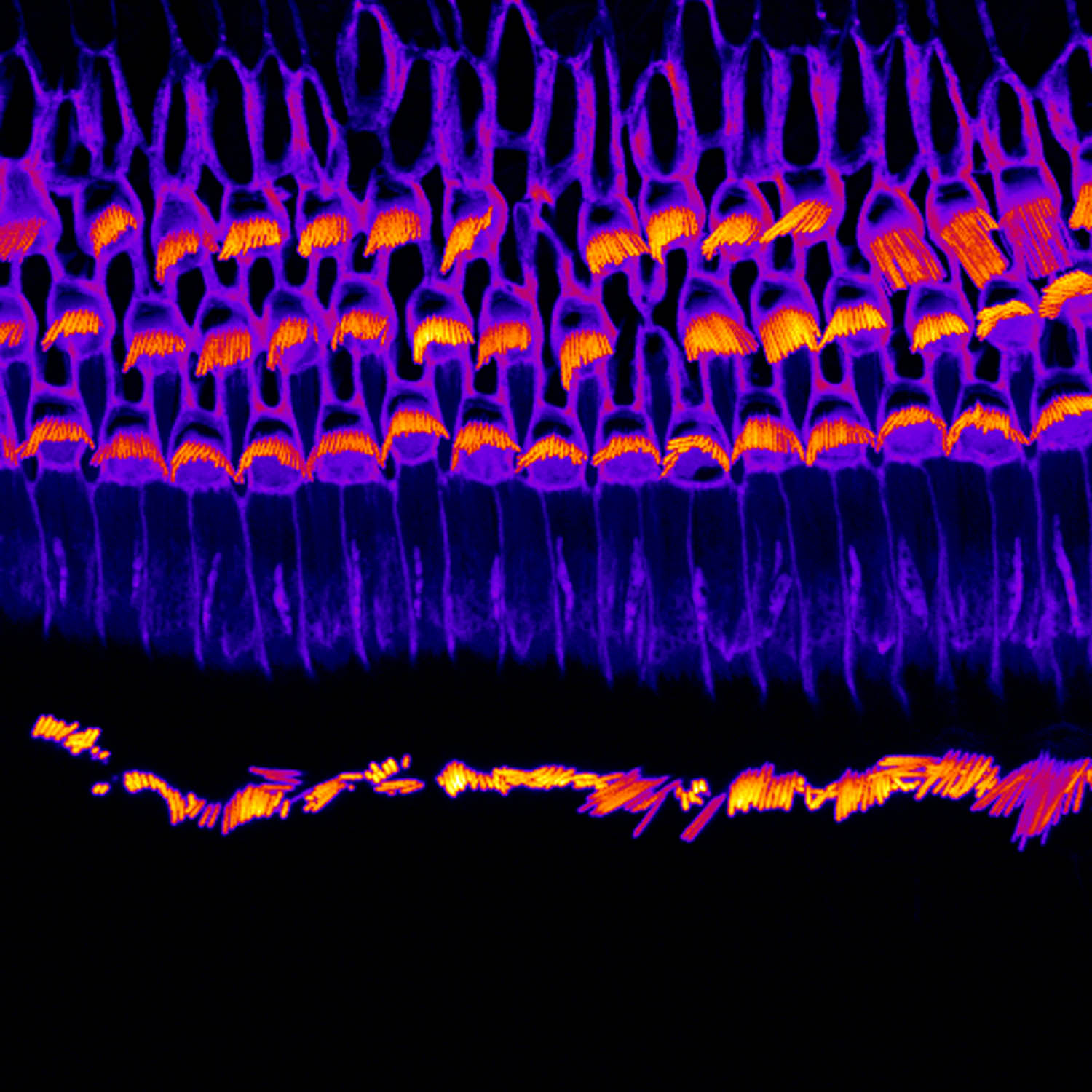
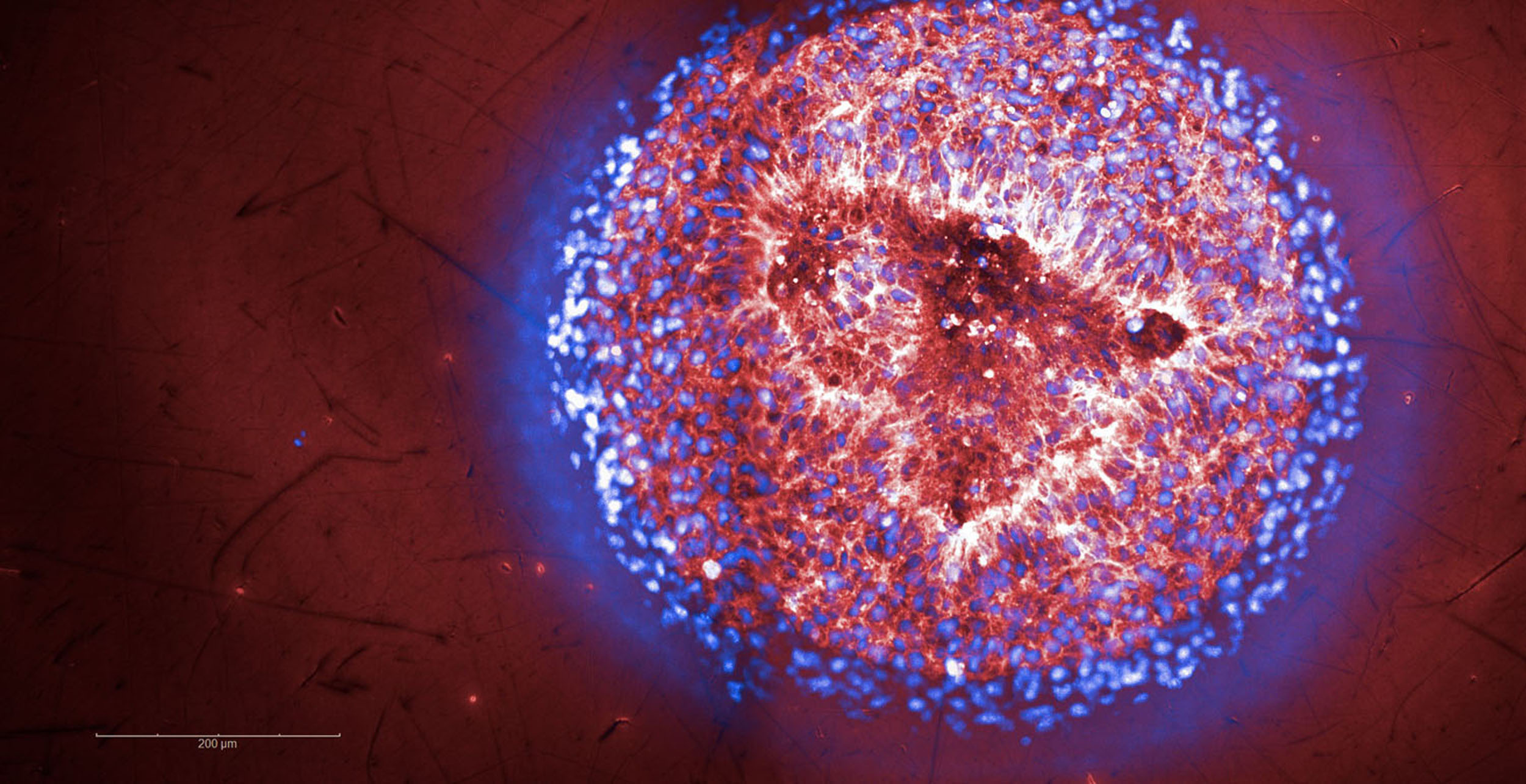
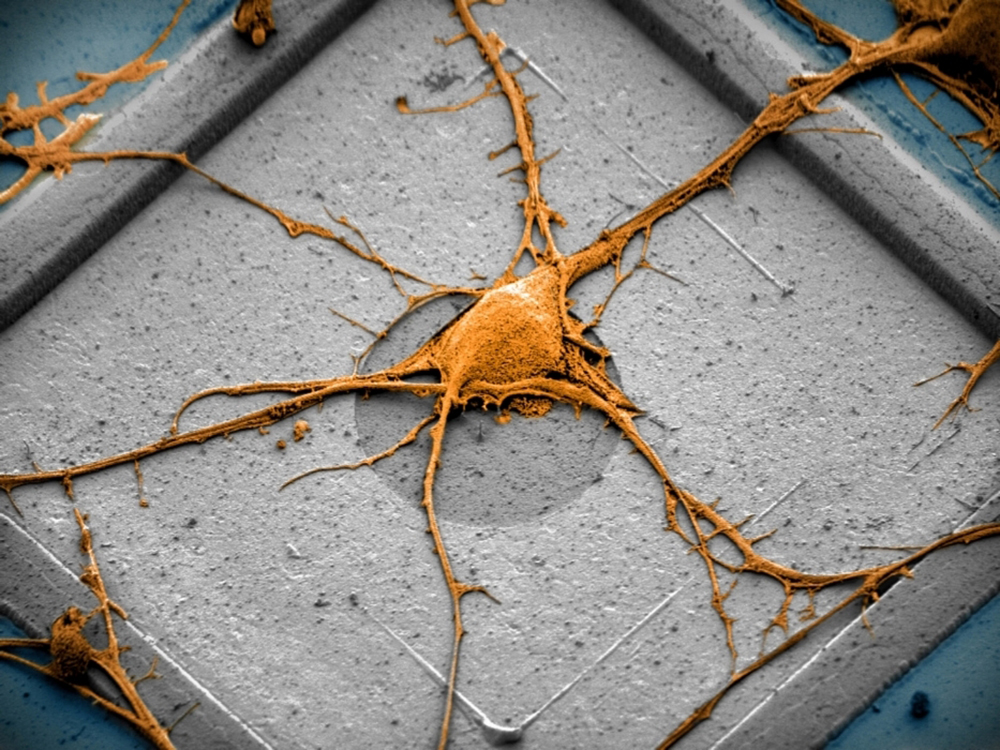
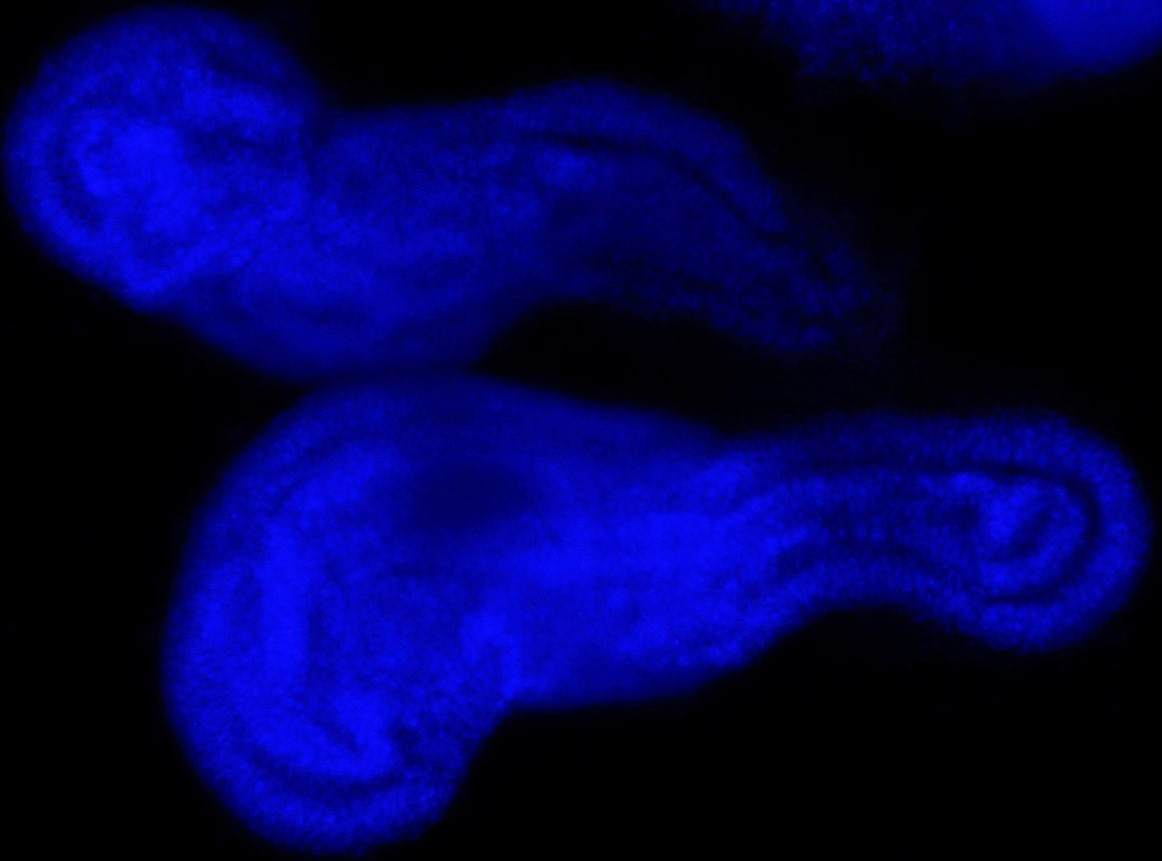
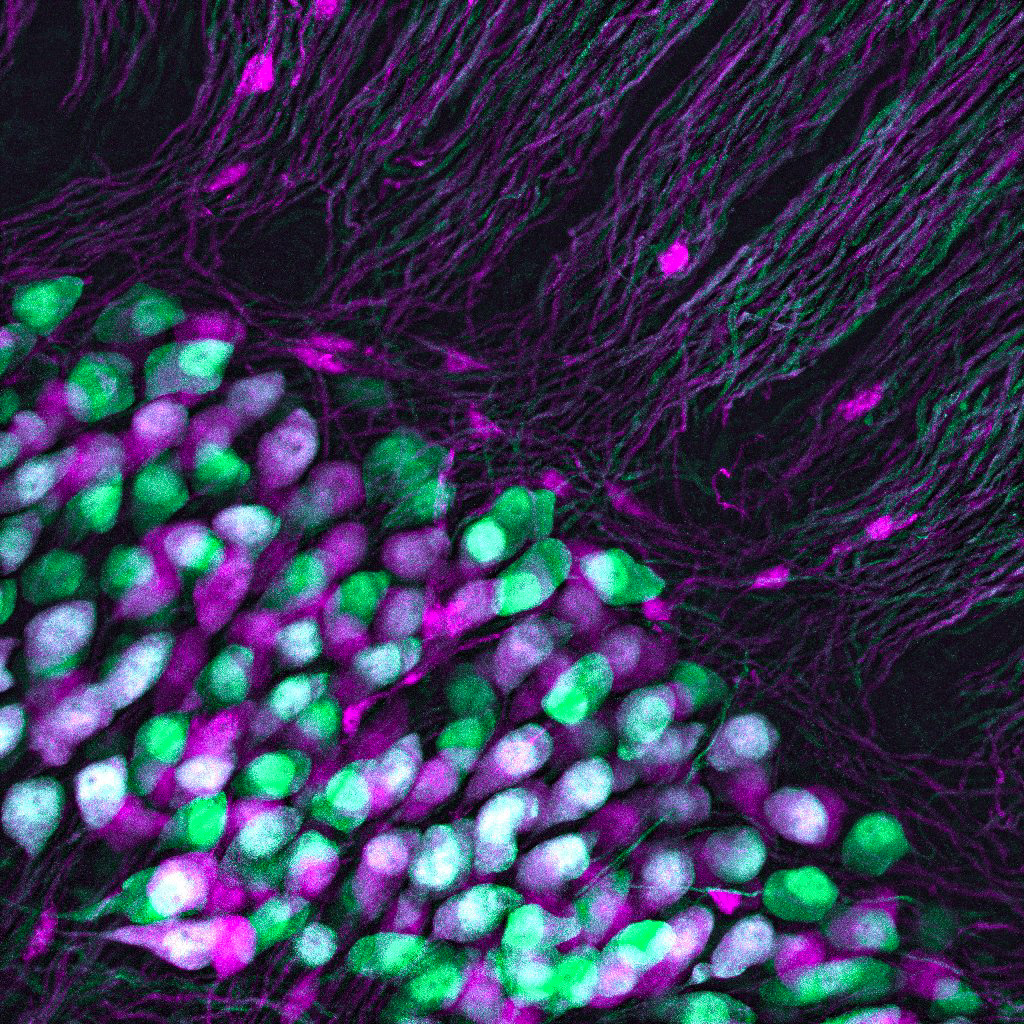
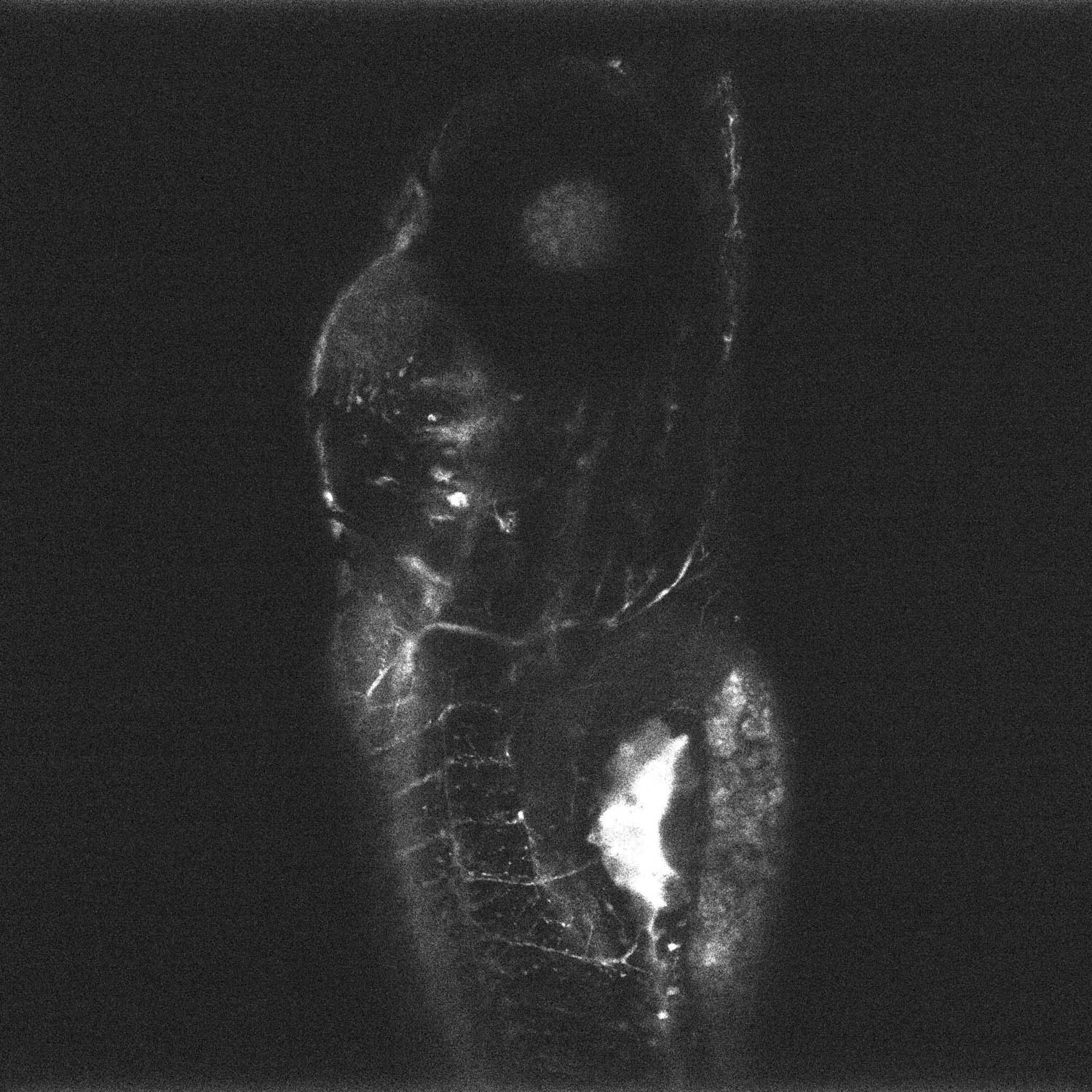
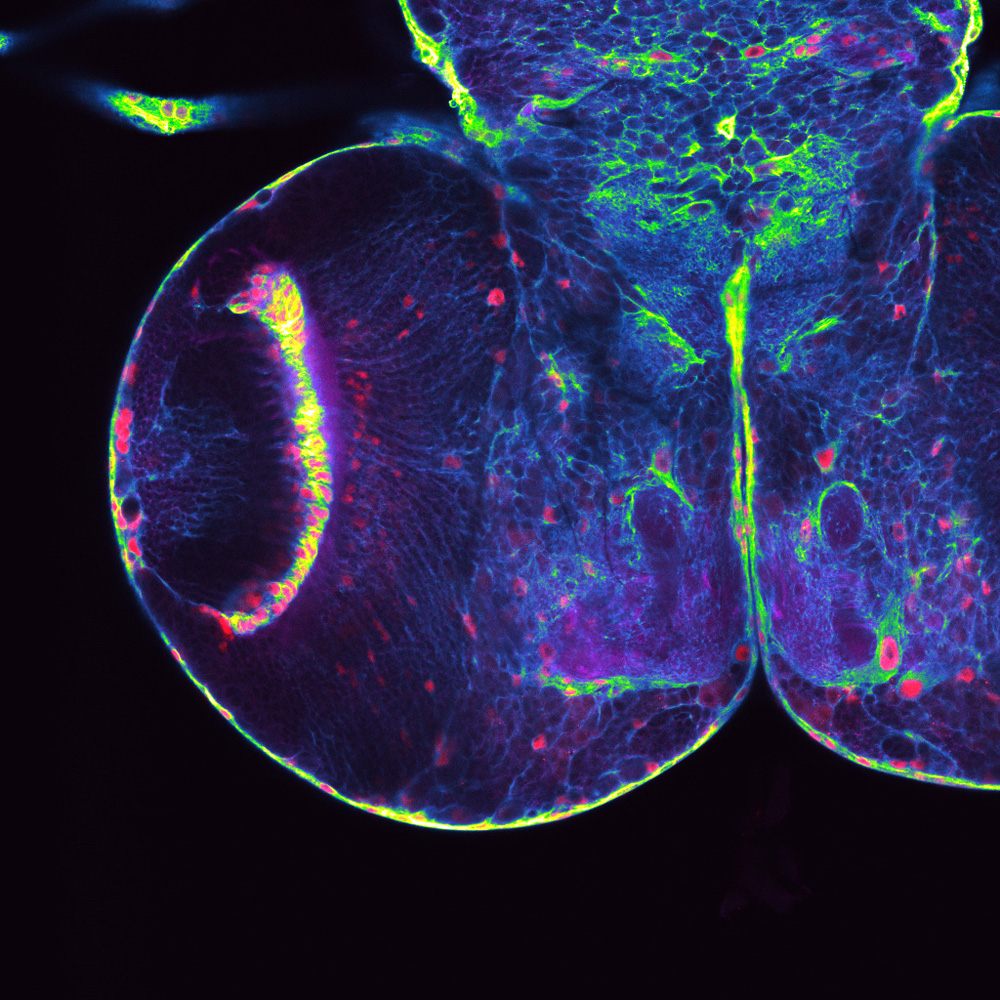
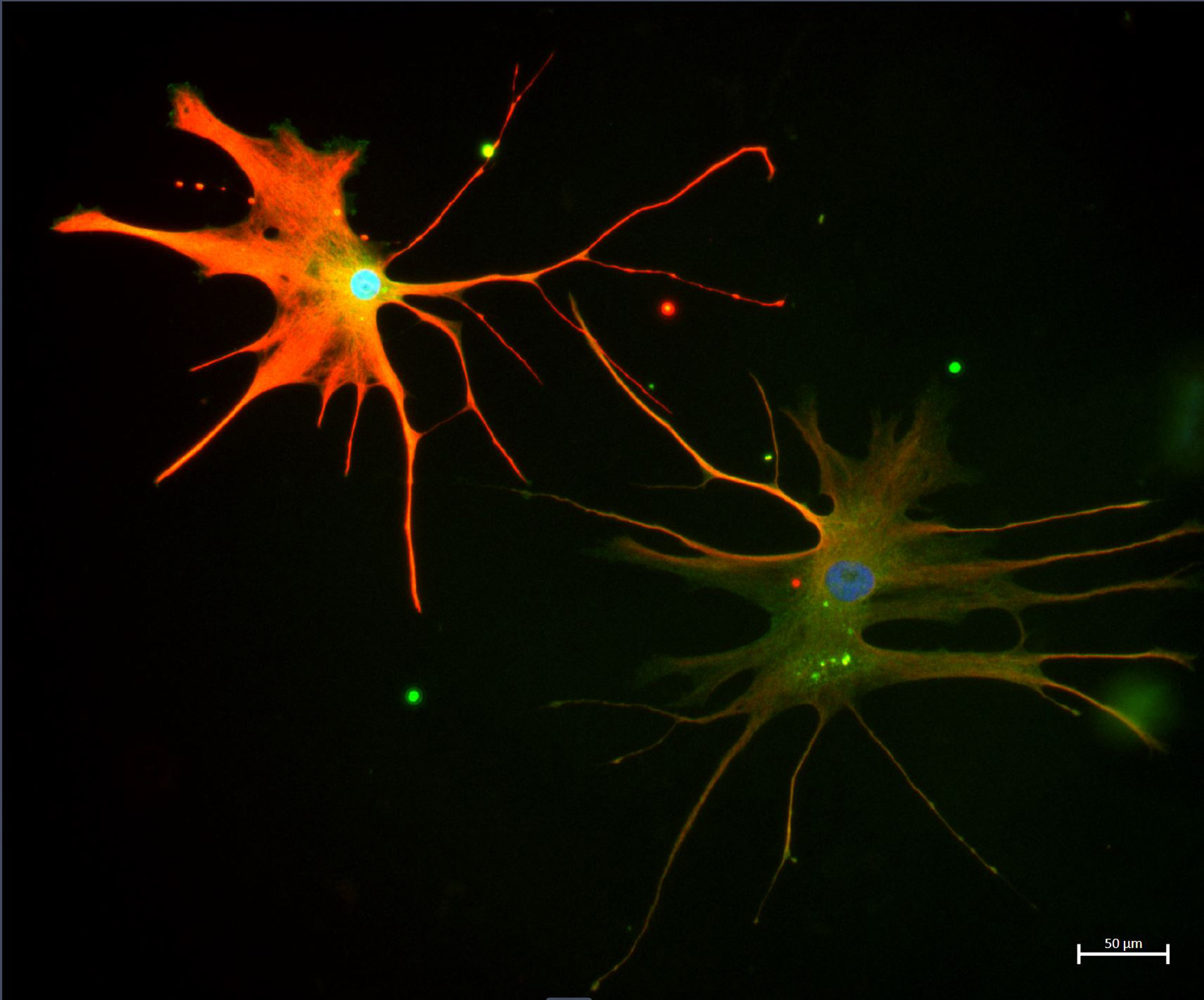
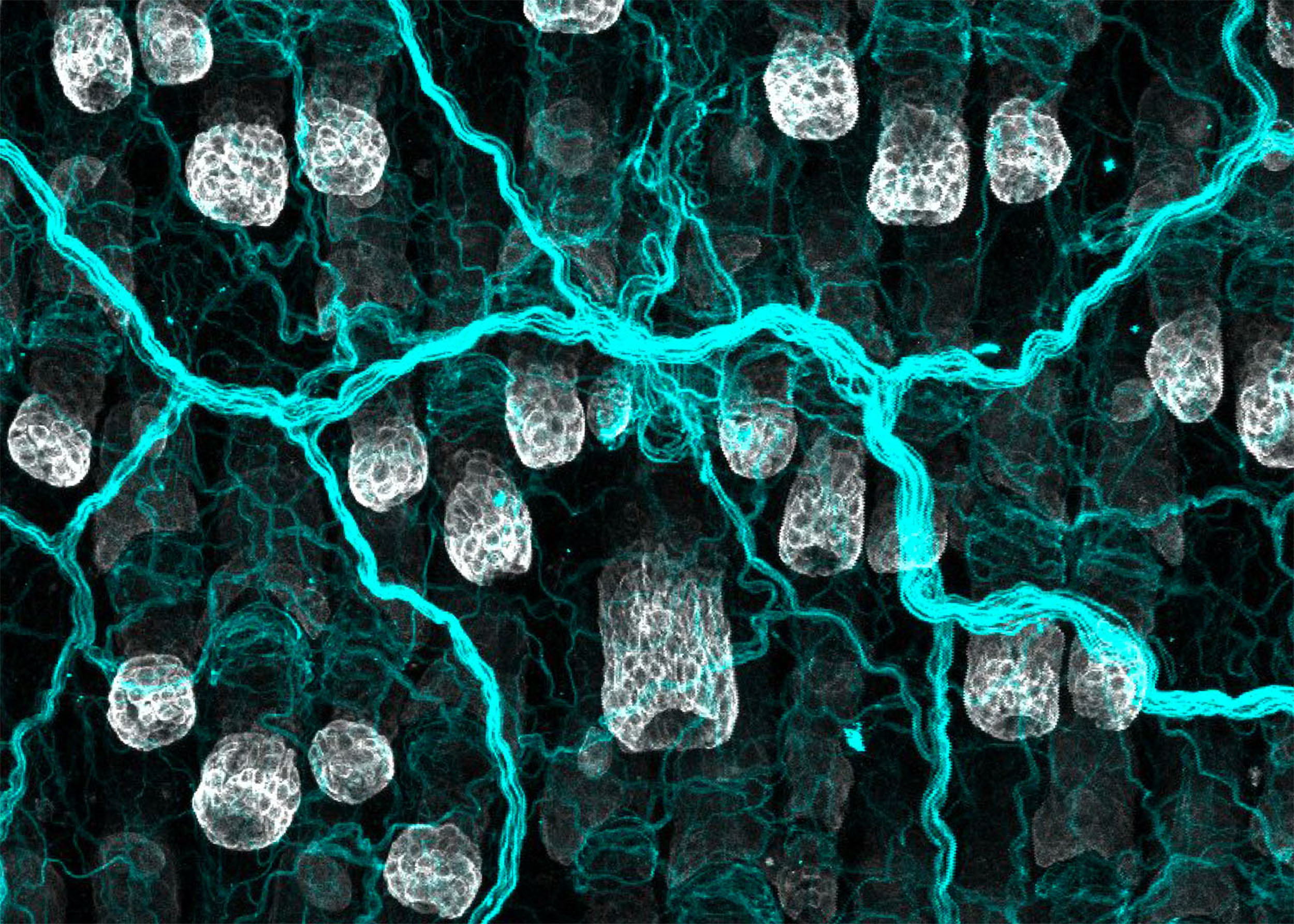
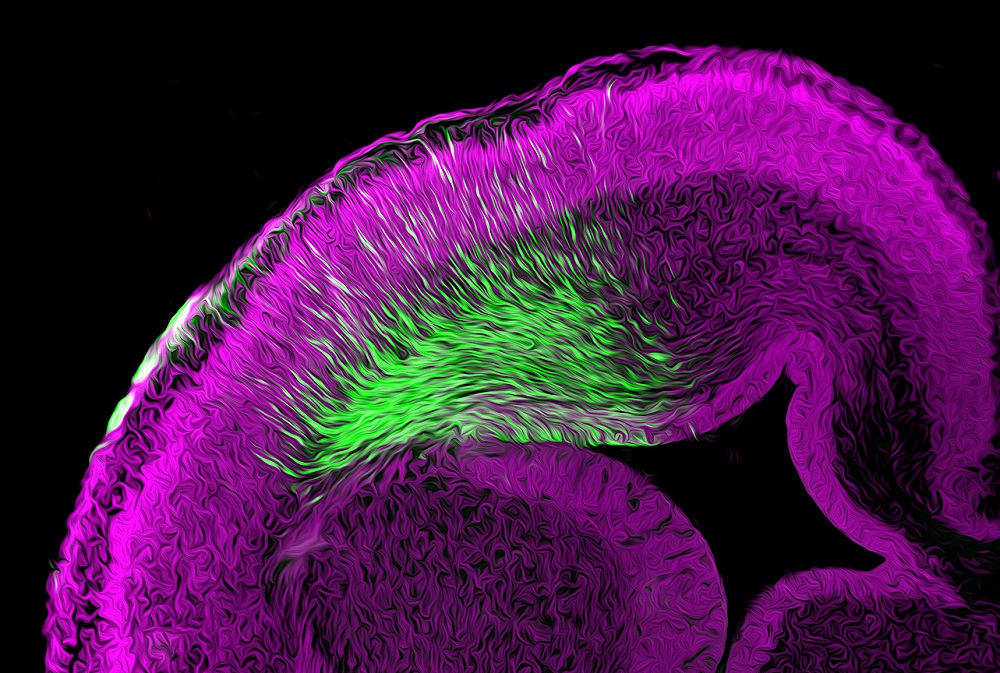
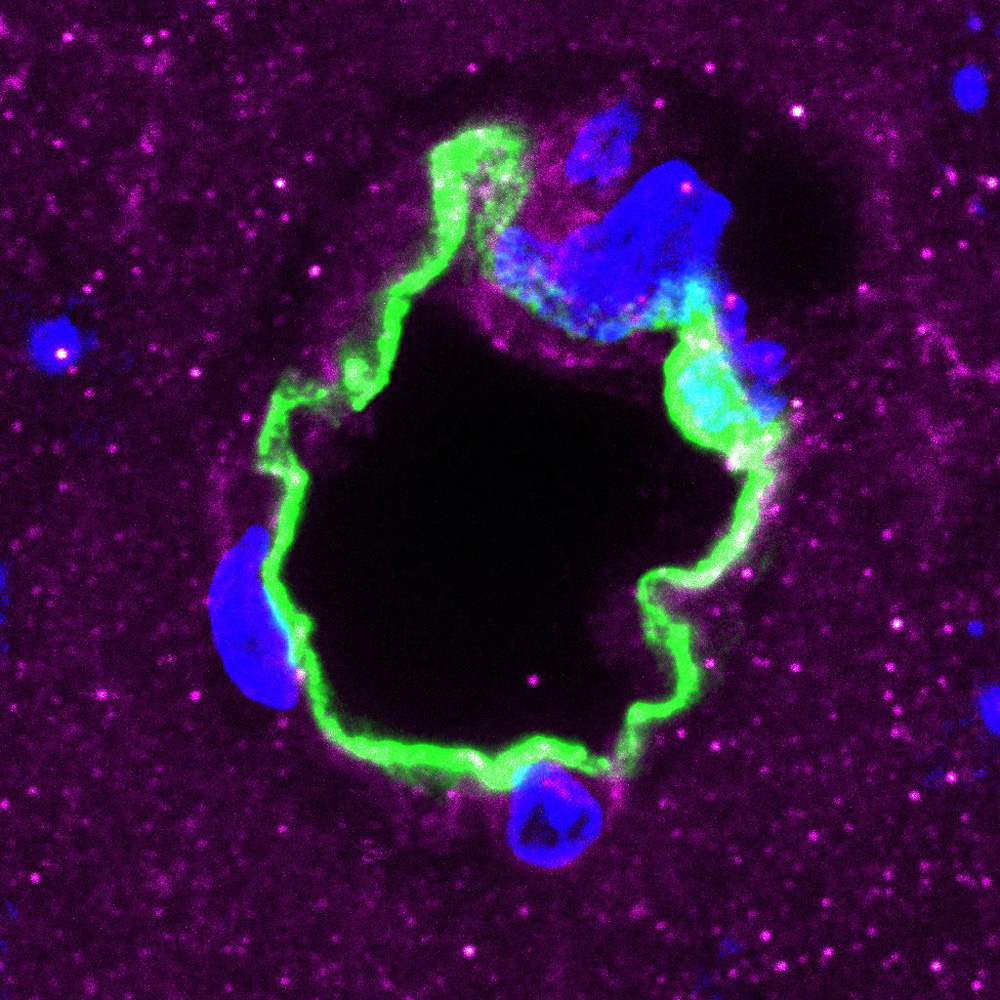
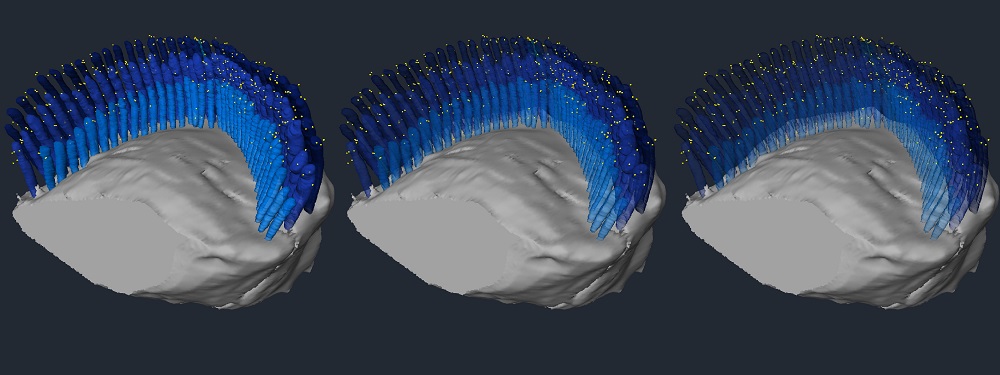
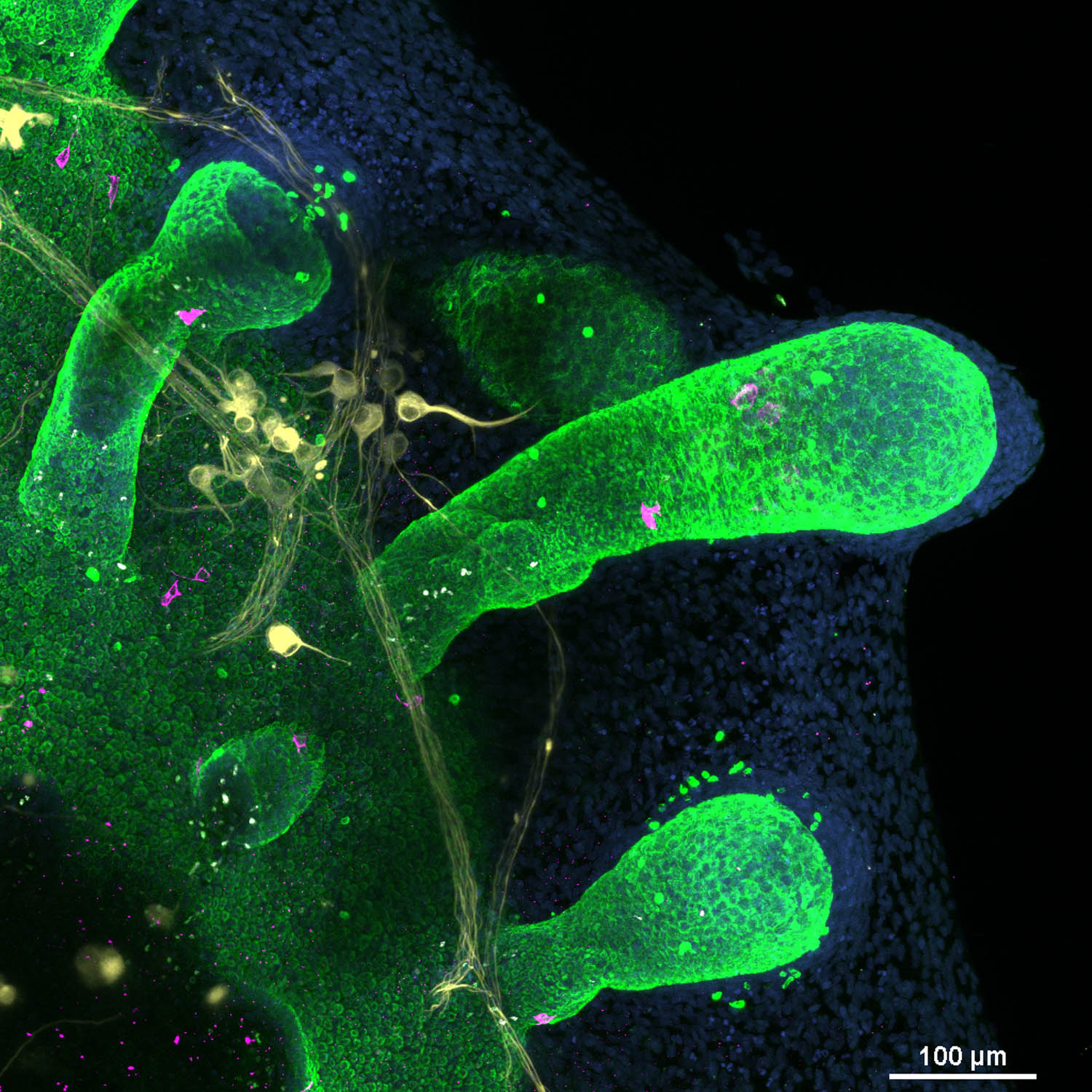
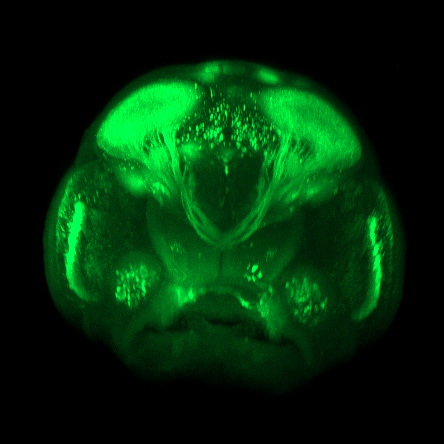
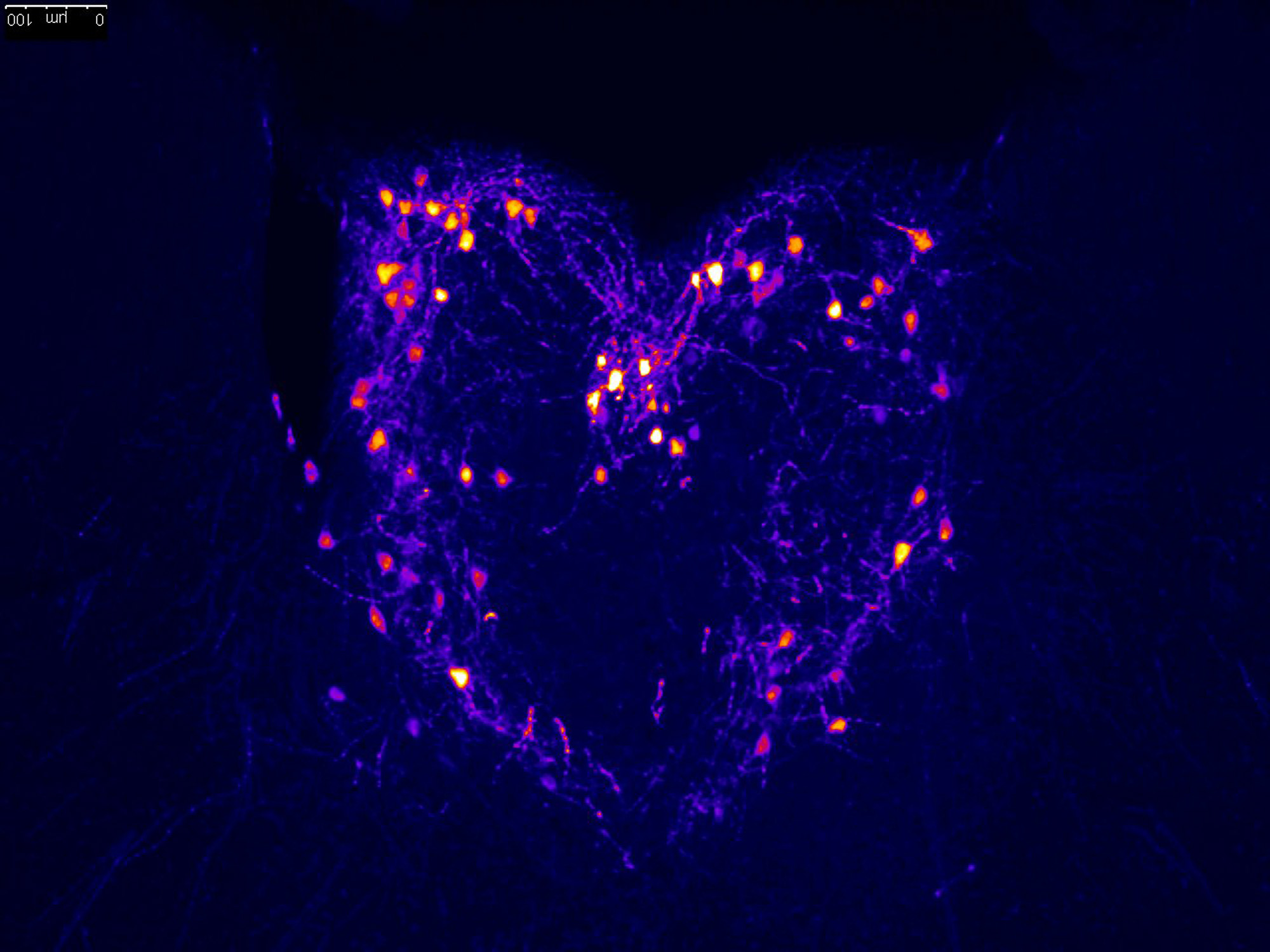
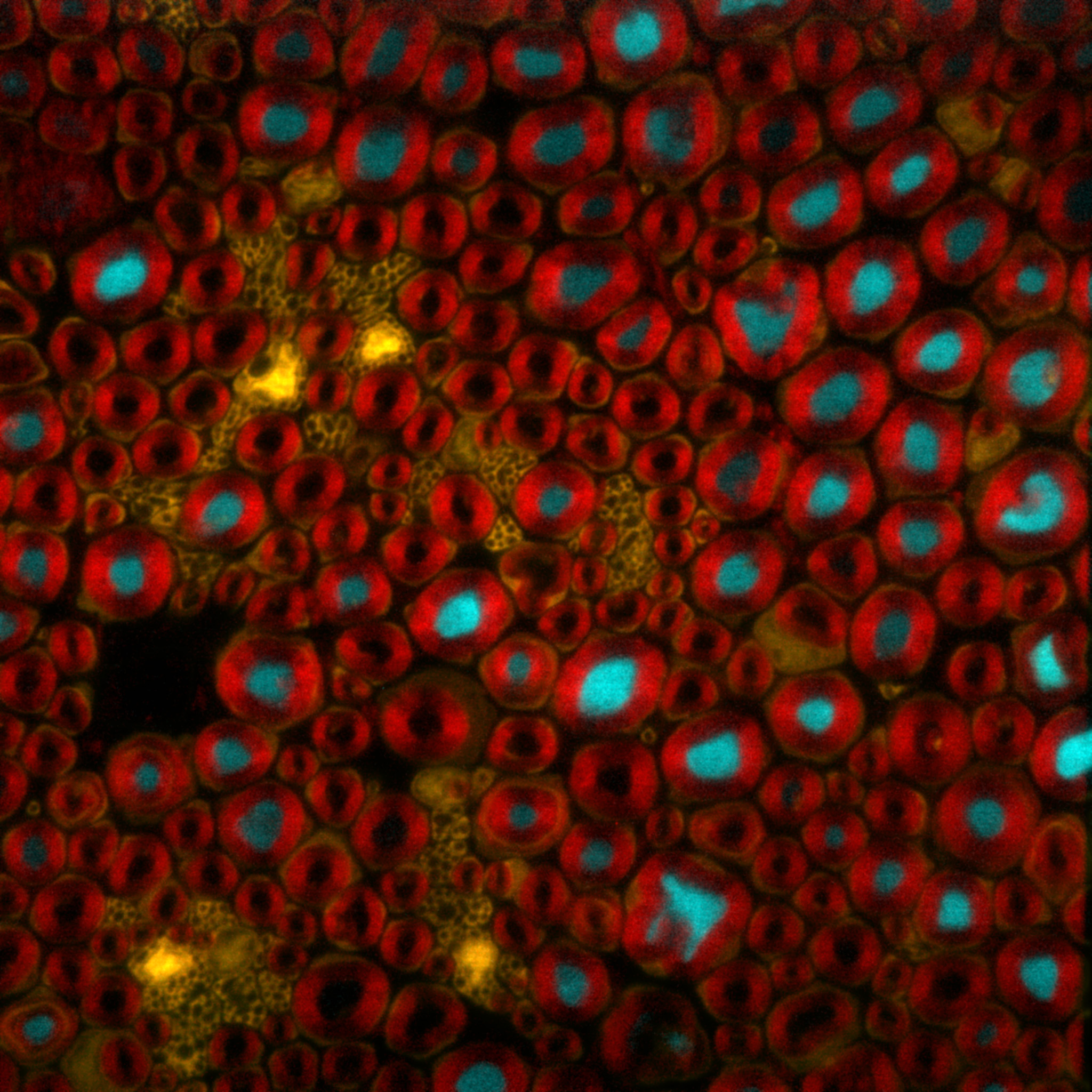
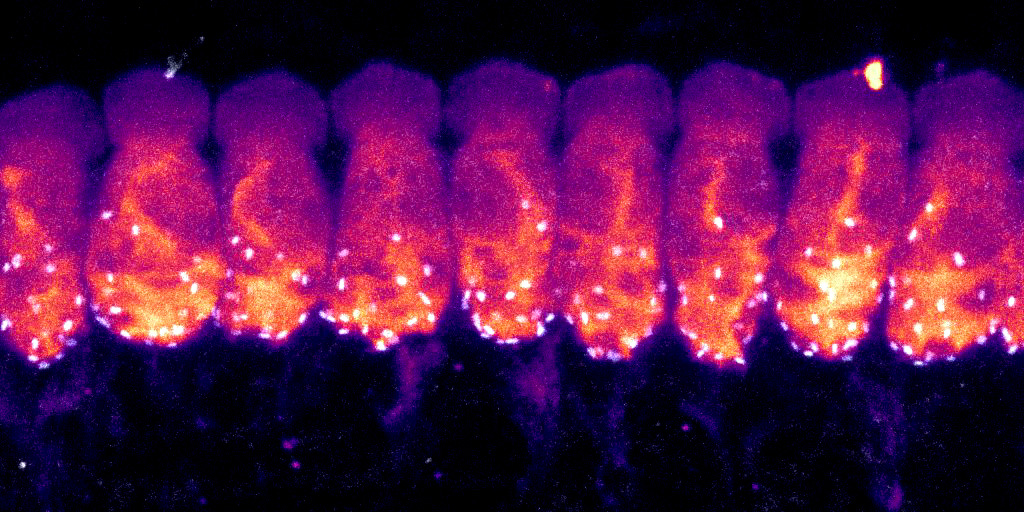
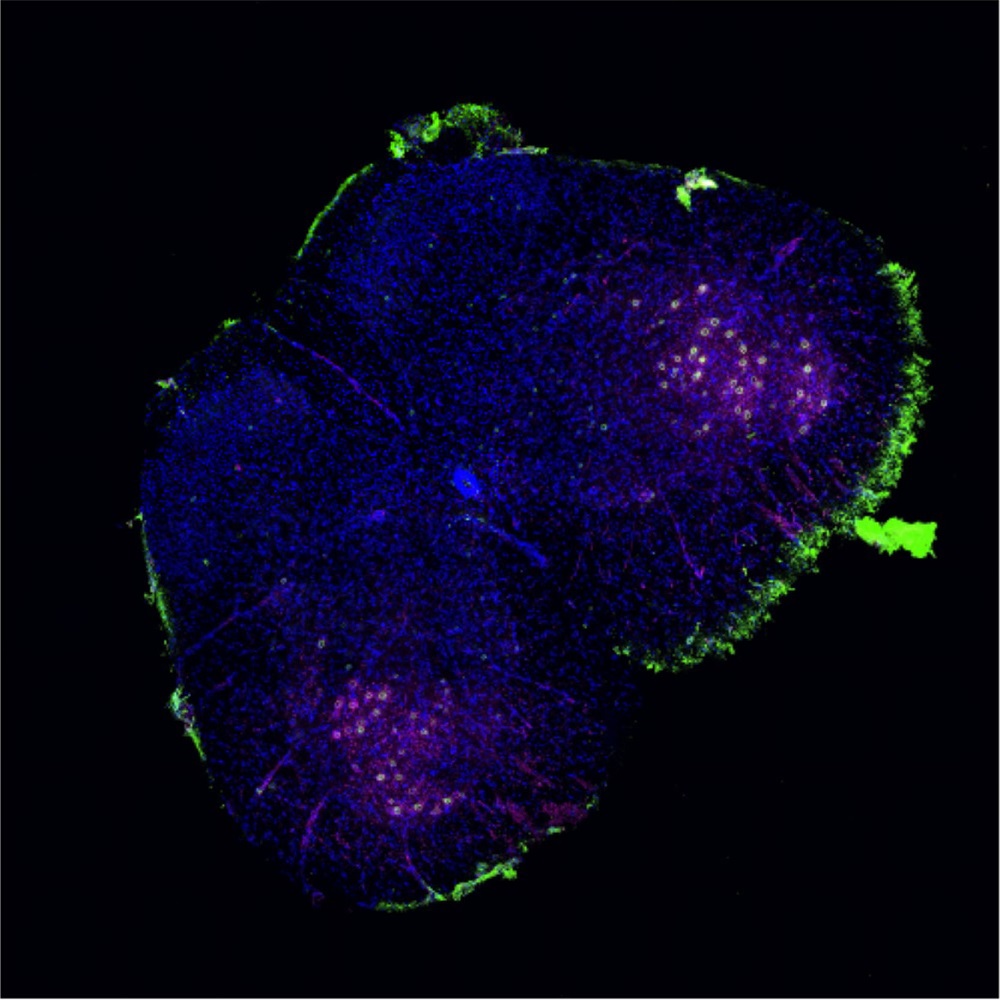
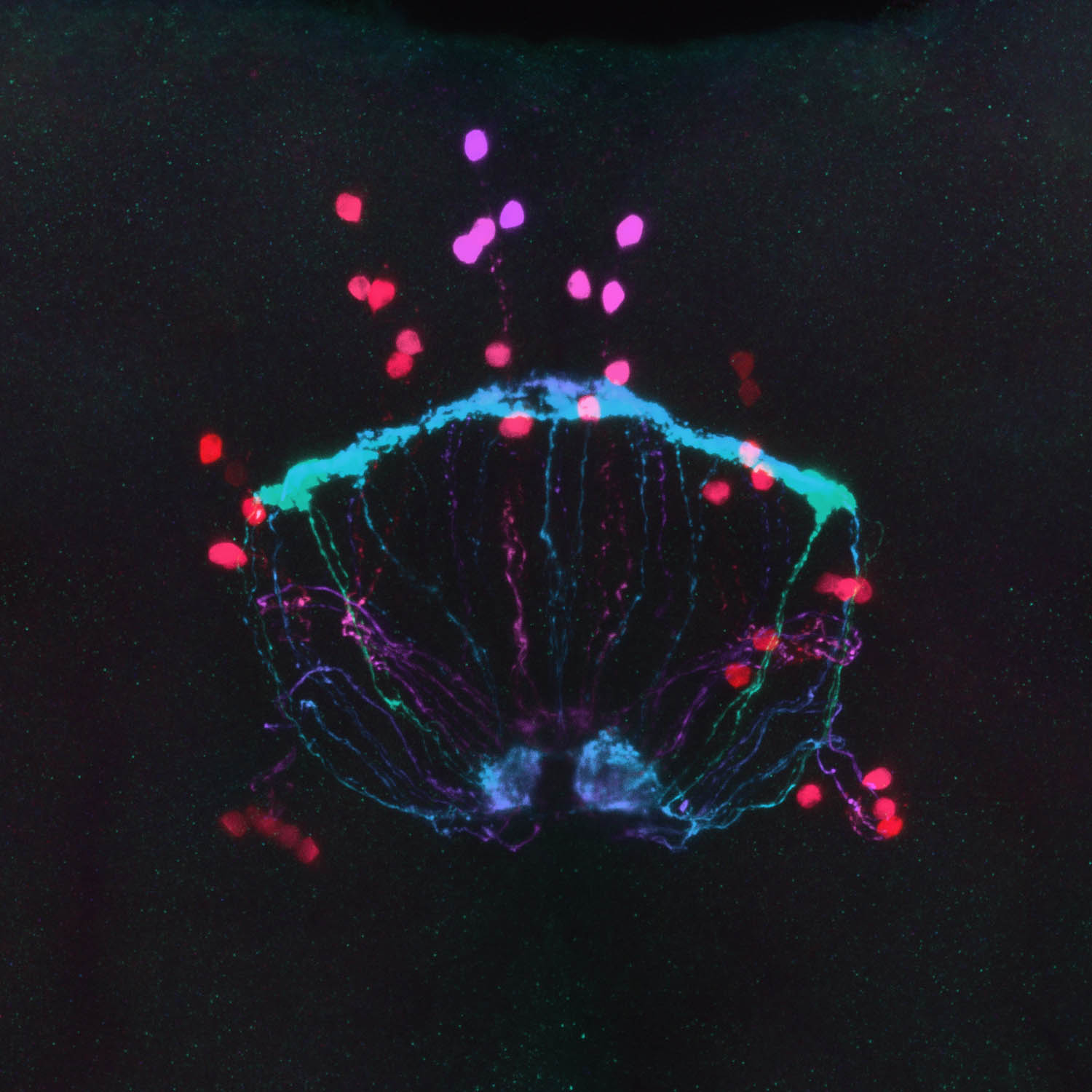
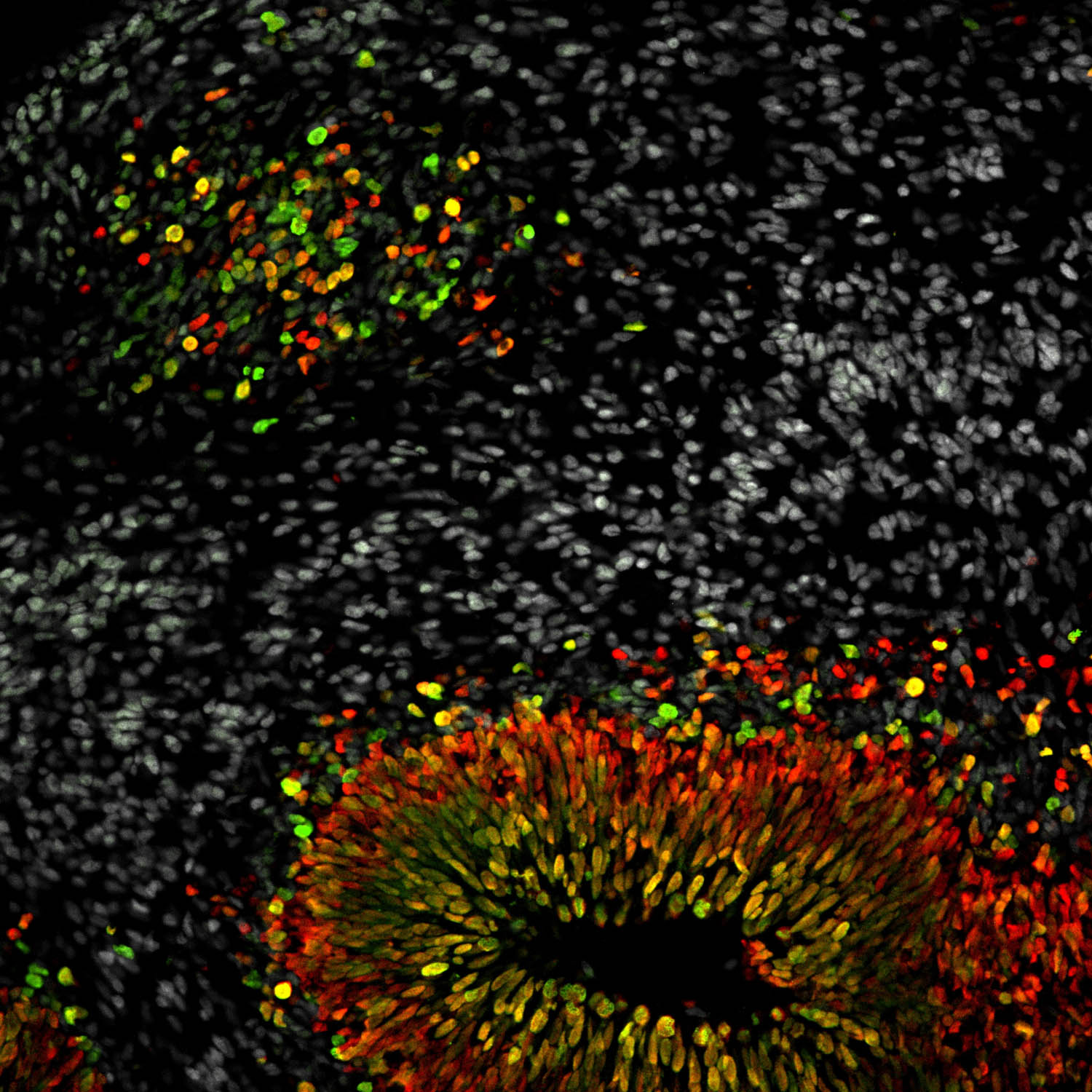
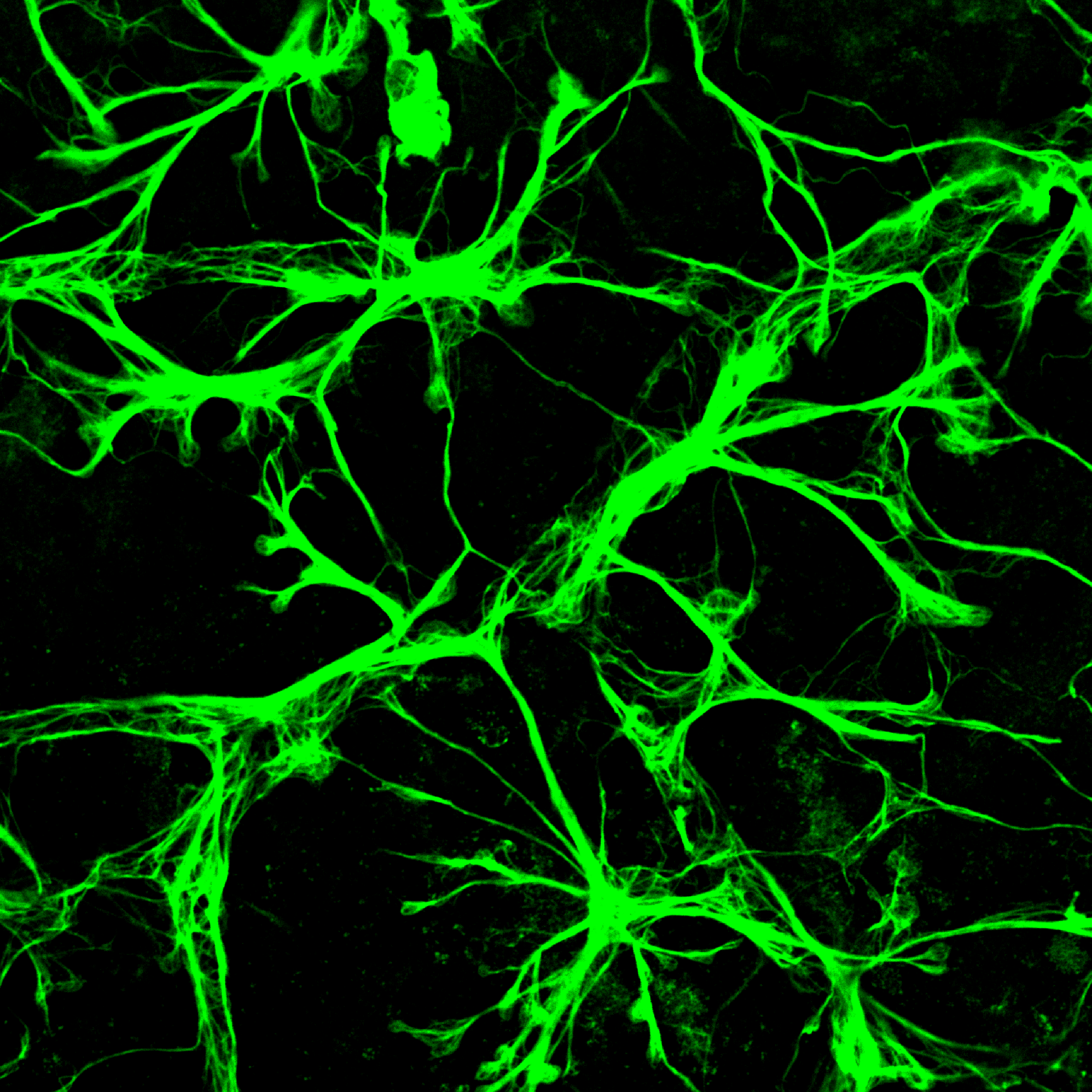
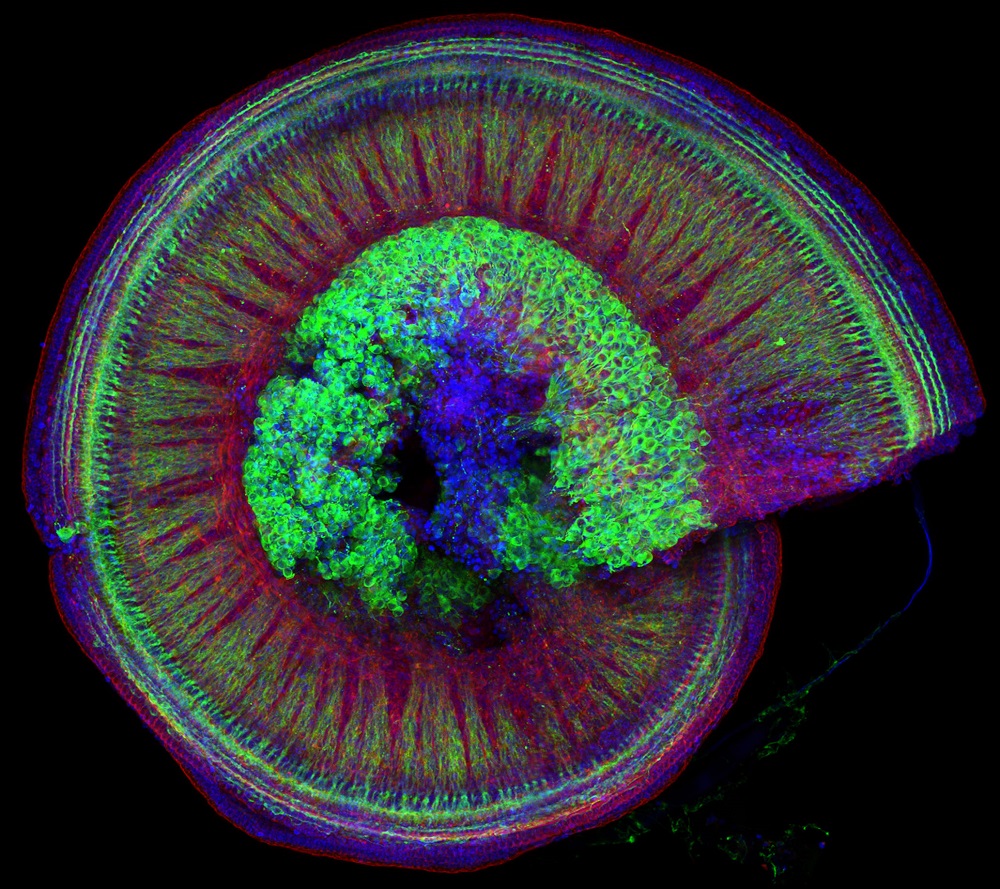
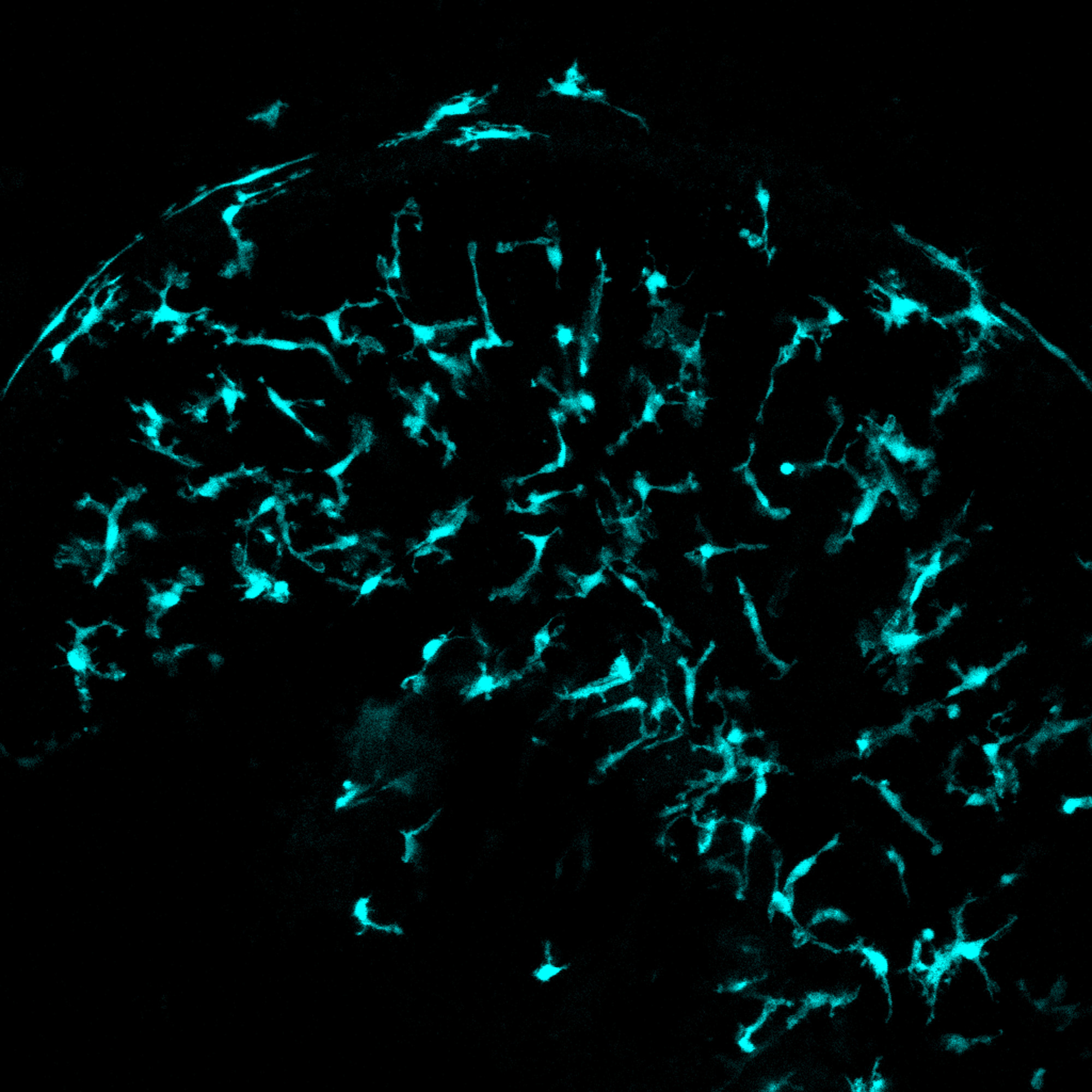
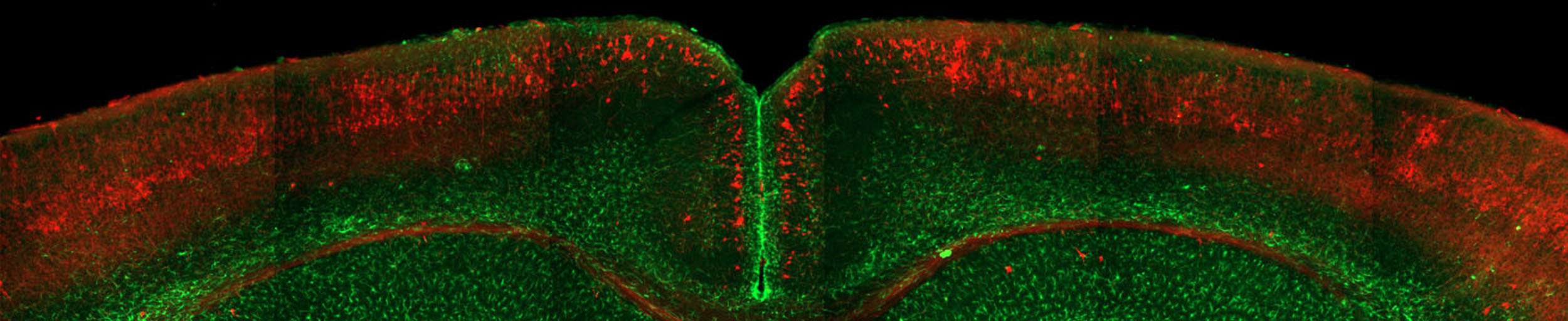
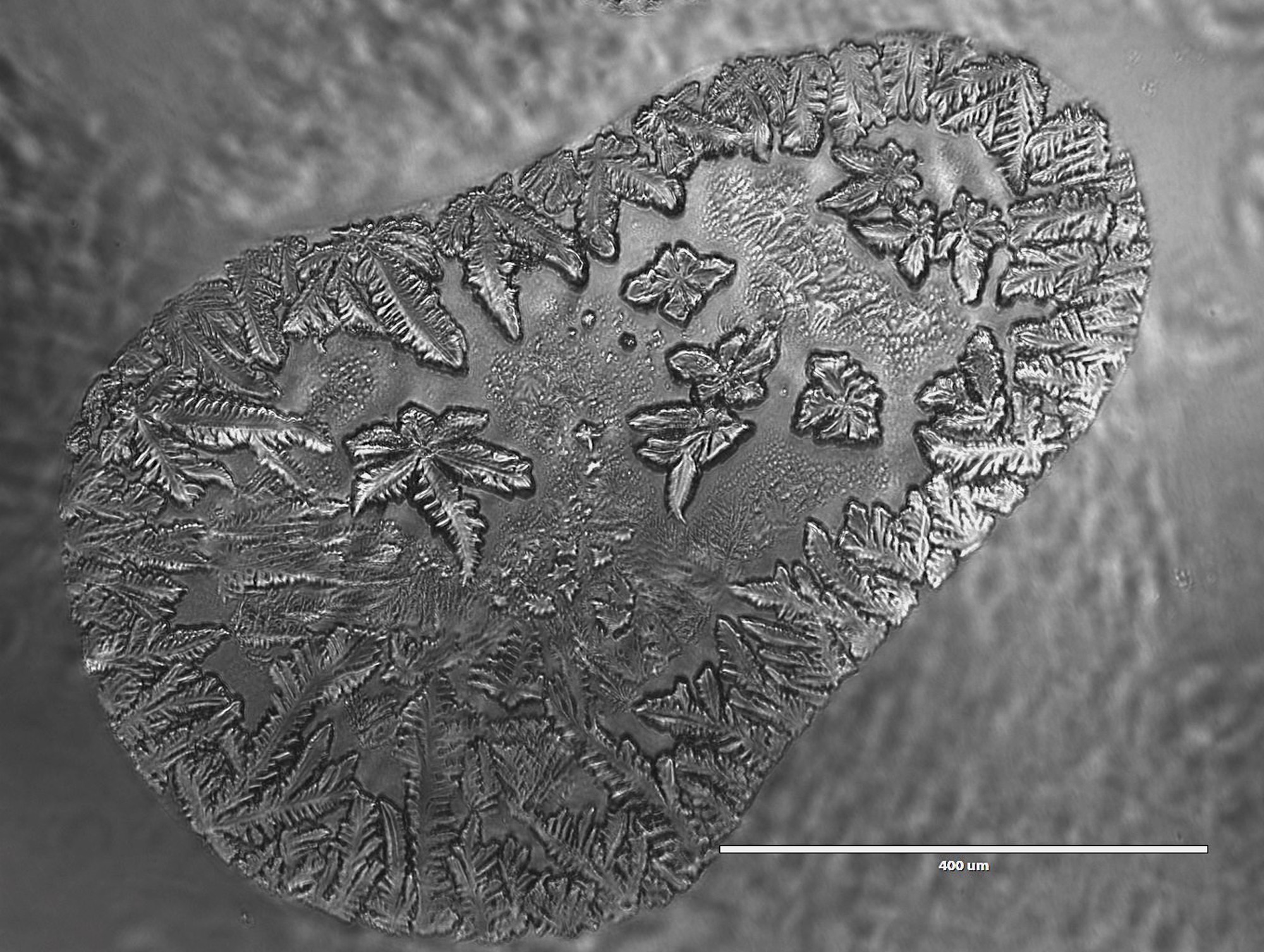
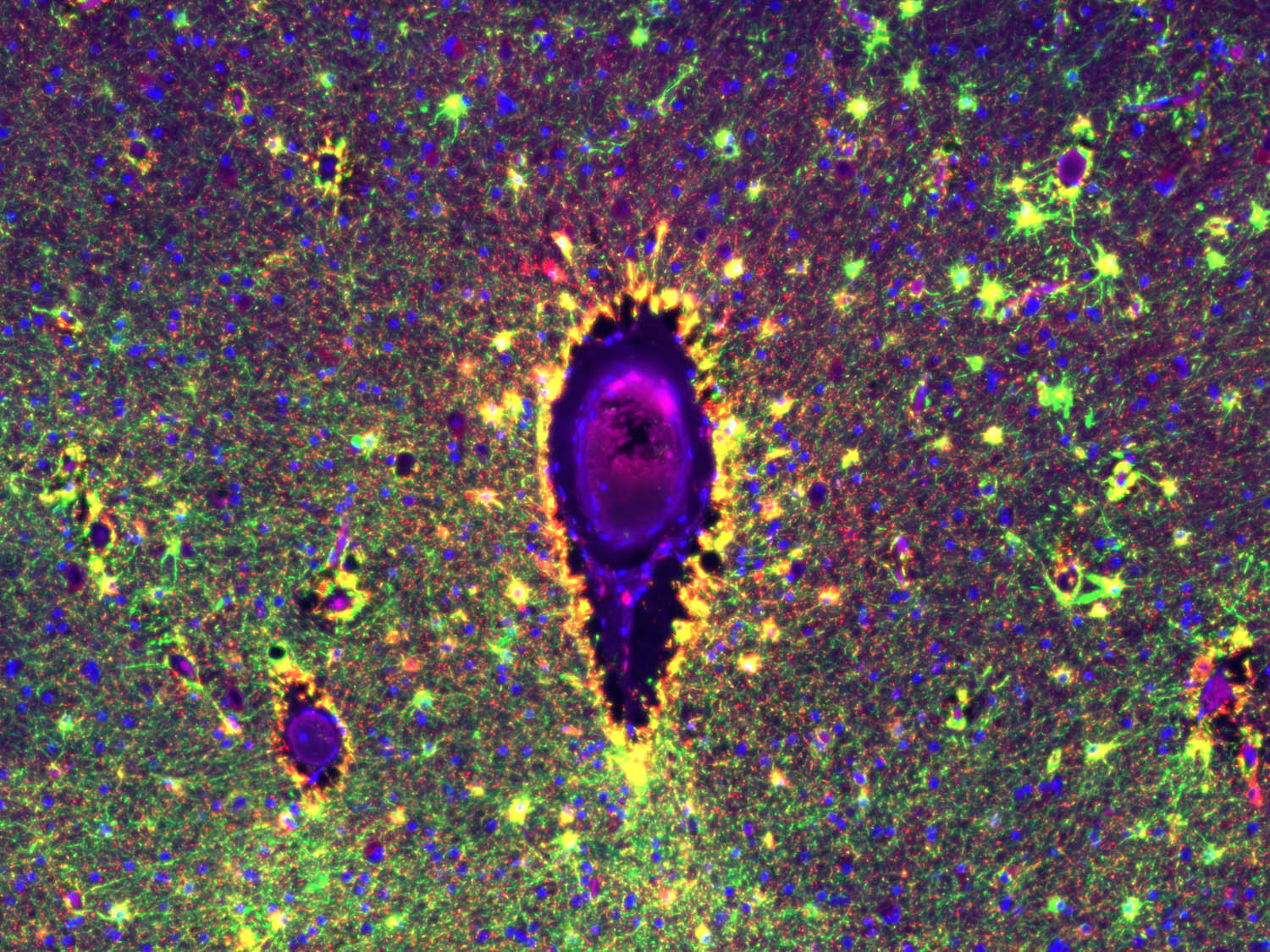
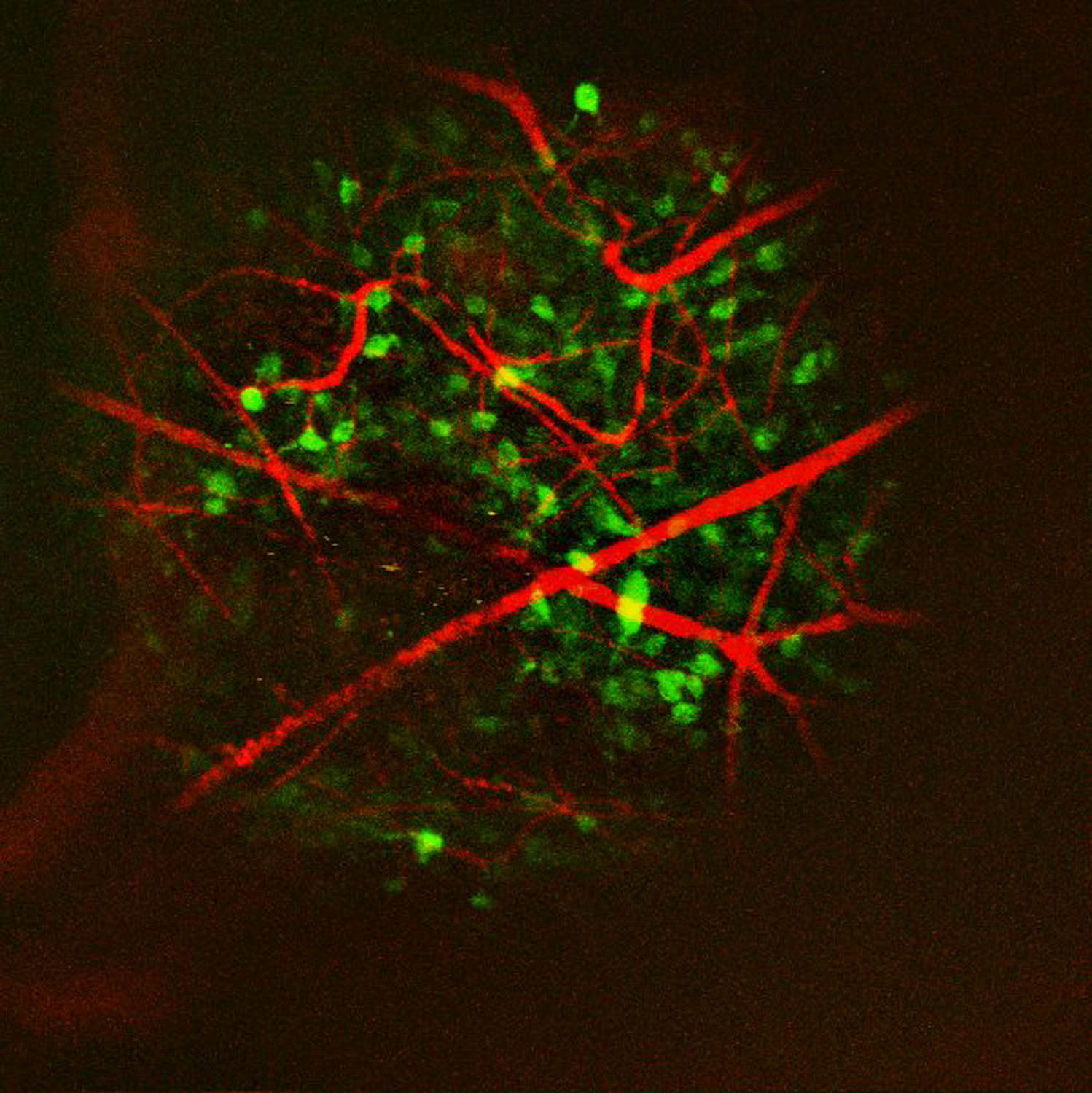
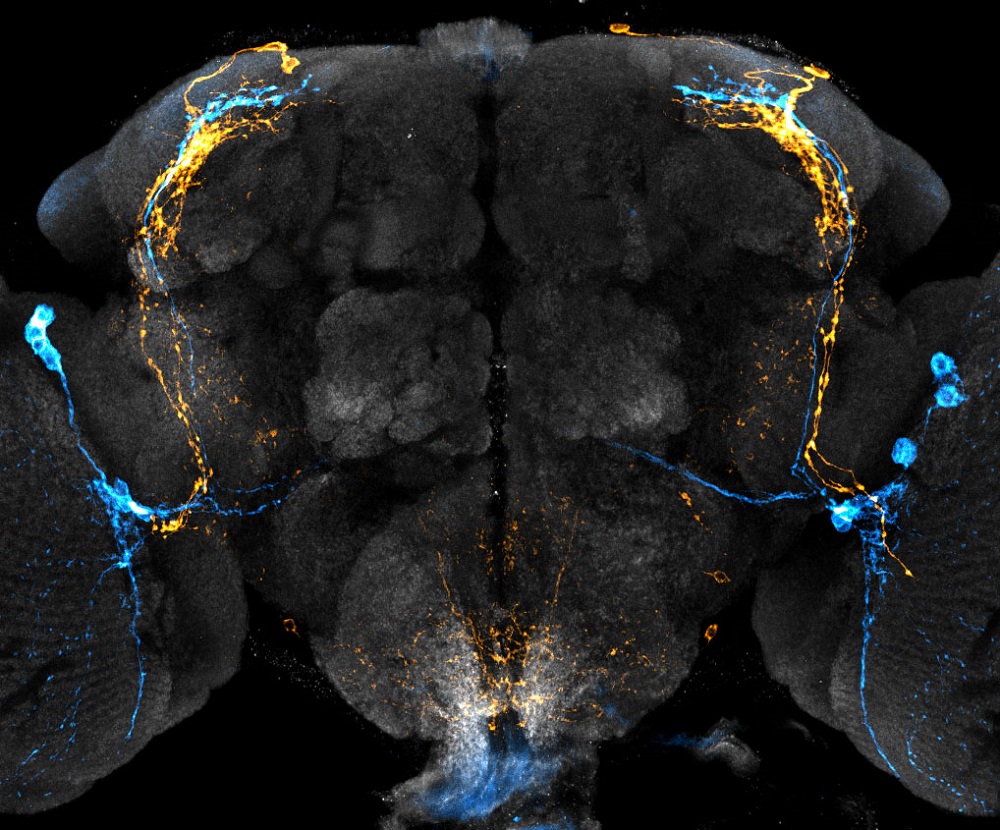
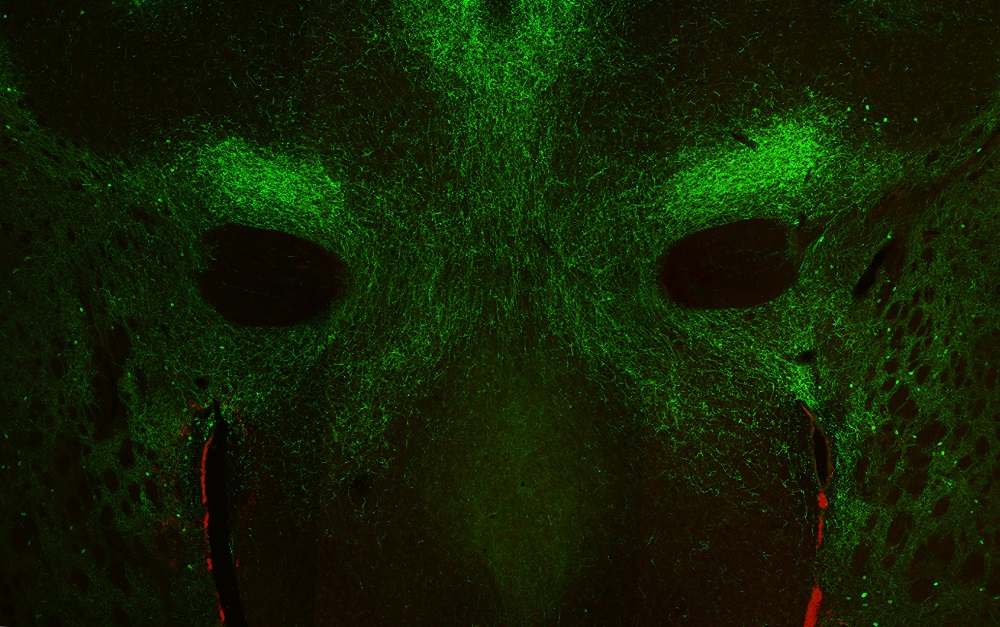
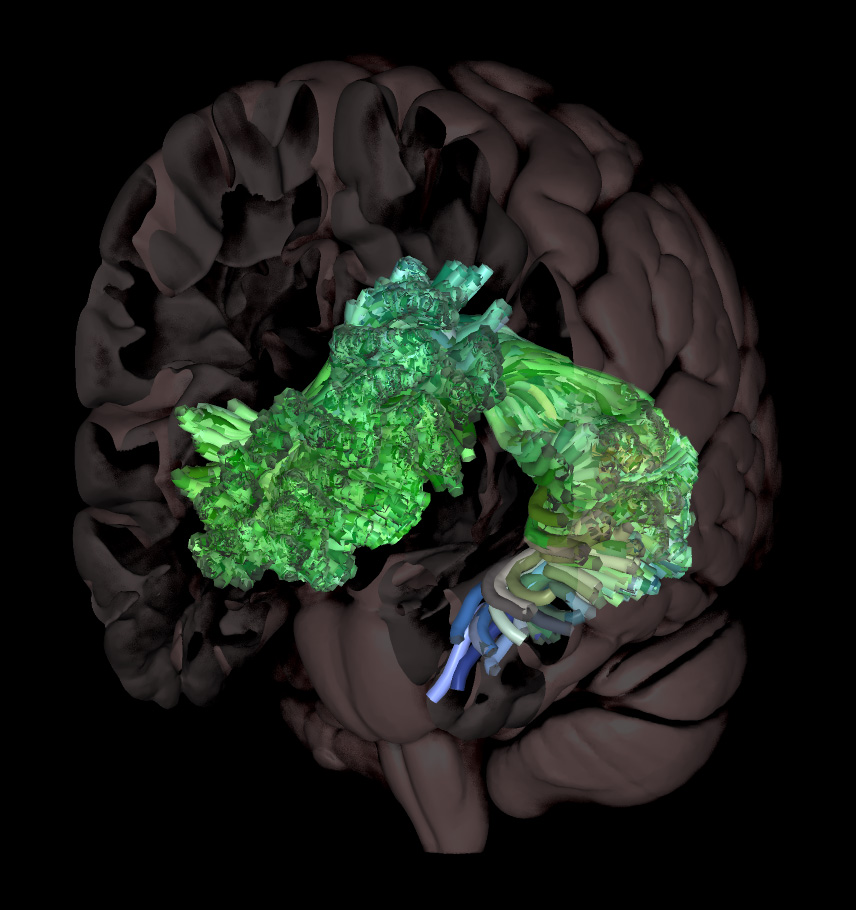
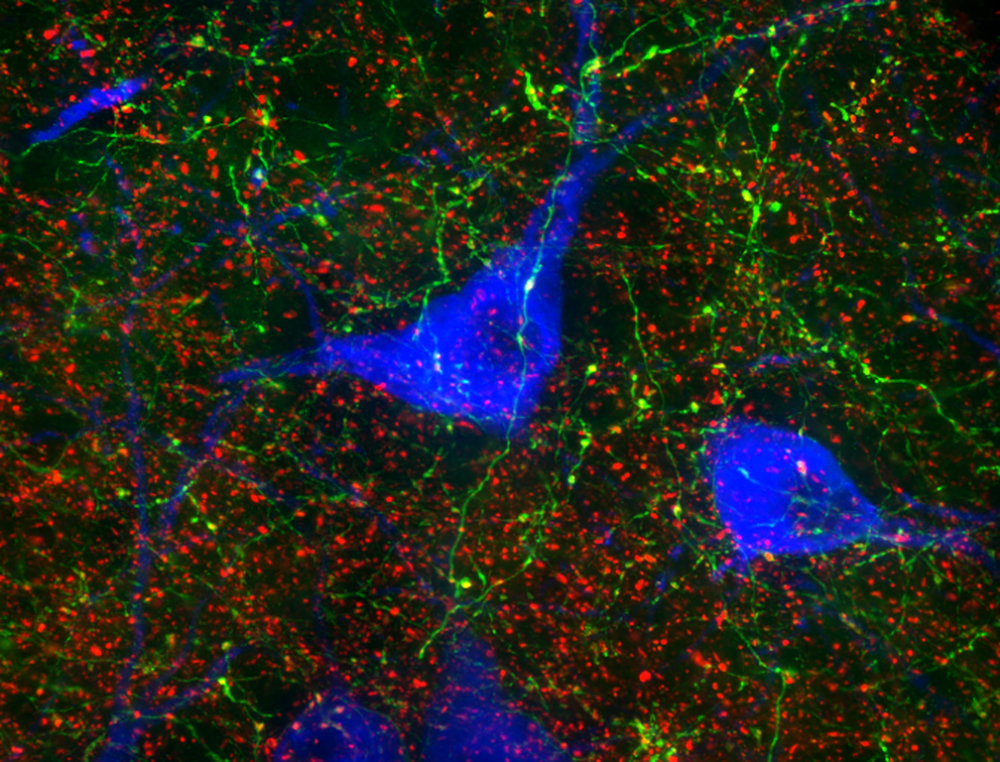
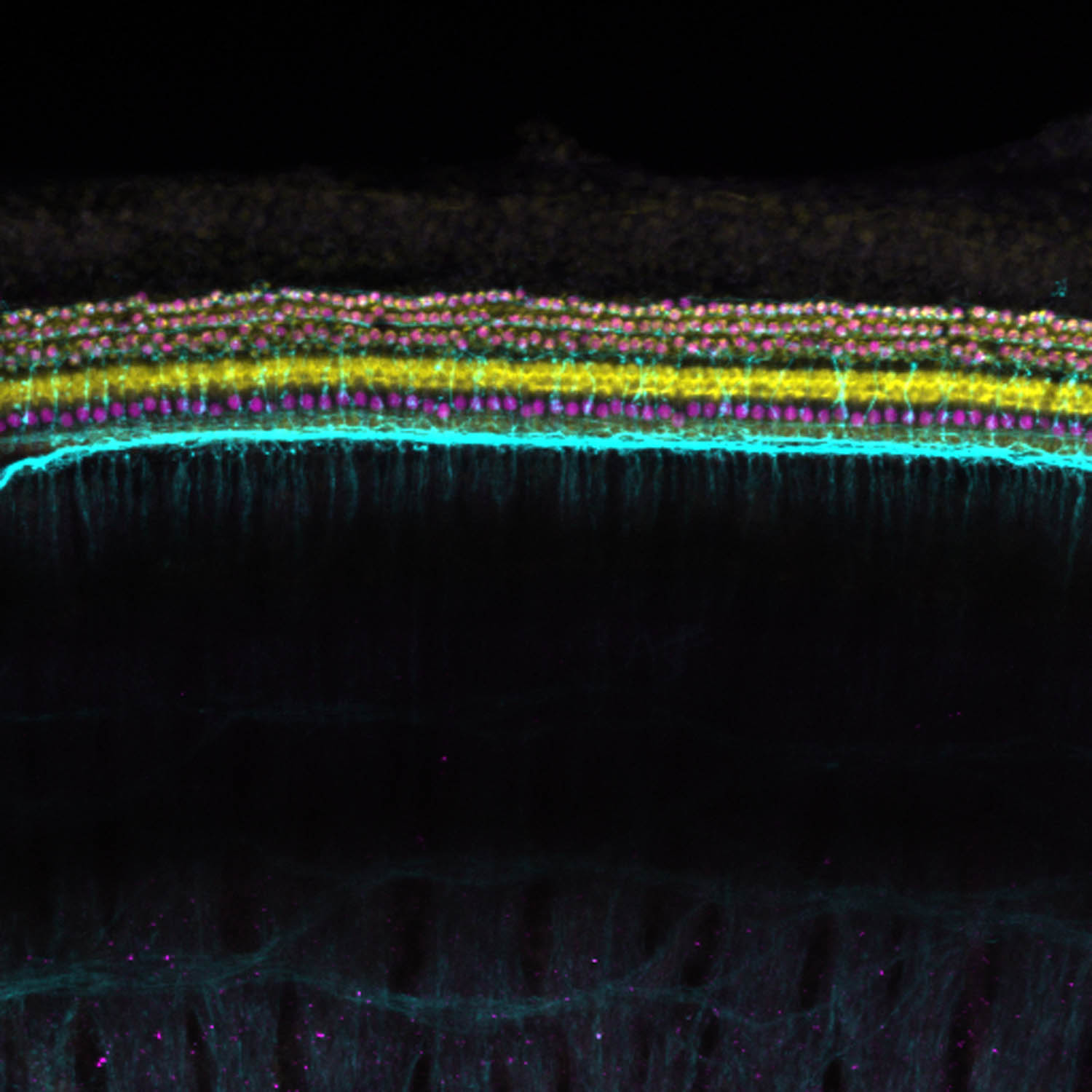
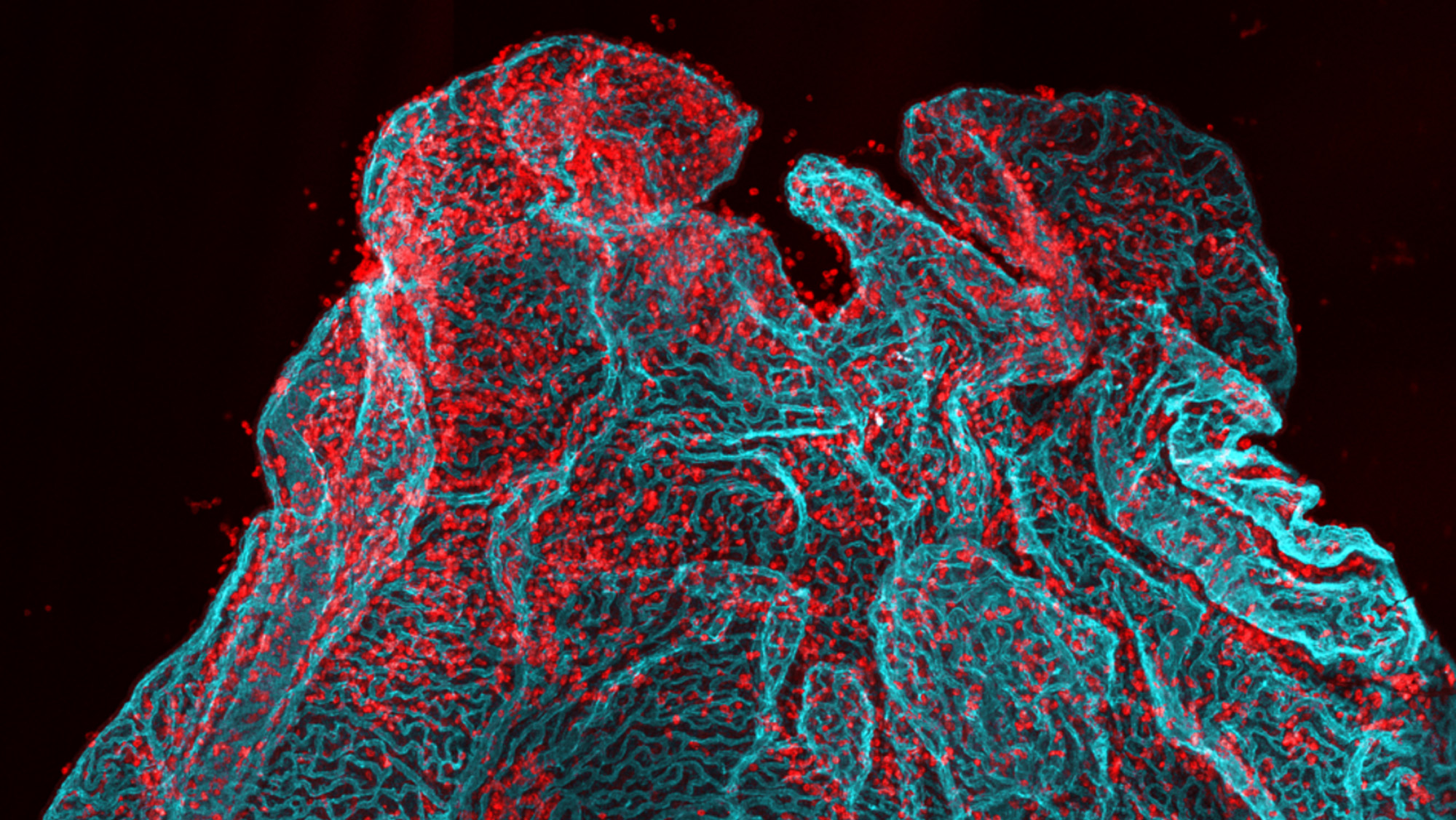
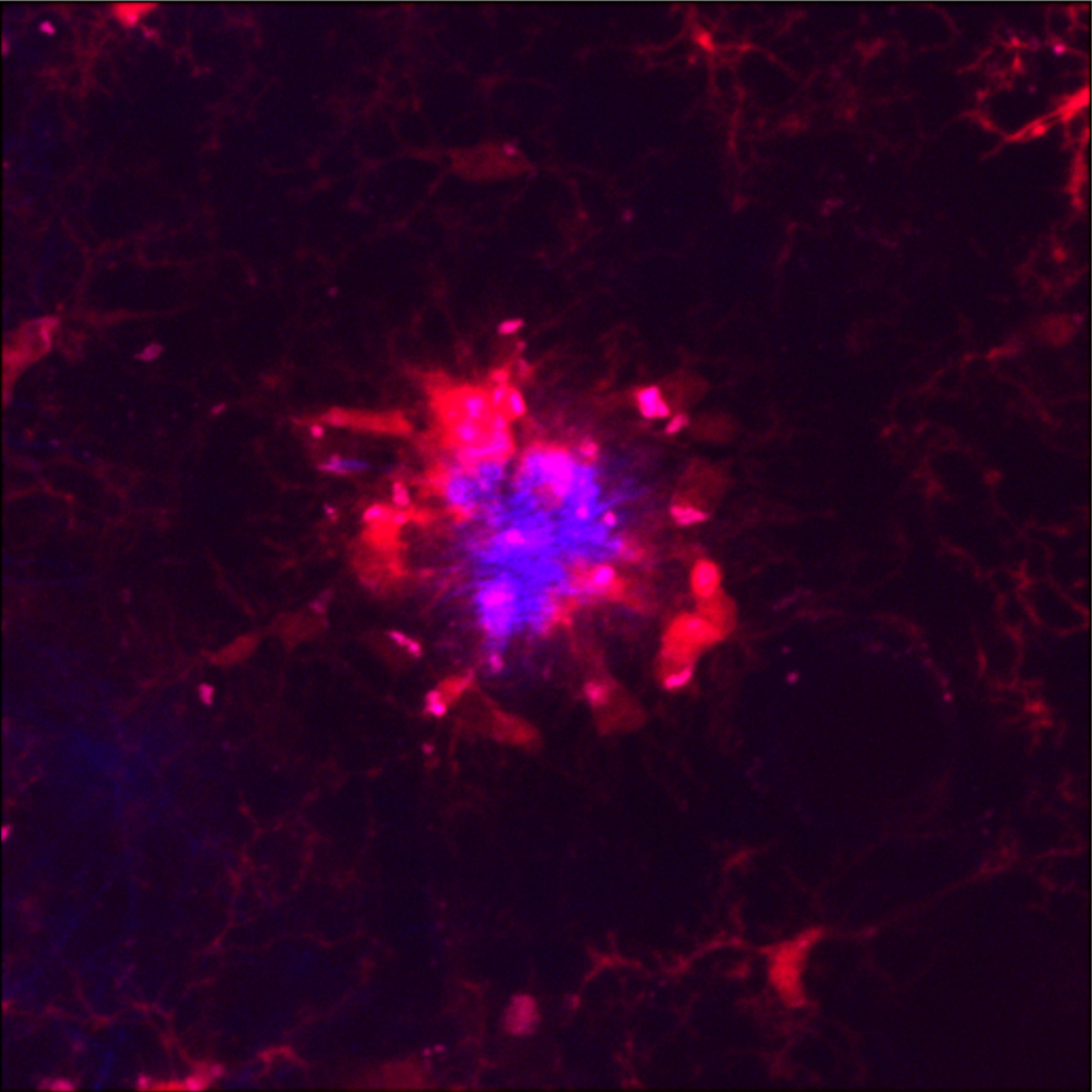
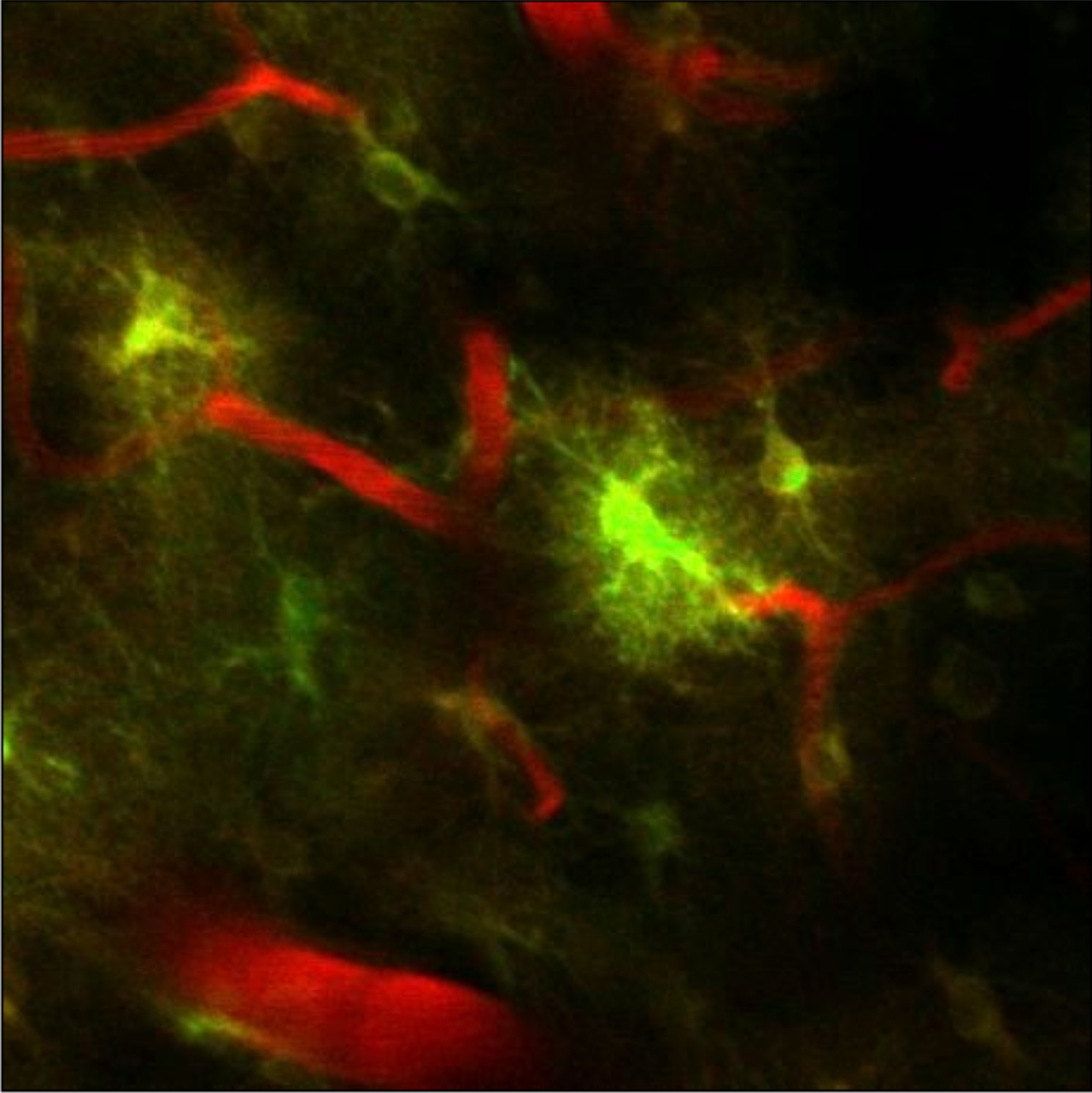
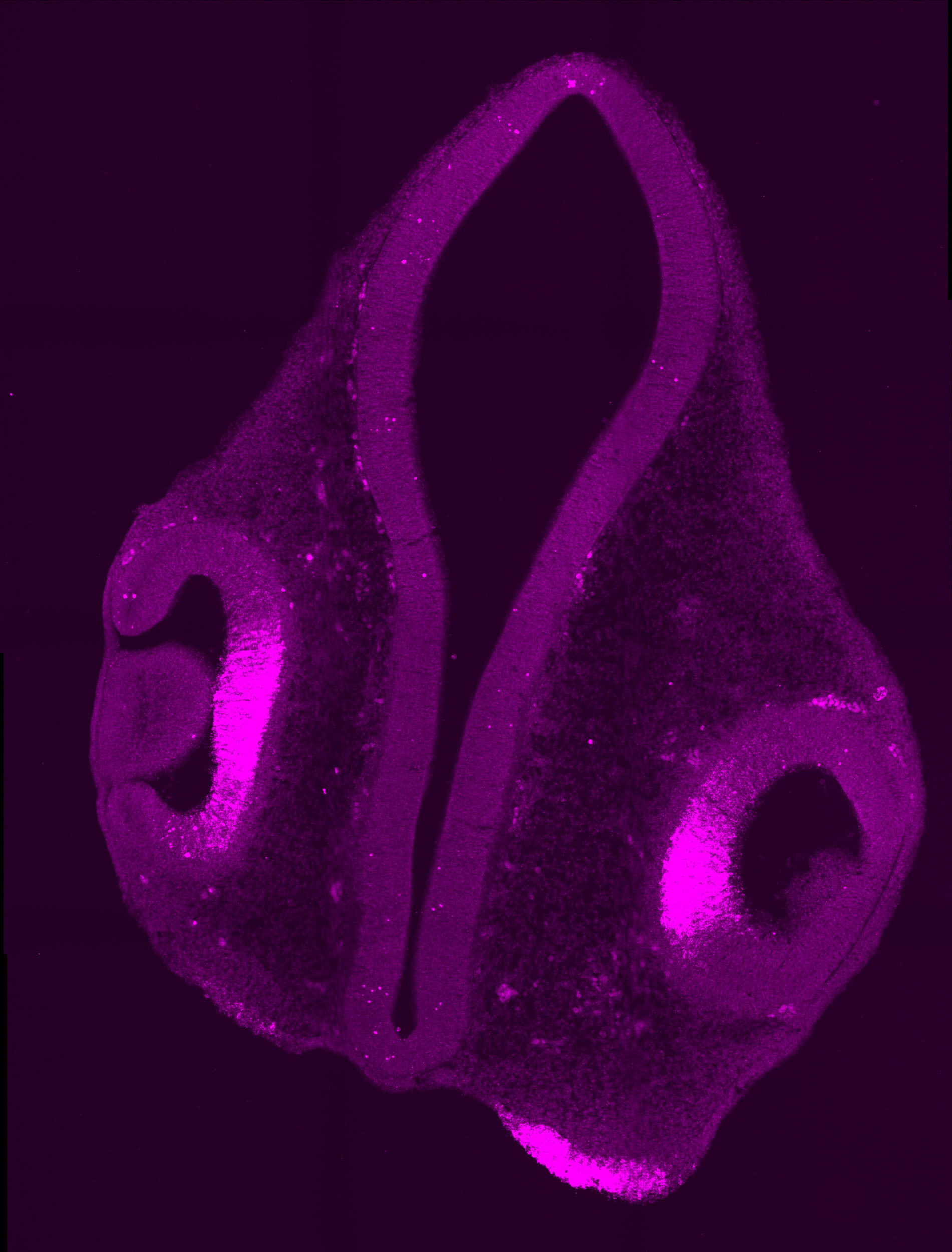
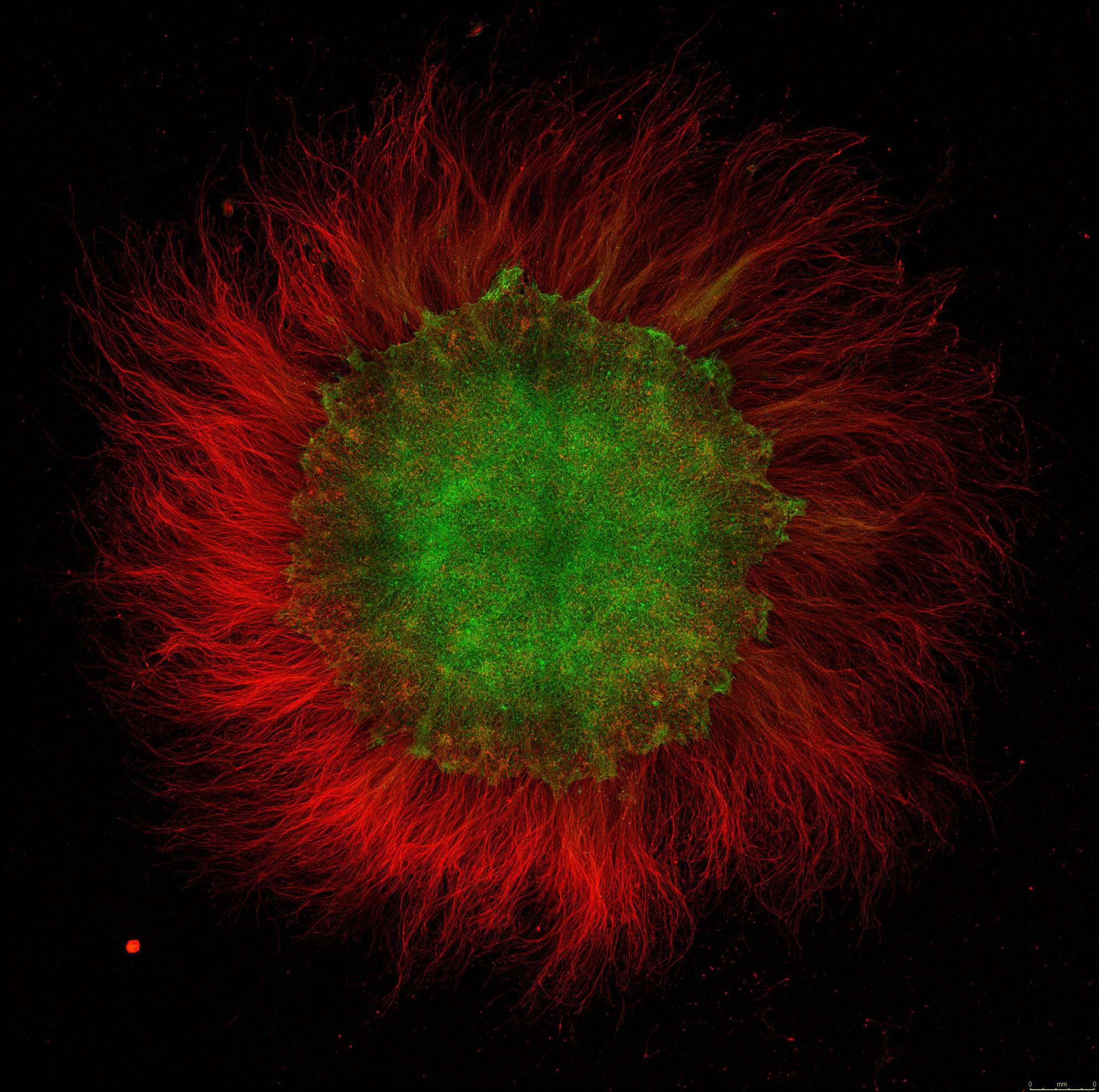
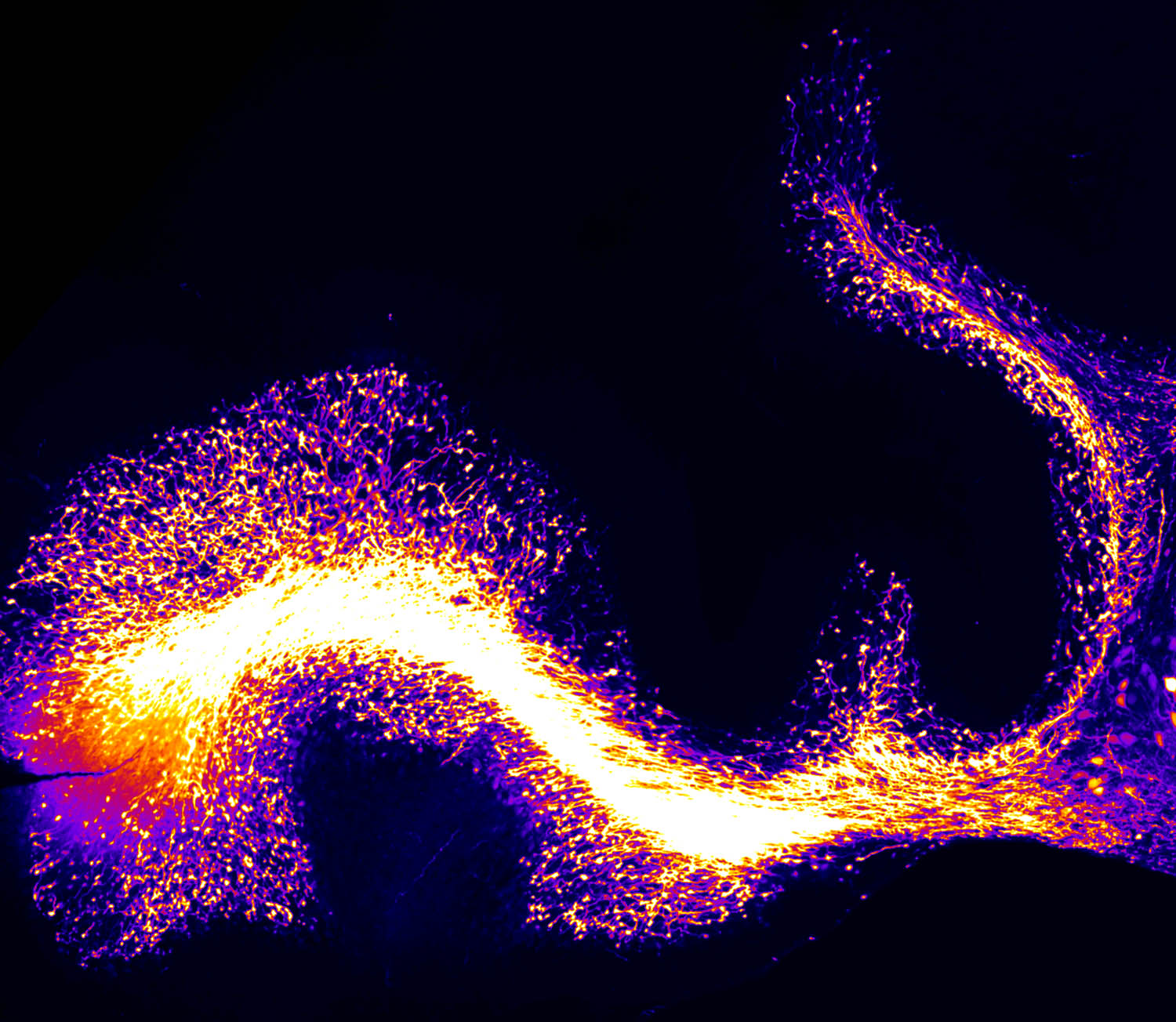
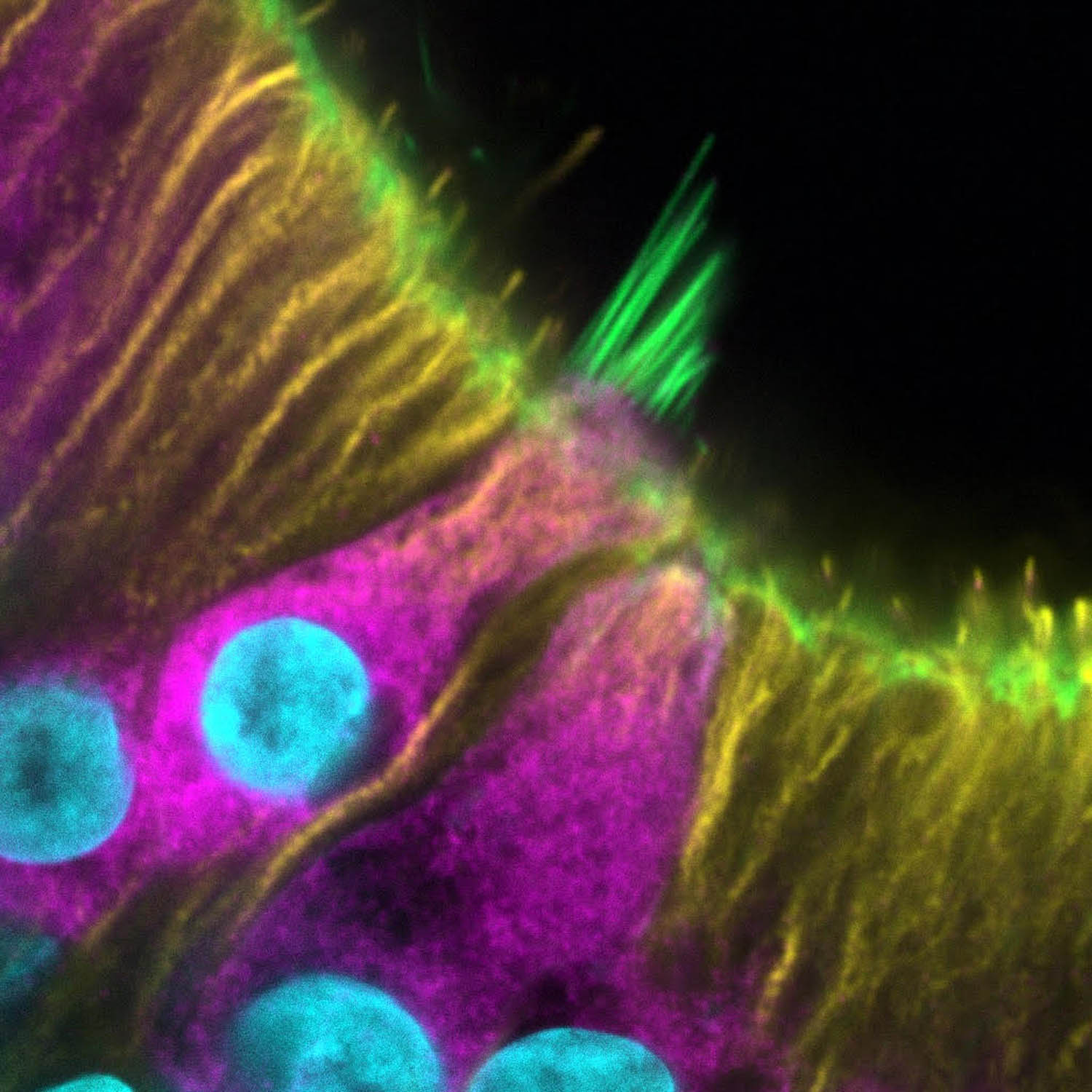
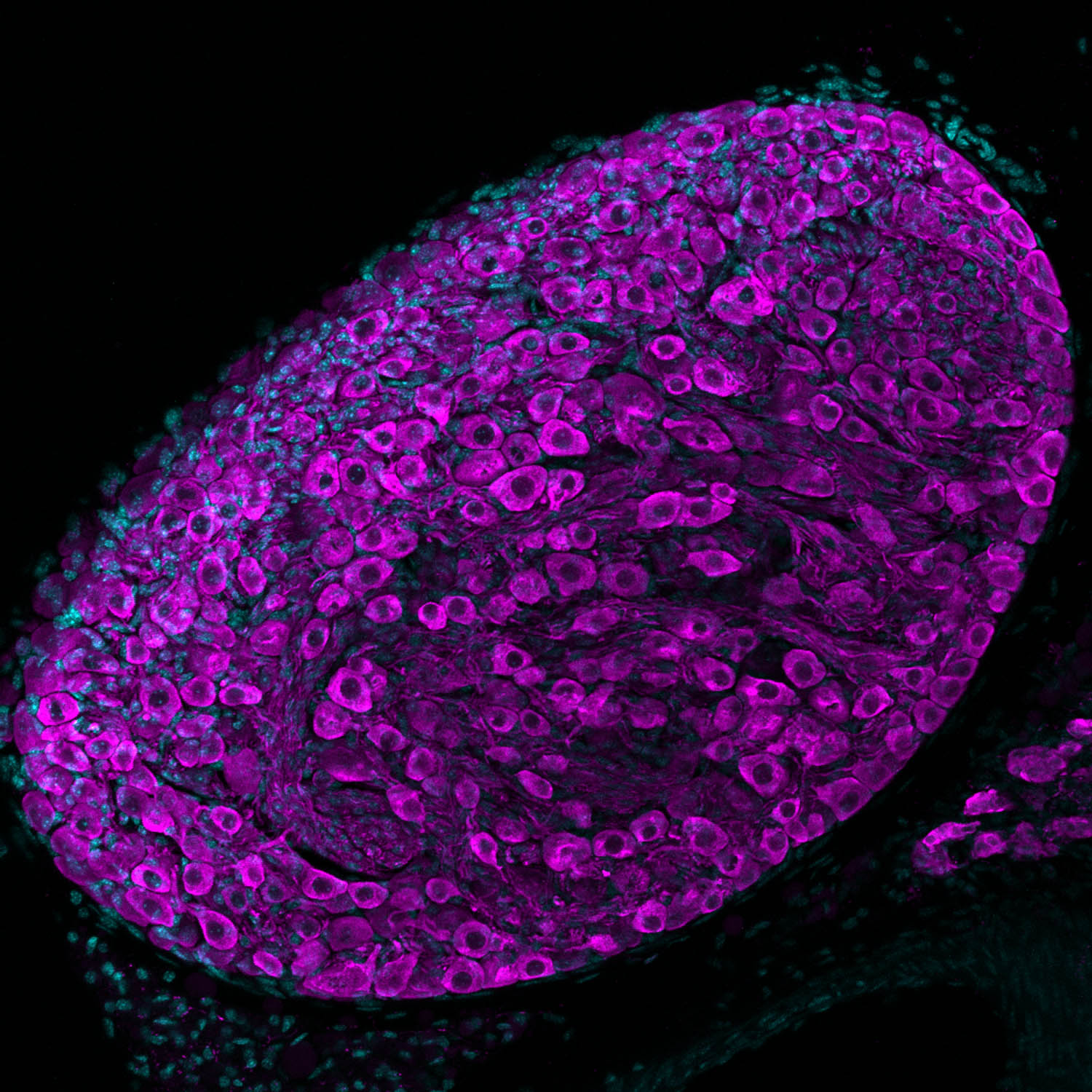
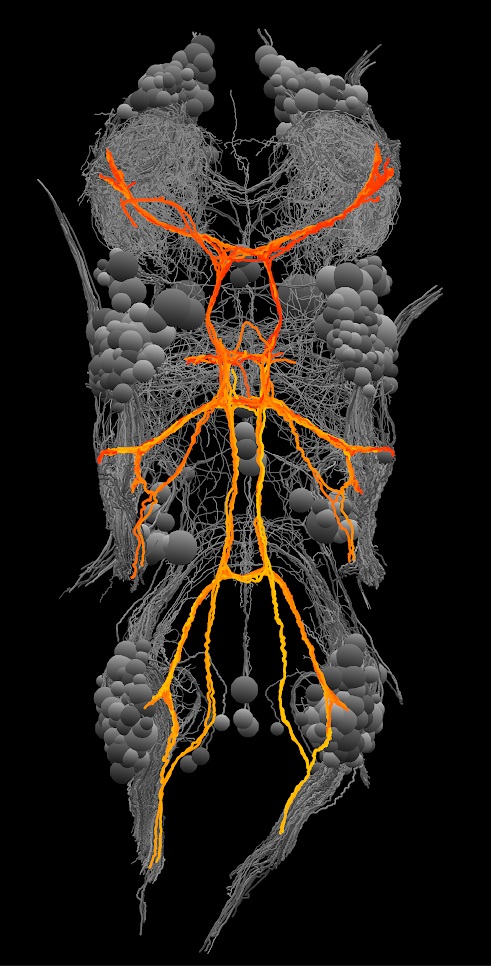
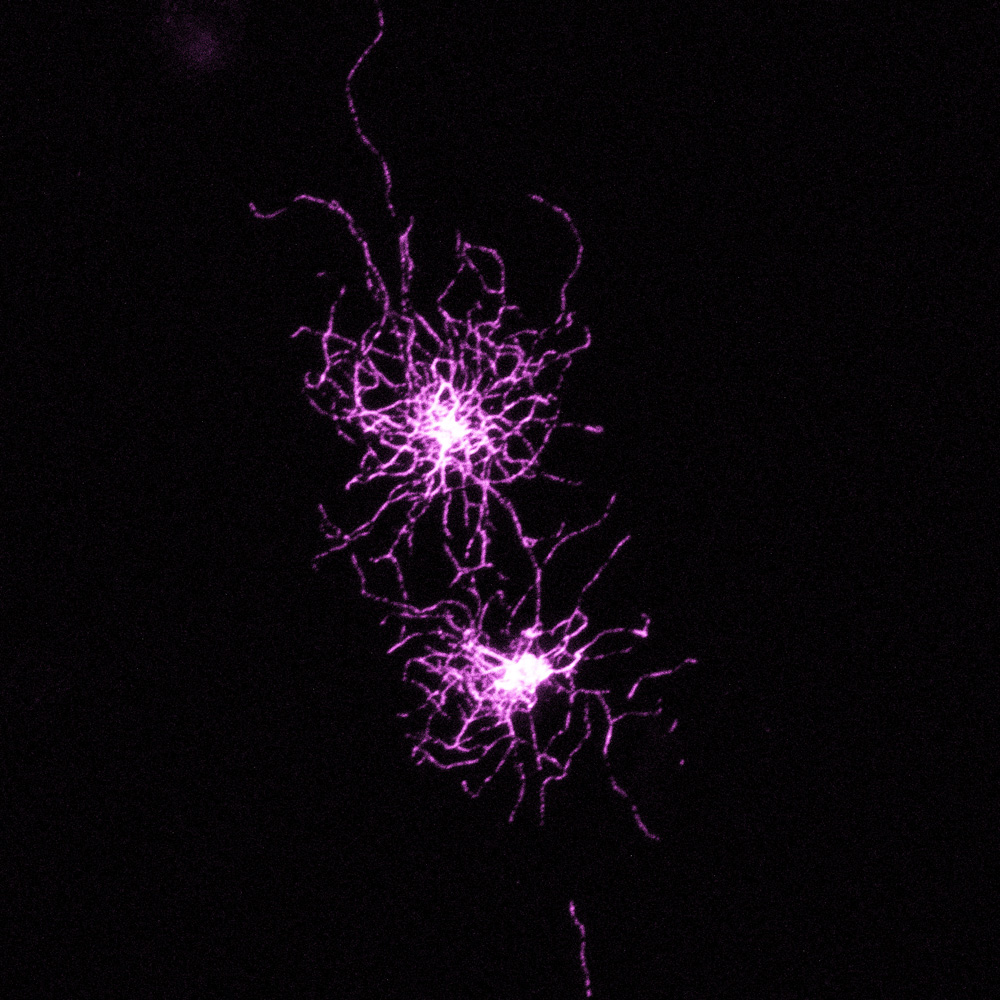
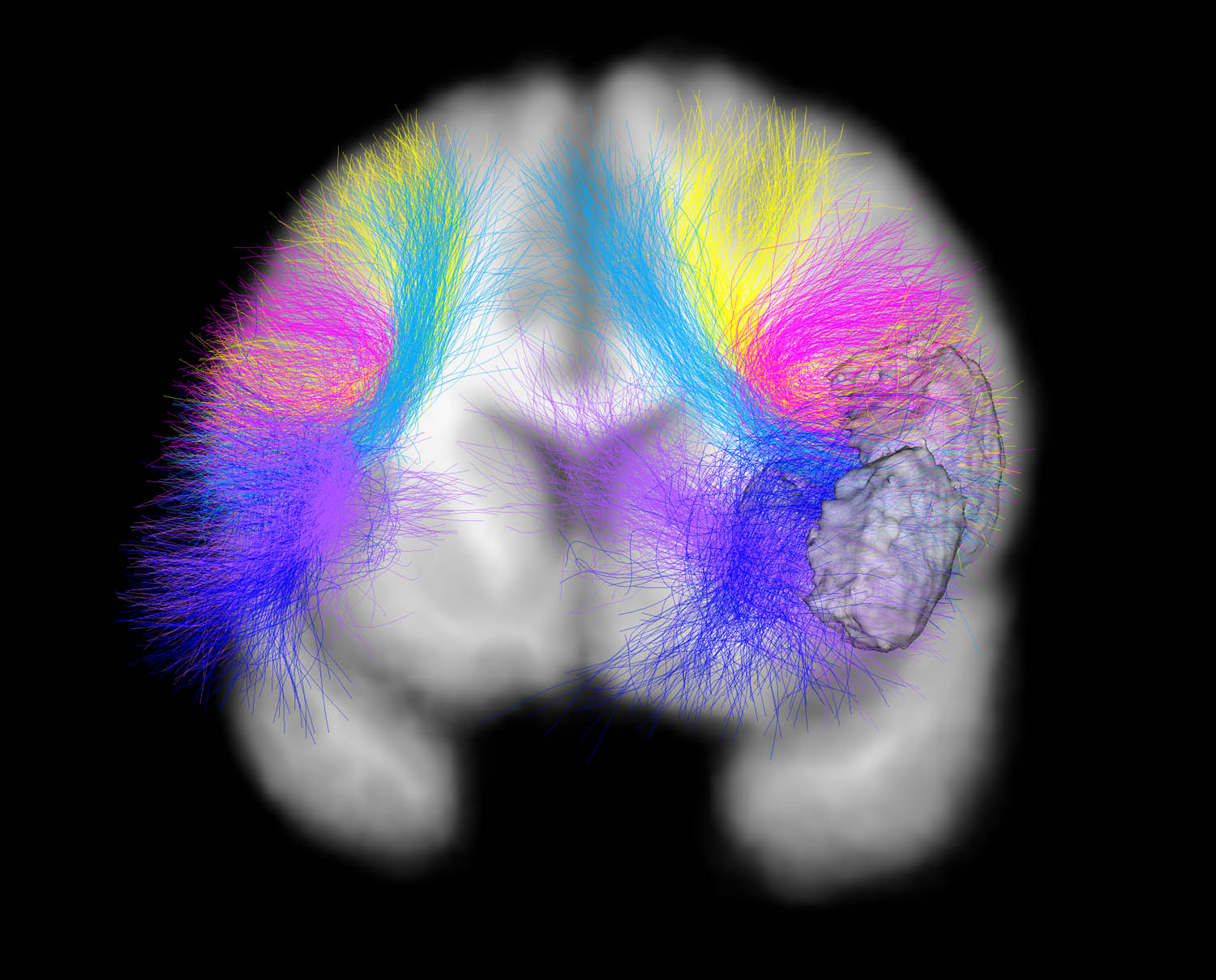
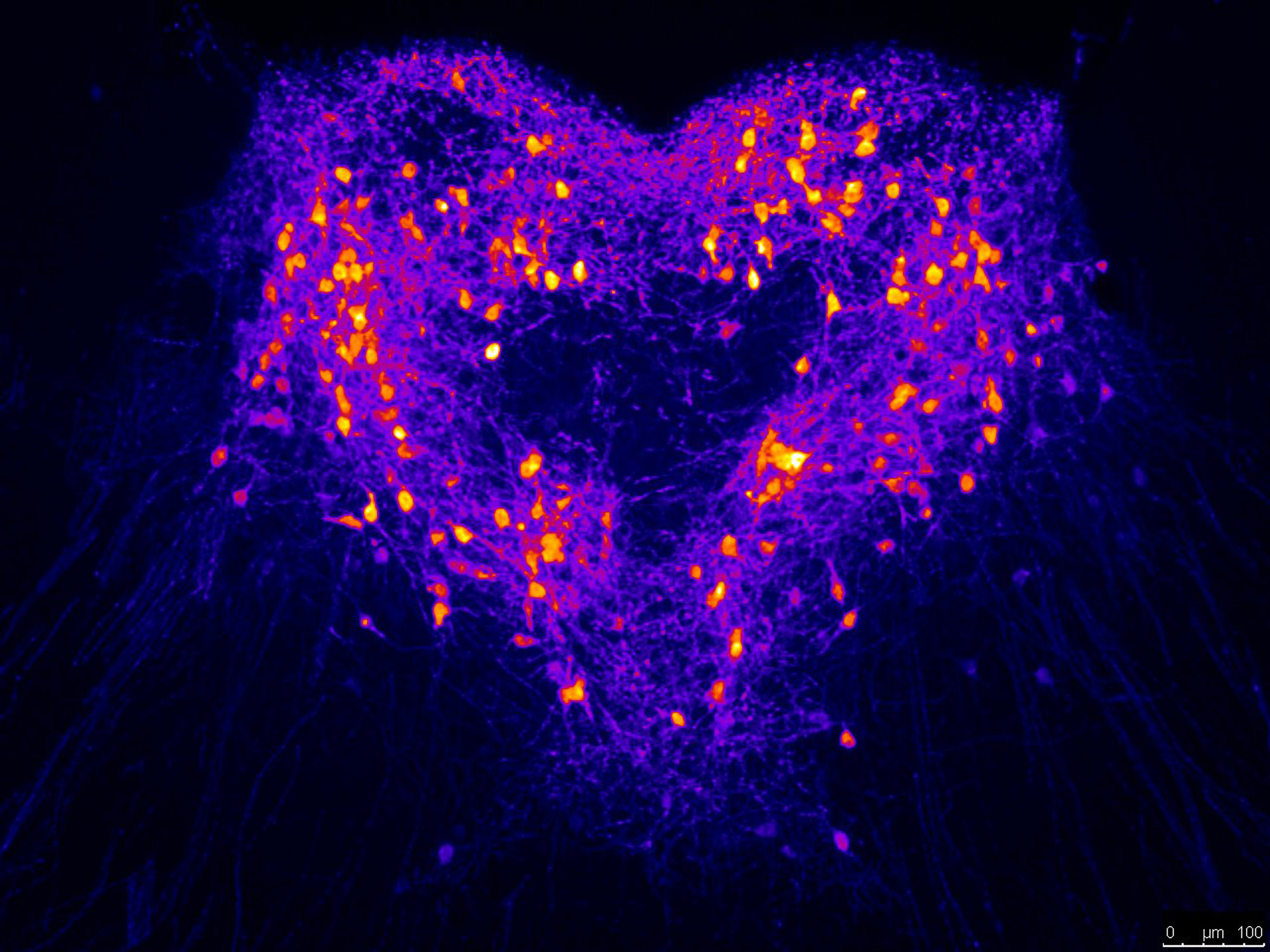
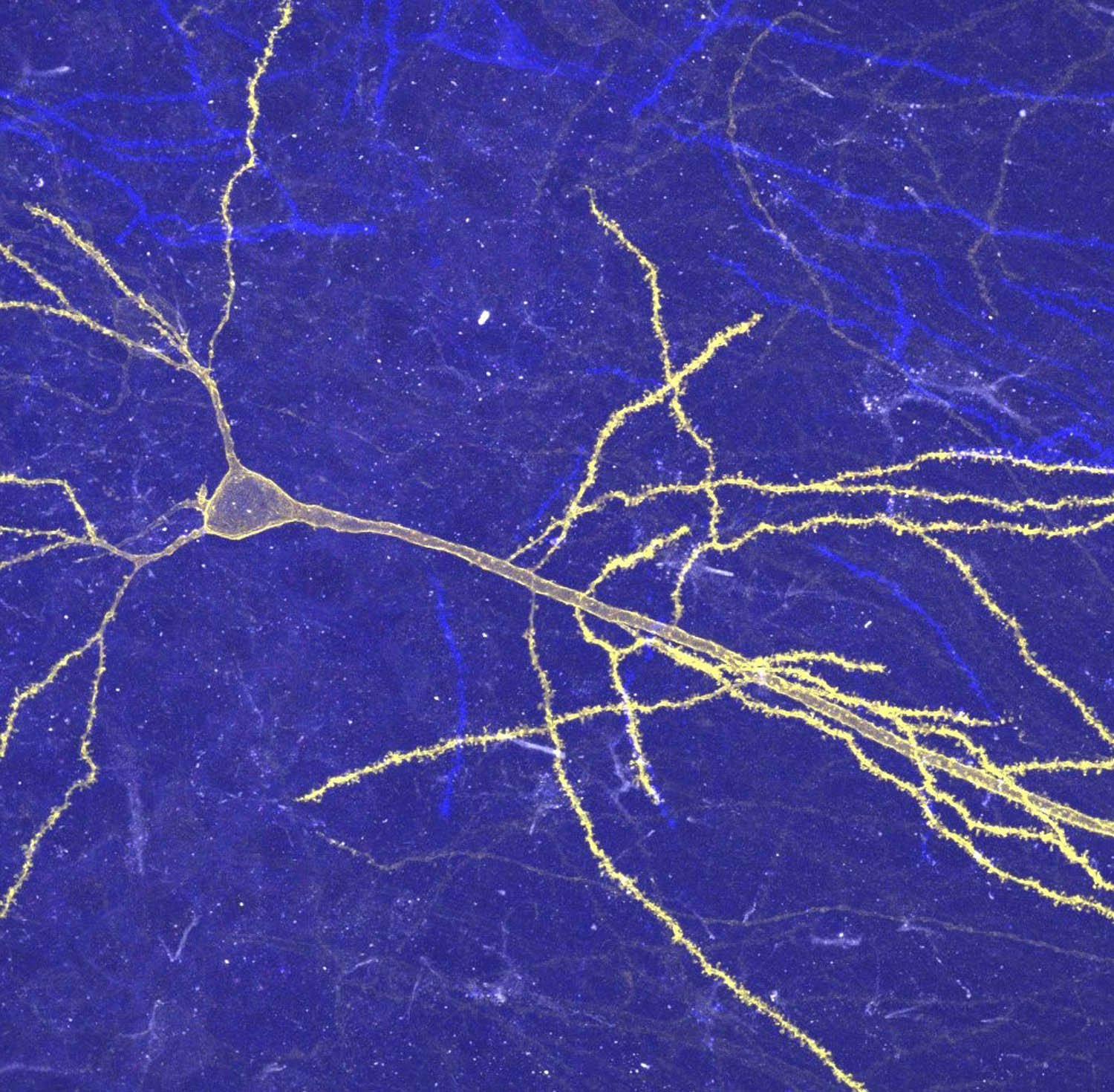
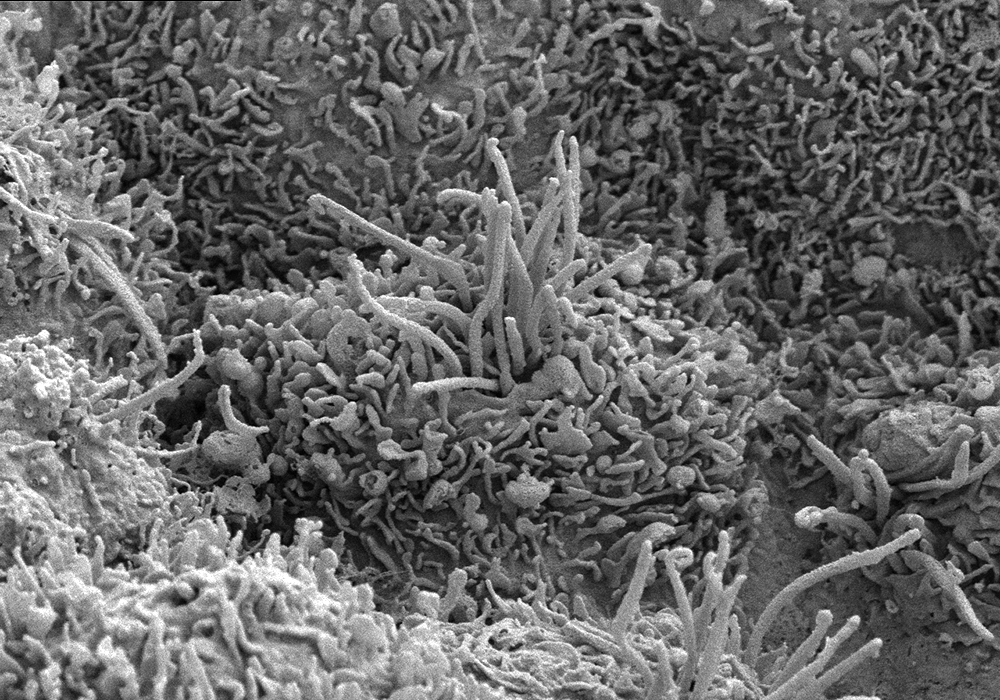
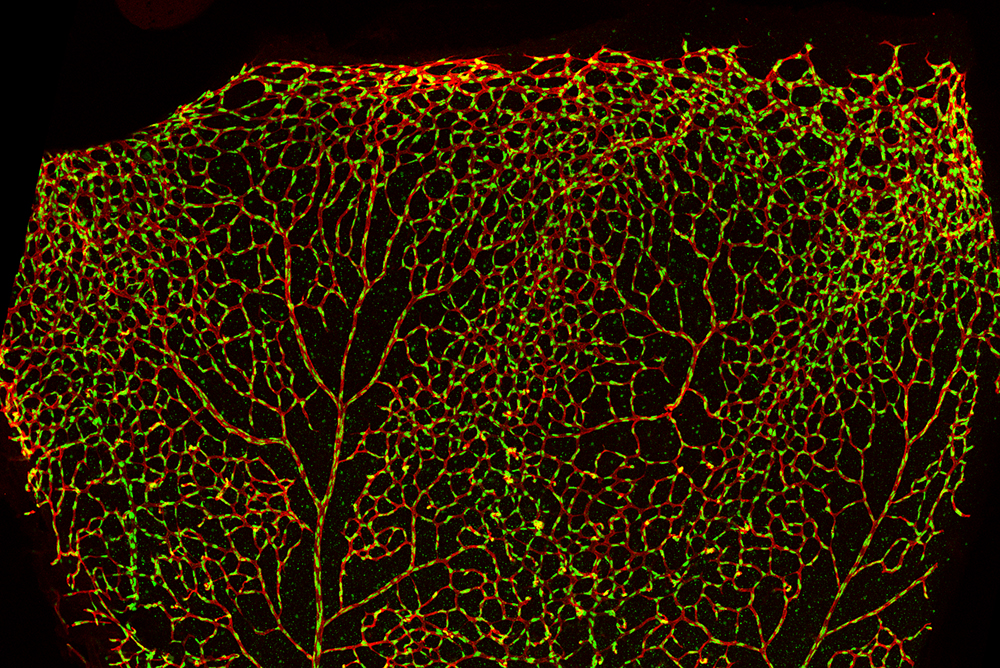
Vasculature in the Developing Cochlea by Katelyn Comeau Rendered by Lynde Folsom Scanning Electron Microscopy (SEM) image of the cochlea, the hearing organ, of a postnatal day 7 wild type mouse. This delicate structure is encased in the temporal bone of the skull and contains the specialized sensory cells (hair cells) and neurons (spiral ganglion neurons) that send sounds to the brain for downstream processing. Ring in the Brain by Jaeeon Lee Slices Under Stress: Neuronal Activation in the Mouse Brain by PK Vincze Superficial White Matter Connections to Broca’s Language Area by Shiva Hassanzadeh-Behbahni his image shows Pacinian corpuscles in the mouse hindlimb, located along the fibula, which each have an inner corpuscle composed of terminal Schwann cells (green), innervated by a single peripheral axon (magenta). A motoneuron-containing midbrain organoid derived from human induced pluripotent stem cells (reprogrammed from skin tissue), cultured in vitro for 55 days. The magenta staining (Islet1) reveals the organized nuclei of motoneurons, the blue staining (ChAT) marks cholinergic neurons, and the green staining (MAP2) specifically labels neuronal microtubules. A Reconstructed Arcuate Fasciculus by Steven Meisler Pericellular Basket Surrounds a Cell in the Lateral Septum by Rebecca Senft Boosting the Brain: The Choroid Plexus by Ryan Fame Mapping of Superficial White Matter Connections: by Fan zhang A Watchful Eye of NPY by Olga Alekseyenko Follow Your Heart, But Take Your Brain With You Cortical neurons derived from human induced pluripotent stem cells (reprogrammed from skin tissue), grown for 14 days in a dish. The rose-like structures are called neuronal rosettes. The blue staining marks all cell nuclei, the red staining marks microtubules, and the green staining reveals expression of one transcription factor specific to cortical neural progenitor cells (FOXG1). A confocal microscopy image showing human neurons (magenta) forming connections with diffuse midline glioma cells (green), a rare childhood brain cancer. The red and white dots mark synapses — tiny contact points where the cells communicate. These signals show how tumor cells interact with and respond to nearby neurons. Anti-Amyloid Antibody Binding to Vascular Amyloid with Microglia Recruitment by Praveen Bathini. Astro Heart by Elisabeth Lawton A Sparkling Spot by Keunjung Heo Neural Hyperspace by Jenny Yau Cortical Sparks by Lariza Rento This image was captured as part of our research into understanding nerve–stem cell interactions in the skin. Shown here is the intricate network of sensory neurons (blue) that innervate the skin epidermis and hair follicles (white), enabling us to perceive touch, temperature, and pain—crucial functions for adapting to a constantly changing environment. Festive Fluorescence by Marlene Scheffold In Vivo Organ of Corti by Nam Hyun Cho In darkness our eyes may fail us, but our brain cells still glimmer in response to things we cannot see. This image snapshots the activity and connections between cells in the visual cortex, the brain area responsible for processing vision, even when we are in complete darkness. In the inner ear, three populations of feedback neurons intermingle with the fibers of auditory neurons to change how our ears respond to stimuli. Their axons display a range of appearances but still are very organized, bringing to mind strings of holiday lights of different colors all arranged with care. The Hypothalamus Revealed: Fluorescent Luminance Meets Ultra-Structural Detail by Xiaomeng Han. Olfactory Bulb Glomeruli by Joseph Zak Neural Stem Cell in the Subgranular Zone of the DG by Cinzia Vicidomini Retinofugal Projections into the Optic Tectum of Larval Zebrafish by Clemens Riegler Neuronal Network Cultured on an Integrated Circuit Chip by Jeffrey Abbott and Tianyang Ye Detailed view of the dentate gyrus of the hippocampus of an Alzheimer’s disease patient. Astrocytes were stained with ALDH1L1 (red) and GFAP (green). Neurons were stained with NeuN (magenta). All nuclei were stained with DAPI (blue). The Starburst Amacrine Cells of the Retina by Evelyn Aviles Flaming Cerebellar Cortex by Olga Alekseyenko In white are mouse retinal ganglion cells, the output neurons of the eye that communicate with the brain. In red are retinal bipolar cells, interneurons which relay information from photoreceptors to retinal ganglion cells. Star-Crossed by Elisabeth Lawton The dura is the outermost layer of the meninges, a membrane that covers and protects the brain. This image shows a small molecular tracer NHS-biotin (gray) leaking out of blood vessels (green) in the dura. All cell nuclei are stained in blue. Magenta labels a histone modification that is associated with transcriptionally inactive DNA. Chick Retina-Bow by Masahito Yamagata An isolated microvessel (a tiny blood vessel) from donated human brain, highlighted in light blue (using a cell membrane stain, Concanavalin-A). An astrocyte is hugging this microvessel, highlighted in yellow (stained for GFAP, an astrocyte marker). This image shows the intimate interactions between two different cell types in the brain. Microglia (red) populate the proximal optic nerves of a mouse with optic pathway glioma. The putative tumor-bearing region (right) shows disrupted cellular organization, where irregularly positioned oligodendrocytes (pink) trace the altered architecture of the optic nerve. Non-Neuronal Network in the Developing Cochlea by Olubusola Olukoya. Neuronal Stem Cells Differentiating Into Neurons by Katharina Meyer When the Heart Finally Catches Up to the Brain by Encarnacion Torres Jimenez Miami on the brain by Natasha M. O'Brown Glial Diversity in the Olfactory Bulb by Anoohya Muppirala Sole Projector by Leannah Newman. All Orientations Welcome by Erin Diel Spinal projection neurons of larval Japanese Rice Fish (left) and Zebrafish (right) labeled with z-depth color code. These fish diverged 300 million years ago, yet the basic neuronal architecture for motor command transmission is highly conserved. The Murine Vomeronasal Organ and Immunity by Rodrigo Gonzalez This image shows a cleared zebrafish larva with all its nerves labeled using a fluorescent antibody.  A color scale indicates depth, transitioning from shallow nerves near the skin and fins to deeper ones innervating internal organs. Neurofilaments by Evelyn Aviles A Reconstructed Corticospinal Tract by Steven Meisler Connect to Hear: Afferent and Efferent Neurons in the Ear by Yi-Chia Huang Dancing Hairs by Cristobal Von Muhlenbrock Rodriguez Human hippocampus, the brain region where memories are consolidated. Astrocytes were stained with the cytosolic marker ALDH1L1 (green) and the endfeet marker AQP4 (red). All nuclei were stained with DAPI (blue). Ear to Hear: Spiral Ganglion Neurons of the Cochlea by Katelyn C. Boulanger This whole-mount projection of a chemically cleared mouse spinal column visualizes the spatial relationship between skeletal and vascular systems. Mineralized bone forms a continuous axial chain (red), while CD31-immunolabeled endothelial networks (blue) course along the vertebral bodies. The resulting tapering profile and interlaced vascular contrast incidentally evoke the appearance of a dragon's tail. This image shows two halves of a dog brain. In red we see a bundle of connections that process information about scent, mapped out by functional magnetic resonance imaging (diffusion MRI) studies. Scent processing takes up a lot of the dog brain! Cervical- and Lumbar-Projecting Corticospinal Neurons Carla Carol Winter Hair Follicle With Touch Receptor Cells by Ahn Phuong Le mEMbrain by Elisa Pavarino This image shows neurons in the brain of a larval Japanese Rice Fish that transmit motor commands to the spinal cord. This was achieved by embedding a crystal of dye into the spinal cord and allowing the axons to carry dye to the brain. Color represents z-depth. Multicolor FlpOut Clones of Drosophila Ellipsoid Body Ring Neurons by Isabel D’Alessandro Human stem cells were used to generate four major brain cell types—excitatory and inhibitory neurons (green and red), astrocytes (magenta), and microglia (cyan). Together, they form a 2D human model of how the brain’s diverse cell types interact and communicate. Actin Network Architecture of a Motor Neuron by Iván Coto Hernández Integrating Granule Cells by Joseph Zak Touch-Sensitive Pacinian Corpuscles by Katelyn Comeau Fish is Watching You 2 by Yasuko Isoe Brain Star Dome by Ayush Noori and Clara Muñoz-Castro Redefining Viral Infection by Tyler Krause Stem Cell-Derived Human Hair Cell of the Inner Ear by Carl Nist-Lund Neurons and Sensory Cells of the Mouse Cochlea by Katelyn Comeau Gray Matter Galaxy by Ayush Noori and Clara Muñoz-Castro Sketching the Brain by Minsu Kim Image 18 Innervation of a Hair Follicle by Touch-Sensitive Neurons by Katelyn Comeau Distribution of GJB2 in a Nonhuman Primate Cochlea by Maryna Ivanchenko A human brain organoid (green/blue) surrounded by glioblastoma multiforme cell clusters (red). The cancer integrates into neural networks, showing how malignant cells infiltrate and rewire healthy brain tissue. This striking image captures the clash between organized neural architecture and the chaos of the most aggressive brain cancer. Caught in the Net by Carolyn Johnson The Circle of Willis by Brian Chow Merry Christmas from iPSCs by Wardiya Afshar Saber and Federico Gasparoli Rising From Splashing Waves in a Thundery Night by Giacomo Maddaloni Coronal Section of the Dorsal Raphe Nucleus of a Mouse Midbrain by Olga Alekseyenko Symmetric Division of a Neural Stem Cell by Haley Zanga Different Types of Cells in the Cerebellar Cortex by Xiaomeng Han Hair Cells and Neurons of the Cochlea by Carl Nist-Lund Podoplanin in the DRG by Pavel Hanc Asymmetry in the Brain by David Zimmerman A coronal section of an adult mouse brain. Green staining marks astrocytes expressing glial fibrillary acidic protein (GFAP), while red indicates the expression of a cell membrane-targeted protein in layer 2/3 cortical neurons. Glowing mitochondria dot the long branches of neurons, highlighting the cell’s internal transport system. These mobile energy producers travel up and down the neuron to keep it functioning, powering the signals that allow brain cells to communicate over remarkable distances. AH5 Coronal Slice 1127 by Javier Masis Perineuronal nets glowing green through fluorescent microscopy, emerging from the extracellular matrix-the biological scaffold underlying neural circuitry. These structures embody the brain's central dilemma: stability to lock in essential connections, or plasticity to rewire and evolve, a choice that shapes every neural network. Diffusion MRI Tractography of the Human Subcortical Auditory Pathway by Kevin Sitek Unique Distribution of N-Glycans in the Brain by Maxence Noel The Site of Touch by Annie Handler The image depicts EB3–GFP–labeled microtubule plus-end tracking proteins in a cultured mouse hippocampal neuron. Spinal Cord Starry Night by Ilayda Alkislar A straight-on view toward the eye of an embryonic mouse showing the extraocular muscles (magenta) as the oculomotor (cyan) and trochlear (green) nerves reach the area and connect to their target muscles. This image captures the glowing mitochondria inside a rat neuron, shining like tiny embers. These bright fragments are the cell’s “power plants,” traveling along its branches to deliver the energy that makes every thought, memory, and movement possible. Brain Tumor of a Fruit Fly by Torrey Mandigo Motor Neurons Innervating Eye Muscles by Sampath Vemula Developing Zebrafish by Barbara Robens The Brain in Time (Flower Representation) by William Orwig Unipolar Brush Cells Contacted by Purkinje Cell Feedback by Chong Guo Accidental Crystallization of Cell Media Solution on Culture Dishes Thoughts and Feelings by Paul Hatini Neurons that Sense Blood Pressure in the Aortic Arch by Soohong Min Mouse Dorsal Root Ganglia An isolated microvessel (a tiny blood vessel) from donated human brain, highlighted in light blue (using a cell membrane stain, Concanavalin-A). In yellow, you can see the Immune cells (green) are shown interacting with blood vessels (magenta) within the dural layer of the meninges, a membranous structure that covers and protects the brain. This close interaction between immune cells and the vasculature highlights the role of the dura in immune surveillance and neuroimmune communication. All nuclei are shown in blue. Cervical- and Lumbar-Projecting Descending Projection Neurons in the Red Nucleus by Carla Carol Winter Sensory Tulips Jin Jiahe The Olfactory Mantle by David Brann Human Retinal Organoids to Study the Underlying Causes of Spinocerebellar Ataxia 7 by Patrick Ovando-Roche A map of a growing neuron's molecular highways. Microtubules (red) make up the neuron's structural support and transportation routes. Patches of microtubules (green) have been converted to a different color to track their movements. The skin of a mouse ear by Brian W. Chow Astrocyte Perched on a Capillary in Awake Mouse Brain by Patricia Kelly Spinal Motor Neurons by Spencer Price Confocal image reveals the complex beauty of human iPSC-derived cortical neurons cultured in a microfluidic chamber modelling Alzheimer’s disease. Fluorescently labelled neuronal RNA granules (red) travel along microtubule tracks (cyan), orchestrating the transport of translational machinery essential for localized protein synthesis, capturing both the precision and fragile elegance of neurons. E11.5 Orbit Showcasing Developing Extraocular Muscles and Cranial Nerves by Jess Bell & Mary Whitman Outgrowth of the developing cranial motor nerves in an embryonic mouse at embryonic day 12.5. Cranial nerves are segmented and pseudocolored to allow for tracking of the nerves from their nuclei in the brain as they grow out towards their target muscles. In the inner ear, immune cells make very close contact with pericytes, cells that wrap around blood vessels so small that red blood cells have to pass though in single file. These vessels weave through neuron fibers as they reach out to hair cells that sense vibration (top). Clock Neuron Subpopulations in Drosophila melanogaster by Bryan Song Love From Your Neurons by Encarnacion Torres This image depicts a bundle of axon fibers called a glomerulus (pictured in cyan) that serves as a compile + relay center for olfactory information. The neurons (pictured in magenta) are the projection neurons that transmit the information from this relay to high brain structures. Breaching of the Choroid Plexus Barrier by Huixin Xu Nose to Brain by David Brann Guardians of the Brain Barrier by Huixin Xu A patient induced pluripotent stem cell-derived neuroepithelial organoid. Neuroepithelial stem cells self-organize in a columnar-like fashion around a central cavity (lumen). This process mimics the early spatial organization of the developing neural tube. Live 3D cell imaging highlights Plasma membranes (Red) and Nuclei (Blue). Wholemount of the Mouse Cochlea by Isle Bastille Blood vessels are an essential component of all organ systems, as they supply cells with oxygen and nutrients necessary to develop and function. Here, the developing vasculature (in red) is observed invading the embryonic cochlea (our hearing organ, outlined in dark blue), where it supports developing auditory neurons (in cyan). The Brain in the Gut by Valentina Lagomarsino Front and back views of a human stem-cell-derived skin organoid. Fluorescent labeling reveals green hair follicles swirling like Medusa’s curls as the tissue self-organizes. This image displays parallel networks in parietal and temporal regions from 10 human subjects, highlighting the unique organization of association networks for working memory, remembering, language, and social inference. Distinct color patterns reveal how specialized brain networks vary across people, advancing our understanding of individual differences in brain organization. Radial Journey by Katerine Morillo Unveiling Cerebellar Cytology with Dual Lenses by Xiaomeng Han Art Generated by Neurons (no. 6) by Will Xiao Glomeruli of the Fruit Fly Antenna Lobe by Matthew Churgin Human iPSC-derived Neuromesodermal Organoid by Delaney Wood Stairway to Heaven: The Bundle of a Human Stem-Cell Derived Hair Cell by Carl Nist-Lund Glia and Neurons in the Inner Ear by Isle Bastille Enteric neurons reside within the gut, so numerous that they have been referred to as Cells and Vessels by Mostafizur Rahman Human iPSC-Derived Spinal Spheroid by Keunjung Heo A Portal by Lucy Gordon Pluripotent Stem Cell Derived Neural Tube-Like Organoids 2 by Dosh Whye Local interneurons in the drosophila antennal lobe by Isabel D’Alessandro Wheel in Chick Retina by Masahito Yamagata A Fishy Nervous System by Morgan Phillips Developing Motor Neurons and Muscles in E11.5 Mouse by Jess Bell & Mary Whitman Spiral Ganglion Neuron Diversity by Isle Bastille Unipolar Brush Cells Contacted by Purkinje Cell Feedback by Chong Guo Bed of Roses by Katharina Meyer The Inner Ear Rainbow by Cristobal Von Muhlenbrock Rodriguez 3D sensory neuron organoid with cell bodies clustering in the middle and radiating out axonal projections, stained for the building block, tubulin, with a live dye - SIR tubulin Auditory Rainbow by Stephanie Mauria Staying in Touch by Urs Langen Migrating Neurons in Embryonic Mouse Cortex by Kadir Ozkan vDeltaA Neurons in the Fly Brain by Emily Kellog Losing Stability in Bipolar Disorder by Katharina Meyer Accidental Crystallization of Cell Media Solution on Culture Dishes by Farimah Mapar This image shows Pacinian corpuscles in the mouse hindlimb, each innervated by an axon (magenta), with supportive cells forming an inner (green) and outer corpuscle (red). The outer corpuscles touch, likely to assist signal transduction to the central nervous system. Immune Cell Surveillance by Katelyn Comeau Boulanger The mammalian cochlea is a spiral-shaped organ that mediates the sense of hearing with astounding precision. Here, auditory neurons are shown with their cell bodies in magenta, extending cyan axons to innervate sound-sensitive cells around the spiraling border of the tissue, also in magenta. Trafficking of RNA Molecules to the Growth Cone by Kadir Ozkan Skin Organoid Generated From iPSC with Innervated Neurons by Ahn Phuong Le Into the Abyss of the Olfactory Landscape by Siddharth Jayakumar Brain Fall Foliage by Clara Muñoz-Castro and Ayush Noori Sensory and Motor Neurons in the Drosophila Nerve Cord by Jasper Phelps The Mind of a Worm Reconstructed by Electron Microscopy by Daniel Witvliet Glia and Neurons in the Inner Ear by Isle Bastille Six-Color Immunolabeling of Mouse Cerebellar Cortex by Xiaomeng Han Red Blood Cells in Retina Vasculature by Swathi Ayloo A cross-section of the mouse cochlea, the organ that detects auditory information. Sound-receiving inner hair cells and hearing-related neurons are shown in cyan, with brightness differences indicating varying expression levels. Pain-sensing neurons are labeled in magenta, revealing the mixture of sensory cells within the cochlea. The Brain in Time (Snake Representation) by William Orwig A map of a growing neuron's molecular highways. Microtubules (red) make up the neuron's structural support and transportation routes. Patches of microtubules (green) have been converted to a different color to track their movements. This image depicts a cross-section of the mouse nose after treatment with a drug that ablates the olfactory tissue, stained for a sensory neuron marker gene (in magenta) and specific subtypes of olfactory receptors (in yellow ). The expression of these genes and their spatial patterns indicates proper regeneration. Tangled Tubules by Mara Casebeer Proximity of BMAL1 and CaMKIIα at Synapses in a Primary Neuron by Ilaria Barone Giving Feedback by Austen Sitko Rare Perspectives on Rare Diseases by Marlene Scheffold Pyramidals by Joseph Zak Before thought begins, the fetal brain performs its first selection, discarding fractured genomes to preserve the integrity of those destined to shape the self. Blue DNA escapes through the orange nuclear envelope of a developing neuron, forming micronuclei, tiny archives of genetic failure marked by green rupture signals. Breast Cancer Cells in Co-Culture with Neurons by Rachel Davis The Human Meissner Corpuscle by Ilayda Alkislar A Touch of Fire by Lucy Gordon Network at the Fingertips by Sara Hakim and Yu-Ting Cheng Love of Hearing by Jin Jiahe Brain Teardrops by Methasit Jaisa-Aad Birth of New Neurons in the Adult Mouse Brain by Brittany Mayweather Human iPSC-derived Neuromesodermal Organoid by Delaney Wood A 3D Reconstruction of an Anti-PKHD1L1 Immunogold Labeled OHC Stereocilia Bundle Steering Control by Emily Kellogg On the left, a healthy brain organoid self-organizes into complex neuronal networks. On the right, the same system is invaded by glioblastoma multiforme (yellow), the deadliest brain cancer. Cancer cells integrate into neural circuits, exposing how malignancy hijacks human brain tissue and reshapes its delicate architecture. C. elegans Nervous System by Rafael Jacobsen Patient-Derived Midbrain Organoid to Study Parkinson's Disease by Ewa Grassin Intersubject Synchronization of Brain Activity During Viewing of Film Clips by Xuehu Wei Cluster of E1 Neuronal Population in a Virgin Male Mouse by Samantha Finkbeiner A Cloudy Memory by Leana Radzik TMS-EEG Source Space Colormaps in MMVT Twinkle Stars in Alzheimer’s In-a-Dish by Sang Su Kwak Cerebellar Checkers by Ellen DeGennaro Ferret Phases by Ellen DeGennaro Nemo’s Home: The Surface of a Human Inner Ear Organoid by Carl Nist-Lund Serotonin fibers in the rostral migratory stream by Nikita Sturrock Neurons that Sense Blood Pressure in the Aortic Arch by Soohong Min Aurora Hippocampus by Riley Magane and Meng Chen Purkinje Neurons in Cerebellum by Swathi Ayloo Neuron-Painted Portraits by Will Xiao Amyloid Coral Reef by Celia Blanco. Neuronal Clusters by Evelyn Aviles On the Vine by Chelsey LeBlang Human Pluripotent Stem Cell-Derived Cortical Organoids by Dosh Whye Confocal image reveals the complex beauty of human iPSC-derived cortical neurons cultured in a microfluidic chamber modelling Alzheimer’s disease. Fluorescently labelled neuronal RNA granules (red) travel along microtubule tracks (cyan), orchestrating the transport of translational machinery essential for localized protein synthesis, capturing both the precision and fragile elegance of neurons. Man-Made Brain by Annie Kathuria Microglia (green) remodel synaptic connections, while inhibitory neurons (red) maintain network balance. This human stem cell–derived co-culture is used to investigate how microglia refine inhibitory synapses to tune neural communication. Synaptic Talk Inside the Brain by Nannan Guo Serotonergic Modulation of Sensory Information by Olga Alekseyenko This image shows a cross section of an early chicken head at a stage when the eye is just beginning to form. The bright signal marks FGF8 at the center of the developing optic cup. FGF8 is a growth factor (?) that plays a critical role in organizing the future high-acuity region of the retina—the area responsible for sharp, detailed vision in adults. Even at this very early stage, key molecular cues are already shaping where specialized visual functions will emerge. The image highlights how early developmental signals help lay the blueprint for the development of key aspects of visual function long before the eye can detect light. The Intertwinement by Wardiya Afshar Saber and Federico Gasparoli Pluripotent Stem Cell Derived Neural Tube-Like Organoids 1 by Dosh Whye Lateral Olfactory Tract by David Brann Blood Vessels in the Developing Retina by Swathi Ayloo Synapses on Hair Cells by Isle Bastille Let There Be Sound by Volkan Ergin Multicolor Imaging of Peripheral Nerve by Iván Coto Hernández Projection Neurons of the Fruit Fly Antennal Lobe by Matthew Churgin Fish is Watching You 1 by Yasuko Isoe Anti-Amyloid Antibody Binding to Vascular Amyloid with Microglia Recruitment by Praveen Bathini Reaching Out by Austen Sitko This confocal image captures the balance that keeps the brain in tune. In the mouse frontal cortex, a delicate network of dendrites (blue) weaves together with inhibitory synapses marked by VGAT (green) and gephyrin (red). These vibrant threads of inhibition reveal the subtle architecture that tempers and fine tunes neural activity to maintain balance within the brain’s circuitry. Vessel near ENS by Valentina Lagomarsino Man-Made Brain by Annie Kathuria Nociceptors and Cancer Cells by Pavel Hanc Brain Waves by Lariza Rento Lightsheet Illuminating Our Knowledge of the Brain by Andrew Silberfeld Medium Spiny Neurons in Ventral Striatum from a Behaving Mouse by Selina Qian This confocal image captures neurons in the mouse dentate gyrus, a region of the mouse hippocampus where new neurons emerge and memories form. Neuronal dendrites and cell bodies (MAP2, magenta), neuronal nuclei (NeuN, green), and all cell nuclei (blue), are shown composing a fluorescent landscape of connectivity and growth. Organized Mess by Stephanie Mauriac Expression of PCDH15 in a Nonhuman Primate Photoreceptor by Maryna Ivanchenko The Brain and the Machine by Mariana Garcia-Corral Astrocyte-Blood Vessel Interaction by Urs Langen Human Brain Spatial Transcriptome by Rongxin Fang Astrocytic Hug by Aryan Rajput Cochlear Immune Cells Phagocytose Bacteria by Katelyn Comeau Boulanger, Scanning Electron Microscopy (SEM) image of two turns of the cochlea, the hearing organ, of a postnatal day 7 wild type mouse. On each turn, four rows of specialized sensory hair cells can be seen. Hair cells are responsive to frequencies of the sound spectrum in a structured tonotopic organization from base (high frequencies) to apex (low frequencies). In the skin, sympathetic nerves, arrector pili muscles, and hair follicles form a tri-lineage unit that produces goosebumps and regulates hair follicle stem cell activity in response to cold exposure. Astrocyte Waltz by Molly Healey Astrocyte-blood vessel interaction by Urs Langen Genetically Labeled Tapestry: Coloring the Brain Net of the Gut by Anoohya Muppirala A coronal slice of an adult mouse brain showing antibody staining for glial fibrillary acidic protein (GFAP), which labels reactive astrocytes in the adult brain. Kiss in a Starry Night: Overcoming Developmental Constraints by Giacomo Maddaloni Mapping of Whole Brain White Matter Connections by Fan Zhang Plaque Attack by Aryan Rajput Let's Play Catch! by Methasit Jaisa-Aad Neuronal Plumage by Katherine Morillo Neurons Within the Mouse Retina by Nicholas Hanovice Spiny Night: A Neuron Illuminated by Maryse Thomas Sympathetic Ganglion Neurons by Katelyn C. Boulanger From Human Adult Fibroblast to CA3 Neuron by Haley Zanga Krause Corpuscles in the Mouse Clitoris by Lijun Qi Developing Zebrafish by Barbara Robens Distribution of N- and O-GalNAc Glycans in the Cerebellum by Maxence Noel Chain of Olfactory Glomeruli by Nao Horio Astrocytes in the mouse retina form a delicate, ramified web that weaves a complex cellular architecture.
Harvard Logo

Harvard Brain Science Initiative

Harvard Medical School
Goldenson Building, Room 101
220 Longwood Avenue,
Boston MA 02115
Email: brain@harvard.edu
Bluesky: @harvardbrainsci.bsky.social

Admin Login
Copyright © 2025 The President and Fellows of Harvard College | Accessibility | Report Copyright Infringement